
TENAU Smart Elevator
Simplified, low-speed vertical lifting device designed solely for the movement of goods on a platform, typically used for short travel distances in industrial or storage areas.
- Goods-Only VRC Compliance
- No Overhead Machine Room
- Easy Dock-to-Floor Transfer
Related Products

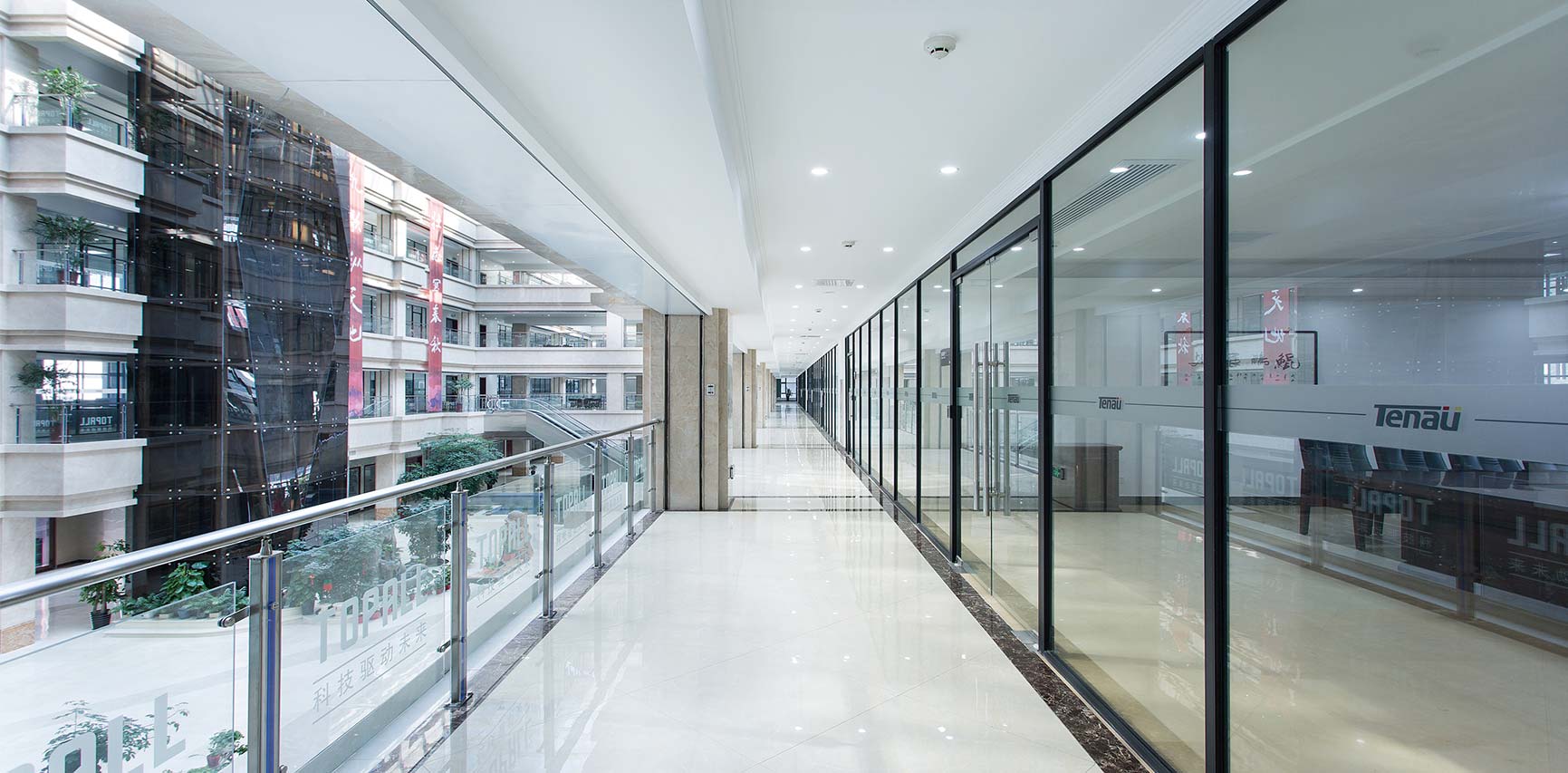
Passenger Elevator
Tenau passenger elevators with small machine room have improved their performance by reducing area o...
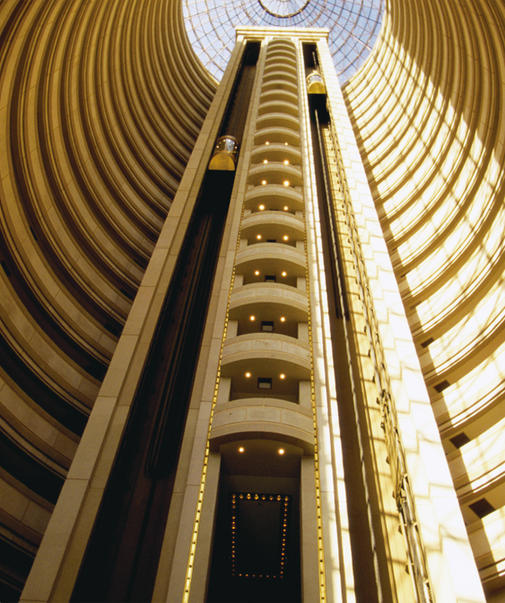
Panoramic elevator
Elegant structure with limitless scenic views Tenau sightseeing elevator adheres to the design prin...
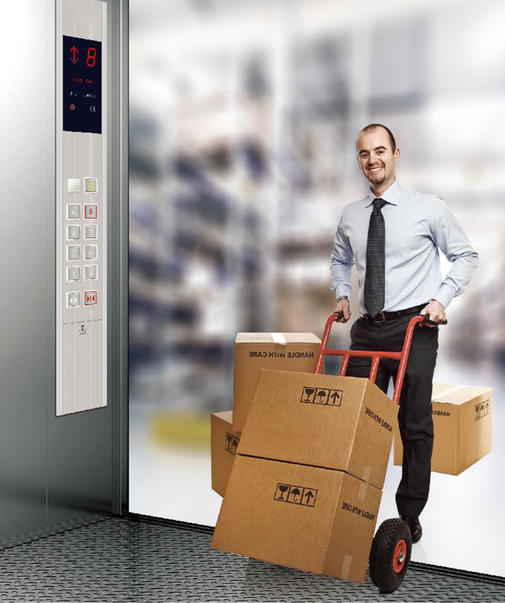
Freight Elevator
Considerate designing This elevator is specifically designed for the transportation of cargoes, wit...
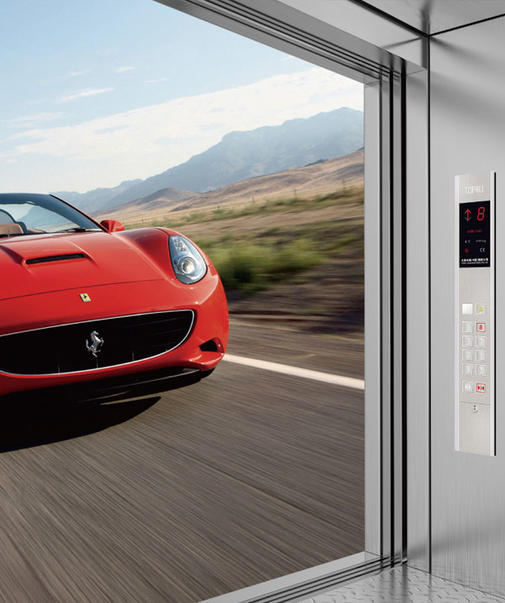
Car Elevator
In the modern city, there are more and more cars. To solve the difficulty of parking, TENAU uses its...
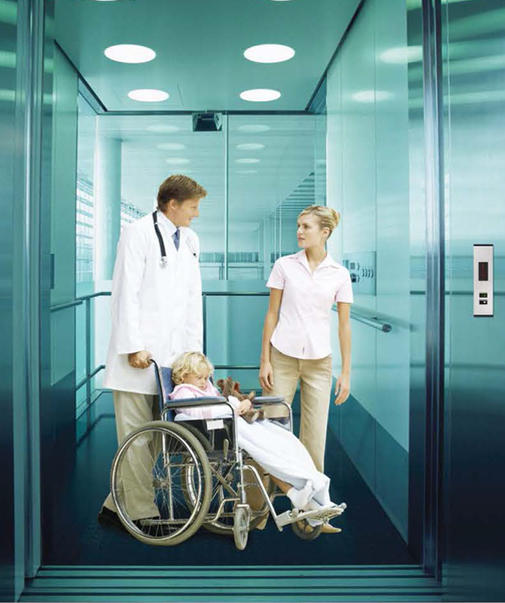
Hospital Elevator
High safety standard with sincere care Tenau high-quality medical elevator is developed on basis of...

Home Elevator
Let’s construct a happy and harmonious life!Machine roomless intensive design, "electric home applia...
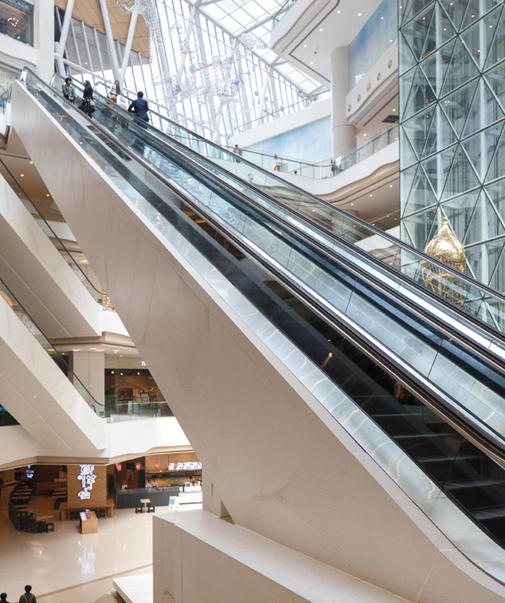
Escalator Summary
Urban flavor, charm scene TENAU serial escalators fully apply novel materials and advanced domestic...
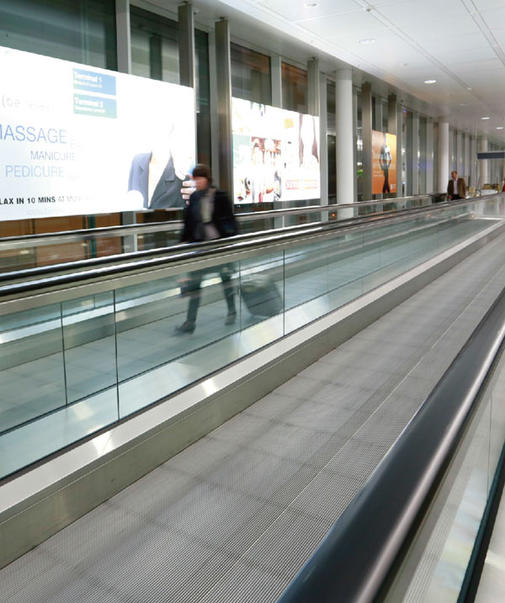
Moving Walk Summary
As easy as in smooth ground, the everlasting popular design & qualityTENAU moving walk elevates ...
Product Overview
Intelligent customization redefines vertical transportation
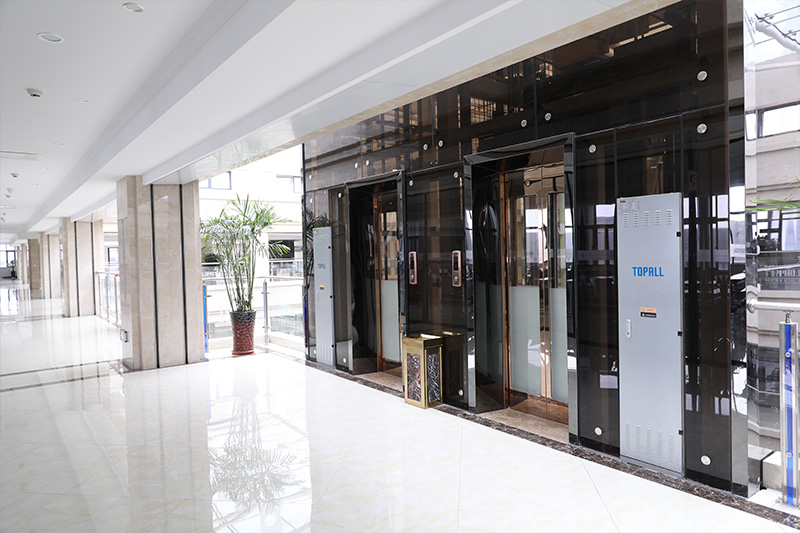
A freight platform lift, often classified as a Vertical Reciprocating Conveyor (VRC), is an industrial lifting device designed strictly for the movement of materials between two or more fixed elevations. Crucially, VRCs are governed by machinery codes (ASME B20.1) rather than the stricter elevator safety codes (ASME A17.1), which allows for a more utilitarian and structurally simple design. This often translates to an open-frame or mesh-enclosed platform rather than a fully enclosed car, and the operating speed is very low.
They are widely used in warehouses, retail backrooms, and production facilities for tasks like moving pallets from a ground floor loading dock to a mezzanine or basement. The drive system is typically hydraulic or an industrial-grade chain/cable system, chosen for ruggedness and high weight capacity over short travel runs. Platform lifts provide a cost-effective alternative to full-scale freight elevators when human transport is not required, focusing purely on safe, predictable vertical movement of materials.
Basic Product Parameters
Diverse options to meet the needs of different families
| Regulatory Class | VRC (Vertical Reciprocating Conveyor) |
| Drive Type | Hydraulic or Chain/Cable |
| Rated Load | 500 kg – 5000 kg |
| Speed | 0.05 m/s – 0.25 m/s (Very Low Speed) |
| Car Structure | Open Platform or Mesh Enclosure |
| Human Access | Strictly Prohibited During Operation |
Product Advantages
Why choose Tenau elevators?
Simplified Regulatory Path
As VRCs, they are often subject to less demanding permitting and inspection processes than fully compliant passenger or freight elevators.
Installation Flexibility
The simple structure and absence of a traditional overhead machine room or deep pit allow for greater flexibility in positioning within a facility.
Product Features
Innovative technology, superior experience
- Non-Stop Control: The control system is designed to service the destination without intermediate stops, prioritizing the speed of the cargo cycle over traffic management.
- Safety Enclosures: The entire travel path is protected by heavy wire mesh or solid enclosures and interlocked gates to prevent any human entry into the lift area.
- Oversize Platform: Can be engineered with custom platform dimensions to accommodate unusually large or non-standard industrial components, machinery, or items.
Product Comparison
| Characteristic | Freight Platform Lift (VRC) | Standard Freight Elevator |
| Code Compliance | Machinery Code (ASME B20.1) | Elevator Safety Code (ASME A17.1) |
| Human Travel | Absolutely Prohibited | Permitted (Attendant for loading/unloading) |
| Safety Features | Basic safety gates and limit switches | Redundant systems (governor, safety brakes, car gate) |
| Cost | Significantly Lower Initial Cost | Higher Initial Cost and Operating Expense |
| Maximum Speed | Very Low | Moderate to High |
Installation Process
Standardized installation, efficient and worry-free
1. Site Inspection (1-3 days)
Professional engineers will visit your site to measure and assess the building structure and power supply conditions, and provide feasibility analysis and preliminary solutions.
2. Solution Design (3-5 days)
We offer customized design solutions based on client needs, including elevator specifications, interior design style, and installation location, and provide 3D renderings.
3. Shaft Preparation Guidance
Provide detailed shaft construction drawings and technical guidance to ensure that the civil engineering meets the installation requirements.
4. Equipment Installation (3-7 days)
A professional installation team will carry out on-site construction and modular assembly to minimize the impact on residential life.
5. Debugging and Testing (1-2 days)
Comprehensive system debugging and safety performance testing were conducted to ensure that all indicators met international standards.
6. Use Training + Delivery
Operation training, document handover, activation of remote monitoring service, and formal delivery for use.
Application Scenarios
Suitable for a variety of residential environments
Retail Backrooms and Stock Areas
Moves inventory from ground-level deliveries to mezzanine stock rooms or basements, eliminating the need for staff to carry heavy items on stairs.
Recycling and Waste Transfer
Used in basements or ground-floor compacting areas to move large, heavy bales of recycling material up to truck-loading level.
Factors To Consider When Choosing Elevator
Comprehensive assessment, wise choice
Technical Factors
- Travel Height Limitation: Verifying that the VRC's maximum vertical travel capability meets the facility's needs, as VRCs are often limited to 2-3 stops.
- Leveling System: Specifying a reliable leveling system to minimize the gap between the platform and the floor, ensuring safe transfer of rolling loads.
- Drive Access: Ensuring the drive motor or hydraulic pump is positioned in an easily accessible location for routine maintenance and fluid checks.
Usage Factors
- Security Fencing: Ensuring the required safety enclosures are robust and fully interlocked to prevent any misuse or unauthorized access to the platform area.
- Operating Costs: Calculating the total power consumption, which is often higher per lift cycle than a balanced traction elevator, despite lower initial cost.
- Certification and Inspection: Ensuring the lift receives the required initial and recurring safety inspections necessary for its VRC classification in the locality.
Frequently Asked Questions
Questions you may be interested in
Yes, like a full elevator, VRCs can be built for outdoor use, but they must be fully weather-rated with IP-rated components, corrosion protection, and a sturdy, protective enclosure.
It is not considered an elevator because it is explicitly designed for material movement only, and human transport is strictly prohibited, placing it under machinery codes rather than personnel safety codes.
Many VRC designs can be surface-mounted, requiring only a shallow ramp for access, though some heavy-duty or hydraulic models may require a shallow pit.
About Company
Intelligent elevator systems are redefining the industry model.
Smart Customization
Tenau Elevator continues to create value that exceeds customer expectations, meeting higher customer needs through high-end customization services and realizing customized solutions such as self-configuration and personalized decoration.
Smart Manufacturing
Leveraging Industry 4.0 manufacturing systems, Tenau Elevator has implemented intelligent production and quality traceability systems to ensure product quality and controllable management.
Intelligent Interaction
Beyond just passenger space, the Tenau elevator will integrate more intelligent interactive experiences, making it fun, entertaining, and interactive.
Intelligent Services
By leveraging the internet and the Internet of Things to establish an intelligent service system, Tenau Elevator will provide customers with remote services anytime, anywhere to solve user problems.
Our Commitment
Tenau Elevator (China) Co., Ltd. is professional China freight platform lift manufacturers and freight platform lift company, dedicated to providing customized solutions for the market and our customers. While markets, applications, and customers vary, we share a unique philosophy that guides our clients to success. We will respond promptly and patiently to any customer questions or feedback; we will respond promptly to any customer inquiries with more professional and reasonable prices; for any new product requests, we will engage in professional communication with our clients, listen to their opinions, and provide useful suggestions for product development; and for any customer orders, we will complete them quickly and with high quality. We offer freight platform lift for sale.
We are committed to solving every problem, no matter how mundane it may seem. We will always work with you. You will find that we speak your language and understand your technical issues. This is why we have been able to successfully cooperate with clients from nearly 60 countries for many years.
Get Free Elevator Design Solutions
Submit your requirements and receive a customized solution and quote within 24 hours.