


 en
en Español
 русский
 中文简体
中文简体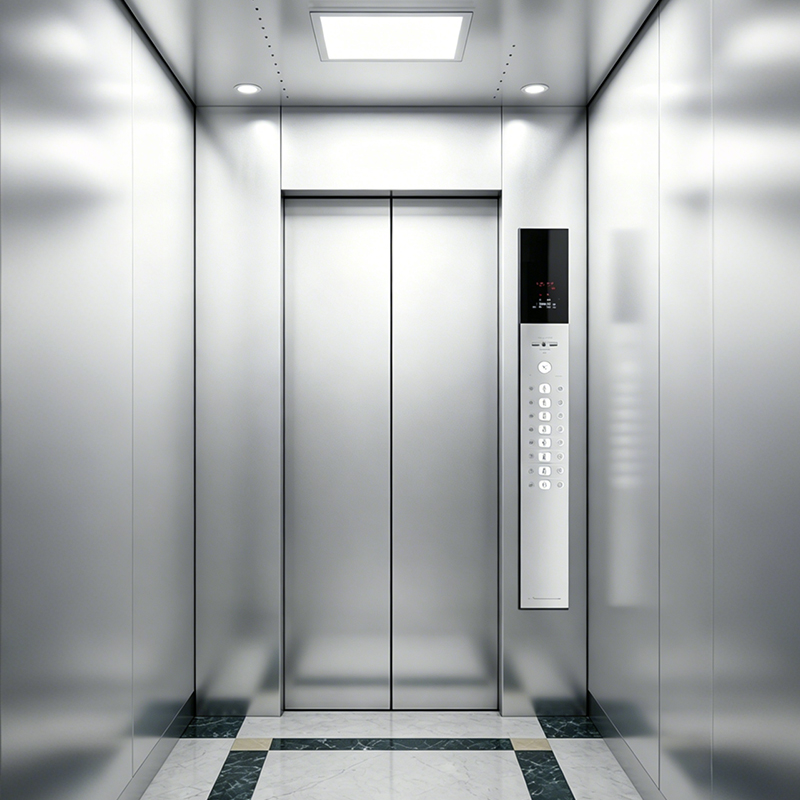
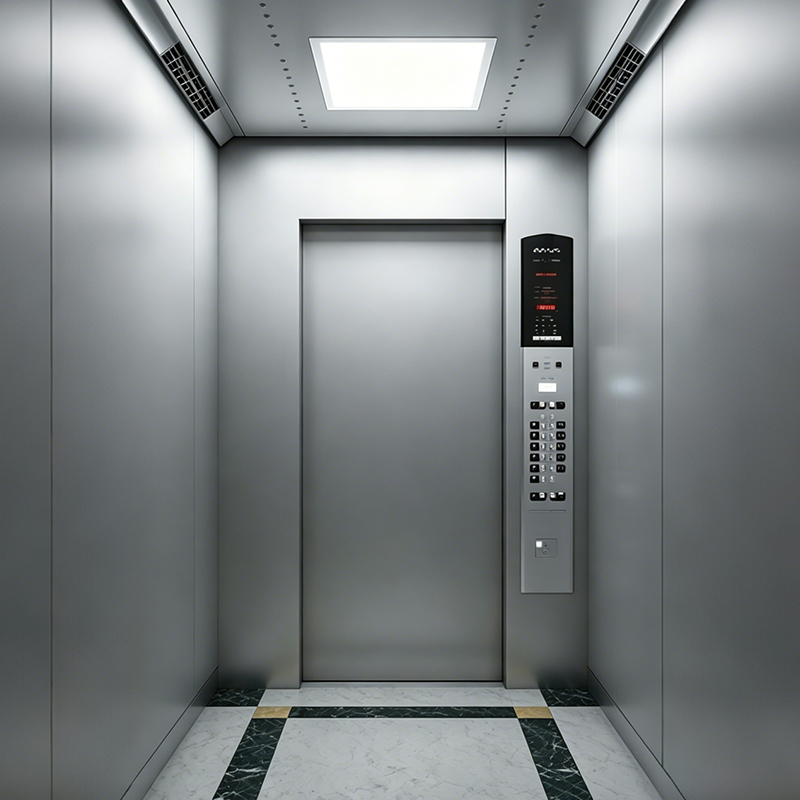
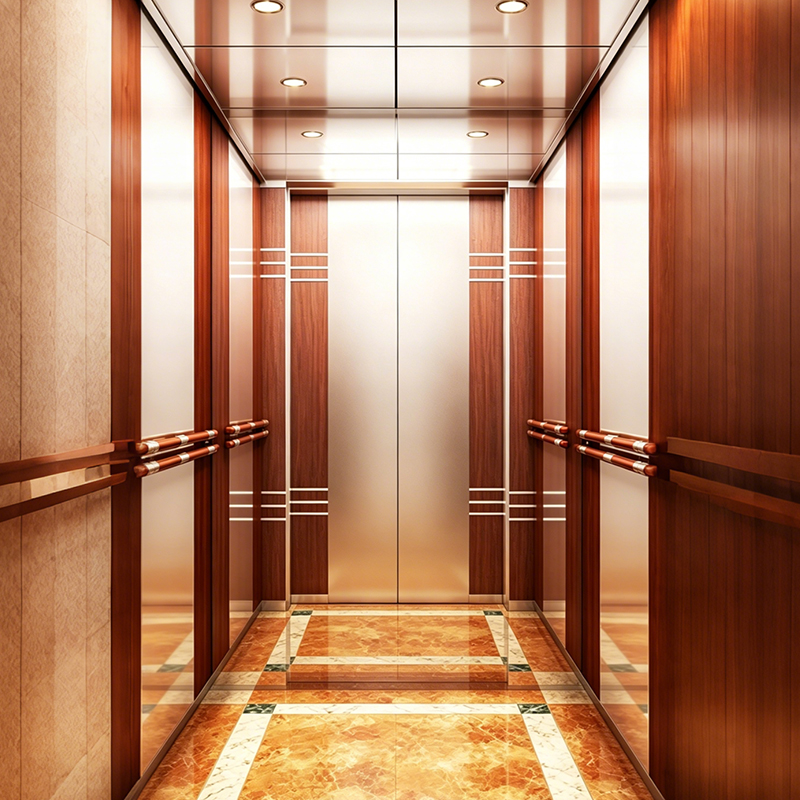



What Makes an Elevator Truly Safe
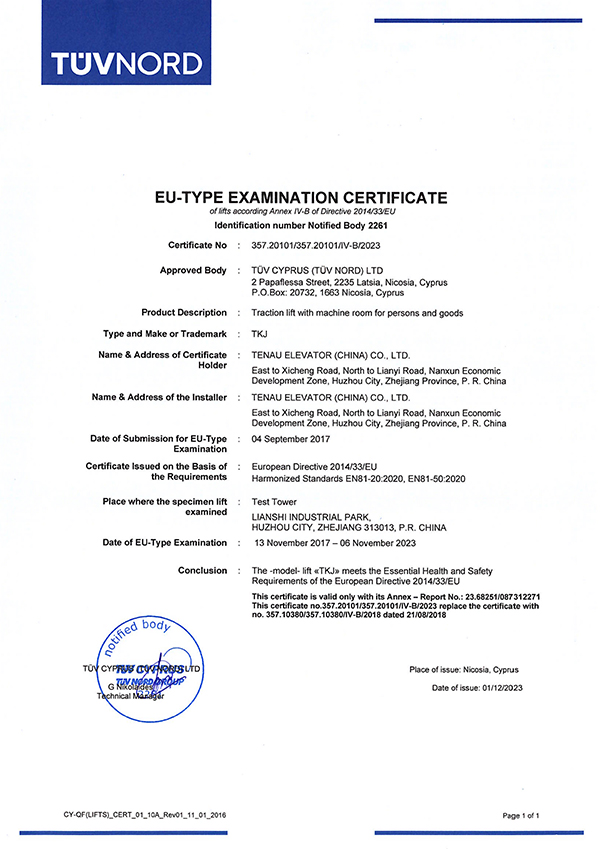
Passenger confidence in vertical transportation rests on layered redundancy rather than a single fail-safe component. A properly engineered Safe Elevator combines multiple independent systems: overspeed governors that mechanically trigger safety gears if the car exceeds rated speed, buffer systems at the pit that absorb impact in the rare event of an overtravel, and door interlocks that physically prevent car movement unless both car and landing doors are fully closed and locked. None of these systems depend on electronics alone — the mechanical backups are what allow an elevator to remain safe even during a power failure or control system fault.
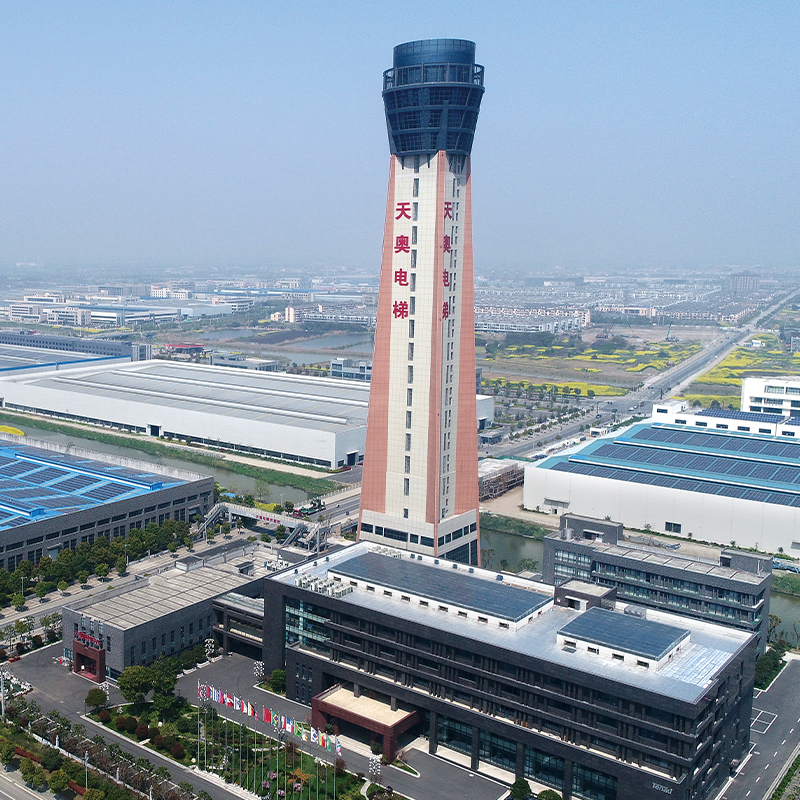
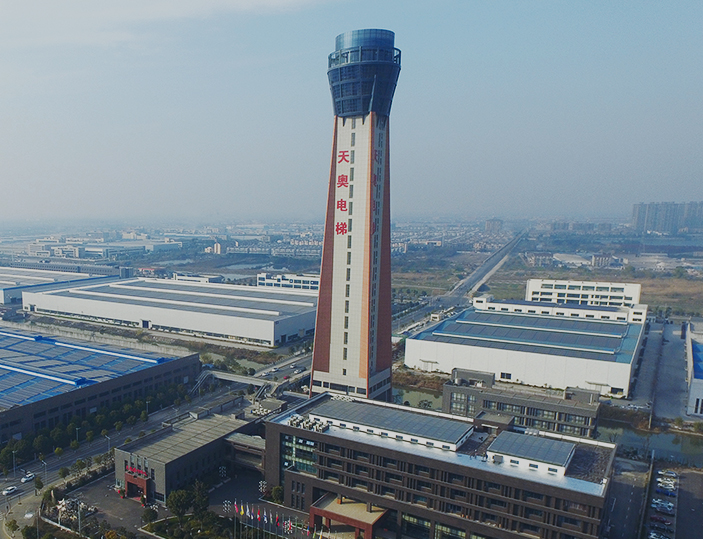
Modern safety design has also shifted toward continuous condition monitoring rather than relying solely on periodic manual inspection. Sensors tracking rope tension, brake wear, and vibration patterns can flag anomalies before they develop into failures, allowing maintenance teams to intervene predictively. Tenau Elevator builds this layered approach into every unit leaving its Nanxun facility, treating safety redundancy as a baseline specification rather than an optional upgrade.
How Elevators and Escalators Serve Different Traffic Patterns
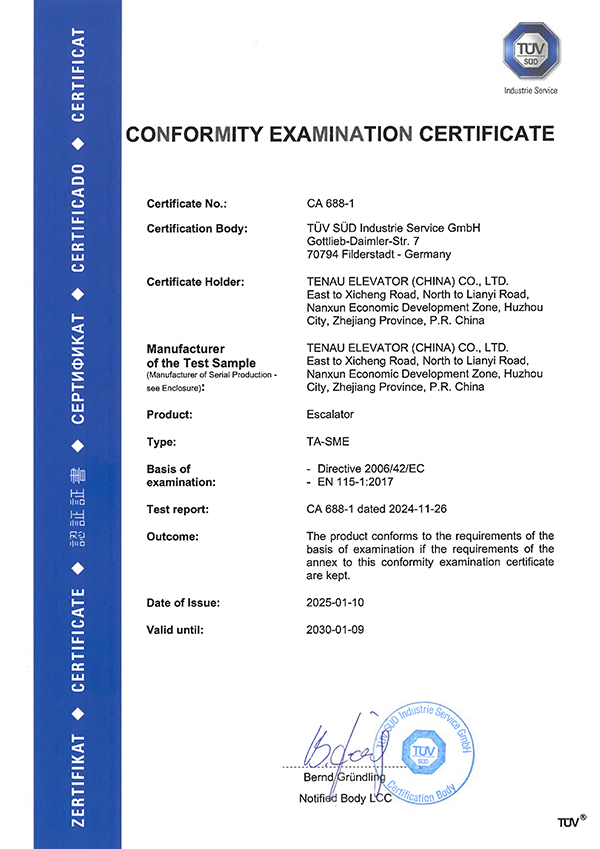
Building designers rarely choose between elevators and escalators — they combine both because each solves a different vertical transport problem. Escalators excel at moving continuous, high-volume foot traffic across a small number of floors, which is why they dominate shopping malls, transit stations, and airport terminals where passengers arrive in steady streams. Elevators, by contrast, are suited to point-to-point transport across many floors, particularly where accessibility, luggage, or freight movement is required. An efficient Elevator & Escalator combination allows a building to route foot traffic intelligently: escalators absorb the bulk of short-distance movement, while elevators are reserved for longer vertical runs and passengers who need step-free access.
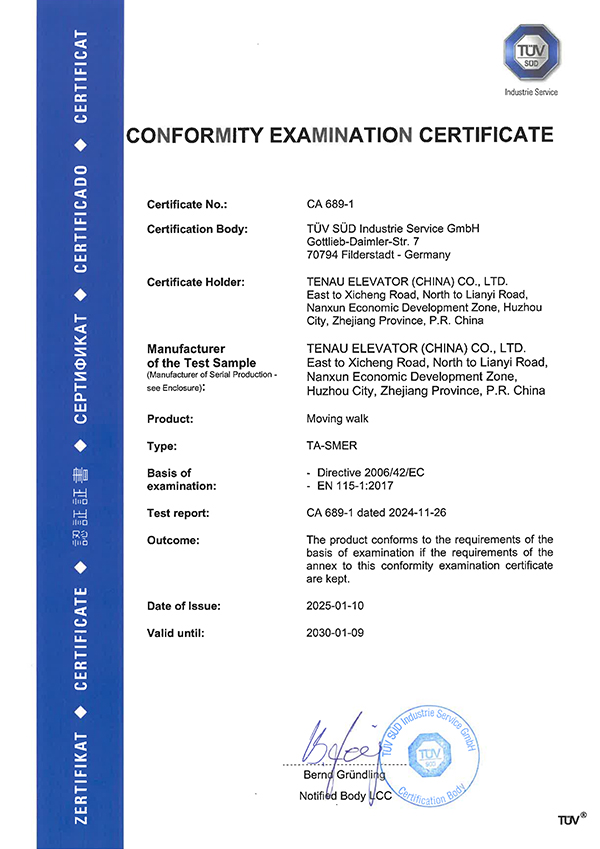
Moving walks, the third product family in this category, extend this logic horizontally rather than vertically, moving people efficiently across long flat distances such as airport concourses. Together, these three product types form a coordinated vertical and horizontal transport strategy, and in our experience at Tenau, buildings that plan all three together from the design stage achieve noticeably smoother crowd flow than those retrofitting one system after another.
Matching Elevator Speed to Building Type
Elevator speed is not simply a matter of passenger comfort — it directly affects a building's handling capacity and is selected based on building height and traffic density. Low and medium-speed elevators, generally under 2.5 m/s, suit residential buildings and low-rise commercial properties where trip distances are short and frequent stops are expected. High-speed elevators, typically 2.5–6 m/s, are engineered for mid-rise to high-rise office towers, where minimizing wait time across many floors becomes a measurable factor in building efficiency. Ultra-high-speed units, exceeding 6 m/s and sometimes reaching well beyond 10 m/s in supertall towers, require far more sophisticated pressure equalization systems in the car to prevent passenger ear discomfort during rapid ascent.
| Speed Class | Typical Range | Common Application |
|---|---|---|
| Low/Medium Speed | Under 2.5 m/s | Residential, low-rise buildings |
| High Speed | 2.5–6 m/s | Mid to high-rise office towers |
| Ultra-High Speed | Over 6 m/s | Supertall towers |
General elevator speed classifications and their typical building applications.
Why Certification Standards Matter Beyond Compliance
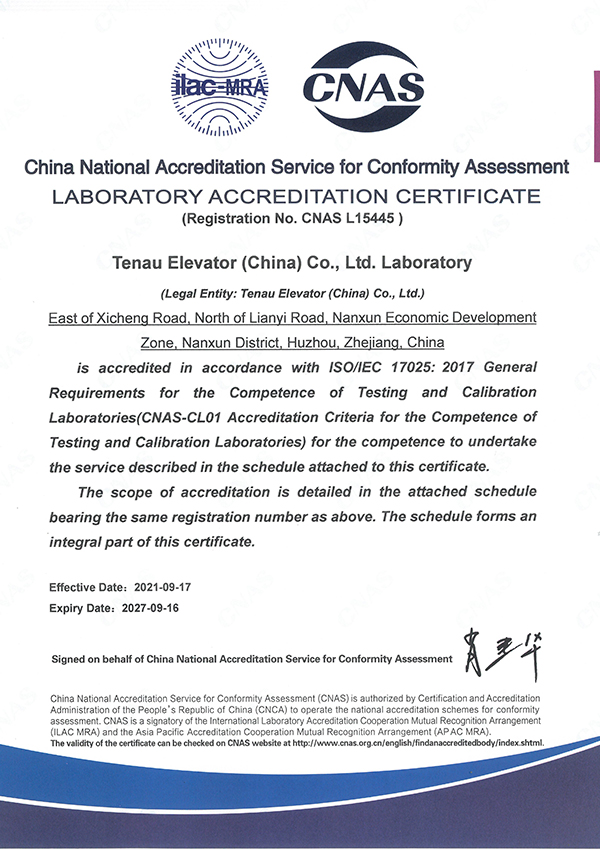
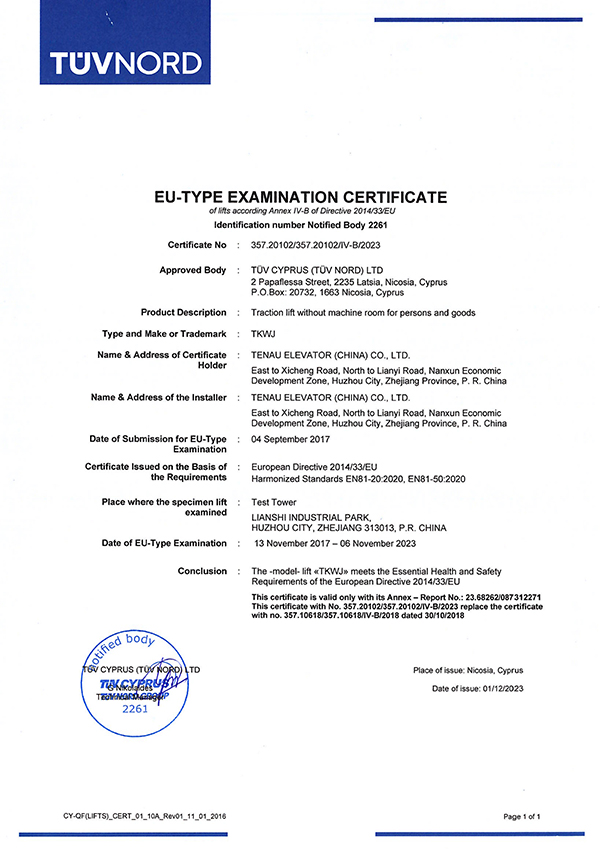
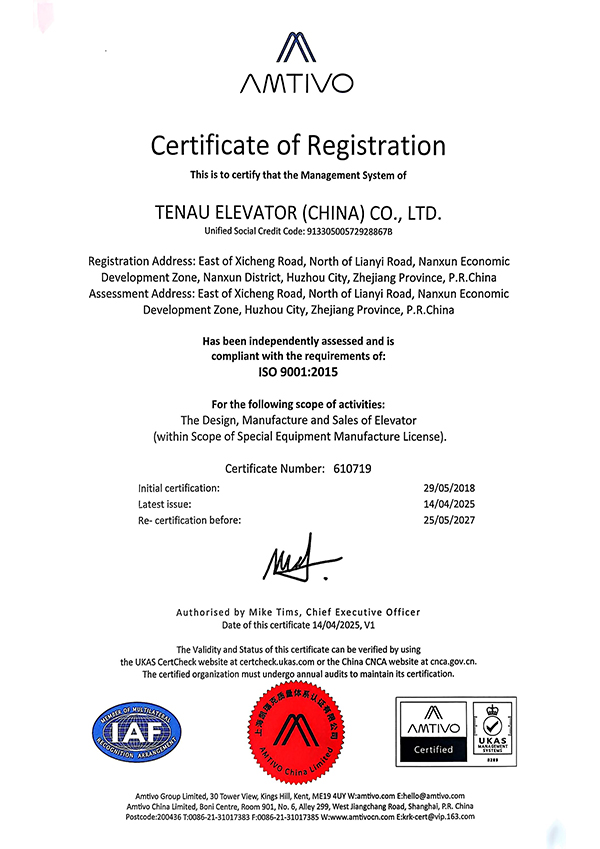
Certifications such as ISO9001, ISO14001, and OHSMS18001 are often treated as paperwork requirements, but they reflect operational discipline that directly affects product consistency. ISO9001 governs quality management across the manufacturing process, meaning components are held to repeatable tolerances rather than varying batch to batch. ISO14001 addresses environmental impact throughout production, from material sourcing to waste handling, while OHSMS18001 focuses on occupational health and safety within the manufacturing facility itself — a standard that indirectly benefits end customers, since a manufacturer with strong internal safety culture tends to carry that same rigor into product design.
For procurement teams evaluating elevator suppliers, these certifications offer a useful shortcut: they signal that a manufacturer's internal processes have been independently audited rather than self-reported. Tenau's adherence to all three standards reflects a manufacturing philosophy where safety and quality controls are built into the production system itself, not applied as a final inspection step before shipment.
 export@tenau.com.cn
 +86-18601458867
 +86-512-65059883