Tenau Elevator (China) Co., Ltd.

Machine Room Elevators Company

Home / Product / Machine Room Elevator

Machine Room Elevators Suppliers

  • Passenger Elevator

    Passenger Elevator

    Tenau passenger elevators with small machine room have improved their performance by reducing area o...

  • Panoramic elevator

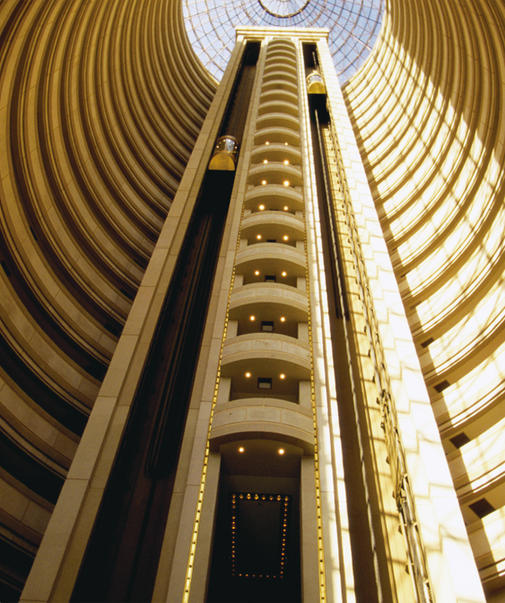
    Panoramic elevator

    Elegant structure with limitless scenic views Tenau sightseeing elevator adheres to the design prin...

  • Freight Elevator

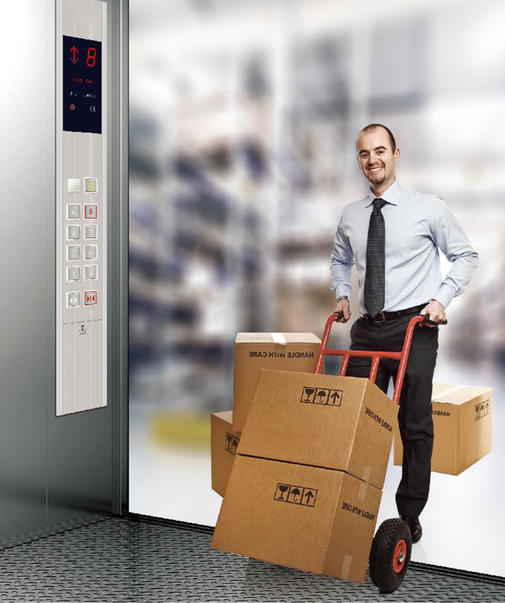
    Freight Elevator

    Considerate designing This elevator is specifically designed for the transportation of cargoes, wit...

  • Car Elevator

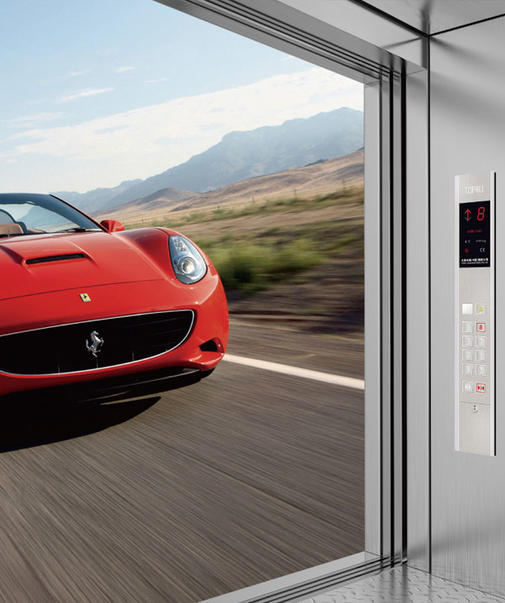
    Car Elevator

    In the modern city, there are more and more cars. To solve the difficulty of parking, TENAU uses its...

  • Hospital Elevator

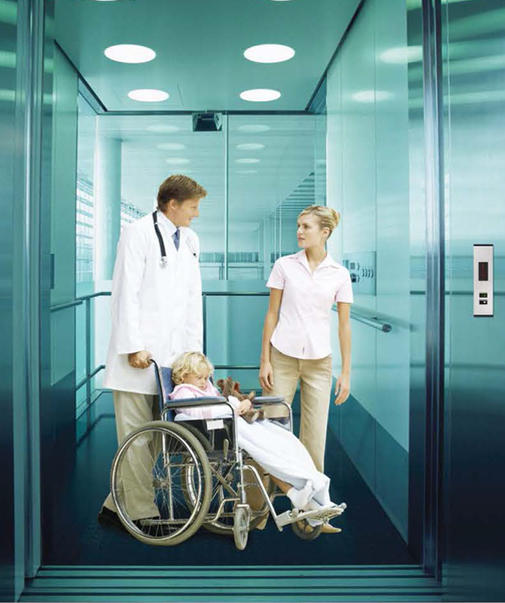
    Hospital Elevator

    High safety standard with sincere care Tenau high-quality medical elevator is developed on basis of...
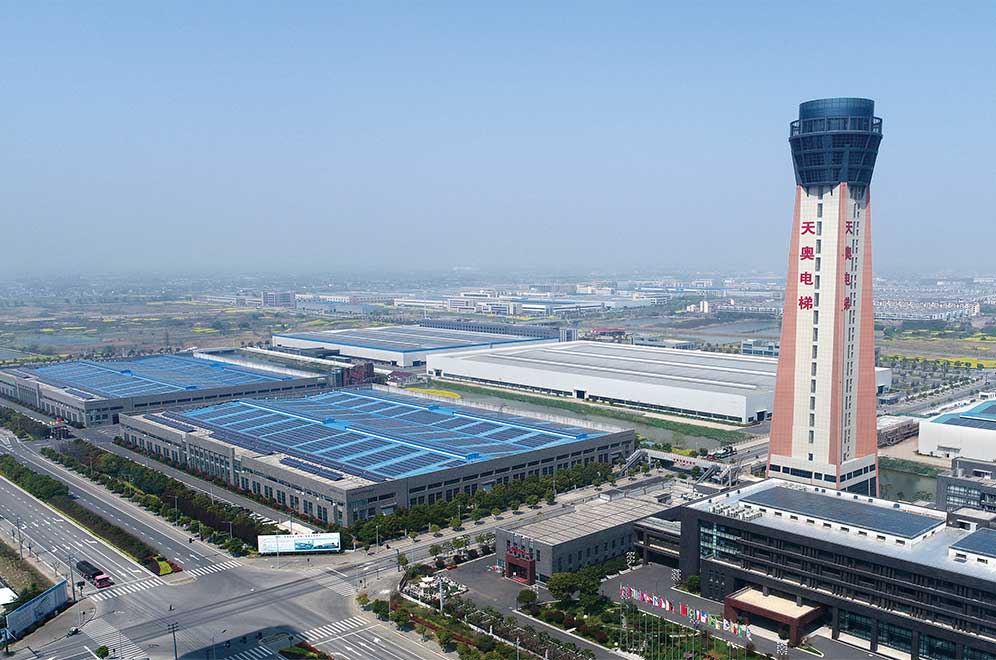
TENAU ELEVATOR (CHINA) CO., LTD.

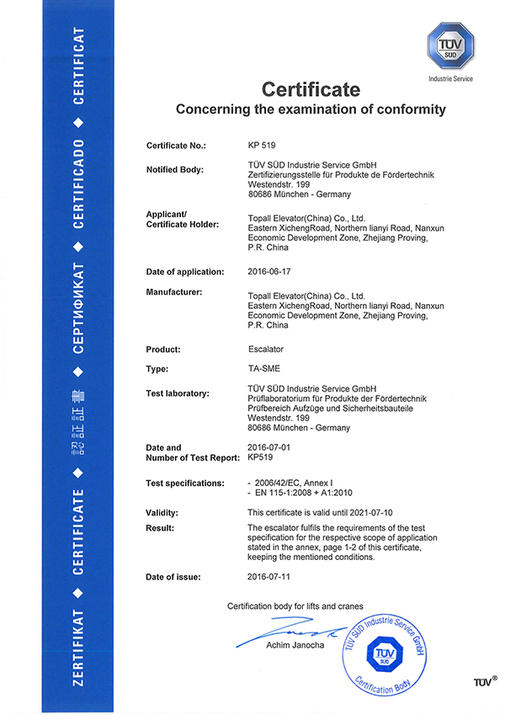
Tenau Elevator (China) Co., Ltd is a Machine Room Elevators Company and Machine Room Elevators Suppliers, as a professional China Machine Room Elevator manufacturing enterprise, Our aim is to provide the market and the customers with customized solutions,we was born for the international market, originated from Germany, and has been deep in the market of many countries. It has owned amount of certificates such as Russian EAC, Korean KC, Australian AS1735,our lift company has its own world-leading R & D technology to manufacture the core component, such as Traction Machine, Automatic Door Operator, Control System, Lift Car, etc,For any new lift of the customers,we will communicate with customers professionally,listen to the views of customers and give useful suggestions for developing the Machine Room Elevator.

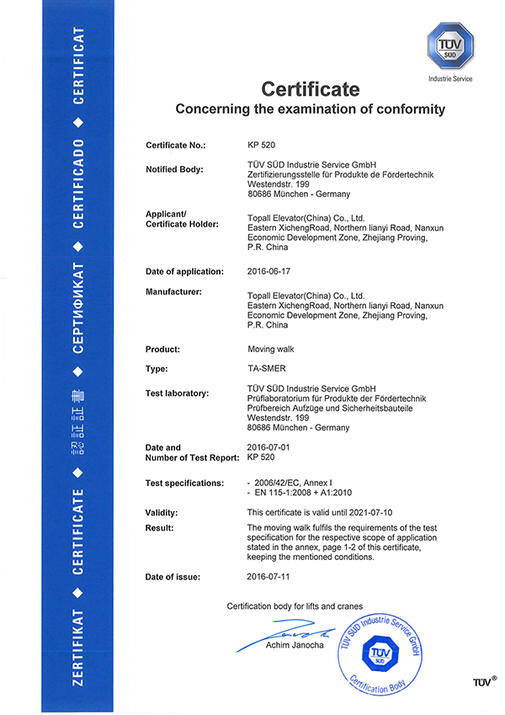
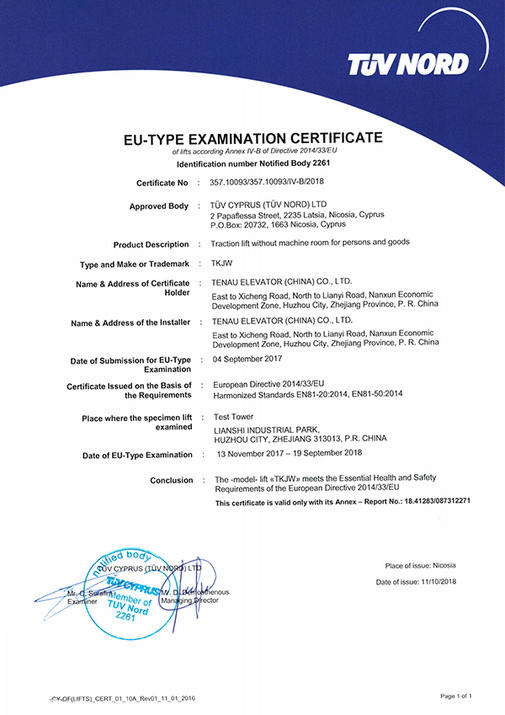
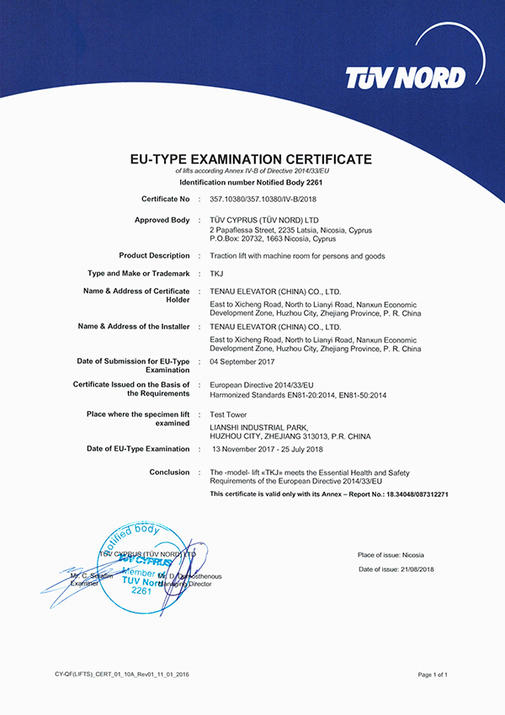
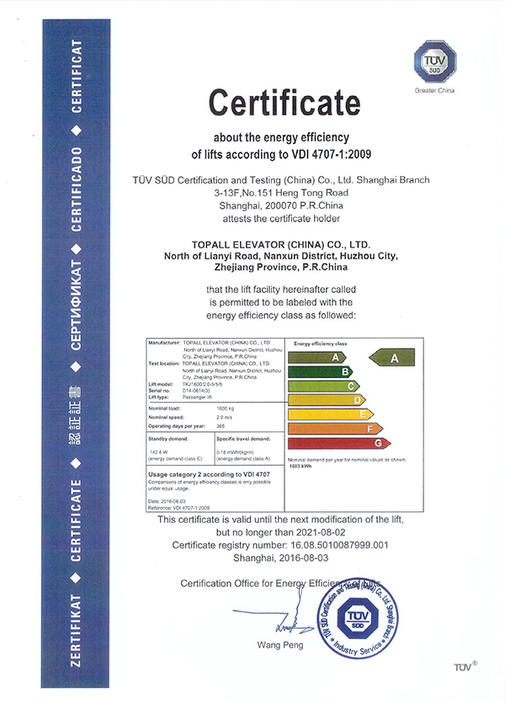
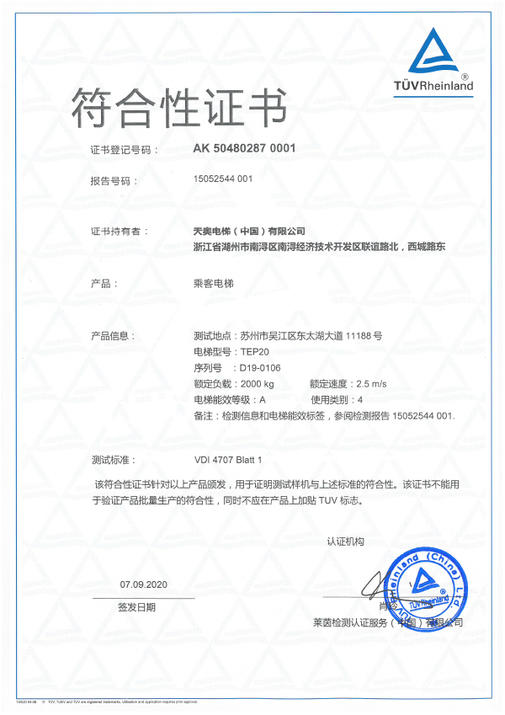
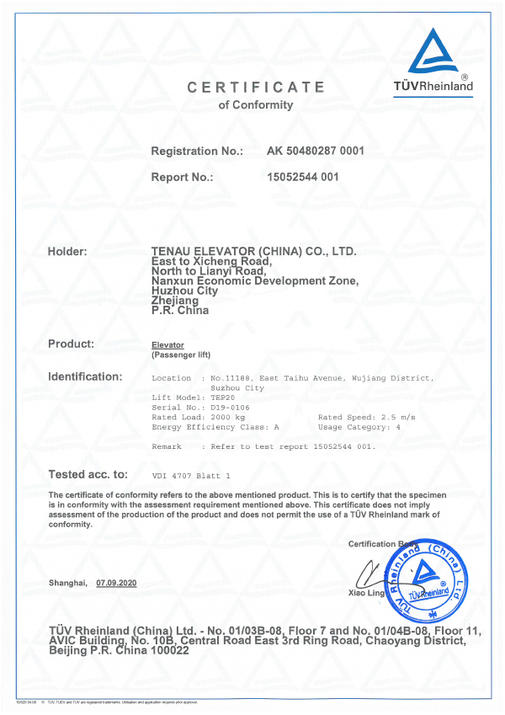
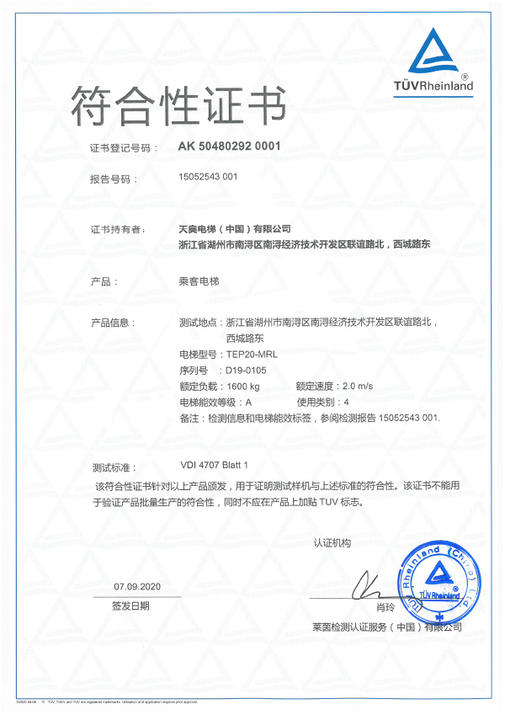
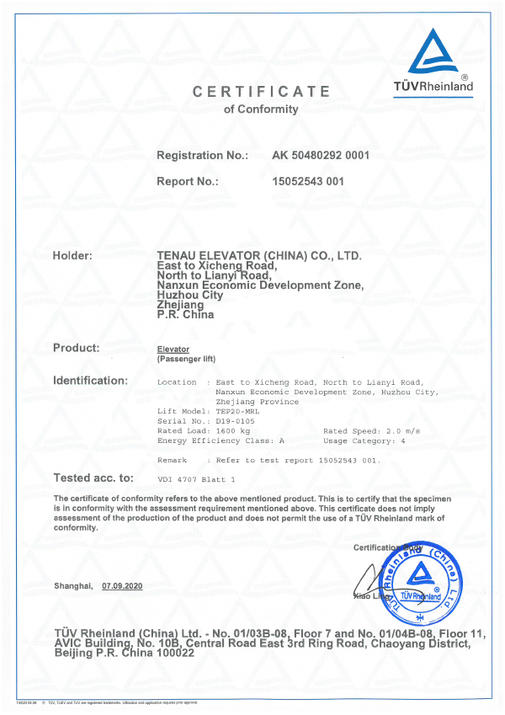
Certifications
Latest News

What are the Key Components of a Patient Lift Elevator?

Introduction In healthcare facilities, ensuring the safety and comfort of patients is of paramount importance. Patient lift elevators play a critical role in this regard by providi...

How Do Underground Garage Lifts Function During Power Outages?

Underground garage lifts, a common solution for parking in urban areas with space constraints, offer significant benefits in terms of space utilization, vehicle accessibility, and ...

How Do Panoramic Glass Lifts Differ from Traditional Lifts in Terms of Design and Performance?

The elevator industry has undergone significant transformation over the years, especially with the advent of panoramic glass lifts. These innovative systems provide more than just ...

What Are The Common Failure Modes Of An Underground Garage Lift?

The underground garage lift has become an essential component in modern urban parking facilities, enabling efficient use of vertical space while ensuring the safe handling of vehic...

How Do I Choose Between Hydraulic And Traction Panoramic Glass Elevators?

The selection of a panoramic glass elevator is a significant decision in both residential and commercial architecture, as it directly impacts aesthetics, functionality, and operati...

What Are The Common Failure Modes Of Home Cargo Elevators?

The home cargo elevator has become an essential solution for modern residential and commercial settings, providing an efficient means of transporting goods, groceries, and other ca...

How Does A Warehouse Cargo Elevator Compare To Hydraulic Lifts?

In modern industrial and logistics facilities, vertical material handling plays a critical role in optimizing warehouse operations. Among the most widely utilized solutions are the...

What are common failure risks associated with a Healthcare Lift System?

Introduction A healthcare lift system plays a critical role in patient handling, mobility support, and caregiver safety. These systems are widely used in hospitals, nursing homes, ...

Industry knowledge about this item

Machine room elevators are a type of elevator that requires a separate machine room to house the elevator's mechanical and electrical equipment. The machine room is typically located on the roof or near the top of the building, and the elevator shaft extends down from the machine room to the various floors of the building.
In a machine room elevator system, the hoisting machinery, motor, and control equipment are housed in the machine room, while the elevator car and counterweight are located in the elevator shaft. The elevator's cables run from the machine room to the car and counterweight, allowing the car to be raised and lowered.
Machine room elevators are typically used in larger buildings, such as high-rise buildings, hotels, and office buildings, where the necessary space for a machine room is available. They are also commonly used in older buildings where a machine room was originally designed and built into the structure.
Machine room elevators are known for their reliability and durability, and they typically require less maintenance than other types of elevators. They are also more customizable than other types of elevators, allowing for a wider range of design options and features.

Advantages of machine room elevators:

High-speed operation: Machine room elevators can operate at high speeds, making them suitable for tall buildings with many floors.
High load capacity: Machine room elevators have high load capacities, making them suitable for heavy loads and large groups of people.
Energy efficiency: Machine room elevators use less energy compared to hydraulic elevators, making them more environmentally friendly and cost-effective to operate.
Reliability: Machine room elevators are known for their reliability and durability, making them a good choice for buildings with high traffic.
Customizable: Machine room elevators can be customized to meet the specific needs of a building, such as different door configurations, floor finishes, and control systems.
Safety: Machine room elevators are equipped with safety features such as emergency brakes, automatic doors, and intercom systems to ensure the safety of passengers.
Low maintenance: Machine room elevators require less maintenance compared to hydraulic elevators, making them a cost-effective choice for building owners.

The basic components of a machine room elevator:

Hoisting machinery: This is the mechanism that raises and lowers the elevator car. It typically consists of a motor, a gear system, and a cable drum. The motor provides the power to turn the cable drum, which winds and unwinds the cables that support the elevator car.
Control equipment: This is the system that controls the operation of the elevator. It typically consists of electrical switches, relays, and controllers that receive signals from the call buttons, floor indicators, and other devices. The control equipment sends signals to the hoisting machinery to control the movement of the elevator car.
Elevator car: This is the compartment that carries passengers and cargo between floors. The elevator car is suspended from the hoisting machinery by cables and is guided in its movement by rails in the elevator shaft.
Counterweight: This is a heavy weight that is attached to the opposite end of the cables from the elevator car. The counterweight helps to balance the weight of the elevator car and reduces the amount of power required to move it.
When a person presses a call button to request an elevator, the control equipment sends a signal to the hoisting machinery to move the elevator car to the requested floor. The hoisting machinery raises or lowers the elevator car by winding or unwinding the cables, and the control equipment regulates the speed and position of the car to ensure a smooth and safe ride.
The machine room houses the hoisting machinery, control equipment, and other mechanical and electrical components that are required to operate the elevator. This separate room provides a convenient location for maintenance and repair, and it helps to reduce the noise and vibration in the elevator shaft.

next page

Project

click to enter
3D PANORAMA

Contact Us

*We respect your confidentiality and all information are protected.