

 en
en Español
 русский
 中文简体
中文简体
Industry News
How Do Panoramic Glass Lifts Differ from Traditional Lifts in Terms of Design and Performance?
The elevator industry has undergone significant transformation over the years, especially with the advent of panoramic glass lifts. These innovative systems provide more than just vertical transportation—they introduce aesthetic value, enhance user experience, and contribute to energy efficiency in modern architecture. However, when comparing panoramic glass lifts to traditional lifts, there are several aspects of design and performance that distinguish them.
Introduction
In modern high-rise buildings, the choice of elevator system can significantly impact both the building’s functionality and its aesthetic appeal. Traditional lifts, designed primarily for efficient transportation, have been the standard for decades. However, panoramic glass lifts, with their transparent enclosures, are rapidly becoming popular due to their unique design and enhanced user experience. These lifts not only serve the practical purpose of transporting individuals but also create a visually stimulating experience for passengers by providing expansive views of the surroundings.
1. Design Differences
1.1 Aesthetic Appeal and Space Utilization
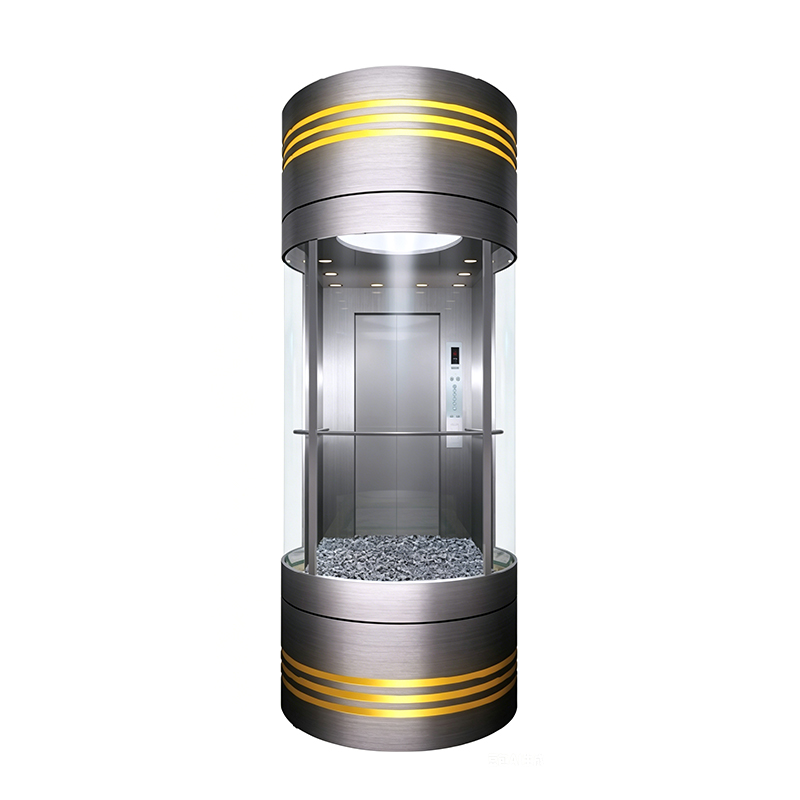
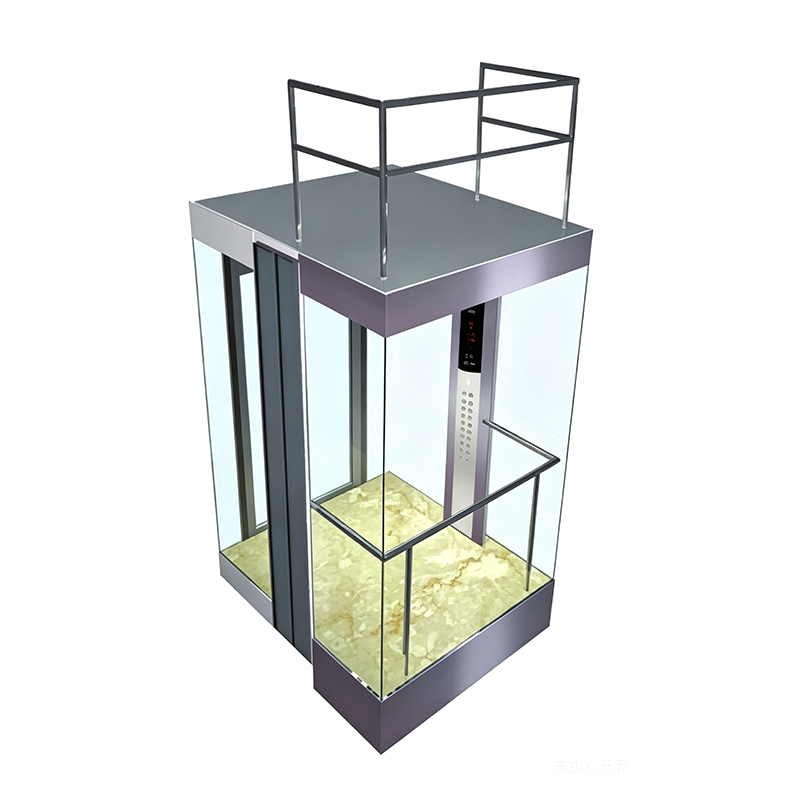
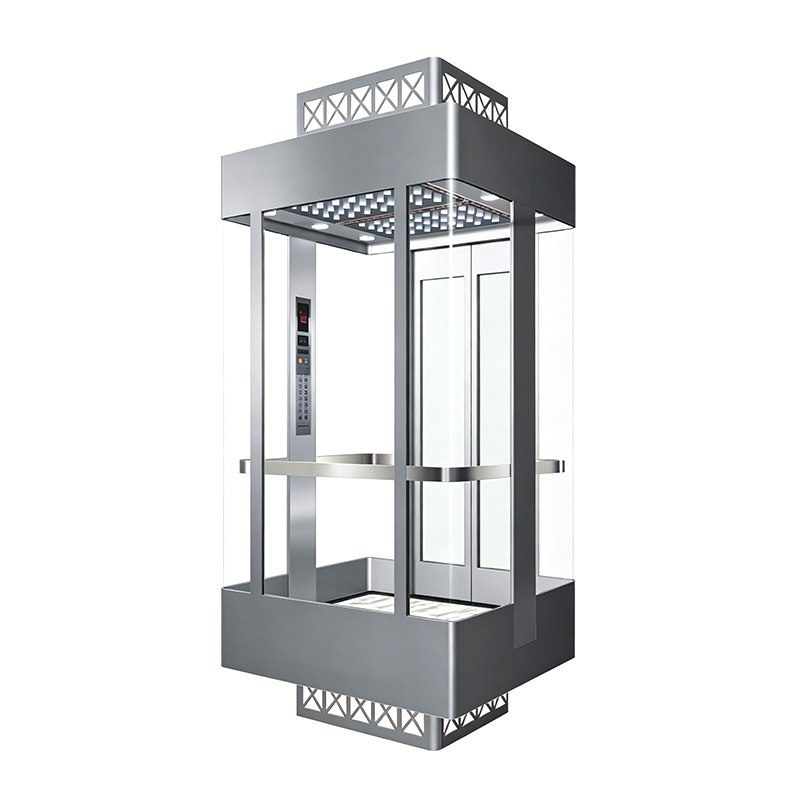
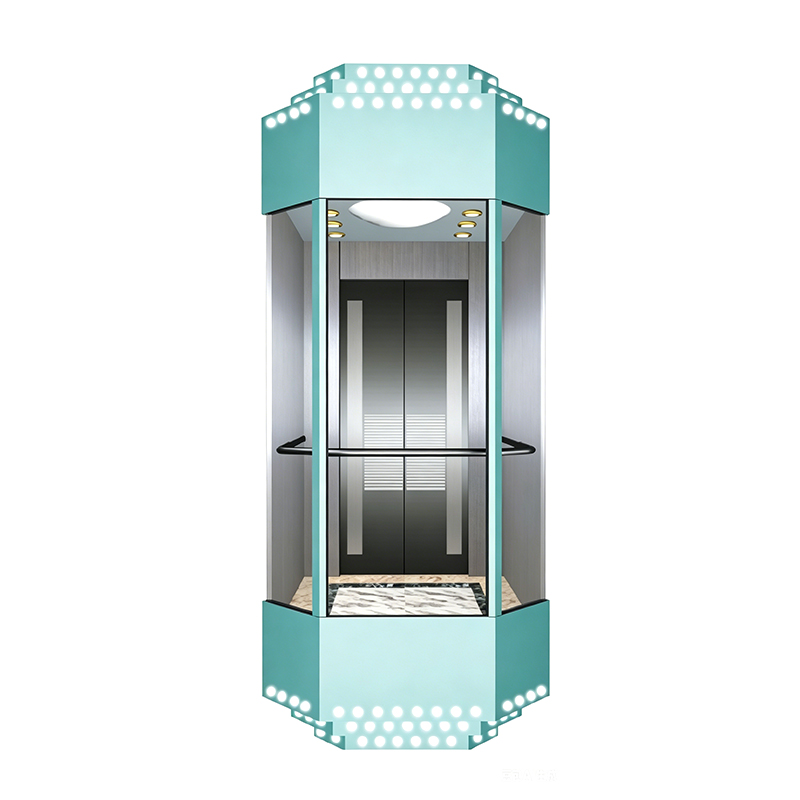
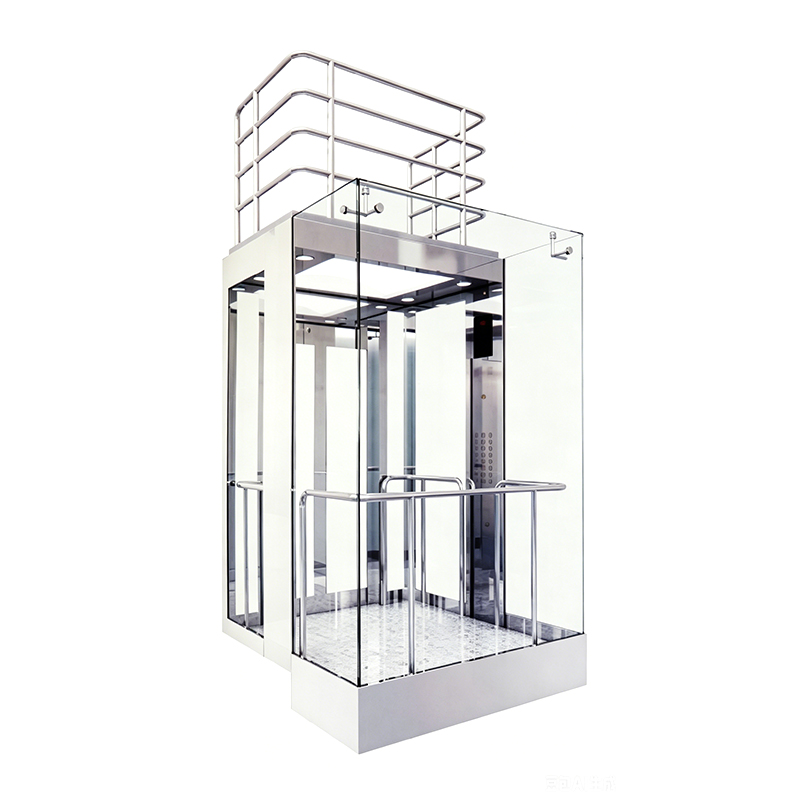
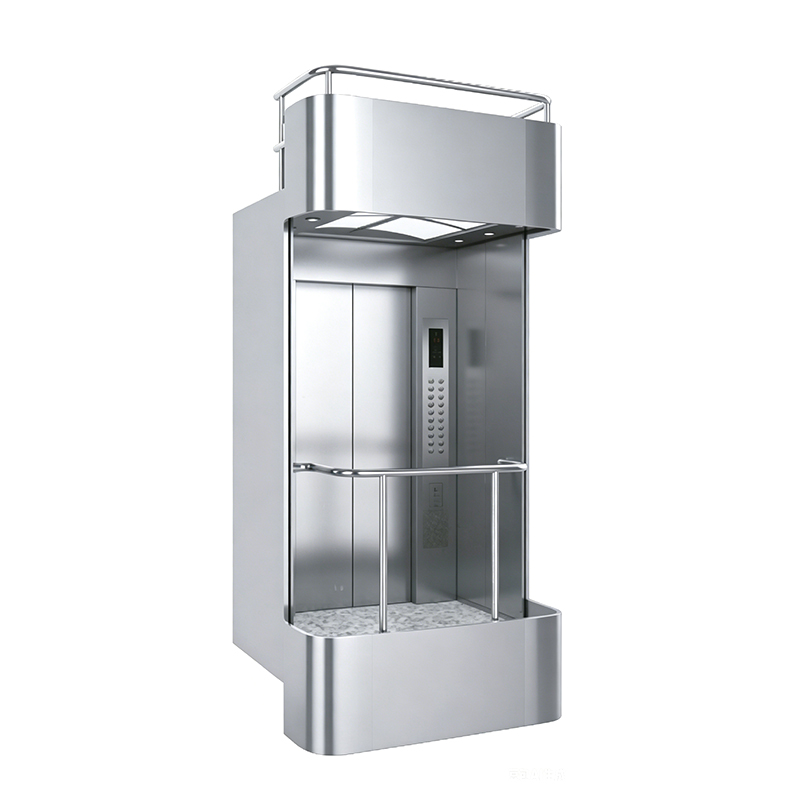
The primary design difference between panoramic glass lifts and traditional lifts is the visibility provided by the glass panels. Panoramic glass lifts are designed with transparent walls, often made of toughened or laminated glass, allowing passengers to enjoy an unobstructed view of the surrounding area. This design element creates a visually engaging experience, which is especially appreciated in high-rise buildings with scenic views.
In contrast, traditional lifts typically feature enclosed walls made of metal or other opaque materials. While these designs prioritize functionality and space efficiency, they lack the visual appeal of a panoramic lift.
1.2 Structural Considerations
The design of panoramic glass lifts requires careful structural planning to ensure the safety and stability of the glass panels. Engineers must account for factors such as wind loads, seismic activity, and the weight of the glass itself. Glass lifts often use stainless steel frames and reinforced glass to maintain structural integrity.
On the other hand, traditional lifts rely on more conventional materials like steel or aluminum for their construction, which are easier to work with in terms of weight distribution and load-bearing capacity. The absence of transparent materials simplifies the structural design process and reduces the complexities associated with glass engineering.
1.3 Integration with Building Architecture
Panoramic glass lifts are often integrated into the architectural design of the building as a statement piece. These lifts can be installed in locations where they are visible from multiple levels, such as atriums or lobbies, and they contribute to the building’s overall aesthetic theme. Traditional lifts, in contrast, are usually hidden away in designated shafts or service cores, contributing less to the building’s visual appeal.
2. Performance Differences
2.1 Speed and Capacity
In terms of operational performance, both panoramic glass lifts and traditional lifts can be designed to handle varying speeds and capacities. However, due to the use of glass and its potential weight limitations, panoramic lifts are often designed for smaller capacities and slightly slower speeds. This is to ensure that the glass panels are adequately supported while maintaining a smooth ride.
Traditional lifts, by contrast, can typically be engineered for larger capacities and higher speeds due to the structural flexibility offered by their materials. This makes them a more practical solution for buildings with high foot traffic or those requiring faster transportation.
2.2 Energy Efficiency
Energy efficiency is a critical aspect of modern elevator systems. Both panoramic glass lifts and traditional lifts can be designed with energy-saving features such as regenerative drives or LED lighting. However, the design of panoramic glass lifts can impact energy consumption, as the transparency of the glass allows heat to escape more readily. In colder climates, this may require additional insulation or heating elements to maintain a comfortable temperature within the lift cabin.
Traditional lifts, with their more enclosed cabins, tend to retain heat more effectively, which can reduce the need for additional heating or cooling systems. While both types of lifts can be energy-efficient, the specific materials and design choices in panoramic glass lifts may necessitate additional considerations for thermal management.
2.3 Noise Levels
Due to the use of glass panels, panoramic glass lifts may experience higher noise levels compared to traditional lifts, especially when traveling at high speeds. The resonance of glass can amplify noise, which may affect the passenger experience. Traditional lifts, with their solid walls and materials, typically provide a quieter ride.
However, advances in technology and noise-dampening materials are helping to mitigate these issues in modern panoramic glass lifts. Special coatings or treatments for the glass panels can reduce vibrations, ensuring a smoother and quieter ride.
3. Safety and Maintenance Considerations
3.1 Safety Features
Safety is a top priority in both panoramic glass lifts and traditional lifts. Panoramic glass lifts are equipped with multiple safety features to ensure the integrity of the glass panels and the safety of passengers. These include reinforced glass, emergency braking systems, and load sensors. The visibility of the glass can also contribute to a sense of openness and reduce claustrophobia, which enhances passenger comfort and psychological safety.
Traditional lifts, while also equipped with standard safety measures such as emergency stop buttons, door sensors, and overload protection, lack the transparency that panoramic glass lifts provide. This can make them less engaging for passengers, but equally safe in terms of functionality.
3.2 Maintenance Requirements
Panoramic glass lifts typically require more maintenance than traditional lifts due to the need for regular cleaning of the glass panels and the potential for glass damage. The exposure to environmental elements like wind, rain, and pollution can cause the glass to accumulate dirt and grime, which can affect the lift’s aesthetics and functionality.
Traditional lifts, being enclosed, are less susceptible to external factors and typically require less frequent cleaning and maintenance. However, the mechanical components in traditional lifts, such as cables and pulleys, still require regular inspection and upkeep.
4. Cost Implications
The installation cost of a panoramic glass lift tends to be higher than that of a traditional lift due to the complexity of the design, the use of specialized materials like glass, and the additional engineering required to ensure structural stability. The cost of maintenance for panoramic glass lifts may also be higher, particularly in buildings located in areas with harsh weather conditions.
Traditional lifts, being more conventional in design, are typically less expensive to install and maintain. However, the cost of installation and operation can vary depending on factors such as speed, capacity, and energy efficiency.
Conclusion
Panoramic glass lifts represent a significant departure from traditional lift designs, offering aesthetic, functional, and performance benefits. While they can contribute to a building’s visual appeal and provide a unique passenger experience, they also come with specific design challenges and operational considerations, such as structural integrity, energy efficiency, and maintenance needs.
In contrast, traditional lifts offer more straightforward functionality and cost-effectiveness, especially in high-traffic buildings or those with demanding transportation needs. Ultimately, the choice between a panoramic glass lift and a traditional lift depends on the specific requirements of the building and its occupants.
FAQ
1. Are panoramic glass lifts more expensive than traditional lifts?
Yes, panoramic glass lifts tend to have a higher initial installation cost due to the use of specialized materials like glass and the more complex engineering involved.
2. Can panoramic glass lifts be used in high-rise buildings?
Yes, panoramic glass lifts are ideal for high-rise buildings, offering both functionality and aesthetic value. However, they require careful structural planning to accommodate the weight of the glass and ensure stability.
3. Do panoramic glass lifts require more maintenance than traditional lifts?
Yes, panoramic glass lifts typically require more frequent maintenance, particularly in terms of cleaning the glass panels and inspecting the structural components.
4. Are panoramic glass lifts energy-efficient?
While panoramic glass lifts can be energy-efficient, their transparent design may result in higher energy consumption compared to traditional lifts, especially in colder climates.
References
- “Design and Engineering Considerations for Elevators in High-Rise Buildings.” International Journal of Structural Engineering, 2021.
- “Advancements in Lift Technology: The Rise of Glass Elevators.” Elevator and Escalator Journal, 2020.
- “A Comprehensive Guide to Lift System Selection.” Building Engineering Review, 2019.
Related Products
Related News
Built on safety, forging trust in vertical mobility.
lf you have any questions or need help, feel free to contact with our team.
 export@tenau.com.cn
 +86-18601458867
 +86-512-65059883
Elevator & Escalator
Factory Add
East of Xicheng Road, North of Lianyi Road, Nanxun Economic Development Zone, Nanxun District, Huzhou City, Zhejiang Province, P.R.China
Copyright © Tenau Elevator (China) Co., Ltd. All Rightd Reserved.
Custom High Quality Elevator Suppliers and World Brand Elevator Company