
TENAU Smart Elevator
Elevator system forming the core vertical transportation network of a hospital, encompassing patient, visitor, and service lifts under a coordinated traffic management system.
- Integrated Traffic Flow
- Segregated Passenger Types
- Emergency System Integration
Related Products

Passenger Elevator
Tenau passenger elevators with small machine room have improved their performance by reducing area o...
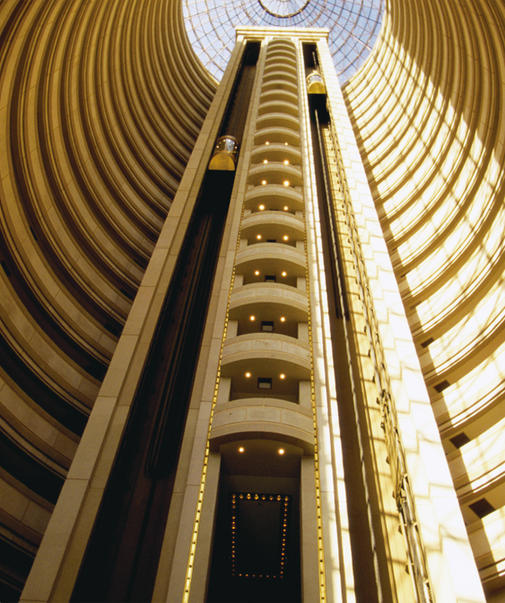
Panoramic elevator
Elegant structure with limitless scenic views Tenau sightseeing elevator adheres to the design prin...
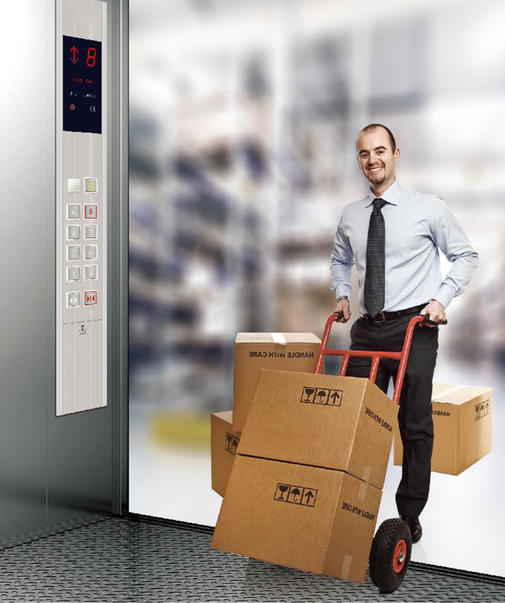
Freight Elevator
Considerate designing This elevator is specifically designed for the transportation of cargoes, wit...
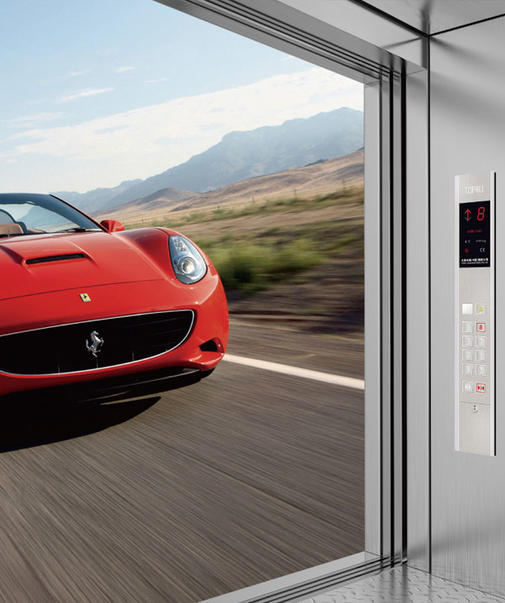
Car Elevator
In the modern city, there are more and more cars. To solve the difficulty of parking, TENAU uses its...
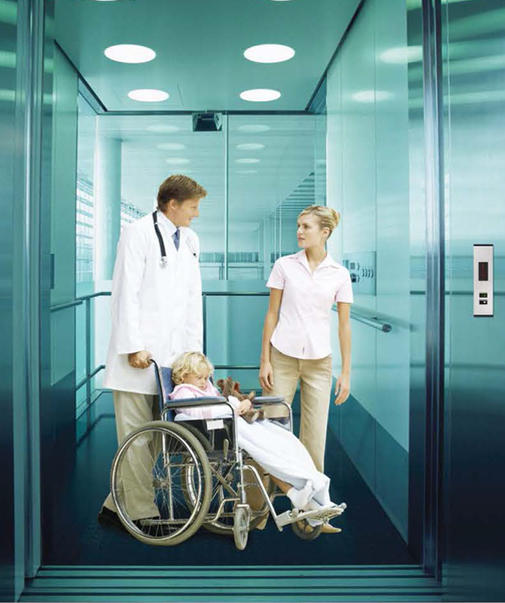
Hospital Elevator
High safety standard with sincere care Tenau high-quality medical elevator is developed on basis of...

Home Elevator
Let’s construct a happy and harmonious life!Machine roomless intensive design, "electric home applia...
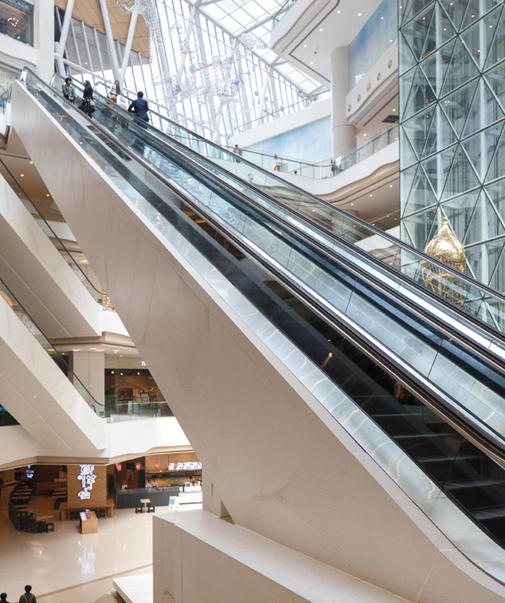
Escalator Summary
Urban flavor, charm scene TENAU serial escalators fully apply novel materials and advanced domestic...
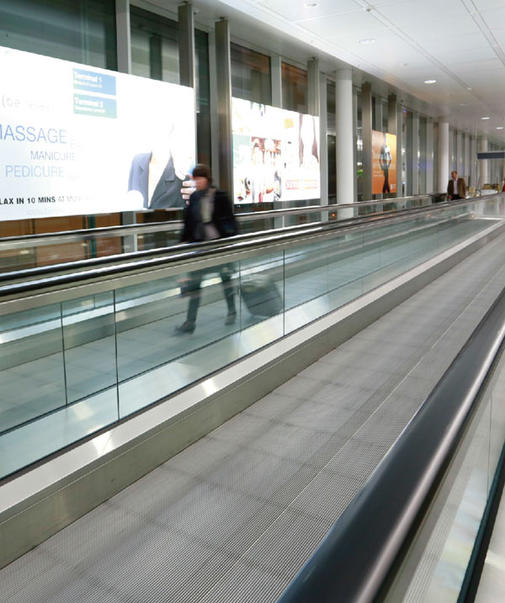
Moving Walk Summary
As easy as in smooth ground, the everlasting popular design & qualityTENAU moving walk elevates ...
Product Overview
Intelligent customization redefines vertical transportation
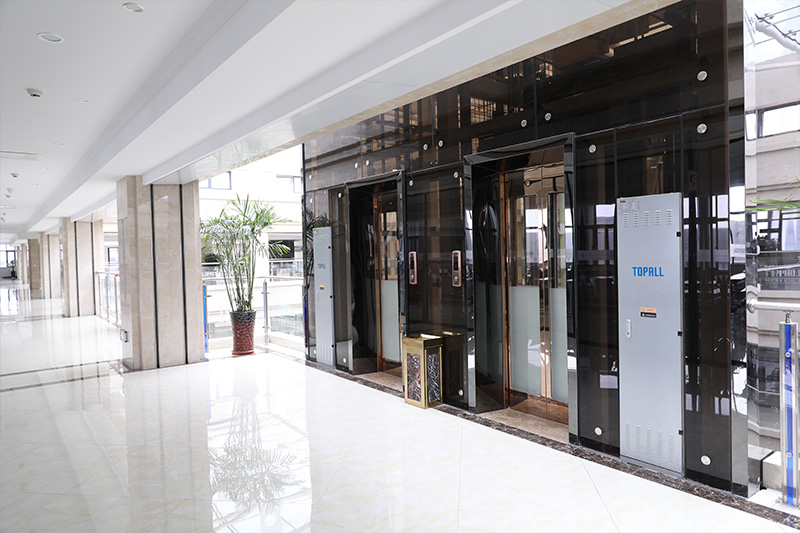
The term "Hospital Building Elevator" refers to the entire vertical conveyance strategy within a medical complex. A modern hospital utilizes three distinct types of elevators: Patient/Bed Lifts (large, smooth, for clinical use), Public/Visitor Lifts (standard passenger lifts, often separated from patient flow), and Service Lifts (heavy-duty, for logistics). The critical design element is the central control system, which manages the traffic flow and prioritizes calls based on urgency (e.g., HES), traffic type, and time of day.
In major hospital construction, the elevators are typically grouped into zones: one bank serving the lower, high-traffic floors (e.g., lobby, clinics, ER), and another bank serving the upper, slower-traffic inpatient floors (e.g., wards, administration). This strategy ensures that high-priority patient movement is not delayed by routine visitor or staff traffic. All systems are interconnected with the building's fire, security, and emergency power systems, ensuring a coordinated response during any critical incident.
Basic Product Parameters
Diverse options to meet the needs of different families
| Elevator Banks | Minimum Three (Patient, Visitor, Service) |
| Control System | Group Supervisory Control with Emergency Priority |
| Travel Distance | Often High-Rise (Traction Required) |
| Motor Type | Gearless MRL (Energy Efficiency and Precision) |
| Car Protection | IP-Rated (For high-pressure cleaning) |
| Speed Range | 0.5 m/s to 5.0 m/s (Varies by function/height) |
Product Advantages
Why choose Tenau elevators?
Streamlines Visitor and Patient Access
By physically and functionally separating visitor traffic from patient movement, the system maintains patient privacy and ensures clinical efficiency.
Guaranteed Functionality in Emergencies
Integrated emergency power and fire recall features ensure that critical lifts remain operational for evacuation or emergency medical procedures.
Product Features
Innovative technology, superior experience
- Integrated Wayfinding: Elevator lobbies and car panels often feature digital screens displaying directions, clinic hours, and real-time floor information to assist visitors.
- Car Diagnostic Systems: Continuous data logging and real-time fault reporting allow maintenance teams to proactively fix issues before the elevator fails.
- Fire/Smoke Recall: Automatic recall to a designated floor (usually the ground or an evacuation level) upon detection of smoke or fire, bypassing all other calls.
Product Comparison
| Characteristic | Hospital Elevator Traffic Management | Standard Office Building Traffic Management |
| Priority Calls | Medical Emergency (HES) and Fire are highest priority | Executive override or Fire are highest priority |
| Car Size Driver | Accommodating Hospital Beds/Gurneys | Accommodating peak passenger density |
| Load Factor | Weight and Volume of Equipment is critical | Focus on passenger count and weight |
| Design Goal | Zero downtime for critical lifts | Optimizing passenger waiting time |
| Environment | Strict hygiene and low noise required | Aesthetics and speed are primary factors |
Installation Process
Standardized installation, efficient and worry-free
1. Site Inspection (1-3 days)
Professional engineers will visit your site to measure and assess the building structure and power supply conditions, and provide feasibility analysis and preliminary solutions.
2. Solution Design (3-5 days)
We offer customized design solutions based on client needs, including elevator specifications, interior design style, and installation location, and provide 3D renderings.
3. Shaft Preparation Guidance
Provide detailed shaft construction drawings and technical guidance to ensure that the civil engineering meets the installation requirements.
4. Equipment Installation (3-7 days)
A professional installation team will carry out on-site construction and modular assembly to minimize the impact on residential life.
5. Debugging and Testing (1-2 days)
Comprehensive system debugging and safety performance testing were conducted to ensure that all indicators met international standards.
6. Use Training + Delivery
Operation training, document handover, activation of remote monitoring service, and formal delivery for use.
Application Scenarios
Suitable for a variety of residential environments
Inter-Departmental Patient Transfer
Moving patients between different departments (e.g., Radiology, Oncology, Physical Therapy) quickly and with minimal disruption.
Public Access to Clinics and Offices
Dedicated elevator banks efficiently move visitors and ambulatory patients to clinics, labs, and administrative offices during peak business hours.
Factors To Consider When Choosing Elevator
Comprehensive assessment, wise choice
Technical Factors
- Vertical Zoning: Using computer simulations to determine the optimal zoning (low-rise vs. high-rise banks) and speed profiles for each elevator group to meet expected demands.
- Seismic Resistance: Ensuring the elevator installation meets enhanced seismic code requirements, common for critical public buildings like hospitals.
- Harmonic Filtration: Installing filters to suppress electrical harmonics generated by MRL drives, preventing interference with sensitive medical imaging equipment (MRI, CT).
Usage Factors
- Security Integration: Interfacing elevator access with the hospital's security system, limiting access to sensitive floors (e.g., pharmacy, neonatal ICU) to authorized staff only.
- Energy Consumption: Selecting high-efficiency gearless traction motors and LED lighting to minimize the substantial energy costs associated with constant 24/7 operation.
- Future Expansion Planning: Designing the core and hoistways to potentially accommodate future speed upgrades, new technology, or additional elevators as the hospital expands.
Frequently Asked Questions
Questions you may be interested in
A Patient Lift is designed for patient comfort and large beds. A Service Lift is heavier-duty, faster, and used for logistics (food, linen, waste) and staff, often featuring robust interiors and utility access.
MRL (Machine Room Less) elevators are dominant in new construction due to space efficiency and excellent ride quality. Traditional machine room traction is still used for very high-rise applications.
Ideally, no. Hospitals try to restrict patient elevators to clinical use only (staff, beds, gurneys) to ensure rapid response and to maintain hygiene and patient privacy.
About Company
Intelligent elevator systems are redefining the industry model.
Smart Customization
Tenau Elevator continues to create value that exceeds customer expectations, meeting higher customer needs through high-end customization services and realizing customized solutions such as self-configuration and personalized decoration.
Smart Manufacturing
Leveraging Industry 4.0 manufacturing systems, Tenau Elevator has implemented intelligent production and quality traceability systems to ensure product quality and controllable management.
Intelligent Interaction
Beyond just passenger space, the Tenau elevator will integrate more intelligent interactive experiences, making it fun, entertaining, and interactive.
Intelligent Services
By leveraging the internet and the Internet of Things to establish an intelligent service system, Tenau Elevator will provide customers with remote services anytime, anywhere to solve user problems.
Our Commitment
Tenau Elevator (China) Co., Ltd. is professional China Hospital Building Elevator manufacturers and Hospital Building Elevator company, dedicated to providing customized solutions for the market and our customers. While markets, applications, and customers vary, we share a unique philosophy that guides our clients to success. We will respond promptly and patiently to any customer questions or feedback; we will respond promptly to any customer inquiries with more professional and reasonable prices; for any new product requests, we will engage in professional communication with our clients, listen to their opinions, and provide useful suggestions for product development; and for any customer orders, we will complete them quickly and with high quality. We offer Hospital Building Elevator for sale.
We are committed to solving every problem, no matter how mundane it may seem. We will always work with you. You will find that we speak your language and understand your technical issues. This is why we have been able to successfully cooperate with clients from nearly 60 countries for many years.
Get Free Elevator Design Solutions
Submit your requirements and receive a customized solution and quote within 24 hours.