
TENAU Smart Elevator
General designation for any elevator in a medical facility, encompassing the specialized requirements for capacity, smoothness, hygiene, and emergency functionality.
- Must Fit Hospital Beds
- Integrated Safety Barriers
- Emergency Power Ready
Related Products

Passenger Elevator
Tenau passenger elevators with small machine room have improved their performance by reducing area o...
Panoramic elevator
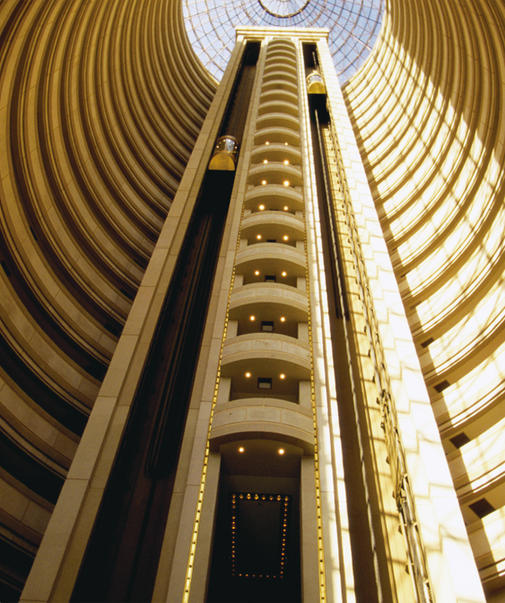
Elegant structure with limitless scenic views Tenau sightseeing elevator adheres to the design prin...
Freight Elevator
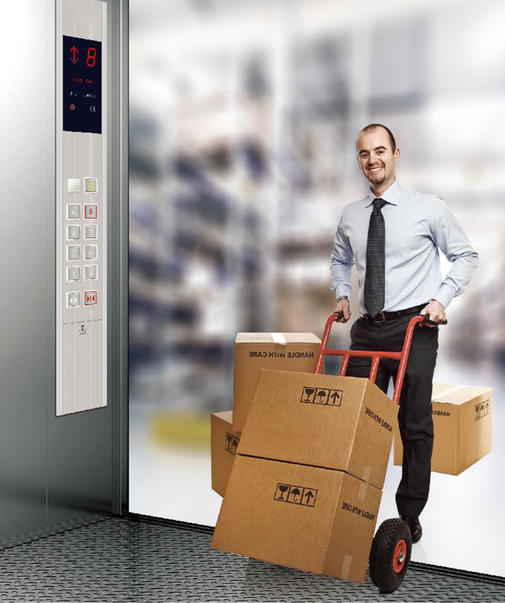
Considerate designing This elevator is specifically designed for the transportation of cargoes, wit...
Car Elevator
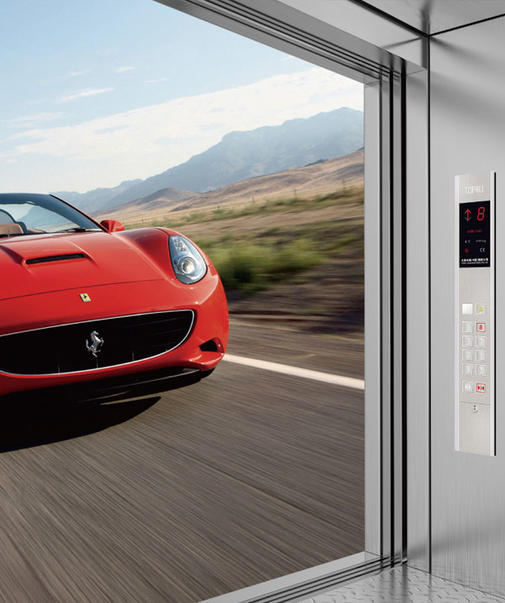
In the modern city, there are more and more cars. To solve the difficulty of parking, TENAU uses its...
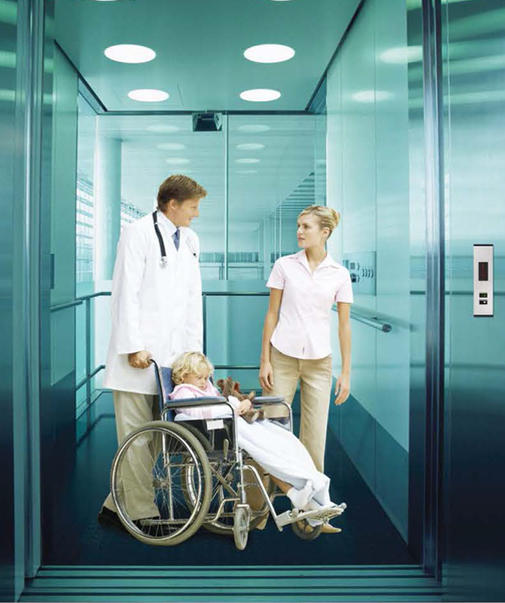
Hospital Elevator
High safety standard with sincere care Tenau high-quality medical elevator is developed on basis of...

Home Elevator
Let’s construct a happy and harmonious life!Machine roomless intensive design, "electric home applia...
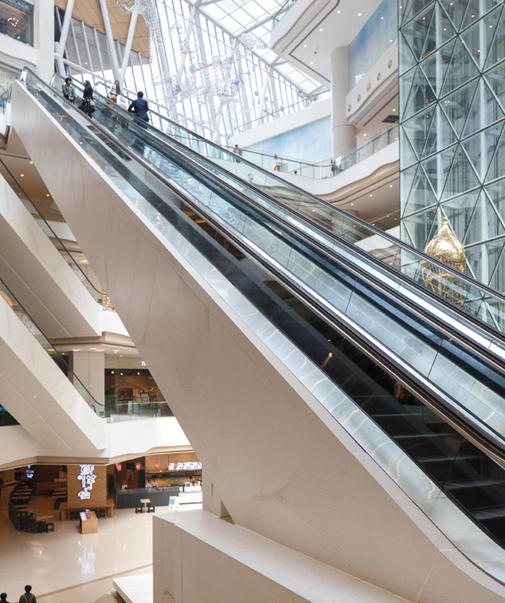
Escalator Summary
Urban flavor, charm scene TENAU serial escalators fully apply novel materials and advanced domestic...
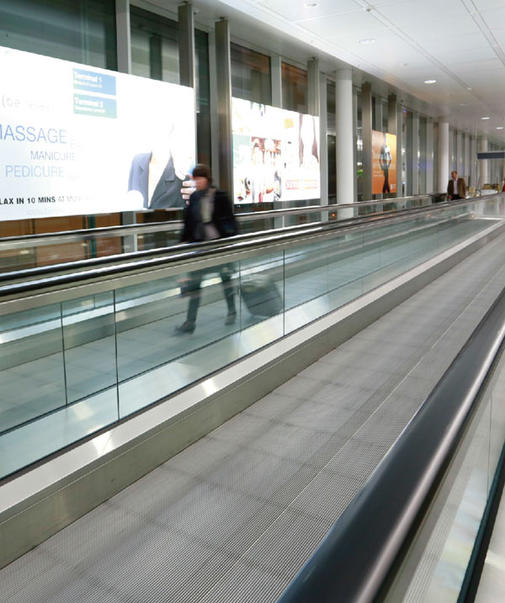
Moving Walk Summary
As easy as in smooth ground, the everlasting popular design & qualityTENAU moving walk elevates ...
Product Overview
Intelligent customization redefines vertical transportation
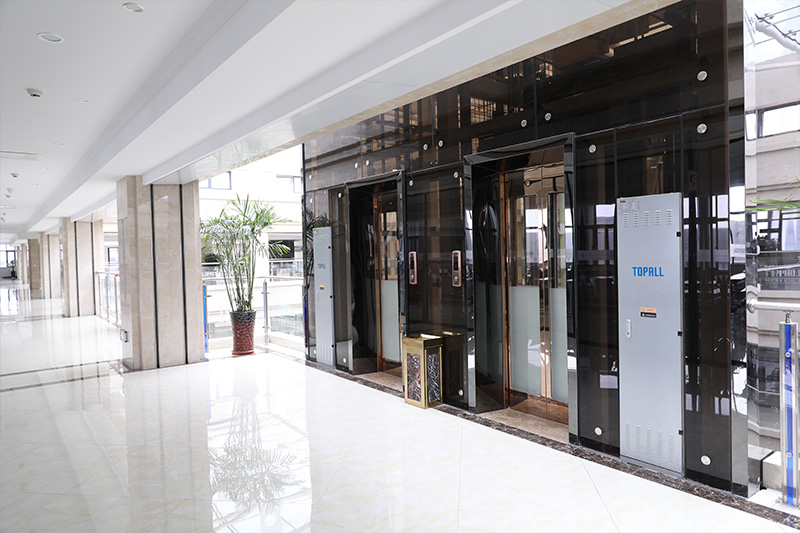
This term acts as a functional definition, meaning the elevator must meet all the critical standards for a clinical environment, distinguishing it from standard commercial or residential lifts. Key functional requirements include: Load Capacity (must safely handle a fully equipped bed with multiple personnel), Car Geometry (must be deep enough for the bed), Ride Quality (must prevent patient distress), and Door Efficiency (must open and close quickly and safely for equipment). The elevator's control system must be integrated into the hospital's central communication and emergency systems.
The construction of an elevator for hospital use is inherently robust. The door track and operator systems are heavy-duty to ensure continuous performance under frequent, sometimes rough, loading and unloading conditions. The car's internal lighting is usually bright (high lux levels) and uniformly distributed to assist medical staff in reading charts or assessing a patient's status during transit. Furthermore, the shaft and lobbies of these elevators often feature specialized air pressure controls to help manage airborne infection risks.
Basic Product Parameters
Diverse options to meet the needs of different families
| Duty Cycle | High (24/7 Operation) |
| Safety Standard | Meets ASME A17.1 (North America) or EN 81 (Europe) codes, plus supplementary hospital standards |
| Car Lighting | High Lux, Glare-Free LED |
| Communication | Direct Two-Way Intercom to Security/Command Center |
| Door Control | Non-Contact, Full-Width Light Curtain |
| Interior Material | Highly Durable, Impact Resistant, Anti-Microbial |
Product Advantages
Why choose Tenau elevators?
Facilitates Large Equipment Movement
Wide openings and large cars simplify the transport of bulky equipment like portable X-ray machines, crash carts, and large sterilization units.
Minimizes System Failure Risk
Built with industrial-grade components and a high service factor, leading to longer Mean Time Between Failure (MTBF) and fewer interruptions to care.
Product Features
Innovative technology, superior experience
- Keyed Floor Lockouts: Specific floors (e.g., pharmacy, morgue, sterile supply) can be locked down, requiring a staff key card for elevator access to those floors.
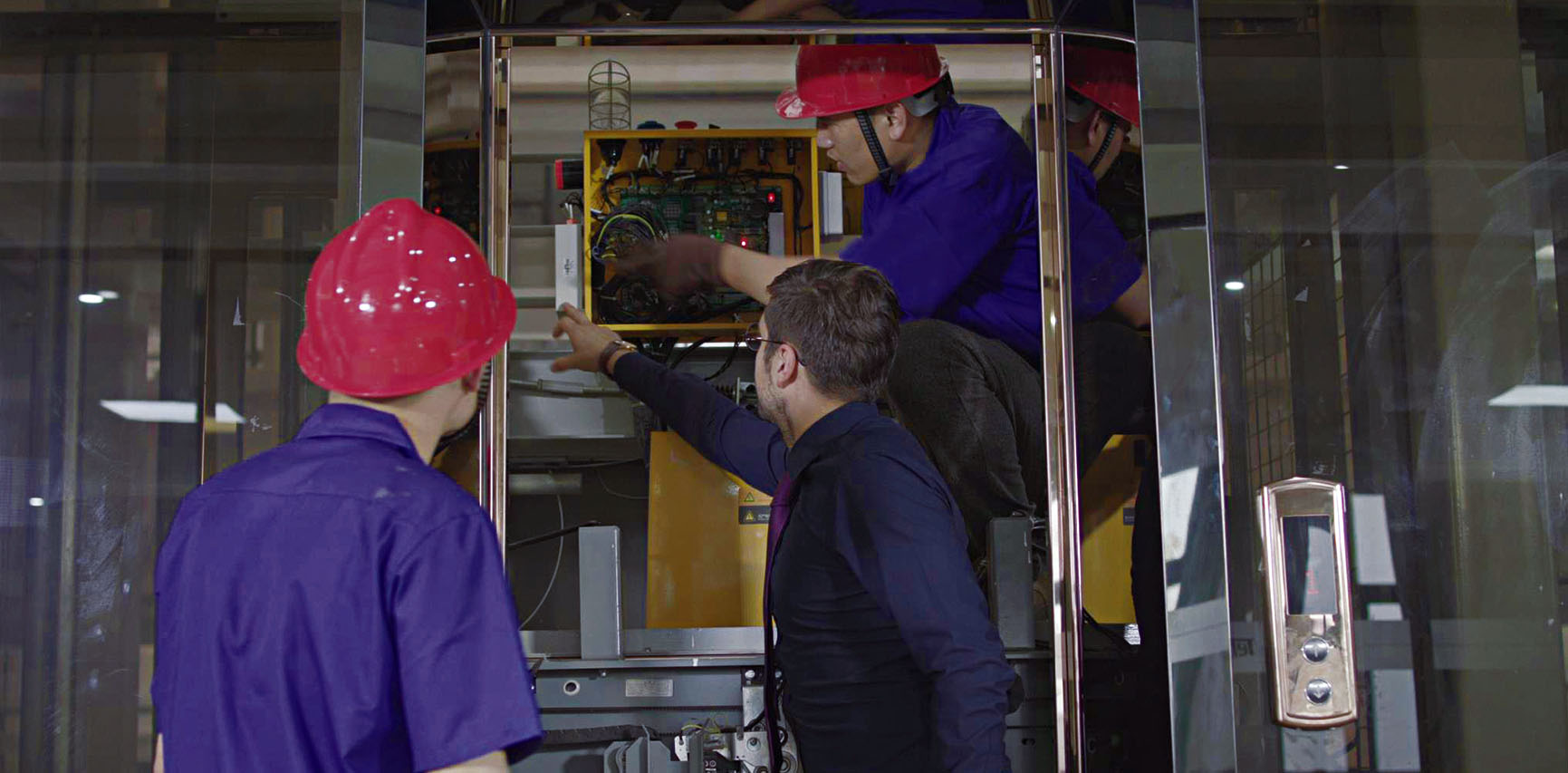
- Dedicated Inspection Access: Features a simplified method for authorized personnel to place the lift into inspection mode for quick troubleshooting.
- Battery-Powered Emergency Return: A secondary battery system automatically drives the car to the nearest floor and opens the doors in the event of an unexpected power dip or total failure.
Product Comparison
| Characteristic | Elevator for Hospital Use | Elevator for Residential Use |
| Design Standard | Clinical Functionality, Safety Codes | Aesthetics, Cost, Low-Frequency Use |
| Speed/Performance | High Speed, High Traffic Demand | Low Speed, Low Traffic Demand |
| Maintenance Focus | Preventative, 24/7 Rapid Response | Corrective, Standard Business Hours Response |
| Cost Driver | Specialized Components, High Duty Rating | Standardized Components, Basic Safety Features |
| Car Control | Priority and Emergency Modes | Simple Car/Hall Calls Only |
Installation Process
Standardized installation, efficient and worry-free
1. Site Inspection (1-3 days)
Professional engineers will visit your site to measure and assess the building structure and power supply conditions, and provide feasibility analysis and preliminary solutions.
2. Solution Design (3-5 days)
We offer customized design solutions based on client needs, including elevator specifications, interior design style, and installation location, and provide 3D renderings.
3. Shaft Preparation Guidance
Provide detailed shaft construction drawings and technical guidance to ensure that the civil engineering meets the installation requirements.
4. Equipment Installation (3-7 days)
A professional installation team will carry out on-site construction and modular assembly to minimize the impact on residential life.
5. Debugging and Testing (1-2 days)
Comprehensive system debugging and safety performance testing were conducted to ensure that all indicators met international standards.
6. Use Training + Delivery
Operation training, document handover, activation of remote monitoring service, and formal delivery for use.
Application Scenarios
Suitable for a variety of residential environments
Mass Casualty Incident (MCI) Response
The elevators must be able to handle a rapid influx of patients and personnel, often requiring manual override by incident commanders.
Moving Biohazardous Waste
Dedicated service elevators are used for the secure and hygienic movement of biohazardous waste from collection points to processing areas.
Factors To Consider When Choosing Elevator
Comprehensive assessment, wise choice
Technical Factors
- Door Reopening Force: Setting the door reopening force limit to a low, safe level to prevent injury to staff or patients who might obstruct the closing doors.
- Hoistway Ventilation: Ensuring the hoistway is ventilated according to code to prevent overheating of the motor and control equipment, especially in MRL designs.
- Voice Recording in Car: Integrating the two-way communication system with a recording function for documentation during emergency or security events.
Usage Factors
- Security Cameras: Placing high-resolution CCTV cameras inside the car and in the lobby for both security and verification of lift usage protocols.
- Consumables Sourcing: Ensuring that all replacement parts (e.g., control boards, door rollers) are readily available from multiple suppliers to prevent long lead times during a breakdown.
- Signage Clarity: Ensuring all signage related to lift usage (Patient Only, Service Only, HES Activation) is clearly visible and unambiguous for all users.
Frequently Asked Questions
Questions you may be interested in
Yes, codes typically mandate a minimum car size of about 1.6 m wide by 2.4 m deep, specifically to accommodate the standard turning radius and length of a hospital bed and gurney.
Hospitals use clear signage and often locate patient elevators far from the main public lobby. Some implement key-card access or code entry to restrict use to authorized staff.
A light curtain is an array of invisible infrared beams that span the entire height and width of the doorway. If any beam is broken, the doors stop closing and immediately reverse, preventing physical contact with a person or equipment.
About Company
Intelligent elevator systems are redefining the industry model.
Smart Customization
Tenau Elevator continues to create value that exceeds customer expectations, meeting higher customer needs through high-end customization services and realizing customized solutions such as self-configuration and personalized decoration.
Smart Manufacturing
Leveraging Industry 4.0 manufacturing systems, Tenau Elevator has implemented intelligent production and quality traceability systems to ensure product quality and controllable management.
Intelligent Interaction
Beyond just passenger space, the Tenau elevator will integrate more intelligent interactive experiences, making it fun, entertaining, and interactive.
Intelligent Services
By leveraging the internet and the Internet of Things to establish an intelligent service system, Tenau Elevator will provide customers with remote services anytime, anywhere to solve user problems.
Our Commitment
Tenau Elevator (China) Co., Ltd. is professional China Elevator for Hospital Use manufacturers and Elevator for Hospital Use company, dedicated to providing customized solutions for the market and our customers. While markets, applications, and customers vary, we share a unique philosophy that guides our clients to success. We will respond promptly and patiently to any customer questions or feedback; we will respond promptly to any customer inquiries with more professional and reasonable prices; for any new product requests, we will engage in professional communication with our clients, listen to their opinions, and provide useful suggestions for product development; and for any customer orders, we will complete them quickly and with high quality. We offer Elevator for Hospital Use for sale.
We are committed to solving every problem, no matter how mundane it may seem. We will always work with you. You will find that we speak your language and understand your technical issues. This is why we have been able to successfully cooperate with clients from nearly 60 countries for many years.
Get Free Elevator Design Solutions
Submit your requirements and receive a customized solution and quote within 24 hours.