


 en
en Español
 русский
 中文简体
中文简体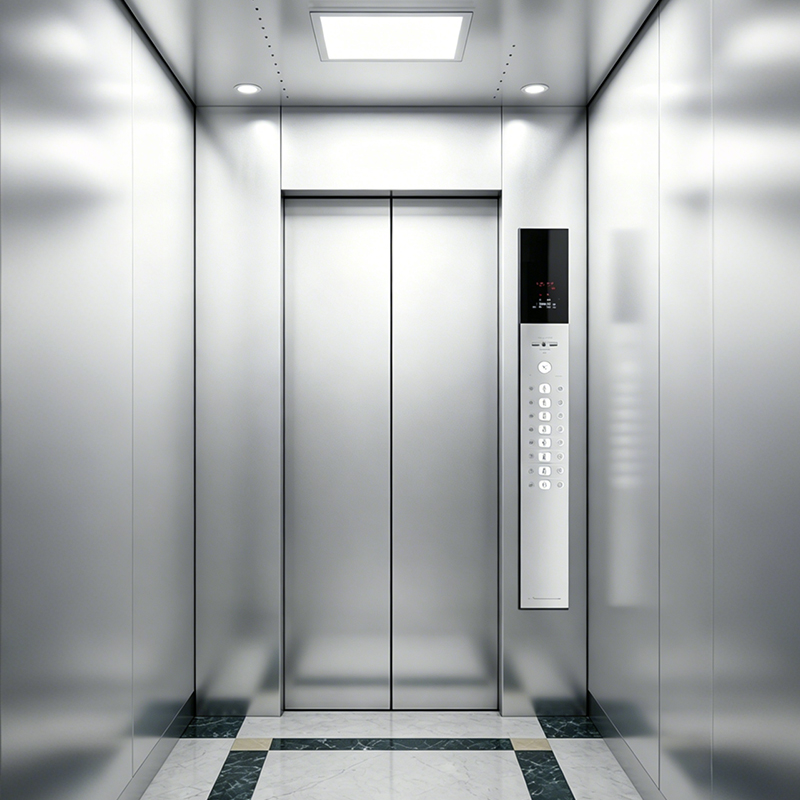
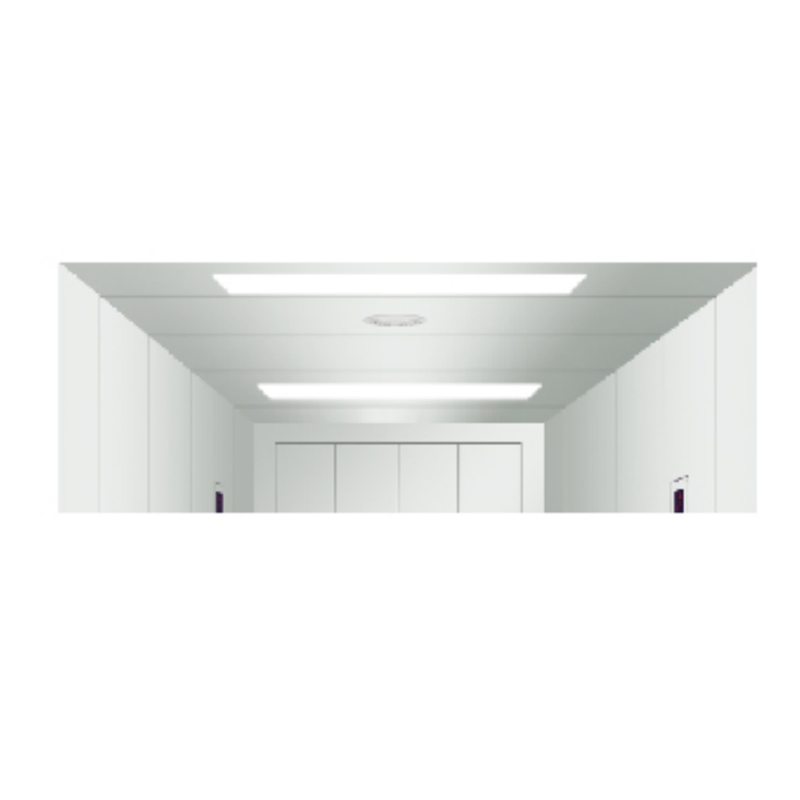
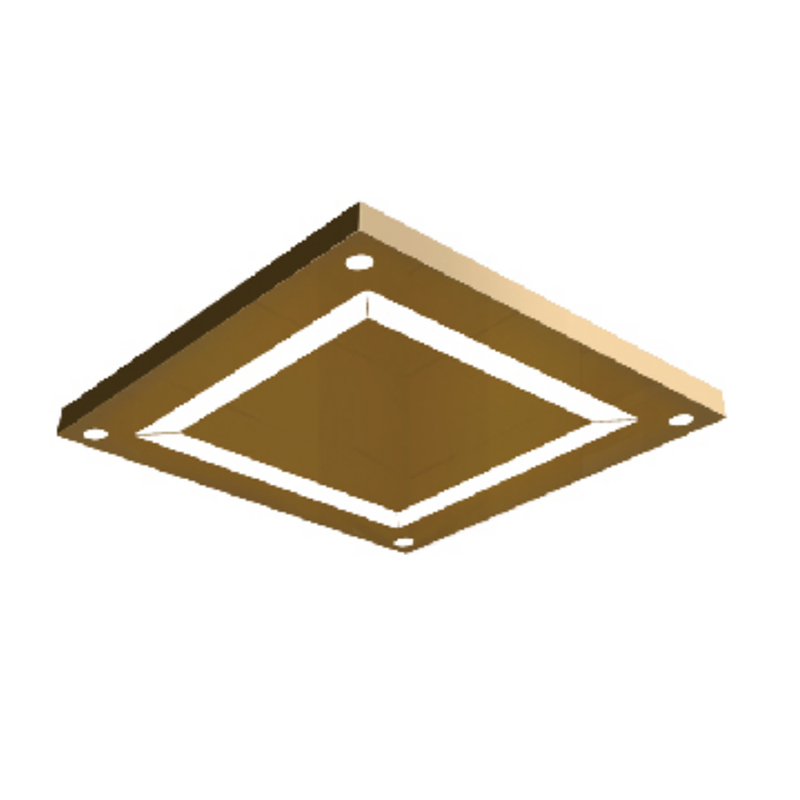
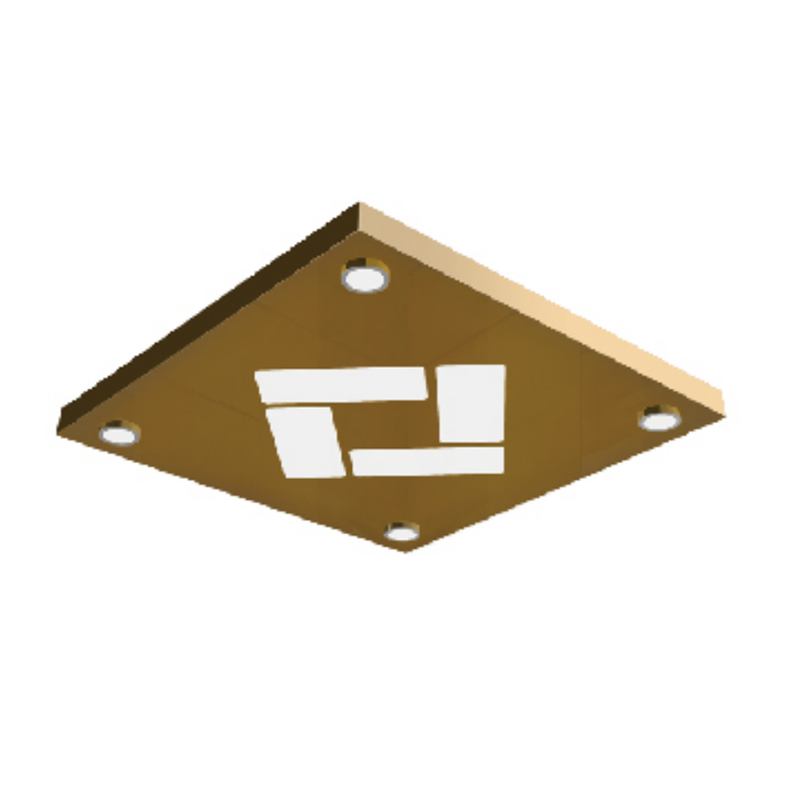
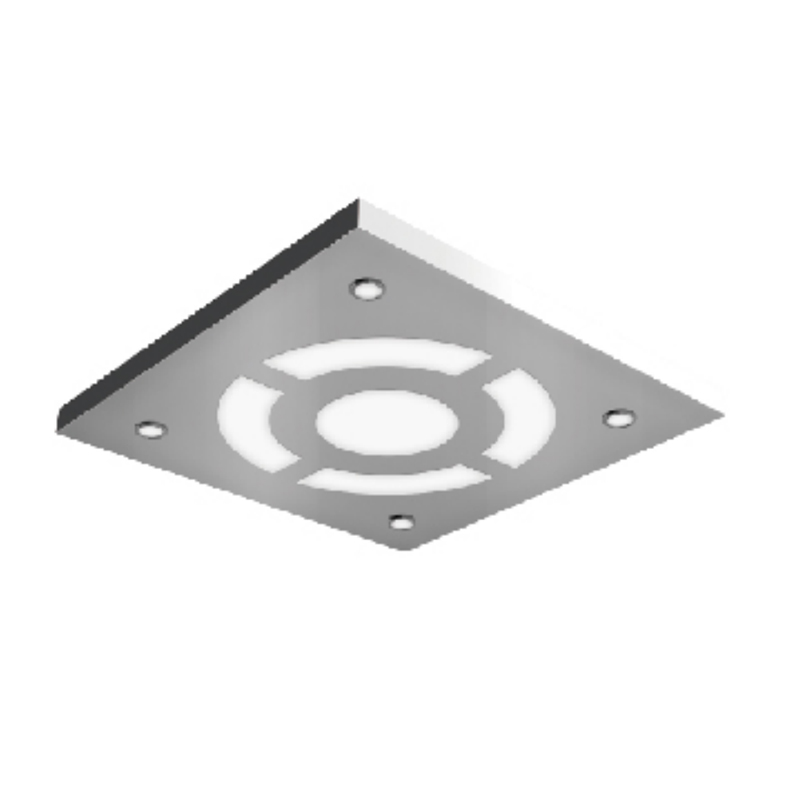



What Should You Know Before Choosing an Elevator Ceiling for Your Building?
In modern architecture, elevators have evolved beyond mere vertical transport connecting different floors; they have become integral elements that reflect a building's quality, user experience, and spatial aesthetics. Whether in residential complexes, commercial centers, hotels, hospitals, office towers, or transportation hubs, a passenger's first impression upon entering the elevator car is often shaped by the interior design. The elevator ceiling, a crucial structural component of the car interior, plays an irreplaceable role in lighting, the perception of space, safety, and ride comfort.
With the rise of smart building concepts, modern elevator design has shifted from simply meeting operational needs to balancing functionality, safety, environmental sustainability, and visual appeal. A high-quality elevator ceiling requires not only stable, reliable structural performance but also seamless integration with the overall car design to create an environment that is comfortable, safe, and aesthetically pleasing for passengers.
As a professional elevator manufacturer, Tenau Elevator (China) Co., Ltd. is dedicated to the technological advancement and design optimization of every elevator component. Leveraging advanced manufacturing capabilities and a comprehensive service system, we provide intelligent, high-quality elevator solutions to customers worldwide.
Why Is the Elevator Ceiling an Important Part of Elevator Cabin Design?
Located at the top of the car, the elevator ceiling is a critical area that integrates structural elements, safety features, and interior décor. While many view the ceiling merely as a place to mount lights and decorative panels, it actually serves multiple important functions.
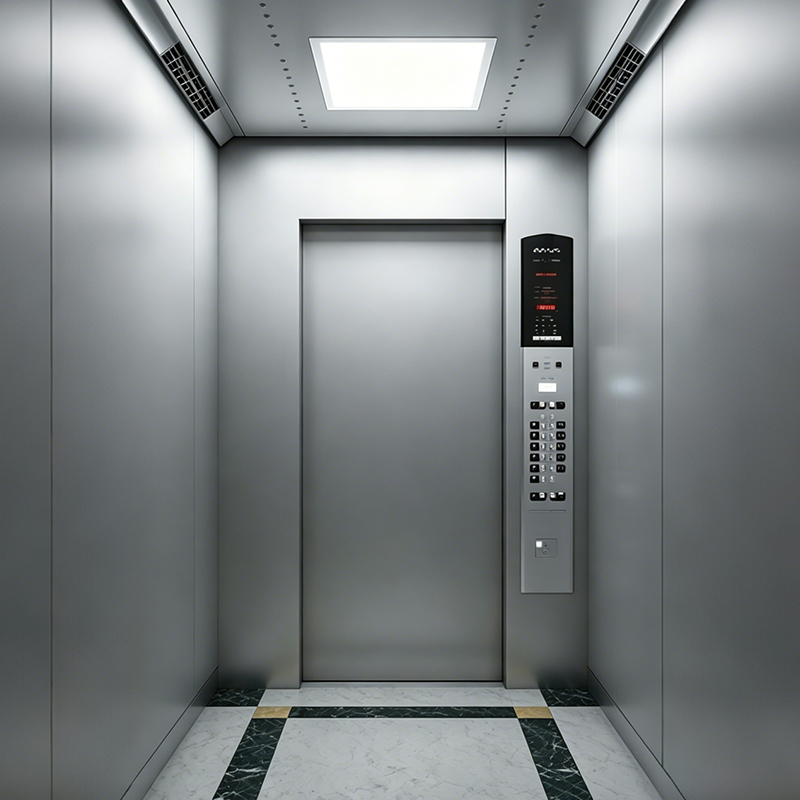
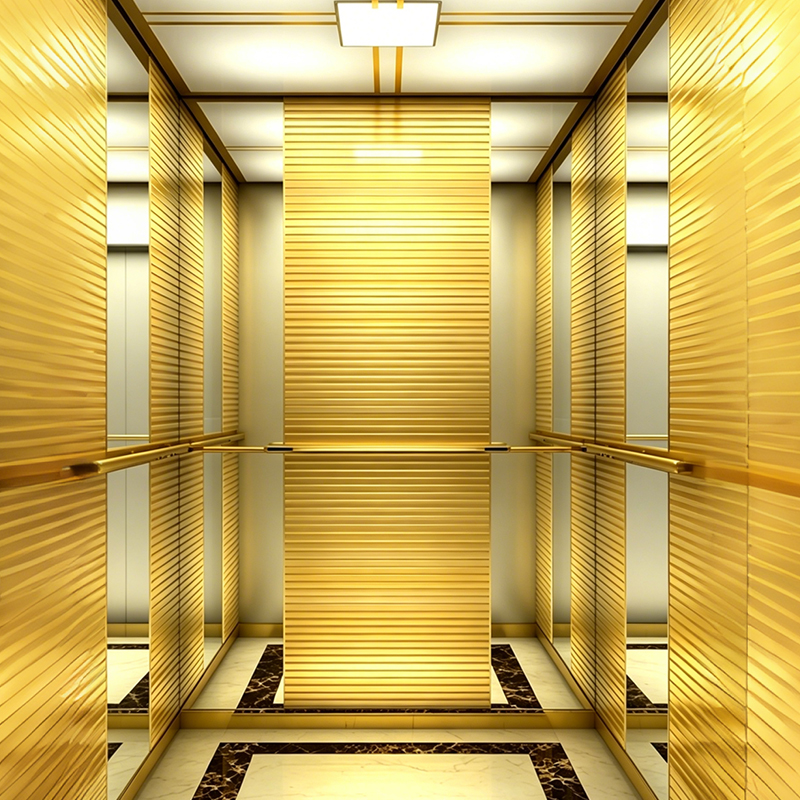
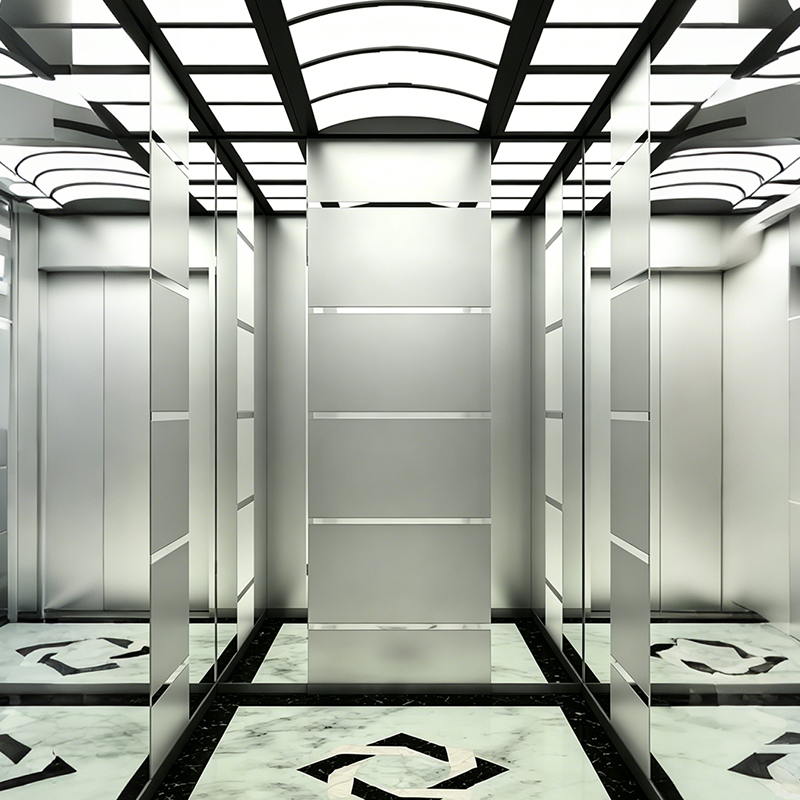
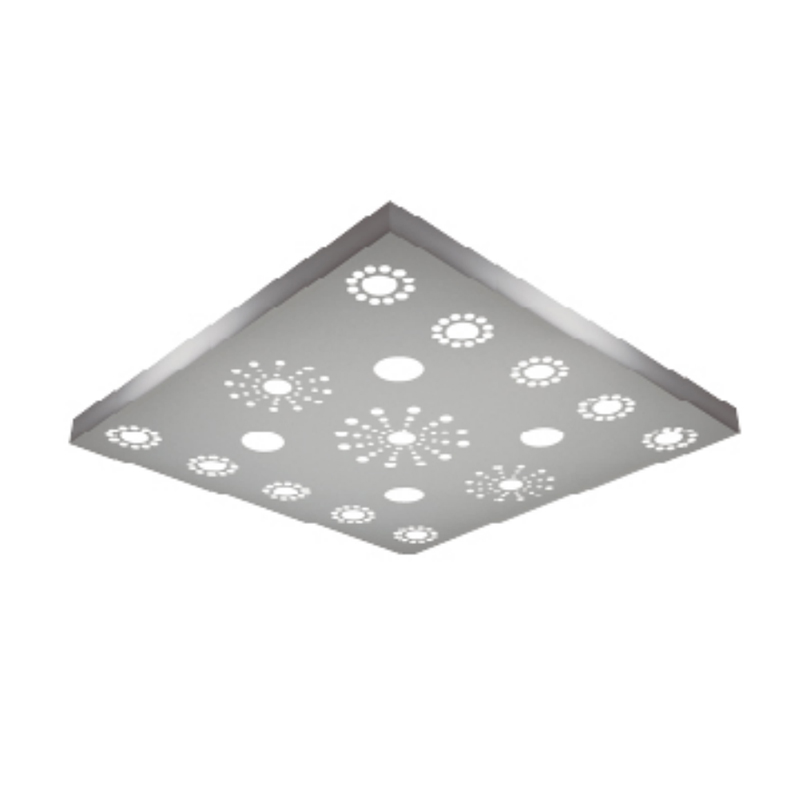
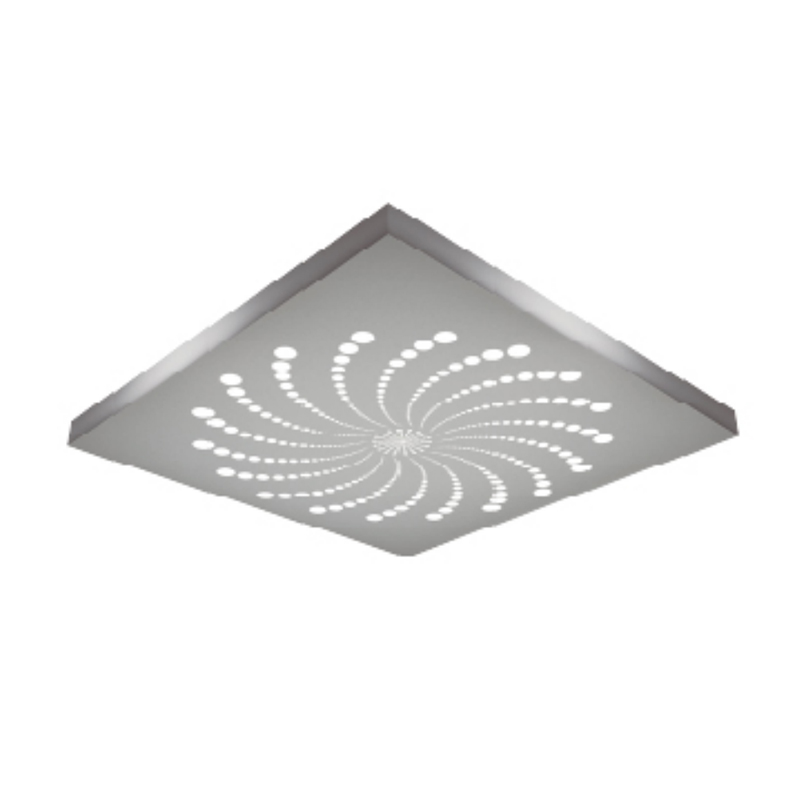
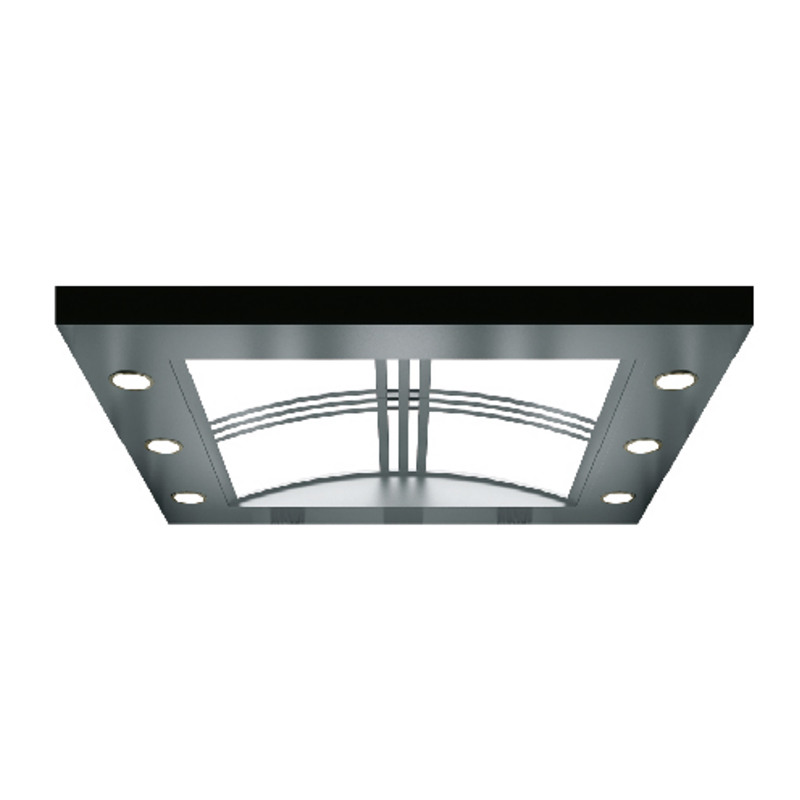
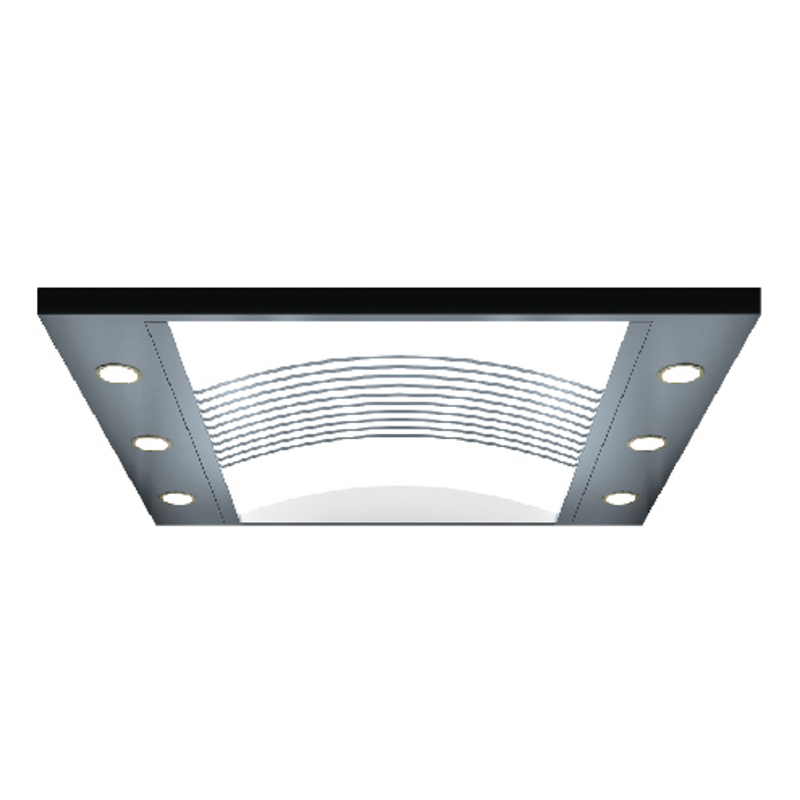
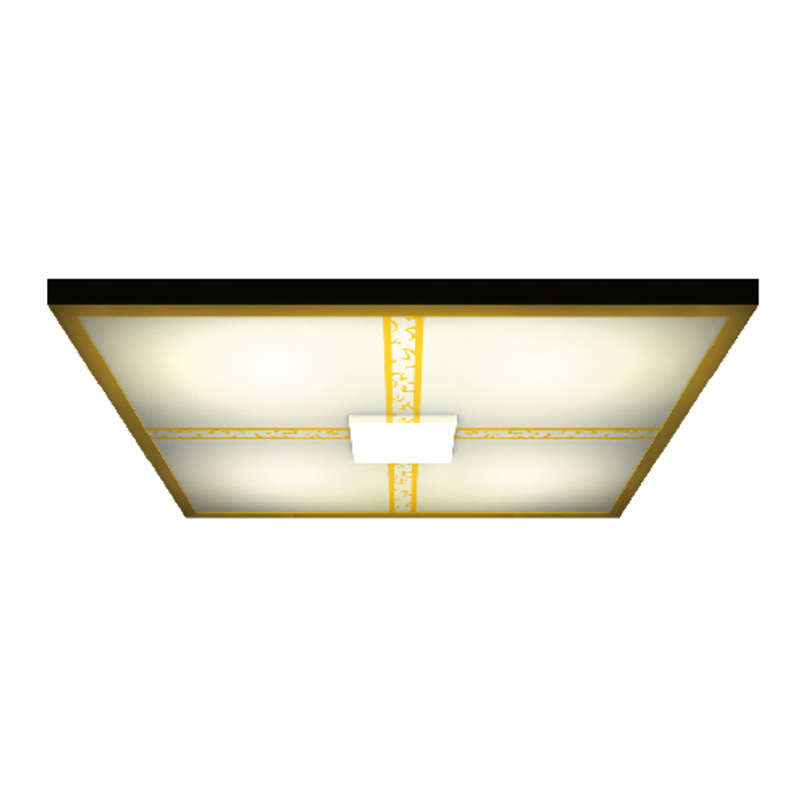
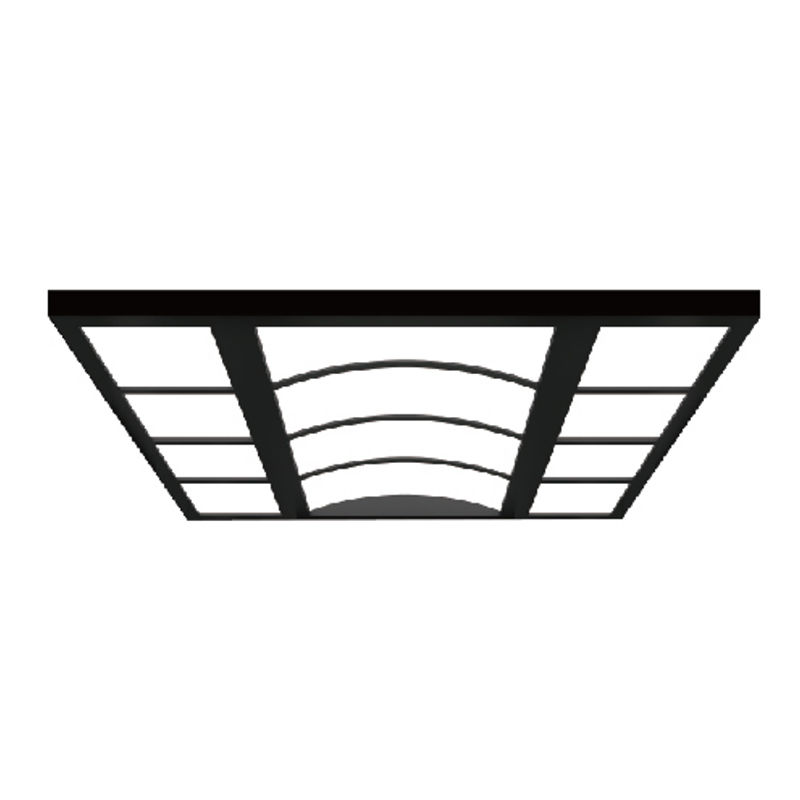
The elevator ceiling directly influences the visual impact of the car's interior. Upon entering, passengers are affected by the overhead lighting, which determines the brightness and comfort level of the space. A well-designed ceiling—utilizing features such as concealed lighting, LED illumination, translucent materials, and modern styling—can make the car feel more spacious and bright while elevating the building's overall prestige.
The ceiling structure is also vital for safe elevator operation. A high-quality ceiling must possess excellent load-bearing capacity, stability, and durability, ensuring it can withstand the vibrations and environmental fluctuations associated with long-term operation. This is particularly important in high-rise buildings, where faster operating speeds demand greater precision and reliability in the car's structural design.
Ease of maintenance is another key consideration for elevator ceiling design. Modern elevators emphasize not only installation quality but also the efficiency of subsequent maintenance. A well-designed car ceiling structure facilitates access for maintenance personnel to inspect lighting systems, ventilation equipment, and related electrical components, thereby reducing maintenance costs and extending the equipment's service life.
How Does the Elevator Ceiling Improve Passenger Comfort?
The riding experience has become a key factor in evaluating modern elevators. Beyond operational speed and smoothness, the interior environment of the car significantly influences passengers' perception of the elevator's quality.
Elevator ceilings enhance comfort primarily through their design regarding lighting, the sense of space, and air circulation.
Optimized Lighting Design for Better Passenger Experience
Regarding lighting, while traditional elevator cars often relied on a single light source, modern elevators place greater emphasis on lighting design. Soft, uniform lighting reduces visual fatigue, ensuring a more comfortable experience for passengers during their brief ride.
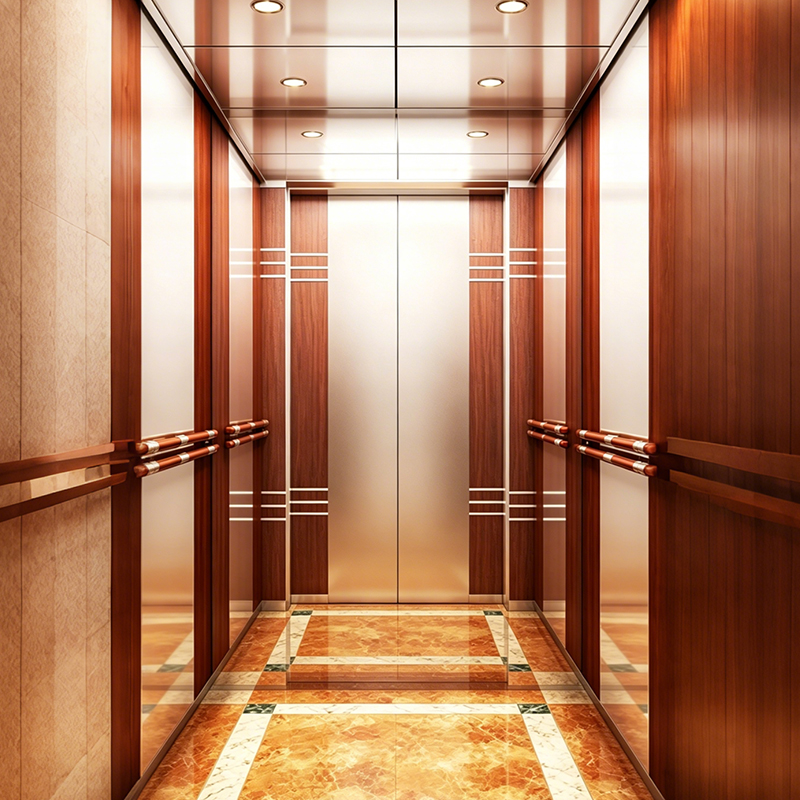
Ceiling designs can also be tailored to specific building types: commercial buildings often favor minimalist, modern styles; hotels prioritize decorative appeal; and hospitals focus on brightness, comfort, and ease of cleaning.
Improving Space Perception Through Ceiling Design
In terms of spatial experience, the ceiling's shape can alter passengers' perception of the car's height. The strategic use of mirrored surfaces, concealed lighting, and minimalist lines creates a sense of expanded space, making the compact car interior appear more open and airy.
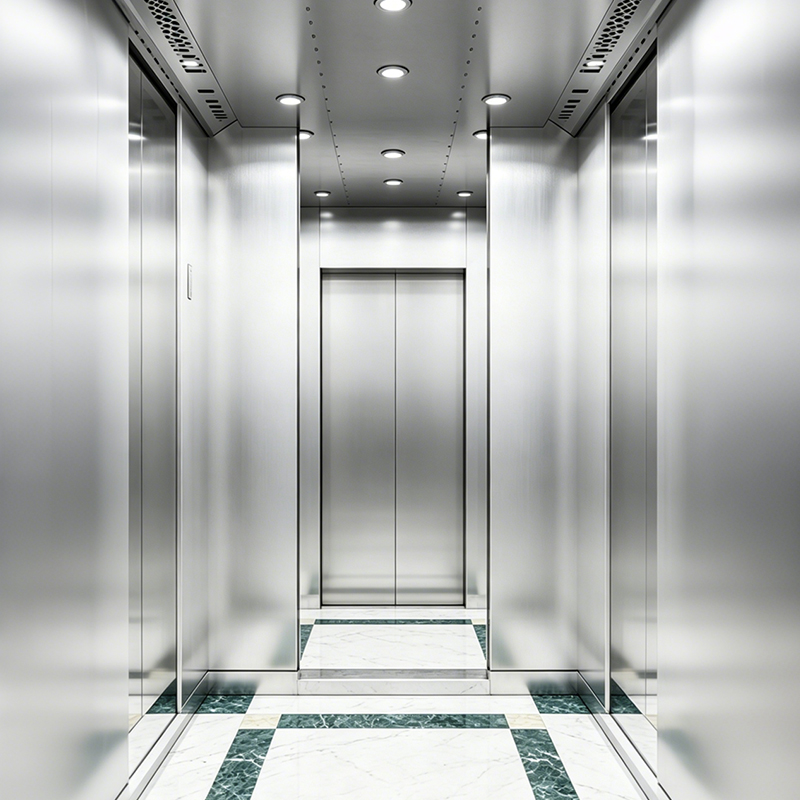
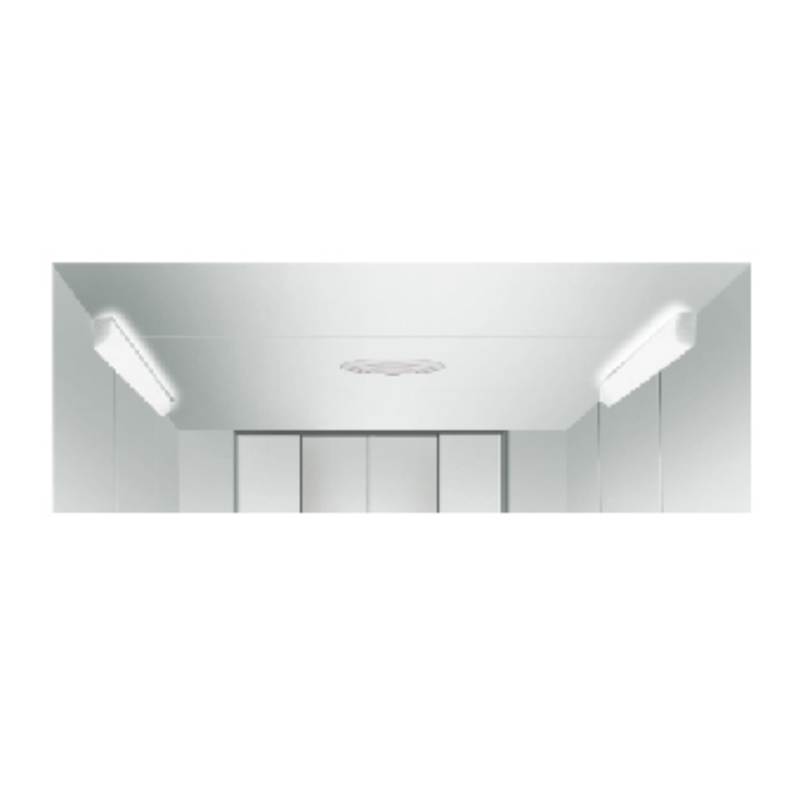
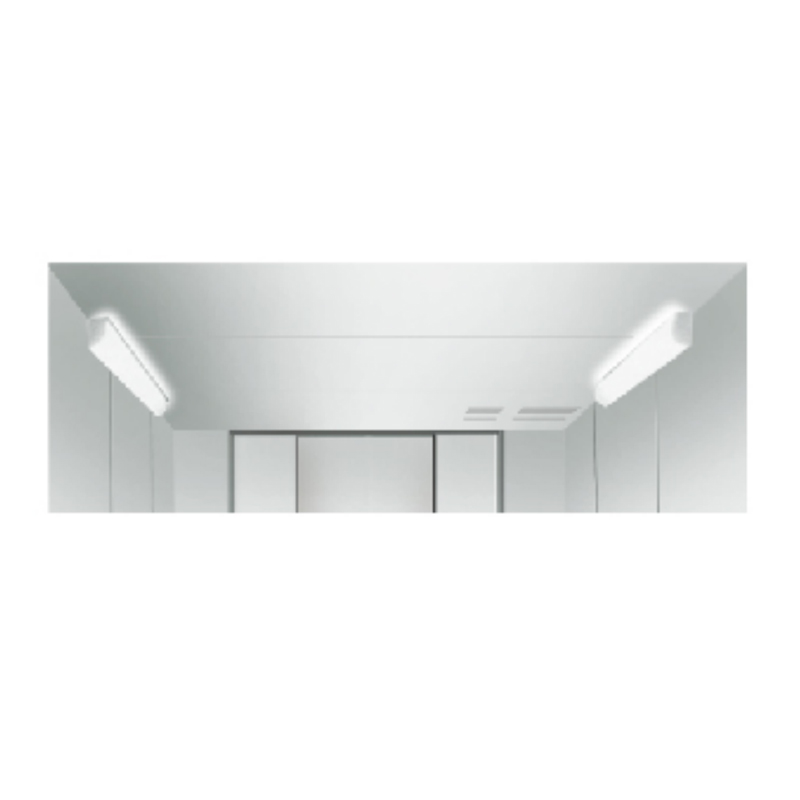
Additionally, some elevator ceilings integrate ventilation systems to improve air circulation efficiency. In high-traffic areas such as shopping malls, airports, and office buildings, effective air circulation further enhances riding comfort.
What Materials and Technologies Are Used in Modern Elevator Ceilings?
As elevator manufacturing technology advances, the materials and fabrication processes used for elevator ceilings are also evolving.
Currently, materials such as stainless steel, aluminum alloy, steel plating, and composite decorative materials are commonly used for elevator ceilings. These materials offer excellent strength and durability while meeting the design requirements of diverse architectural styles.
Common Materials Used in Elevator Ceiling Manufacturing
Stainless steel is widely used in commercial and high-end residential elevators due to its corrosion resistance, ease of cleaning, and modern aesthetic.
Aluminum alloy offers the advantages of being lightweight and easy to process, helping to optimize the car's overall weight and improve operational efficiency.
Composite decorative materials can provide more design flexibility, allowing elevator ceilings to match different interior styles and architectural concepts.
Advanced Manufacturing Technologies for Elevator Ceilings
Beyond material upgrades, manufacturing techniques also play a crucial role in determining the quality of the elevator ceiling. Precision machining, surface treatment, and structural optimization ensure that the elevator ceiling maintains its excellent appearance and performance over the long term.
For professional elevator manufacturers, a comprehensive process—spanning from design and R&D to production and manufacturing—is key to ensuring product stability.
How Can Elevator Ceiling Design Support Energy Efficiency and Sustainability?
In recent years, green building and energy-saving concepts have become major trends in the global construction industry. As elevators are a component of a building's energy-consuming systems, the industry is continuously exploring more eco-friendly design approaches.
Modern elevator ceilings effectively reduce energy consumption during operation through energy-efficient lighting systems, lightweight materials, and smart control technologies. For instance, LED lighting offers lower energy consumption and a longer lifespan compared to traditional lighting, while also reducing maintenance frequency.
Lightweight ceiling designs also lower the overall operational load of the elevator, enabling the drive system to operate more efficiently. Optimizing structural design to reduce unnecessary weight—without compromising safety—is a significant trend in modern elevator manufacturing.
Tenau Elevator (China) Co., Ltd. consistently prioritizes safety and environmental protection as core missions. Integrating German technical concepts, the company combines design, R&D, manufacturing, marketing, installation, and after-sales service. It is dedicated to creating a smarter, more efficient, and eco-friendly elevator ecosystem, providing global customers with solutions that meet the demands of modern architecture.
Why Choose Tenau Elevator for Advanced Elevator Solutions?
Choosing a reliable elevator manufacturer is essential for ensuring the quality, safety, and long-term performance of elevator systems. A professional supplier should not only provide individual components such as elevator ceilings but also offer comprehensive solutions covering design, manufacturing, installation, and maintenance.
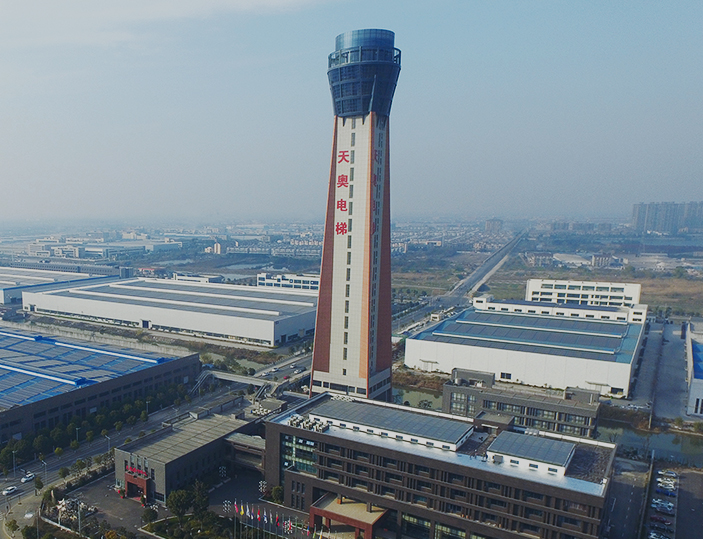
Tenau Elevator (China) Co., Ltd. originates from Germany and is a professional comprehensive elevator manufacturer. Located in Nanxun, a historic cultural town at the core of the Shanghai-Nanjing-Suzhou-Hangzhou economic circle, Tenau integrates advanced technology, manufacturing expertise, and service capabilities to support customers worldwide.
The company covers multiple product categories, including passenger elevators, freight elevators, escalators, and moving walks. With advanced capabilities in the design, R&D, and manufacturing of low-speed, medium-speed, high-speed, and ultra-high-speed elevators, Tenau provides customized solutions for various architectural applications.
By focusing on safety, environmental protection, intelligent technology, and continuous innovation, Tenau Elevator is committed to delivering reliable elevator systems that enhance modern buildings and improve passenger experiences.
FAQ About Elevator Ceiling
Q1: What is the main function of an Elevator Ceiling?
The elevator ceiling primarily provides structural support, space for lighting installation, and aesthetic enhancement, while also integrating with ventilation or other cabin systems. It plays a vital role in safety and passenger comfort.
Q2: What materials are commonly used for elevator ceilings?
Common materials include stainless steel, aluminum alloy, steel panels, and composite decorative materials. The choice depends on the elevator's application, design requirements, durability, and maintenance needs.
Q3: Can elevator ceilings be customized according to building design?
Yes. Professional elevator manufacturers can customize ceiling shapes, lighting solutions, materials, and decorative styles to suit specific architectural requirements.
 export@tenau.com.cn
 +86-18601458867
 +86-512-65059883