


 en
en Español
 русский
 中文简体
中文简体

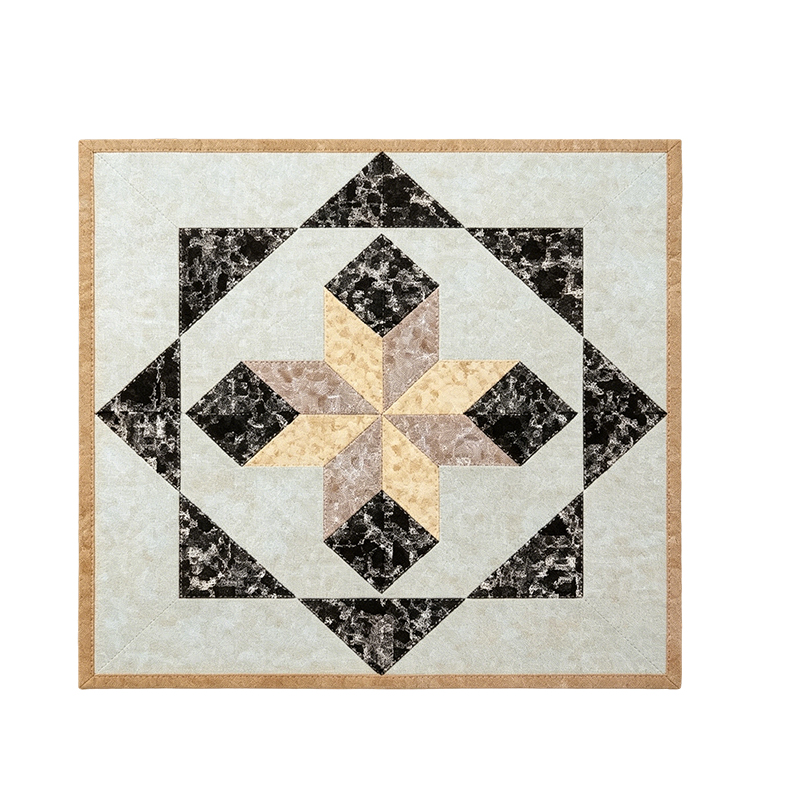
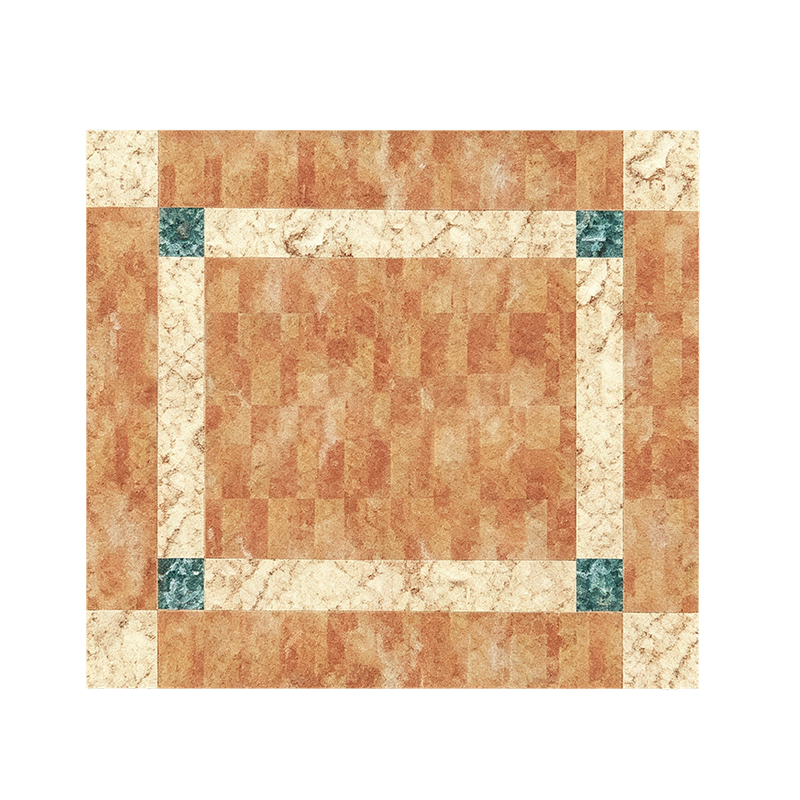
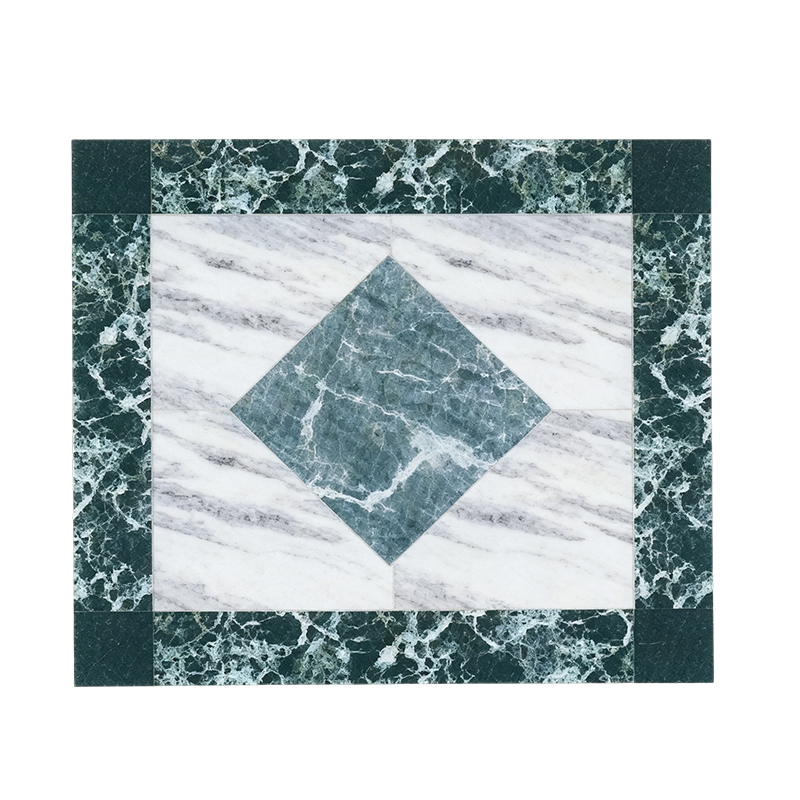
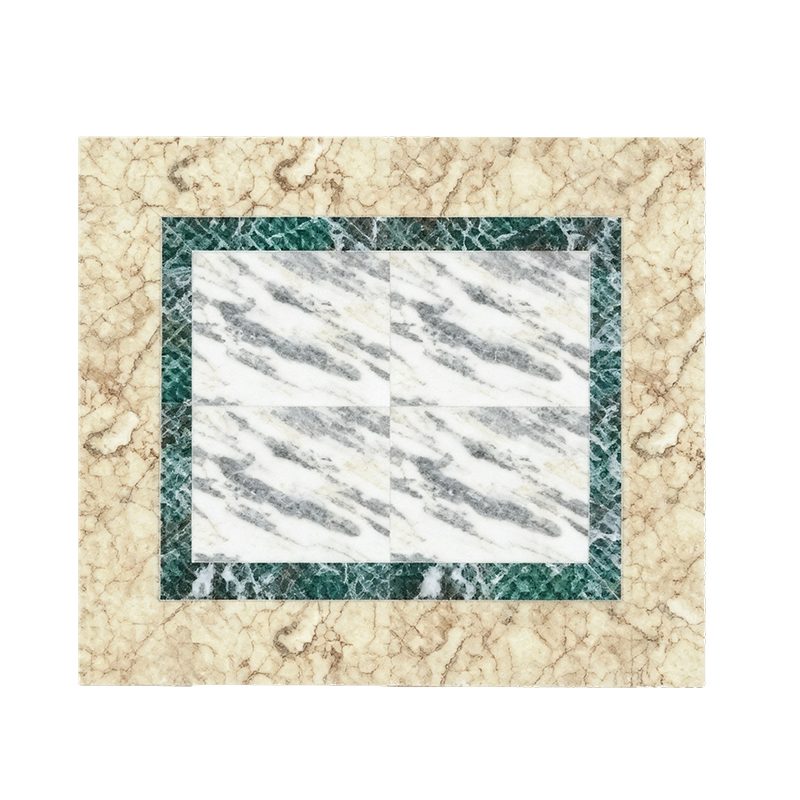



Why Is High-Quality Elevator Flooring Essential for Modern Elevators?
In modern architectural environments, elevators have become indispensable vertical transportation systems for commercial centers, residential communities, office buildings, hotels, hospitals, and transportation hubs. As architectural design concepts evolve, the focus has shifted beyond mere operational speed, load capacity, and control systems; the comfort, aesthetics, and durability of the elevator interior have increasingly become key benchmarks for quality.
As a crucial component of the elevator car interior, elevator flooring serves more functions than one might imagine. It not only shapes the passenger's initial visual impression upon entering the car but also directly impacts load-bearing capacity, slip resistance, ease of cleaning and maintenance, and the long-term user experience.
Many view elevator flooring merely as a decorative layer; however, professional design requires careful consideration of material selection, structural strength, safety standards, and overall spatial harmony. For elevator manufacturers, creating flooring that balances aesthetics, safety, and durability is a vital step in enhancing the quality of the entire unit.
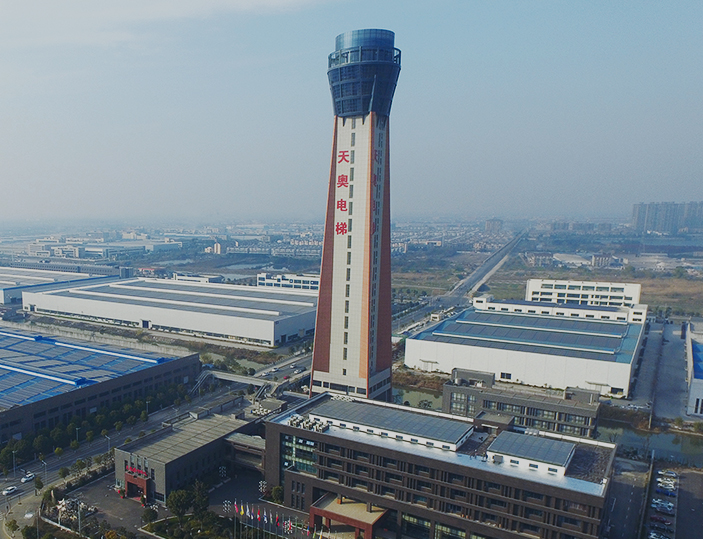
As a specialized, comprehensive elevator manufacturer, Tenau Elevator (China) Co., Ltd. places safety and environmental sustainability at the core of its corporate philosophy. Throughout the design and manufacturing process, the company pays meticulous attention to every detail—including car interior configuration, flooring design, and user experience optimization—to deliver smarter, high-quality elevator solutions to global clients.
What Important Roles Does Elevator Flooring Play in the Elevator System?
First and foremost, elevator flooring serves a load-bearing function. Elevators accommodate a constant flow of passengers, cargo, and equipment, subjecting the floor to varying degrees of pressure and impact over time. Consequently, high-quality elevator flooring must possess excellent structural stability to withstand long-term, high-frequency operation.
Beyond basic load-bearing requirements, elevator flooring directly affects passenger safety. Elevators are subject to heavy use, particularly in high-traffic public areas like shopping malls, airports, and subway stations. Flooring materials prone to wear, slipperiness, or deformation not only compromise comfort but can also pose safety hazards.
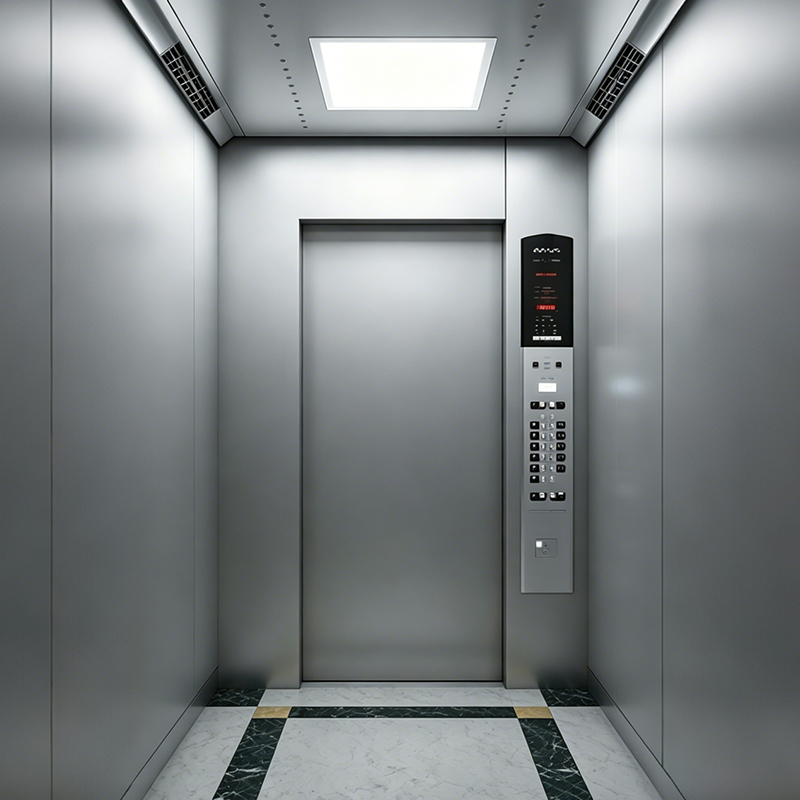
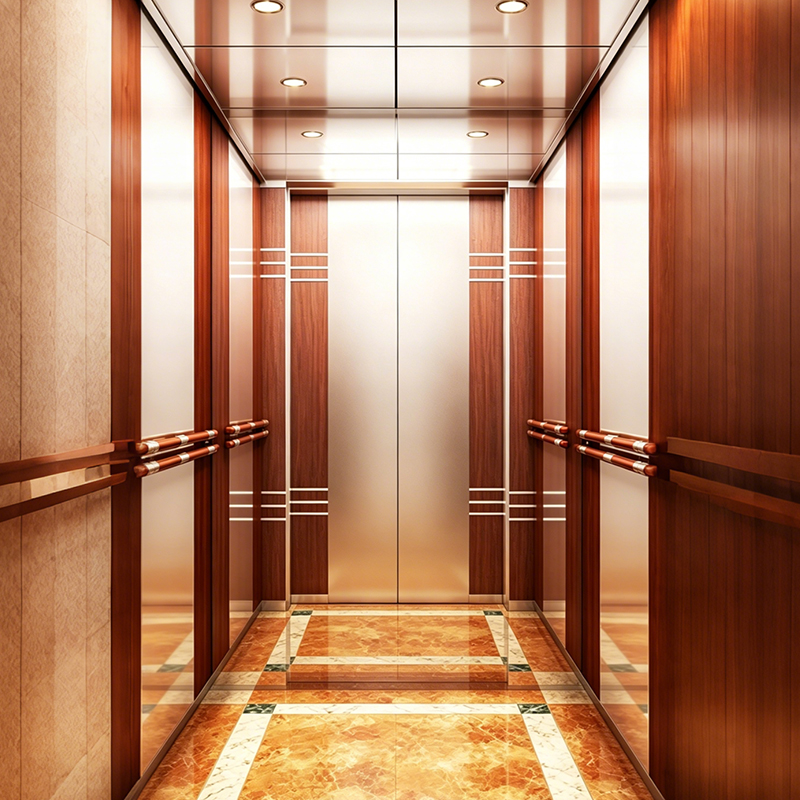
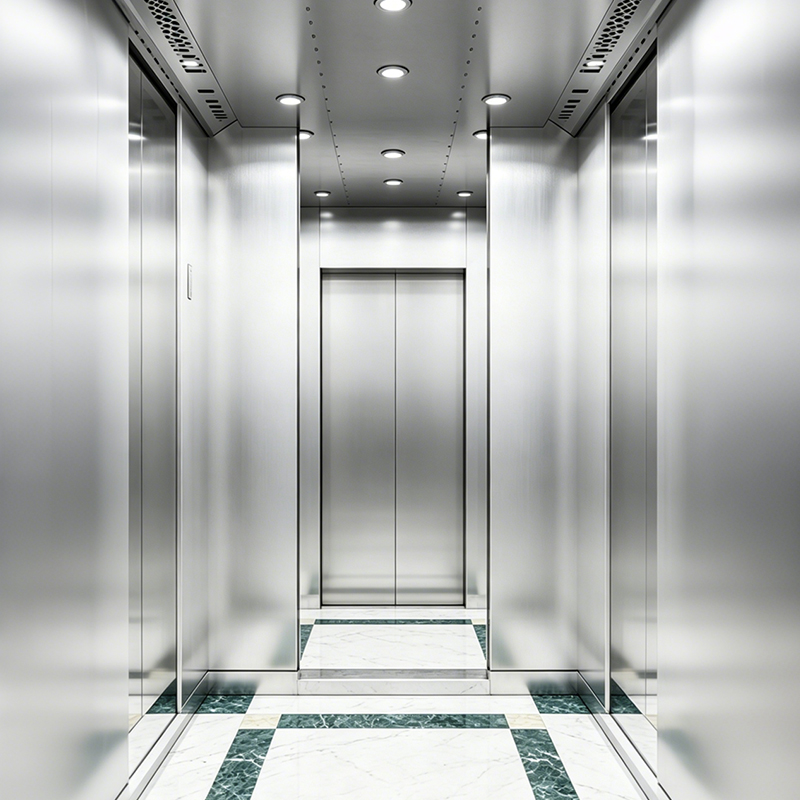
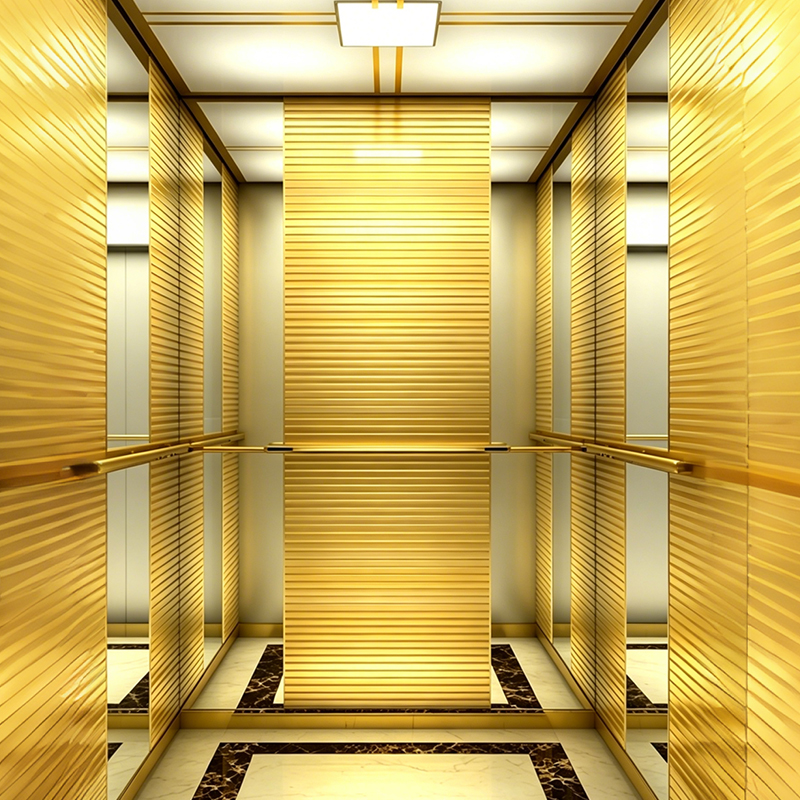
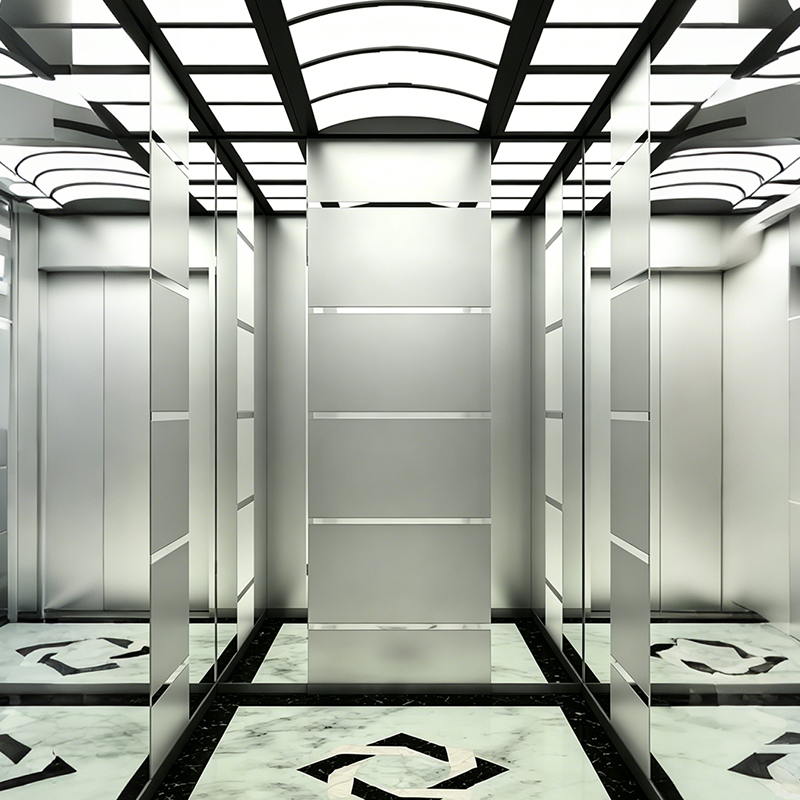
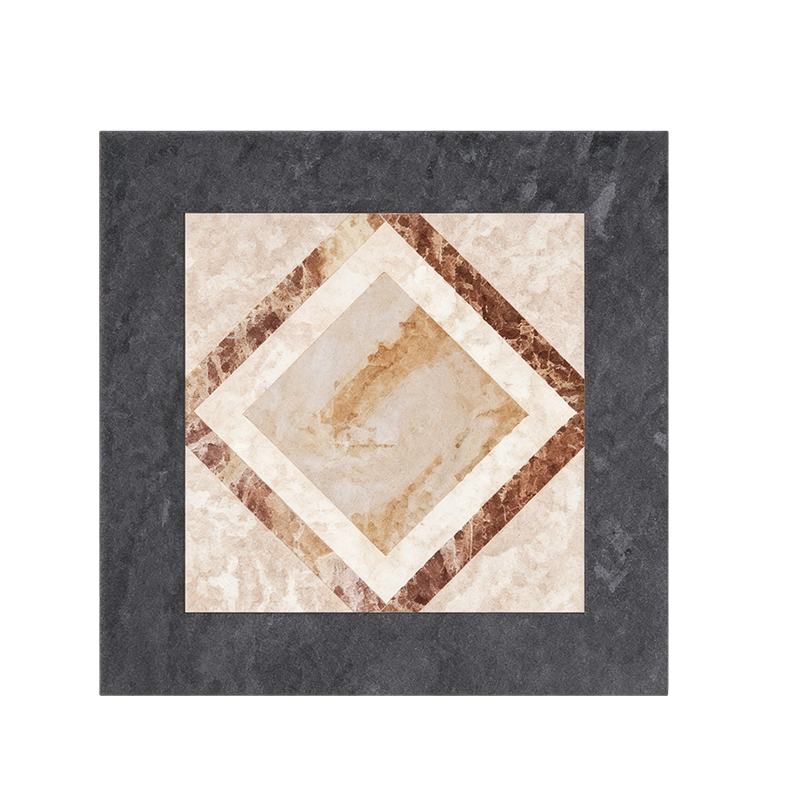
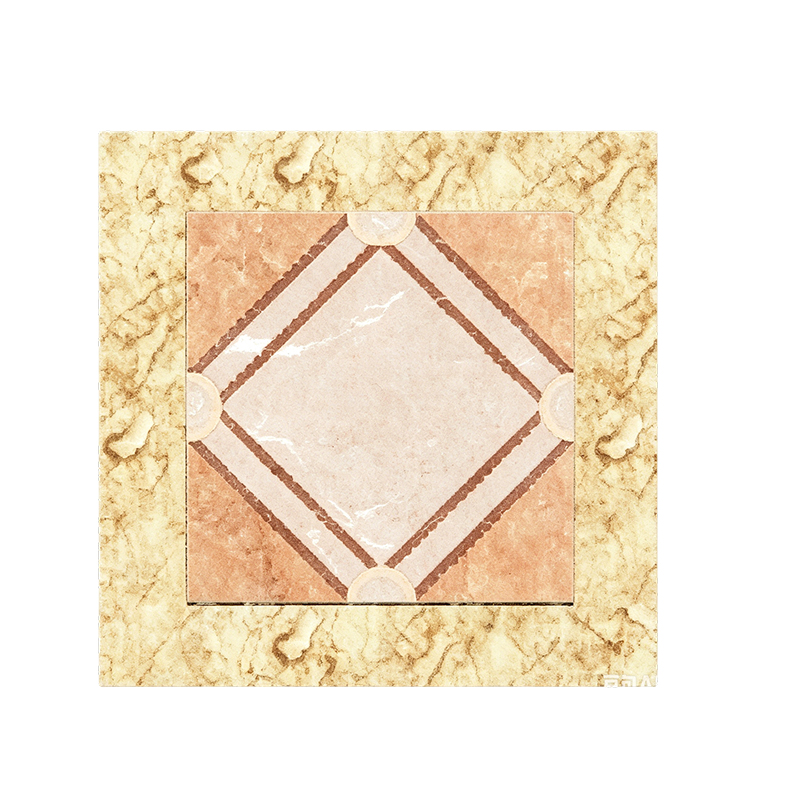
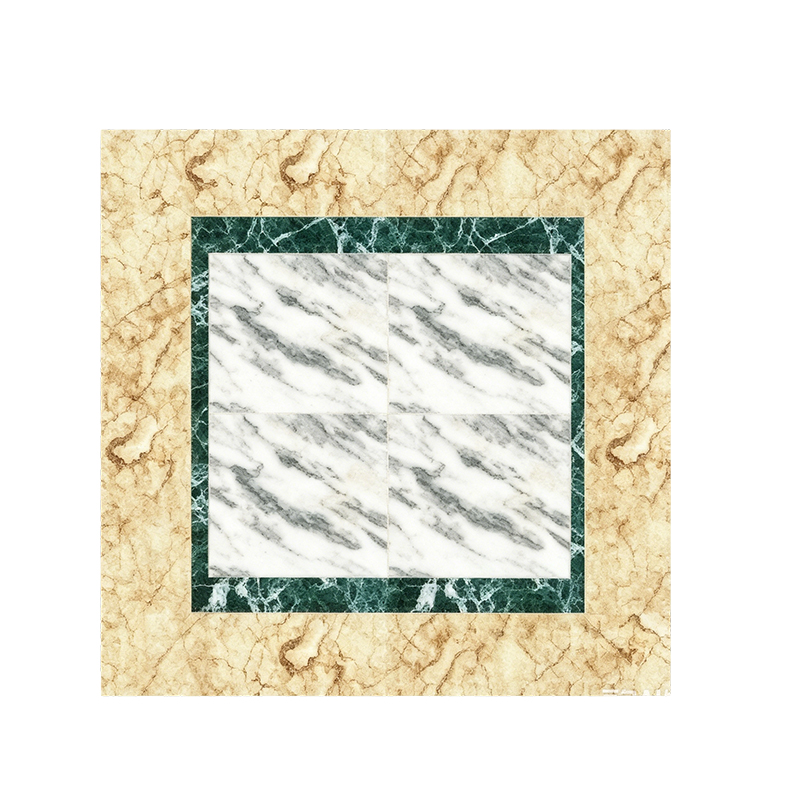
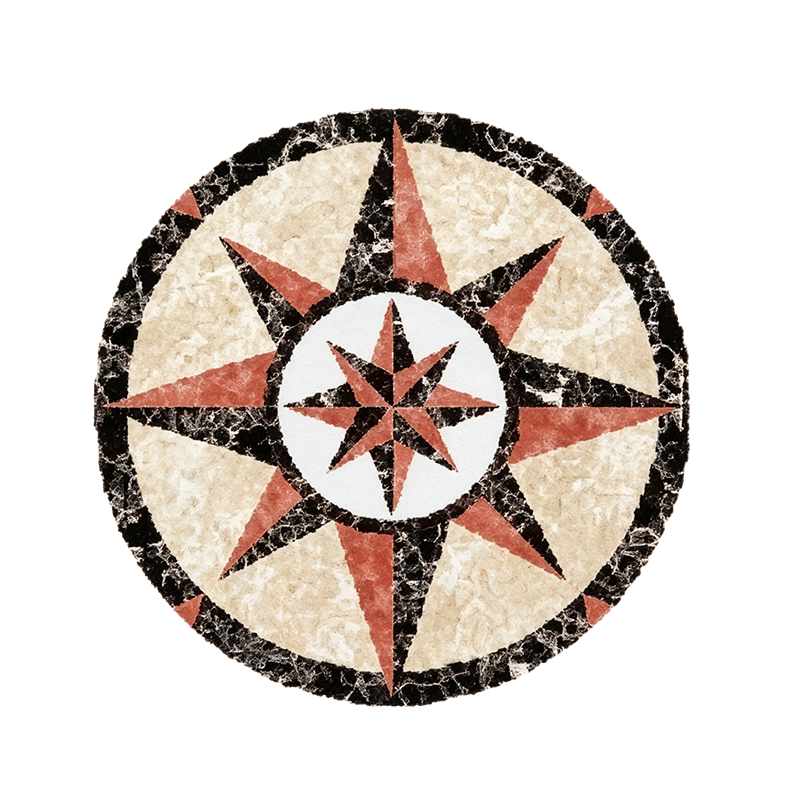
Furthermore, elevator flooring serves as a key visual element in the overall design of the elevator car. Modern elevators increasingly emphasize spatial aesthetics; flooring designs featuring diverse materials, colors, and textures can harmonize with cabin walls, ceilings, handrails, and lighting systems, creating a space that is both comfortable and stylish.
What Factors Define High-Quality Elevator Flooring?
Material Selection Impacts Elevator Flooring Performance
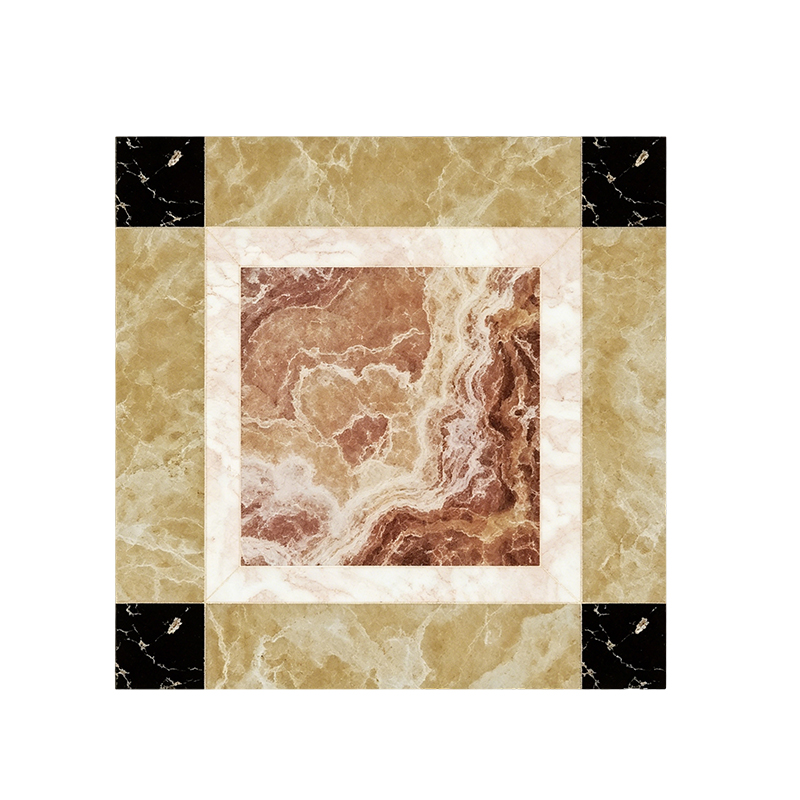
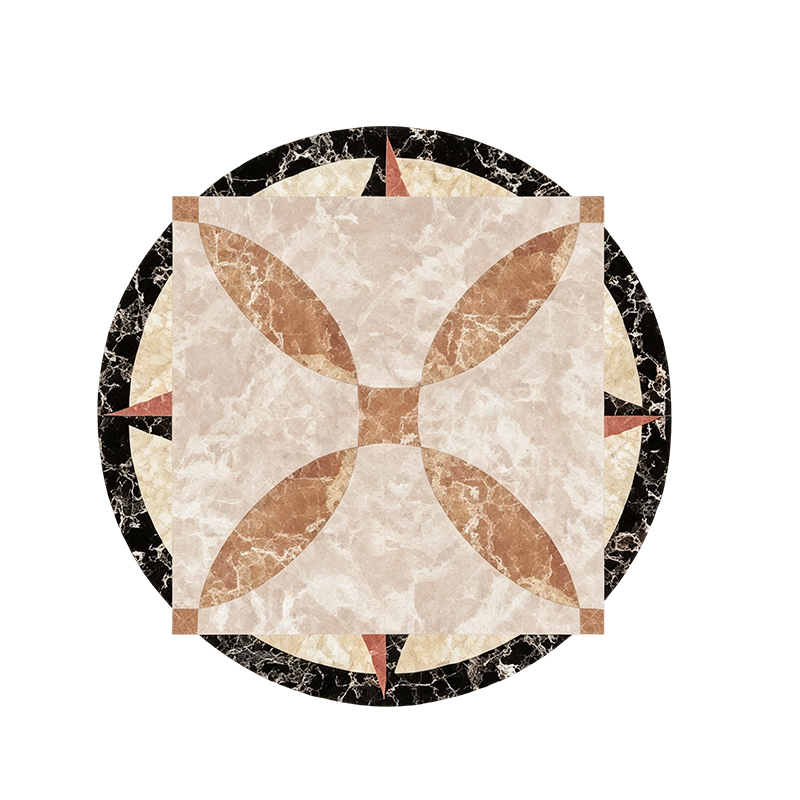
The choice of flooring material is a critical factor in determining product performance. Common materials on the market include PVC, marble, stainless steel, anti-slip metal plating, composite materials, and innovative eco-friendly options.
Different applications have distinct requirements for flooring materials. For instance, residential elevators prioritize comfort, aesthetics, and ease of cleaning; commercial elevators require superior wear resistance and visual appeal; and freight elevators focus on load-bearing capacity and impact resistance.
Leading elevator manufacturers must make appropriate selections based on building type, usage environment, and client needs, rather than simply opting for a single material. Tenau Elevator (China) Co., Ltd. maintains a comprehensive system covering design, R&D, manufacturing, installation, and after-sales service. We provide customized elevator solutions tailored to specific project requirements, optimizing everything from the structural framework to the interior finishes.
Slip and Wear Resistance Ensure Long-Term Safety
Elevator floors are constantly exposed to friction from footwear, dust, moisture, and other external elements; therefore, wear resistance and slip resistance are vital technical specifications.
This is particularly important in public spaces like hospitals, hotels, and shopping malls, where floors can become slippery due to rainwater, cleaning operations, or liquids carried by passengers. Installing slip-resistant flooring effectively enhances safety as passengers enter and exit the elevator.
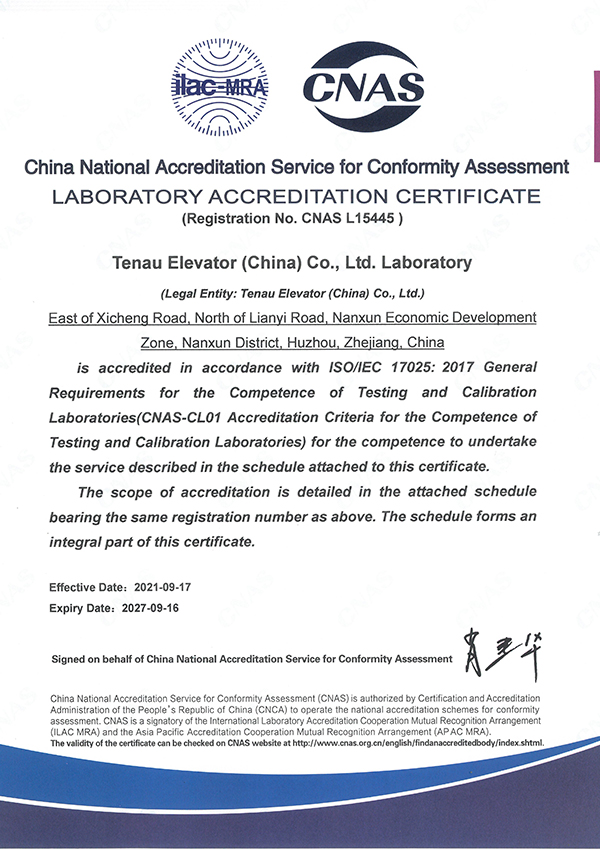
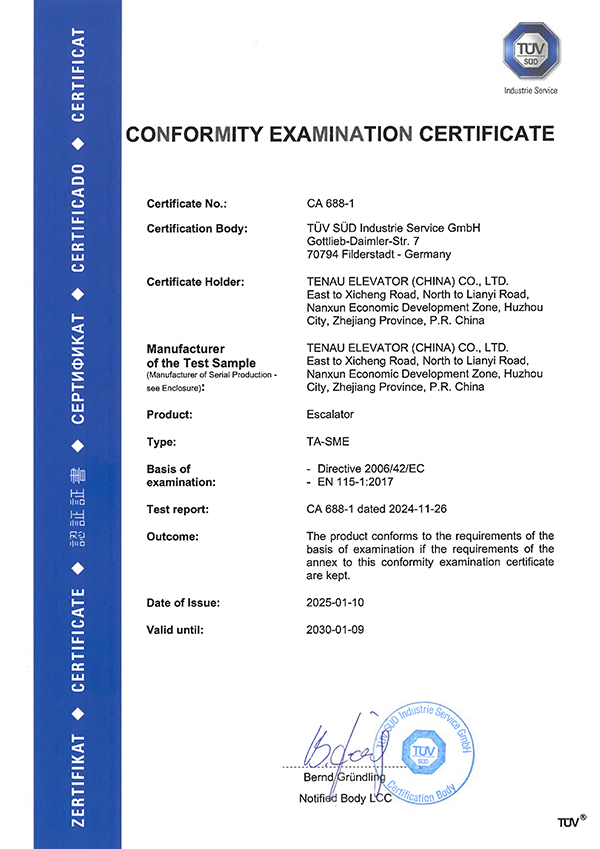
At the same time, wear resistance determines how well the elevator's interior maintains its condition over time. Flooring surfaces prone to scratches, fading, or damage not only detract from the aesthetic appeal but also drive up maintenance costs. Consequently, manufacturers must select materials that have undergone rigorous testing and validation to ensure long-term, reliable performance.
How Does Elevator Flooring Influence the Overall Design Quality?
As the construction industry moves toward smarter, more human-centric designs, elevators have evolved from mere modes of transport into integral components of architectural space. Interior elevator design increasingly emphasizes comfort, a sense of modernity, and brand identity.
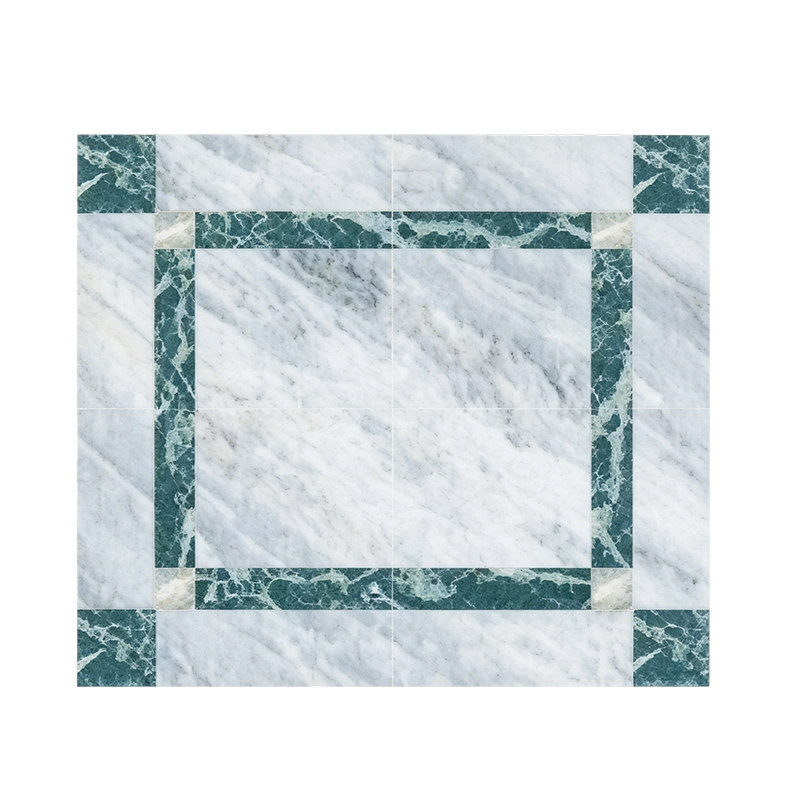
As one of the most visually prominent areas within the elevator car, the flooring significantly influences the overall atmosphere of the space. For instance, high-end hotels might opt for marble flooring with natural veining to convey a sense of luxury; modern office buildings might utilize sleek, durable composite materials to highlight professionalism and a high-tech aesthetic; while residential projects often favor designs that are warm, eco-friendly, and easy to maintain.
Leveraging German technical expertise and robust R&D capabilities, Tenau Elevator (China) Co., Ltd. seamlessly integrates functionality and aesthetics into its elevator designs. The company offers a comprehensive product portfolio—including passenger elevators, freight elevators, escalators, and moving walks—and possesses the capability to develop and manufacture low-, medium-, high-, and ultra-high-speed elevators, thereby meeting the diverse performance and design requirements of various architectural settings.
How Do You Choose the Right Elevator Flooring for Your Project?
When selecting elevator flooring, one should look beyond mere appearance and price, focusing instead on practical usage requirements.
It is essential to identify the specific application environment. Residential projects should prioritize comfort, aesthetics, and ease of maintenance; commercial buildings require durability, slip resistance, and the ability to withstand high-frequency use; and industrial settings demand superior load-bearing capacity and impact resistance.
Consider the comprehensive capabilities of the elevator manufacturer. High-quality elevator flooring does not exist in isolation; it must harmonize with the car structure, the operating system, and the overall design. Elevator companies with integrated R&D and manufacturing capabilities can optimize products from a systems perspective, ensuring superior coordination among all components.
With years of industry experience and a comprehensive service network, Tenau Elevator (China) Co., Ltd. provides end-to-end support—spanning project planning, product design, installation and commissioning, and after-sales maintenance—to help clients create safe, efficient elevator systems that deliver an excellent user experience.
FAQ
Q1: What materials are commonly used for elevator flooring?
Common materials include PVC, marble, stainless steel, anti-slip metal plating, and eco-friendly composites; different materials are suited to different application environments.
Q2: Why is anti-slip performance important for elevator flooring?
As elevators—particularly those in public areas—experience high-frequency use, anti-slip flooring mitigates safety risks associated with wet or slippery conditions and enhances the overall riding experience.
Q3: How should businesses choose suitable elevator flooring?
Businesses should make a comprehensive selection based on factors such as building type, frequency of use, load-bearing requirements, and design style, while also considering the elevator manufacturer's overall technical capabilities.
Q4: Can elevator flooring be customized according to project requirements?
Yes. Professional elevator manufacturers can typically customize flooring materials, colors, and textures based on architectural design, client needs, and the operating environment.
 export@tenau.com.cn
 +86-18601458867
 +86-512-65059883