


 en
en Español
 русский
 中文简体
中文简体



What Safety Features Are Integrated Into Modern Airport Moving Walkways?
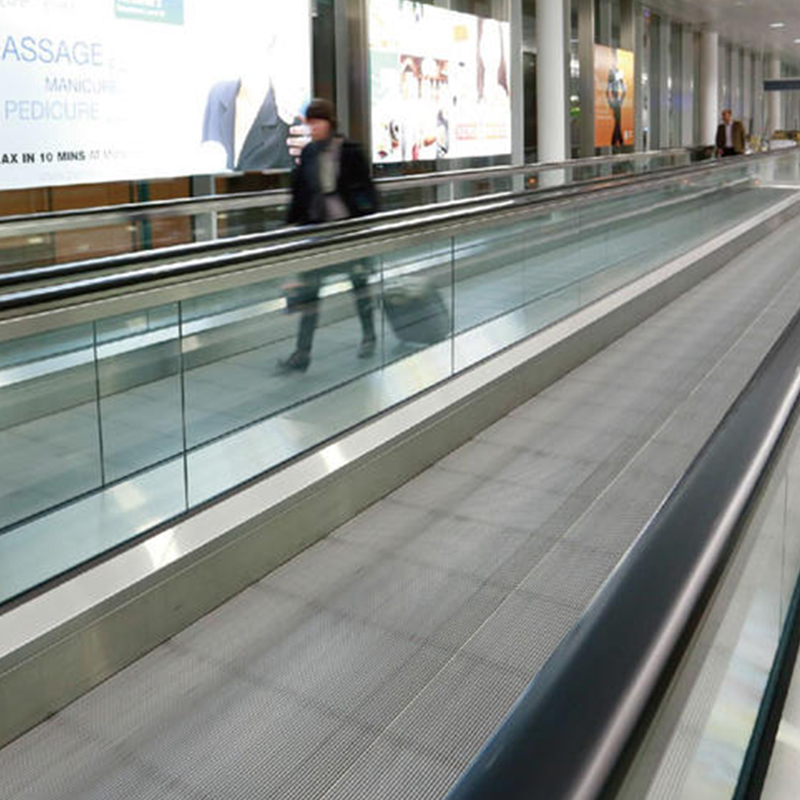
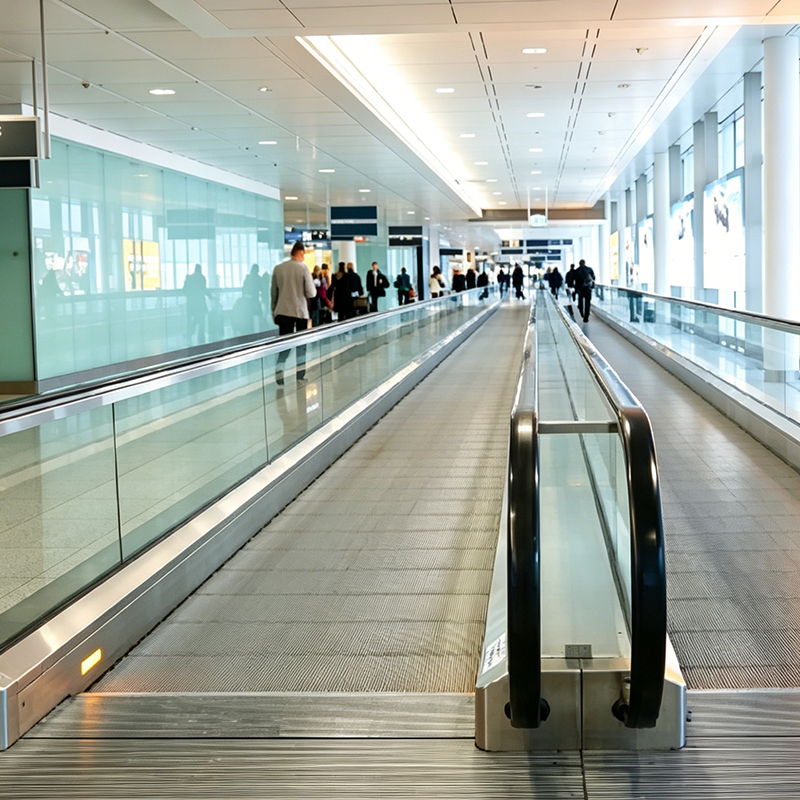
Airports require efficient passenger transportation systems to handle long-distance walking routes, heavy passenger flows, and continuous operation demands. As an important part of airport infrastructure, the airport moving walkway integrates advanced safety technologies to provide smooth, reliable, and secure passenger movement. Unlike traditional walking paths, modern moving walkways combine mechanical design, intelligent control systems, and protective structures to reduce operational risks and improve user experience.
A moving walkway is designed to transport passengers horizontally or along slight inclines, especially in terminals, boarding areas, and connection passages. Sometimes referred to as a moving walk way escalator, this equipment focuses on safe mobility, accessibility, and high-frequency operation. Through multiple safety features, modern systems can effectively protect passengers while maintaining stable performance in demanding airport environments.
Advanced Safety Control Systems for Airport Moving Walkways
One of the most important safety features integrated into modern airport moving walkways is the intelligent control system. The control unit continuously monitors operating conditions, detects abnormal situations, and adjusts system performance when necessary.
Modern control technology allows the equipment to identify problems such as excessive speed, motor overload, or unexpected mechanical resistance. When a potential safety risk is detected, the system can activate protective measures, including automatic stopping or operational adjustment.
| Safety Function | Purpose | Operational Benefit |
|---|---|---|
| Intelligent monitoring system | Detect abnormal operating conditions | Reduces potential equipment failures |
| Automatic stop function | Stops operation during emergencies | Protects passengers from injury risks |
| Speed control technology | Maintains stable movement speed | Improves passenger comfort and safety |
| Fault detection system | Identifies mechanical or electrical issues | Supports preventive maintenance |
These technologies enable an airport moving walkway to operate safely for long periods while reducing the impact of unexpected situations.
Emergency Protection Features Improve Passenger Security
Passenger safety is a primary consideration in the design of a moving walkway. Modern airport systems include various emergency protection components that allow quick response during unusual conditions.
Emergency stop buttons are installed in accessible locations so passengers or maintenance personnel can immediately stop the equipment if necessary. Safety sensors can also detect objects trapped in critical areas, preventing further movement and reducing the possibility of accidents.
In addition, modern moving walk way escalator systems usually include protective devices around entrances, exits, and moving components. These designs help prevent passengers’ belongings, footwear, or other objects from entering unsafe areas.
Safety Design of Handrails and Walking Surfaces
The physical structure of an airport moving walkway plays an essential role in passenger protection. Handrails, entrance plates, and walking surfaces are carefully designed to provide stability and reduce slipping risks.
The handrail system moves at a synchronized speed with the walkway belt, allowing passengers to maintain balance during transportation. Anti-slip materials are commonly applied to walking surfaces to improve traction, especially in high-traffic airport environments where passengers may carry luggage.
| Component | Safety Function | Common Material Characteristics |
|---|---|---|
| Walking belt | Provides passenger transportation | Wear-resistant and anti-slip surface |
| Handrail | Supports passenger balance | Durable, flexible, and easy to maintain |
| Side panels | Prevent contact with moving parts | Strong protective structure |
| Entrance and exit plates | Guide passenger movement | Smooth transition design |
The combination of ergonomic design and durable materials helps create a safer passenger experience.
Intelligent Sensor Technology for Risk Prevention
Sensor technology has become a key feature in modern moving walkway systems. Sensors installed throughout the equipment monitor passenger movement, component conditions, and operational status.
For example, sensors can detect unusual objects near the entrance area, monitor the position of moving components, and provide feedback to the control system. This allows the equipment to respond quickly before a minor issue develops into a larger safety concern.
For airports with continuous passenger flow, these intelligent features are especially important because they support reliable operation during busy periods.
Structural Safety and Durable Manufacturing Materials
The structural design of an airport moving walkway must withstand frequent use and different environmental conditions. High-strength materials are selected for key components to improve durability and reduce maintenance requirements.
The frame structure, drive system, and protective components are engineered to maintain stability during long-term operation. Proper material selection also helps reduce vibration and noise, creating a more comfortable passenger environment.
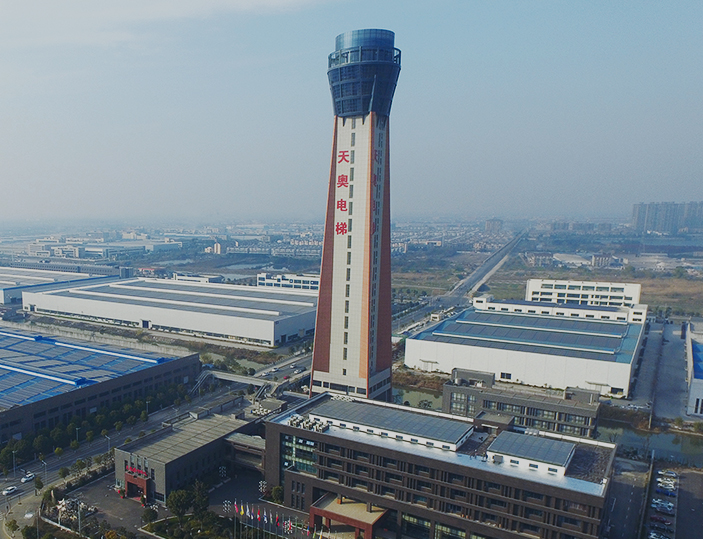
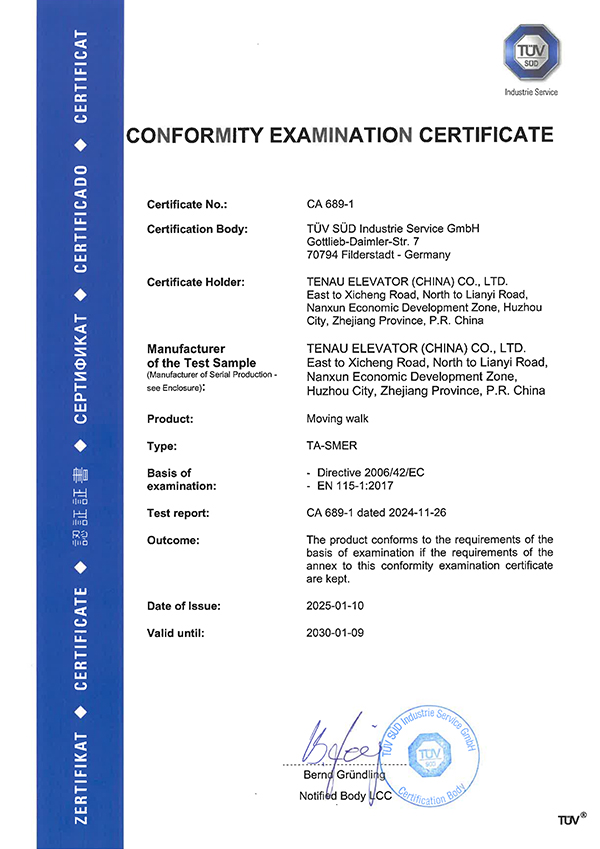
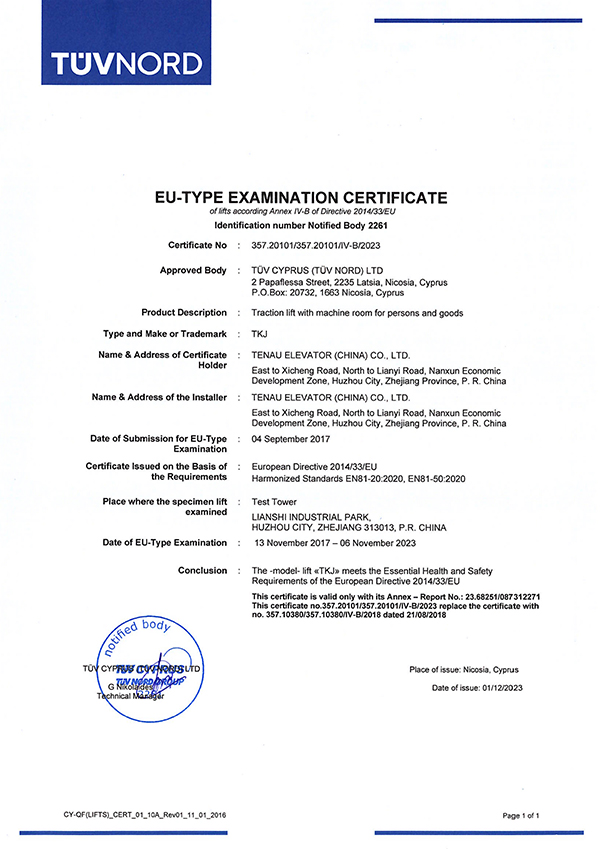
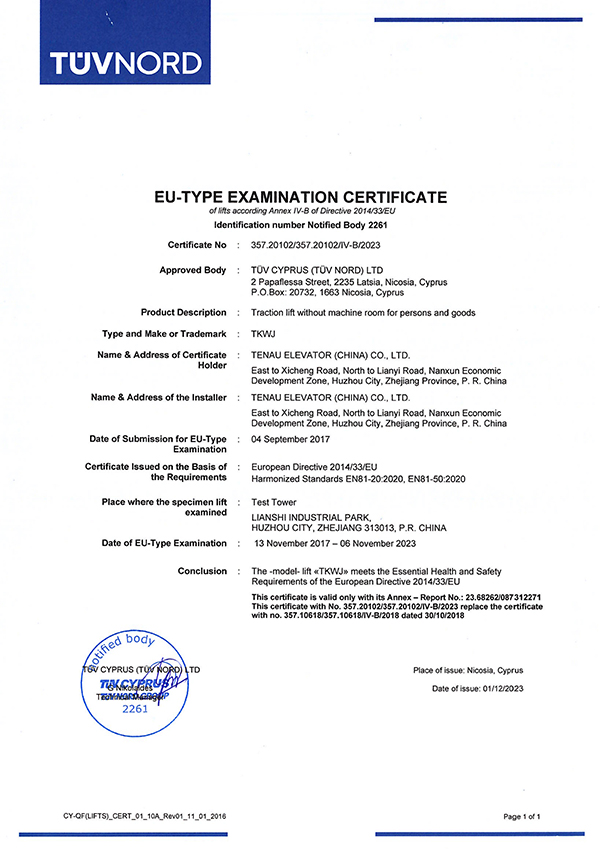
Tenau Elevator (China) Co., Ltd. is a professional comprehensive elevator manufacturer integrating design, R&D, manufacturing, marketing, installation, and after-sales service. The company focuses on safety and environmental protection while developing intelligent elevator ecosystems. Its product range includes passenger elevators, freight elevators, escalators, and moving walks, supported by diversified design and manufacturing capabilities.
Maintenance-Friendly Safety Features
Safety does not only depend on built-in protection systems; regular inspection and maintenance are also essential for reliable operation. Modern airport moving walkways are designed with maintenance accessibility in mind, allowing technicians to inspect important components efficiently.
Modular structures, monitoring systems, and diagnostic functions help maintenance teams identify potential issues earlier. This improves equipment availability and ensures that safety functions remain effective throughout the product lifecycle.
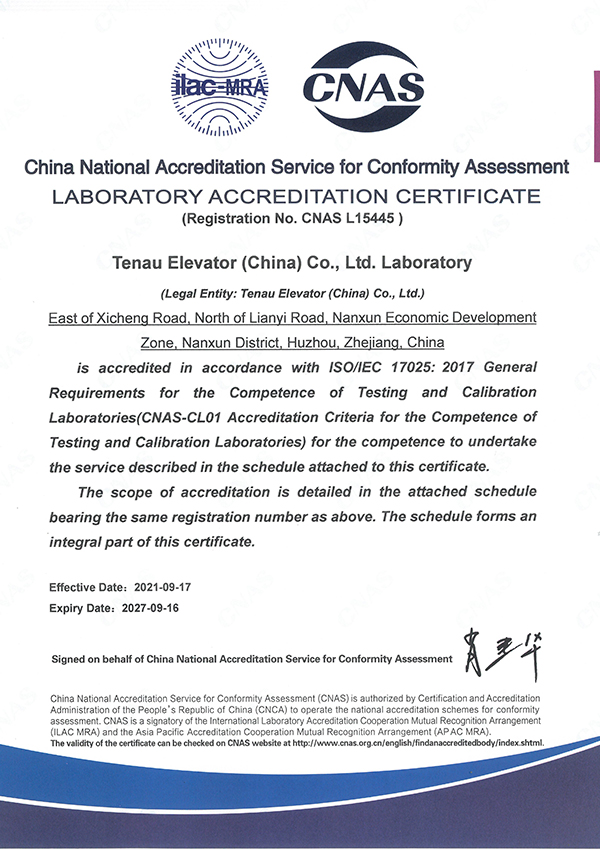
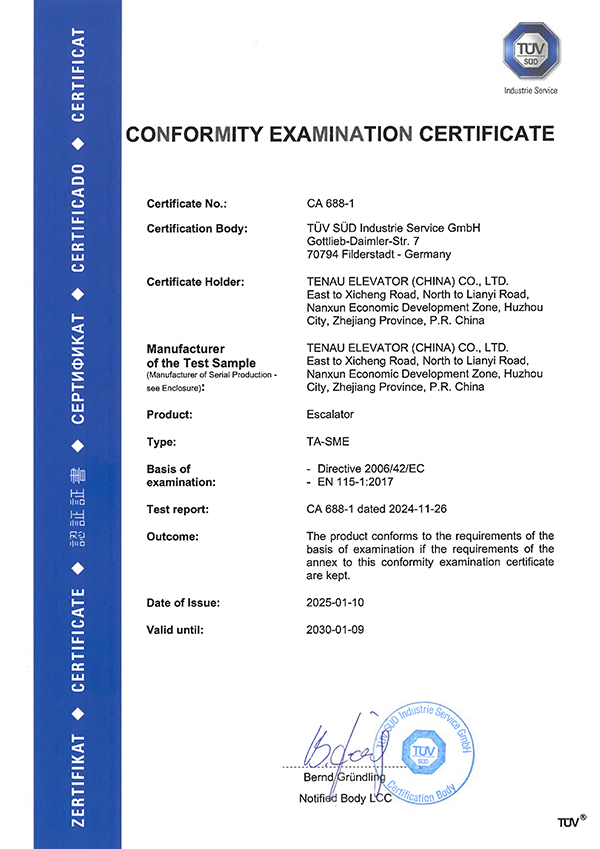
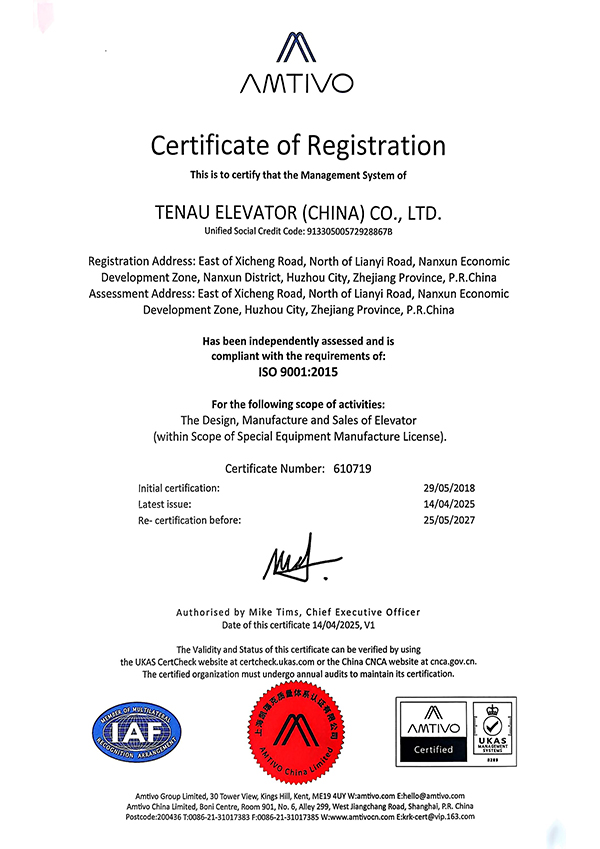
Tenau Elevator introduces advanced technologies and strict management systems while complying with ISO9001 Quality Management System, ISO14001 Environmental Management System, and OHSMS18001 Occupational Health and Safety Management System. These systems support consistent manufacturing quality and safety management.
Energy Efficiency and Passenger Safety Integration
Modern moving walkway solutions increasingly combine energy-saving technology with safety functions. Intelligent operation modes can adjust equipment performance according to passenger demand, reducing unnecessary energy consumption while maintaining safe transportation.
Energy-efficient motors, optimized control systems, and durable components contribute to sustainable airport operations. At the same time, safety monitoring remains active to ensure that energy management does not affect passenger protection.
Tenau Elevator (China) Co., Ltd. continues to improve elevator and moving walkway technologies through integrated research, manufacturing, and service capabilities. Its commitment to safety, environmental protection, and intelligent development supports the advancement of modern transportation solutions.
Conclusion
Modern airport moving walkways integrate multiple safety features, including intelligent monitoring systems, emergency protection devices, anti-slip structures, sensor technology, and durable construction designs. These features work together to provide passengers with a safer and more comfortable transportation experience.
FAQ
Q1: What is the main safety function of an airport moving walkway?
The main safety function is to provide controlled passenger transportation through intelligent monitoring, emergency stopping systems, and protective structures that reduce operational risks.
Q2: How does a moving walkway prevent passenger accidents?
A moving walkway prevents accidents through features such as anti-slip surfaces, synchronized handrails, safety sensors, and emergency stop devices.
Q3: What is the difference between a moving walkway and a moving walk way escalator?
A moving walkway is mainly designed for horizontal or slightly inclined transportation, while a moving walk way escalator generally refers to systems that combine moving walkway functions with escalator-style inclined transportation.
Q4: Why are sensors important in modern airport moving walkways?
Sensors help monitor equipment conditions, detect abnormal situations, and allow the control system to respond quickly to potential safety issues.
Q5: How can regular maintenance improve moving walkway safety?
Regular maintenance ensures that mechanical components, safety devices, and control systems continue operating effectively, improving reliability and extending service life.
 export@tenau.com.cn
 +86-18601458867
 +86-512-65059883