


 en
en Español
 русский
 中文简体
中文简体

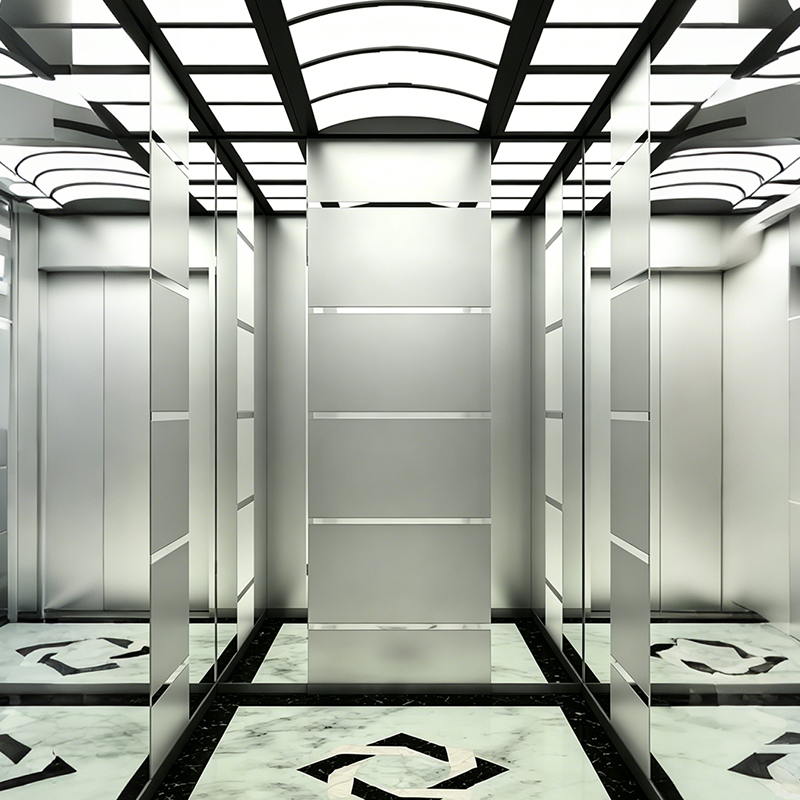
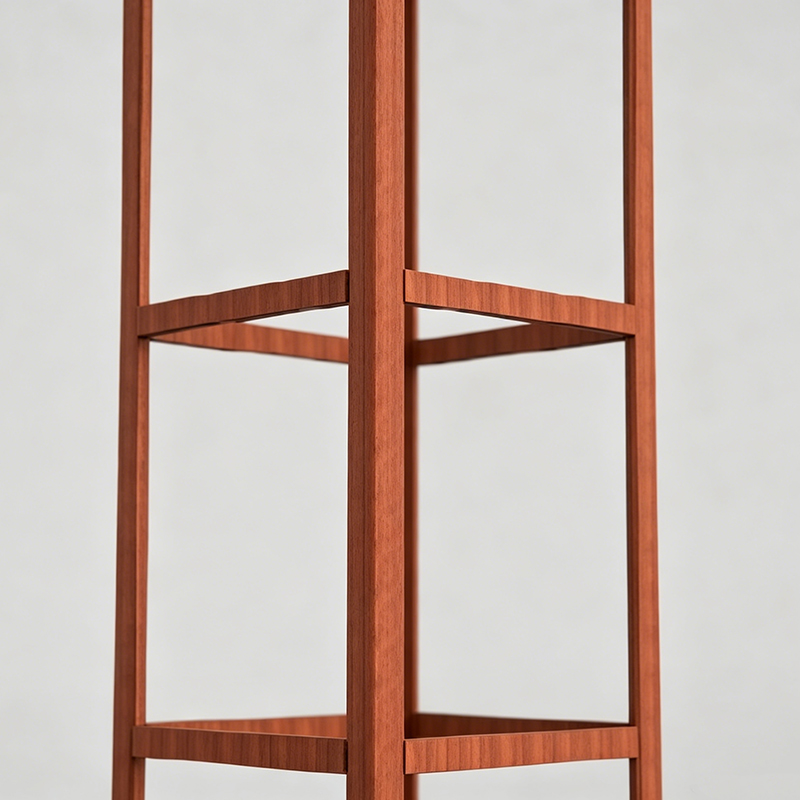
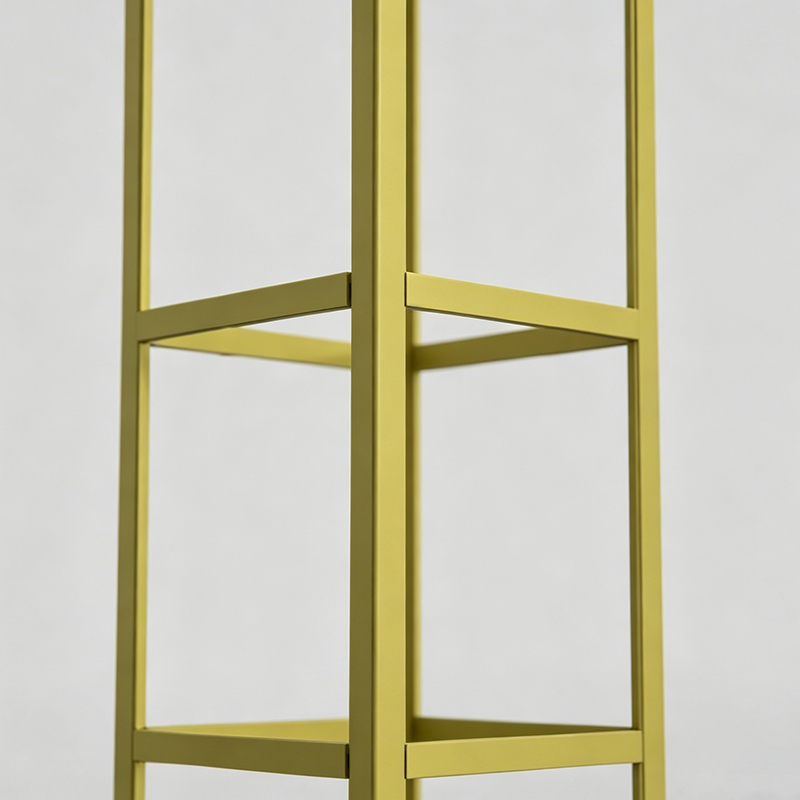
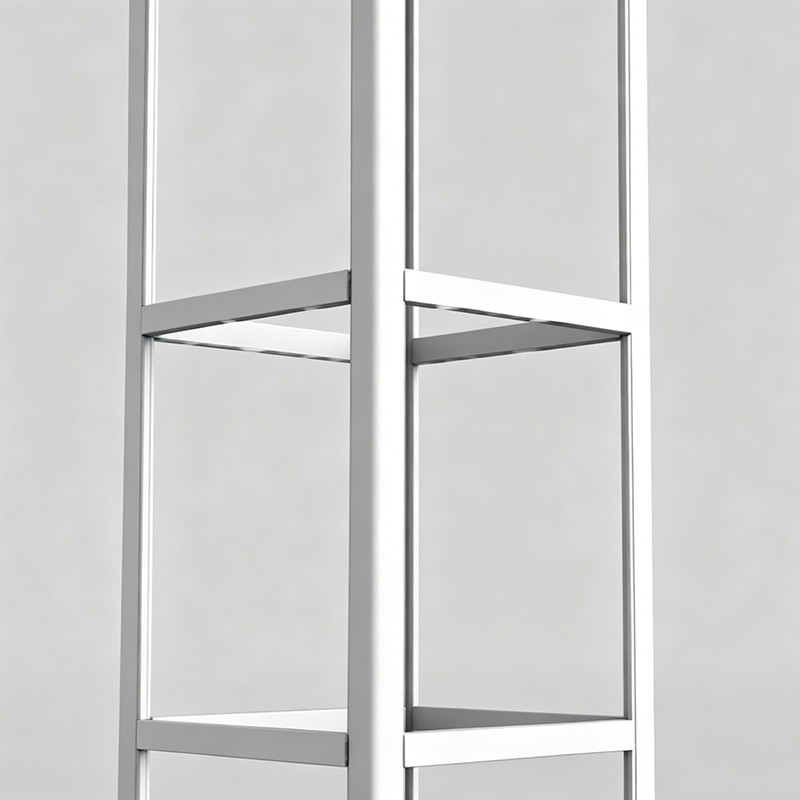
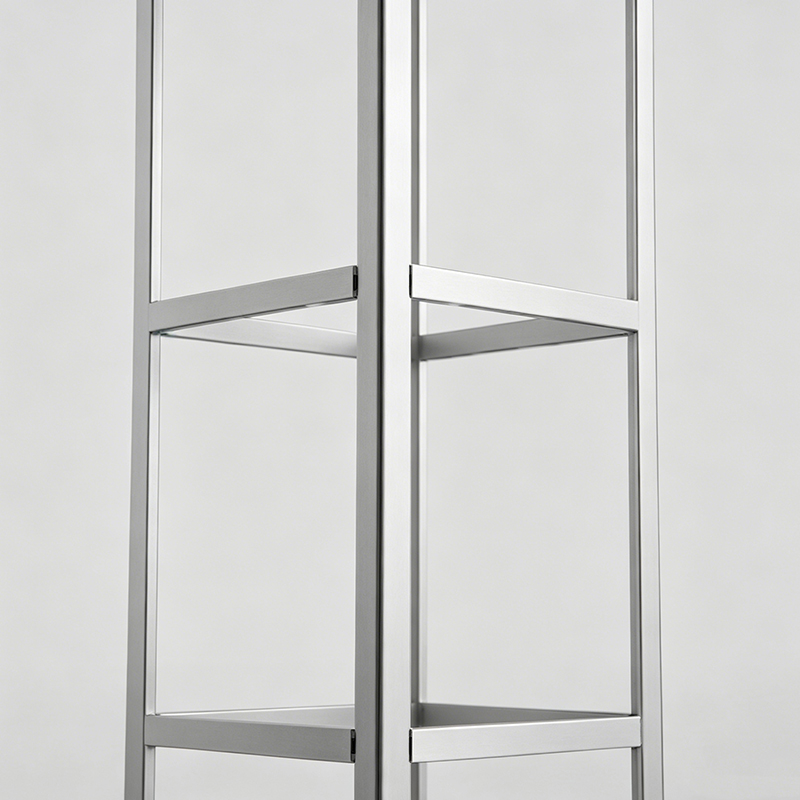



How Does the Elevator Hoistway Frame Ensure Elevator Safety and Structural Stability?
In modern architecture, elevators have become essential transportation systems connecting different floors. Whether in commercial complexes, residential buildings, office towers, hospitals, hotels, or transportation hubs, the safety, operational stability, and service life of an elevator system are directly influenced by the building structure and the quality of its core components. Among the many components of an elevator, the hoistway frame—while perhaps less visible to passengers than the car or control system—serves as a crucial structural foundation supporting the entire operational environment.
While many people focus on elevator speed, load capacity, and intelligent control features, the structural design within the hoistway is often overlooked. In reality, the elevator hoistway frame performs multiple critical functions, including supporting the installation of guide rails and equipment, maintaining the necessary operating space, and ensuring overall structural stability. A well-designed and precision-manufactured hoistway frame not only enhances operational safety but also reduces long-term maintenance costs, providing a reliable guarantee for stable, enduring performance.
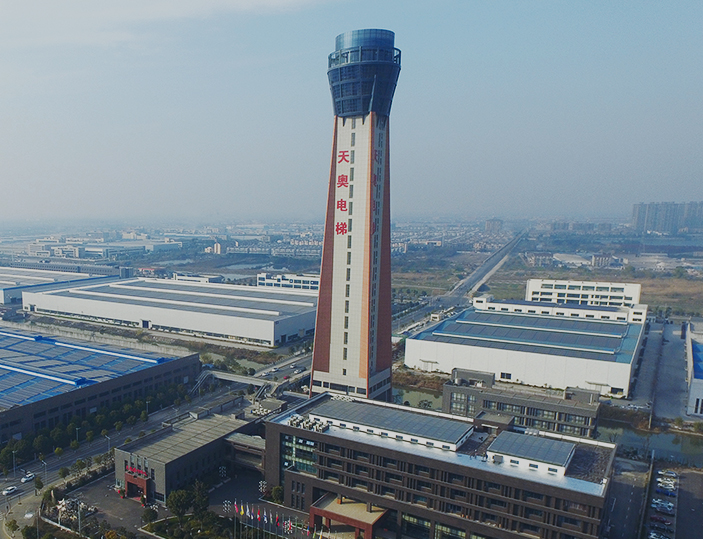
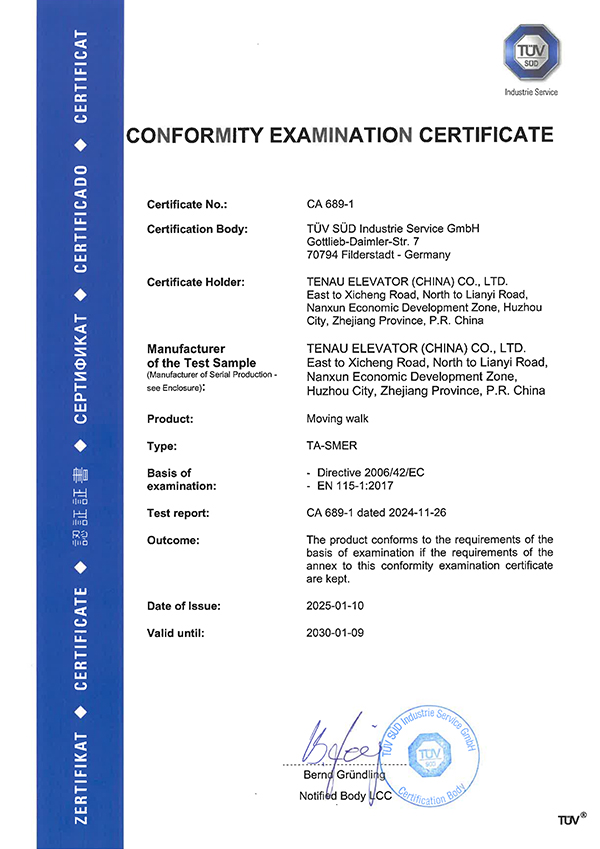
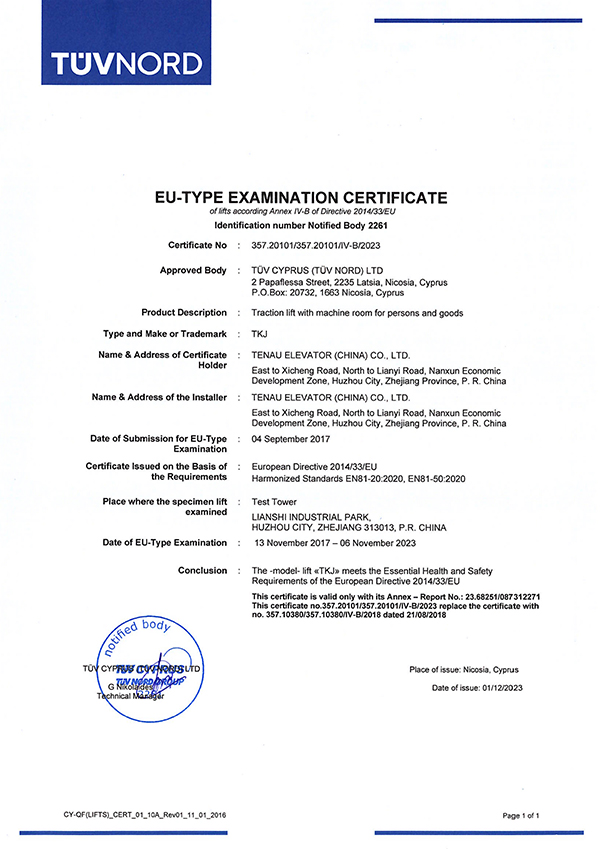
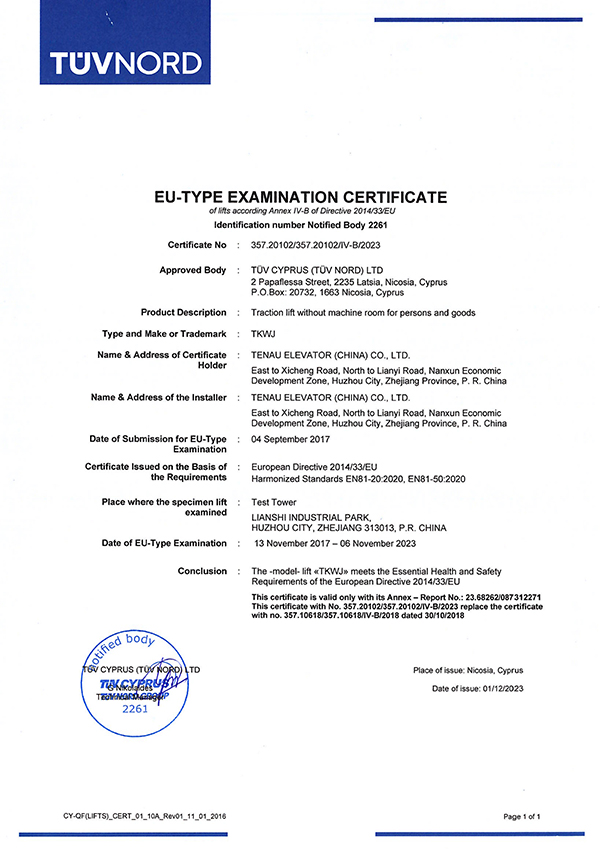
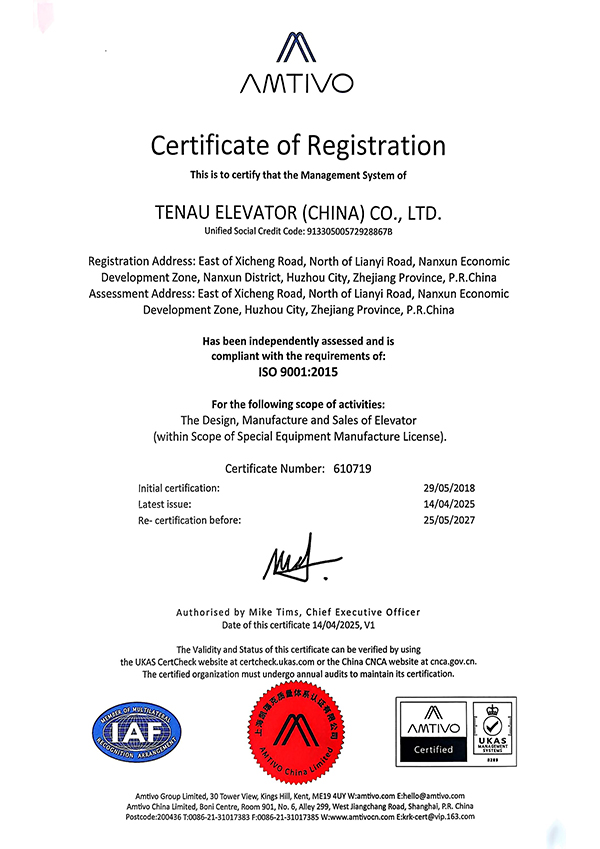
As a professional elevator manufacturer, Tenau Elevator (China) Co., Ltd. prioritizes engineering quality in every detail of its elevator systems. Integrating design, R&D, manufacturing, marketing, installation, and after-sales service, the company is committed to creating smarter elevator ecosystems for global clients based on core principles of safety and environmental sustainability. In the realm of structural design, Tenau focuses on optimizing key components from a holistic system perspective, ensuring its products adapt seamlessly to diverse architectural environments and application requirements.
What Role Does the Elevator Hoistway Frame Play in the Elevator System?
The elevator hoistway frame is a vital structural component installed within the elevator shaft; it creates a stable support framework that provides the precise, safe spatial conditions required for elevator operation. It works in conjunction with the shaft structure, guide rail system, landing door assemblies, and other mechanical equipment to form the complete operational environment.
The hoistway frame provides a stable mounting foundation for the elevator guide rails. During operation, the elevator car and counterweight move vertically along these rails, and the positional accuracy of the rails directly impacts ride smoothness. Insufficient frame strength or installation inaccuracies can lead to vibrations, increased noise, or even operational deviations during travel. Therefore, a high-quality elevator hoistway frame helps maintain long-term guide rail stability and enhances ride comfort.
The hoistway frame reinforces the overall reliability of the elevator structure. As building heights increase and elevator speeds and load capacities rise, greater demands are placed on the load-bearing capacity of the internal hoistway structure. A professionally designed frame structure effectively distributes loads and enhances resistance to deformation during operation.
Modern elevator projects increasingly prioritize construction efficiency and space utilization. A well-designed hoistway frame optimizes the installation process and allows the elevator system to adapt to diverse architectural conditions; this is particularly crucial for building renovations, projects with limited space, and specialized engineering applications.
Why Is a High-Quality Elevator Hoistway Frame Vital for Elevator Safety?
Elevators are systems designed for long-term operation, subjected daily to frequent starts and stops, fluctuating loads, and environmental stressors. Consequently, all fundamental structural components must demonstrate long-term reliability.
First and foremost, an elevator hoistway frame requires excellent mechanical strength. Dynamic loads generated during elevator operation exert continuous force on the hoistway structure; improper material selection or inadequate manufacturing processes can compromise the stability of the entire system. High-quality frames utilize high-strength materials that meet rigorous standards and undergo precise processing to ensure dimensional accuracy and structural integrity.
Corrosion resistance is another critical factor. Given that elevator hoistways are subject to humidity fluctuations, temperature variations, and environmental stress over time, the frame must be highly durable. Effective surface treatment processes significantly extend service life and reduce the frequency of future maintenance.
Furthermore, installation precision directly impacts the elevator's ultimate performance. An excellent hoistway frame requires not only reliable materials and manufacturing capabilities but also seamless compatibility with the overall elevator system. Precise planning during the design phase minimizes the need for on-site adjustments and boosts installation efficiency.
Tenau Elevator (China) Co., Ltd. integrates structural safety, operational efficiency, and user experience into its elevator research, development, and manufacturing processes. Backed by a professional R&D team and a comprehensive manufacturing system, the company offers a wide range of products—including passenger elevators, freight elevators, escalators, and moving walks—with capabilities spanning low- to ultra-high-speed elevator systems, enabling the provision of tailored solutions to meet diverse architectural requirements.
What Factors Must Be Considered When Designing an Elevator Hoistway Frame?
An excellent elevator hoistway frame design is not merely a simple structural assembly; it requires a comprehensive assessment of architectural conditions, elevator types, operational parameters, and future maintenance needs.
Spatial Adaptability
Spatial adaptability is a crucial design factor. Different building projects have varying requirements regarding hoistway dimensions, installation methods, and equipment layout. For instance, residential projects typically prioritize space utilization and ride comfort, whereas commercial buildings place greater emphasis on stability during high-frequency operation. Consequently, the frame design must be optimized for the specific application scenario.
Structural Compatibility
Structural compatibility is equally important. The elevator hoistway frame must work in harmony with guide rails, door systems, control equipment, and other elevator components. Only through seamless integration among these systems can long-term, stable elevator operation be guaranteed.
Environmental and Intelligent Design Requirements
The modern elevator industry is increasingly prioritizing environmental sustainability and intelligent technology. As energy-efficiency standards for buildings rise, manufacturers must focus not only on equipment performance but also on optimizing material usage, production processes, and energy efficiency.
Upholding a philosophy of safety and environmental responsibility, Tenau Elevator (China) Co., Ltd. continuously explores smarter, more efficient elevator solutions during product development to meet the evolving demands of both domestic and international markets.
How Do You Select a Reliable Elevator Hoistway Frame Supplier?
For elevator manufacturers, engineering contractors, and real estate developers, selecting the right hoistway frame supplier directly impacts project quality.
Evaluate Technical R&D Capabilities
One should focus on the supplier's technical R&D capabilities. Top-tier companies are capable of producing standardized products while also offering customized design support tailored to specific project needs. Elevator projects often involve diverse architectural structures; suppliers with strong engineering adaptability are better equipped to resolve practical installation challenges.
Check Manufacturing Capabilities and Quality Control
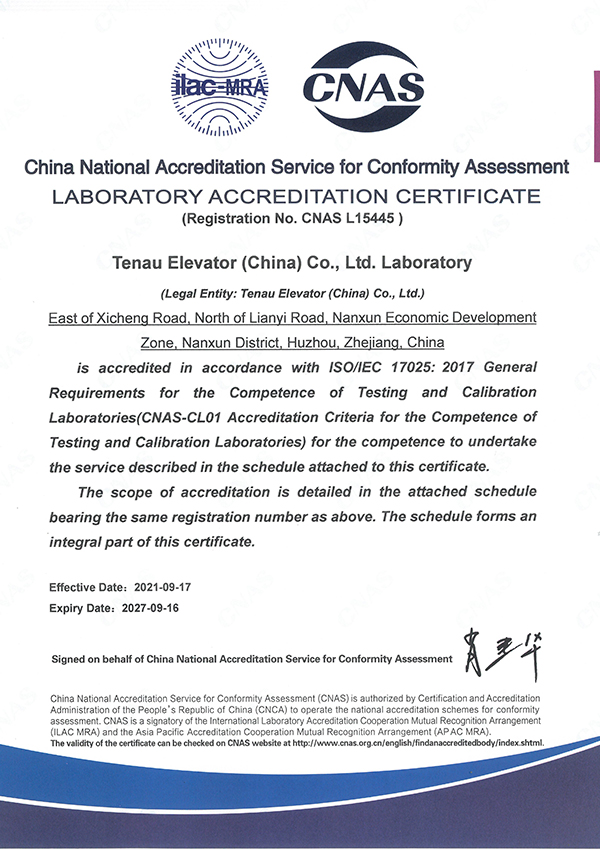
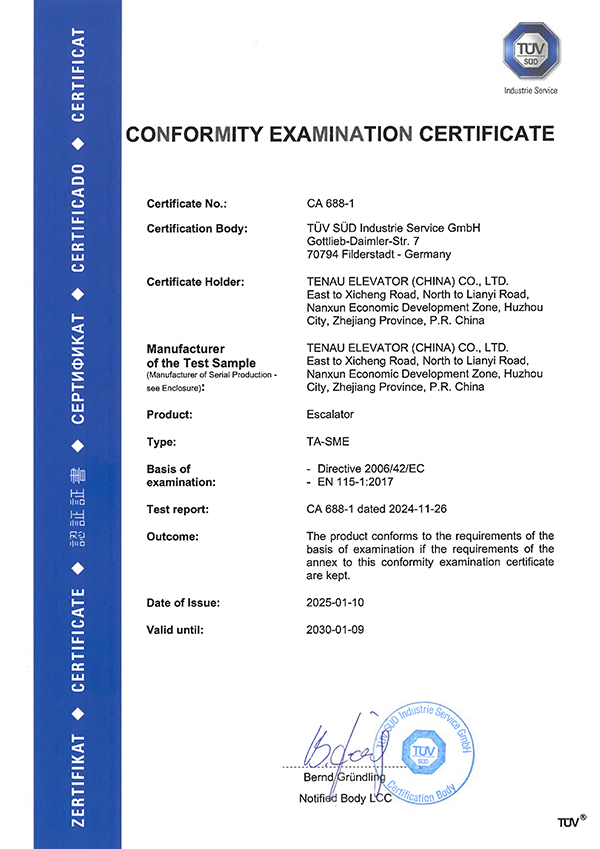
Manufacturing capabilities and quality management systems must also be evaluated. As the hoistway frame is a safety-critical structural component, its production requires rigorous control over material quality, machining precision, and inspection procedures. A robust manufacturing system minimizes product deviations and enhances overall reliability.
Consider Comprehensive Service Support
Finally, consider the company's comprehensive service capabilities. Elevators involve more than just a one-time equipment purchase; they require installation, commissioning, maintenance, and long-term technical support. Companies with a complete service infrastructure can deliver sustained value to their customers.
Tenau Elevator (China) Co., Ltd. is located in Nanxun, Zhejiang—at the heart of the economic hub encompassing Shanghai, Nanjing, Suzhou, and Hangzhou—a region boasting a strong manufacturing foundation and excellent transportation connectivity. Leveraging German technical expertise, local manufacturing advantages, and a comprehensive service system, Tenau provides global customers with one-stop elevator services—ranging from initial design to after-sales support.
FAQ: Common Questions About Elevator Hoistway Frames
Q1: What Is the Primary Function of an Elevator Hoistway Frame?
A: The elevator hoistway frame primarily supports the internal structure of the elevator shaft. It provides a stable mounting foundation for guide rails, door systems, and related equipment, while ensuring the accuracy and safety of the space in which the elevator operates.
Q2: Does the Elevator Hoistway Frame Affect Ride Comfort?
A: Yes. The structural strength and installation precision of the hoistway frame affect guide rail stability, which in turn influences vibration, noise levels, and the overall passenger experience during operation.
Q3: What Factors Should Be Considered When Selecting a Supplier for Elevator Hoistway Frames?
A: It is recommended to focus on the supplier's R&D capabilities, manufacturing standards, quality control systems, and after-sales service capabilities to ensure the product meets long-term operational requirements.
Q4: Does Tenau Elevator (China) Co., Ltd. Provide Comprehensive Elevator Solutions?
A: Yes. Tenau Elevator (China) Co., Ltd. integrates design, R&D, manufacturing, installation, and after-sales service. The company offers a wide range of products—including passenger elevators, freight elevators, escalators, and moving walks—and provides professional solutions tailored to specific project requirements.
 export@tenau.com.cn
 +86-18601458867
 +86-512-65059883