


 en
en Español
 русский
 中文简体
中文简体
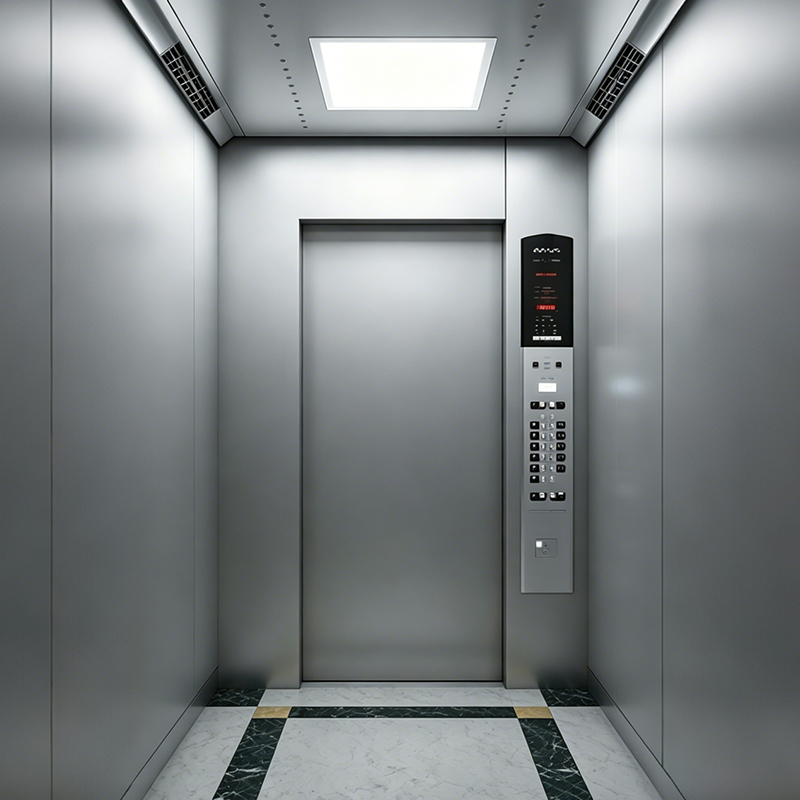
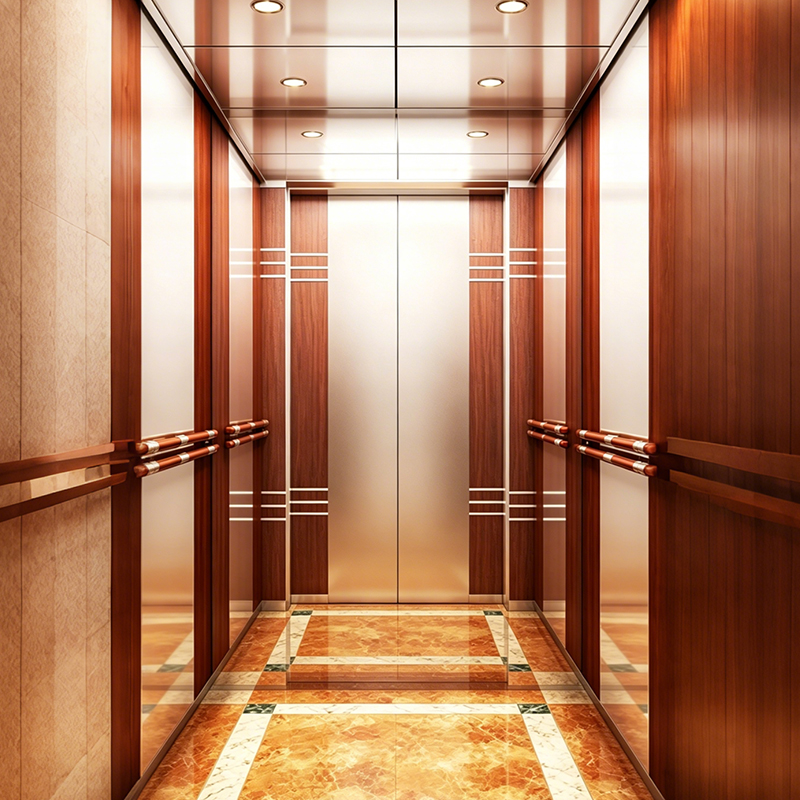



What Are the Main Benefits of Installing an MRL Freight Elevator?
What Is an MRL Freight Elevator?
A MRL freight elevator is a freight lifting system that eliminates the need for a separate machine room. Instead, the traction machine, controller, and related components are integrated within the hoistway or positioned in compact spaces near the shaft.
Unlike traditional freight elevators that require dedicated machine rooms above or beside the shaft, the machine room-less design optimizes building layout while maintaining stable lifting performance. This configuration allows architects and facility managers to maximize usable floor area without sacrificing lifting capacity or operational safety.
Today, the machine room-less freight elevator is widely used in manufacturing plants, warehouses, hospitals, shopping centers, office buildings, logistics hubs, and industrial facilities where cargo transportation is frequent.
Main Benefits of Installing an MRL Freight Elevator
1. Maximizes Building Space
One of the biggest advantages of an MRL cargo elevator is its compact design.
Since there is no separate machine room, valuable building space can be allocated to production, storage, offices, or commercial activities rather than equipment housing. This is particularly beneficial in projects where construction space is limited or expensive.
The compact configuration also offers greater flexibility during architectural planning, making it easier to integrate the elevator into both new construction and renovation projects.
2. Simplifies Building Design
Traditional freight elevators require additional structural planning for machine rooms, ventilation, and equipment access.
A machine room-less goods lift reduces these architectural requirements by integrating the drive system within the shaft. This simplifies construction coordination while reducing the complexity of installation planning.
Benefits include:
- Easier building layout
- Reduced structural modifications
- Better utilization of roof space
- Cleaner architectural appearance
3. Improves Energy Efficiency
Modern MRL freight elevators typically incorporate permanent magnet synchronous motors and advanced control technologies.
These systems deliver efficient lifting performance while consuming less energy compared with older conventional systems. During normal operation, intelligent drive systems optimize motor output according to the load, contributing to improved overall energy utilization.
Energy-efficient operation not only reduces operating costs but also supports environmentally responsible building management.
4. Provides Reliable Cargo Transportation
Freight elevators are designed primarily for transporting goods safely and efficiently.
An advanced machine room-less freight elevator offers stable acceleration, smooth stopping accuracy, and reliable load handling, helping protect transported materials while improving operational productivity.
Common cargo includes:
- Manufacturing equipment
- Warehouse pallets
- Packaging materials
- Retail merchandise
- Medical supplies
- Industrial components
Reliable lifting performance minimizes unnecessary downtime and helps maintain smooth logistics operations.
5. Reduces Maintenance Complexity
The compact arrangement of equipment allows maintenance personnel to access major components efficiently.
Modern monitoring systems also simplify routine inspections by providing diagnostic information that helps identify potential issues before they become significant failures.
Regular maintenance remains essential, but simplified equipment layouts often improve service efficiency and reduce maintenance interruptions.
6. Enhances Operational Safety
Safety is always the highest priority for freight transportation.
A quality MRL cargo elevator incorporates multiple safety systems designed to ensure stable operation under various working conditions.
Typical safety features include:
| Safety Function | Purpose |
|---|---|
| Door interlock system | Prevents operation when doors are open |
| Overload protection | Prevents lifting beyond rated capacity |
| Emergency braking | Stops the elevator safely during abnormal conditions |
| Speed monitoring | Maintains controlled travel speed |
| Automatic leveling | Improves loading and unloading safety |
These integrated systems help protect both cargo and operating personnel.
Typical Applications of Machine Room-Less Freight Elevators
Because of their flexibility and efficient space utilization, machine room-less goods lifts serve numerous industries.
| Industry | Typical Application |
|---|---|
| Manufacturing | Transporting raw materials and finished products |
| Warehousing | Moving pallets between storage levels |
| Logistics Centers | High-frequency cargo handling |
| Hospitals | Medical equipment and supply transportation |
| Shopping Centers | Goods delivery to retail floors |
| Hotels | Housekeeping and service logistics |
| Industrial Plants | Heavy material transportation |
Their adaptability allows them to meet diverse operational requirements while maintaining dependable performance.
Material and Structural Considerations
The structural design of an MRL freight elevator directly affects durability, reliability, and service life.
| Component | Common Material | Primary Benefit |
|---|---|---|
| Car frame | Structural steel | High strength and stability |
| Cabin walls | Stainless steel or painted steel | Corrosion resistance and easy cleaning |
| Floor plate | Reinforced steel plate | Supports heavy cargo loads |
| Guide rails | High-strength steel | Stable vertical guidance |
| Door panels | Stainless steel | Durable under frequent operation |
Selecting suitable materials helps ensure long-term performance in demanding industrial environments.
Factors to Consider Before Installation
Choosing the appropriate machine room-less freight elevator requires evaluating several project-specific factors.
Important considerations include:
- Required load capacity
- Lifting height
- Platform dimensions
- Available shaft size
- Door opening configuration
- Traffic frequency
- Building structure
- Future maintenance accessibility
- Safety compliance requirements
Proper planning ensures the selected system matches both current operational needs and future expansion plans.
Supporting Intelligent Building Development
As industrial automation continues to advance, freight elevators are becoming increasingly integrated with intelligent building management systems.
Modern MRL freight elevators can support features such as intelligent dispatching, operational monitoring, fault diagnostics, and preventive maintenance scheduling. These technologies improve equipment availability while helping facility managers optimize operational efficiency.
The compact design also aligns well with sustainable construction concepts by reducing building resource consumption and improving space utilization.
Professional Manufacturing and Quality Assurance
Selecting a qualified manufacturer is equally important as choosing the right elevator configuration.
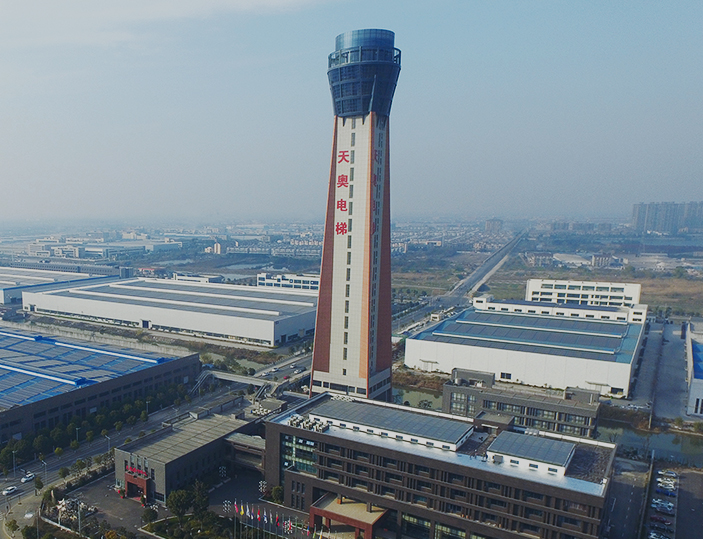
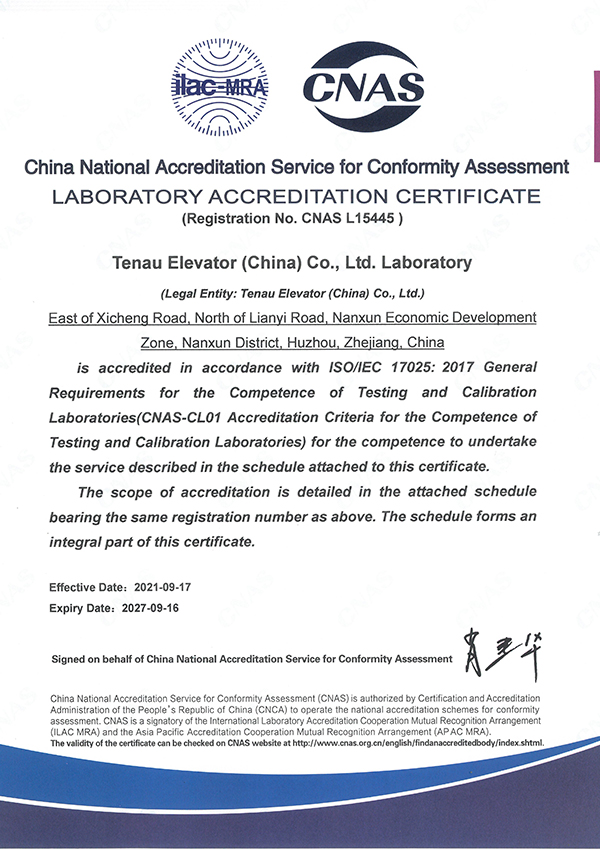
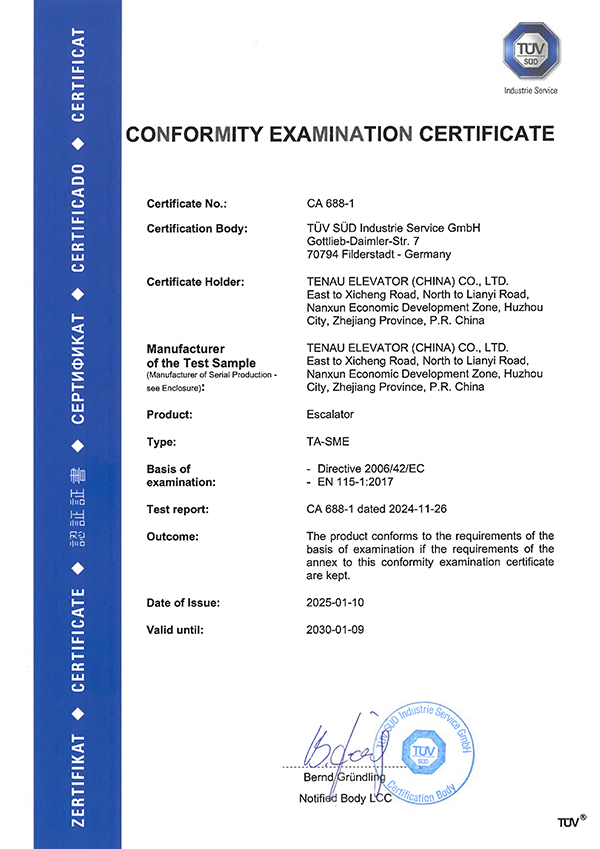
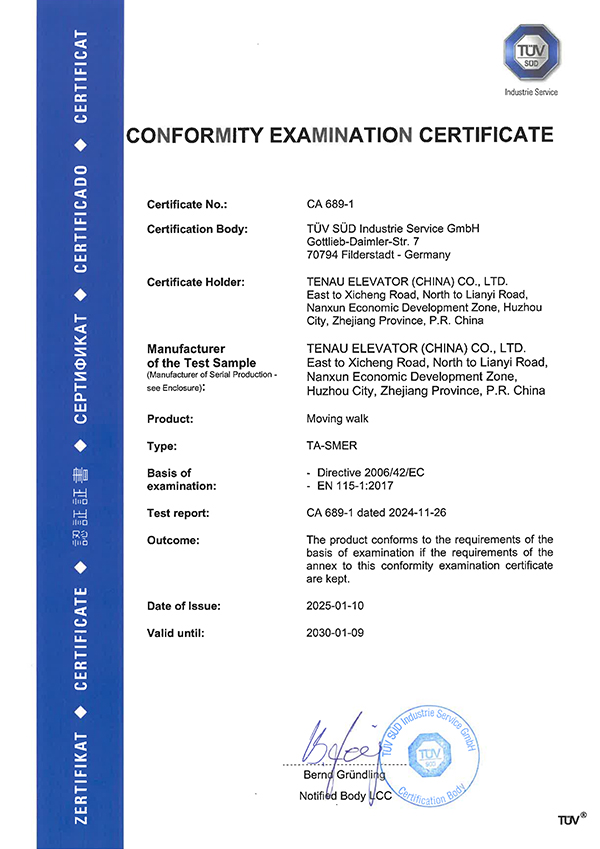
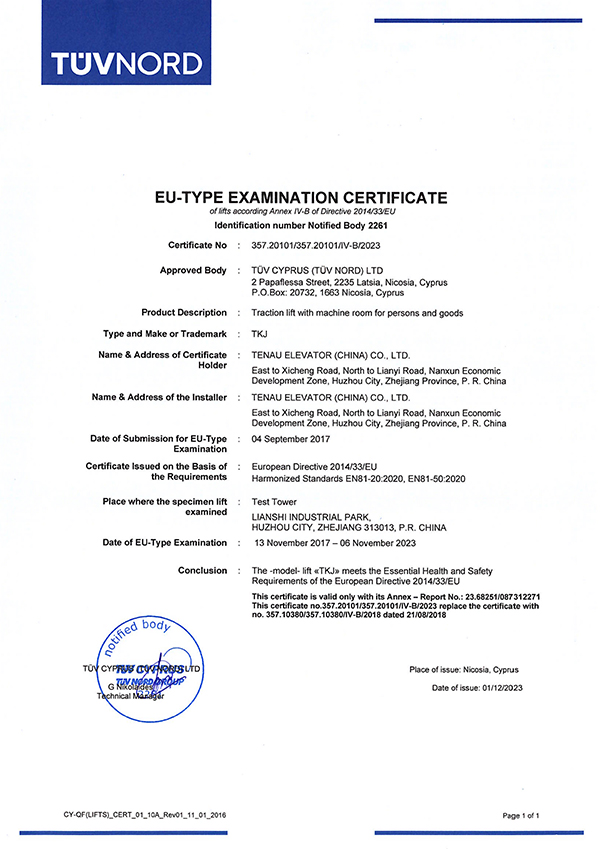
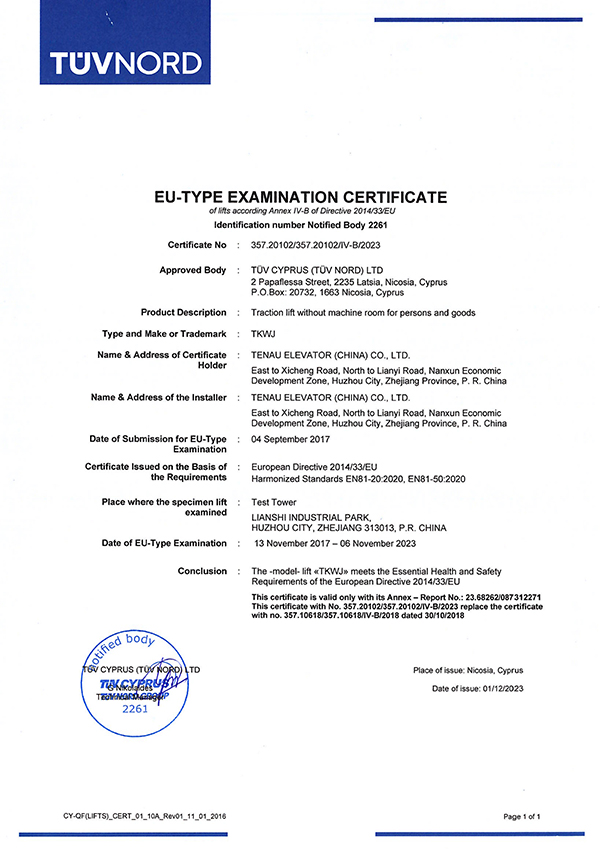
Tenau Elevator (China) Co., Ltd. is a professional comprehensive elevator manufacturer integrating design, R&D, manufacturing, marketing, installation, and after-sales service. With safety and environmental protection as its mission, the company is committed to providing customers worldwide with a more intelligent elevator ecosystem.
Tenau offers three major product series covering passenger elevators, freight elevators, escalators, and moving walks, with more than ten product varieties. Its capabilities extend across low-speed, medium-speed, high-speed, and ultra-high-speed elevator design and manufacturing.
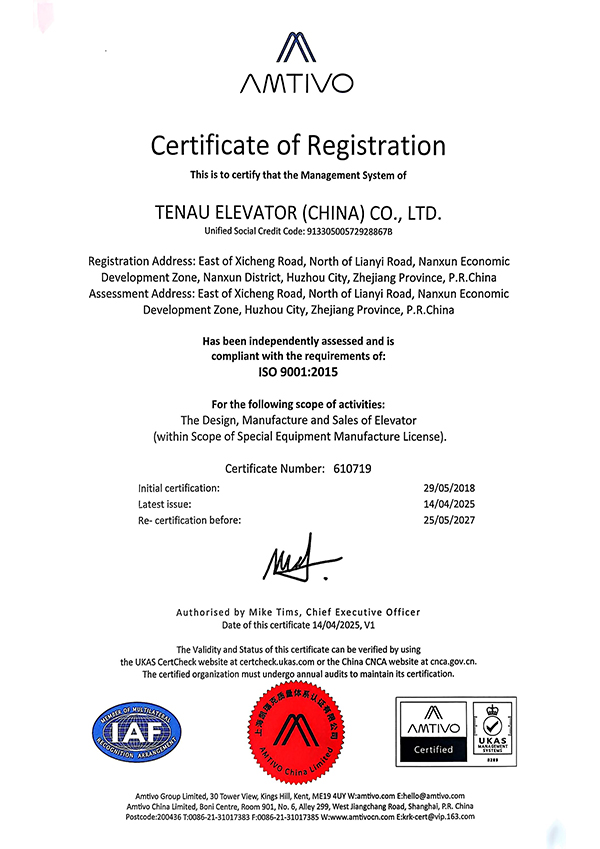
To ensure consistent product quality, Tenau Elevator (China) Co., Ltd. introduces internationally advanced technologies and rigorous management systems while strictly complying with the ISO9001 Quality Management System, ISO14001 Environmental Management System, and OHSMS18001 Occupational Health and Safety Management System. Through continuous innovation and manufacturing excellence, Tenau provides dependable vertical transportation solutions for a wide range of commercial and industrial applications.
Conclusion
A MRL freight elevator offers significant advantages for modern cargo transportation by combining efficient space utilization, reliable performance, energy-saving operation, and simplified building integration. Whether referred to as an MRL cargo elevator, machine room-less goods lift, or machine room-less freight elevator, this solution provides an effective balance between operational efficiency, safety, and long-term value.
By carefully evaluating building requirements, cargo characteristics, and maintenance considerations, facility owners can select an elevator system that supports efficient logistics while maximizing available building space.
FAQ
1. What is the difference between an MRL freight elevator and a conventional freight elevator?
An MRL freight elevator does not require a separate machine room, allowing more efficient use of building space while providing reliable cargo transportation.
2. Where is a machine room-less goods lift commonly installed?
It is commonly installed in warehouses, manufacturing plants, logistics centers, hospitals, shopping malls, hotels, and commercial buildings that require frequent vertical cargo movement.
3. Is an MRL cargo elevator suitable for heavy-duty applications?
Yes. Modern MRL cargo elevators are designed with robust structural components and can be configured for various load capacities depending on project requirements.
4. Does a machine room-less freight elevator require less maintenance?
Routine maintenance is still necessary, but its compact equipment arrangement and modern monitoring systems can simplify inspections and improve maintenance efficiency.
5. What should be considered when selecting an MRL freight elevator?
Key considerations include load capacity, lifting height, shaft dimensions, door configuration, operating frequency, building layout, safety requirements, and long-term maintenance accessibility.
 export@tenau.com.cn
 +86-18601458867
 +86-512-65059883