


 en
en Español
 русский
 中文简体
中文简体



Why Is the Escalator Handrail a Crucial Component for Safety and a Comfortable Riding Experience?
Escalators have become essential facilities for daily travel in modern commercial complexes, airports, subway stations, office buildings, and public transport hubs. When stepping onto an escalator, one of the first things a person touches is the handrail. While many view the handrail merely as an accessory for gripping, it actually plays a vital role not only in riding comfort but also directly impacts the escalator's safety, stability, and overall operational quality.
With the advancement of smart building technology, user expectations for escalators have evolved. Functionality alone is no longer sufficient—there is now a growing demand for greater safety, comfort, durability, and long-term reliability. As a result, the importance of a high-quality Escalator Handrail has become increasingly significant.
An Escalator Handrail Is More Than Just a "Moving Rubber Belt"
Many people assume that an escalator handrail is simply a strip of rubber. In reality, it is a precision-engineered composite product designed to withstand continuous operation while providing a smooth and safe user experience.
Modern escalator handrails typically feature a multi-layer composite structure consisting of:
| Component | Function |
| Wear-resistant rubber or polyurethane outer layer | Provides durability and a comfortable grip |
| High-strength fabric reinforcement layer | Improves tensile strength and dimensional stability |
| Steel wire or high-performance fiber skeleton | Enhances structural strength |
| Friction layer | Ensures efficient power transmission |
| Internal drive structure | Maintains synchronized movement with the escalator steps |
This multi-layer design enables the handrail to remain flexible while enduring constant tension, bending, and friction throughout years of continuous service.
For escalators operating twelve to twenty-four hours each day, the handrail experiences millions of operating cycles. Therefore, material quality and structural design directly influence its service life.
Why Must the Handrail Speed Be Synchronized with the Steps?
Many passengers have noticed occasions when the handrail seems to move slightly faster or slower than the escalator steps, creating an uncomfortable pulling sensation.
International escalator safety standards require the handrail speed to remain as close as possible to the step speed.
Potential Risks of Speed Differences
When synchronization is poor, several issues may arise:
- Passengers may experience shifts in their center of gravity.
- Elderly individuals and children are more likely to lose balance.
- The risk of falling while boarding or exiting the escalator increases.
- Overall riding comfort is significantly reduced.
For this reason, a premium Escalator Handrail requires not only durable materials but also excellent compatibility with the drive system. High-quality handrails maintain a stable coefficient of friction, allowing the drive wheels to move the handrail smoothly and consistently in synchronization with the steps.
Why Are Escalator Handrail Materials Becoming More Advanced?
As buildings accommodate increasing numbers of daily visitors, traditional rubber handrails often struggle to satisfy modern performance requirements.
Today's premium handrails commonly utilize advanced materials such as:
- Natural rubber
- EPDM rubber
- Polyurethane (PU)
- High-performance synthetic rubber
- UV-resistant materials
- Ozone- and aging-resistant compounds
These materials significantly improve durability and operational stability under different environmental conditions.
Applications in Different Environments
In shopping malls, handrails must withstand continuous contact from thousands of users every day, requiring outstanding wear resistance.
At airports and high-speed railway stations, handrails must maintain long-term operational stability without cracking or permanent deformation caused by material fatigue.
Outdoor escalators require even greater environmental resistance, including protection against ultraviolet radiation, extreme temperatures, moisture, and weather exposure.
Consequently, material technology has become one of the most important indicators of escalator handrail quality.
How Do Escalator Handrails Influence a Building's Overall Image?
Modern escalators are no longer simply transportation equipment—they have become important architectural design elements.
As one of the most visible components, the appearance of the handrail contributes directly to the visual identity of the entire building.
Customization Options
Today's escalator handrails can be customized in many ways, including:
- Classic black finishes
- Colored handrails
- Transparent handrails
- LED illuminated handrails
- Corporate logo printing
- Advertising graphics and promotional designs
Many commercial complexes now utilize customized handrails to strengthen brand identity while enhancing the overall aesthetic appeal of their facilities.
How Can You Determine Whether an Escalator Handrail Is Reliable?
When selecting an escalator handrail, focusing only on price is insufficient. Buyers should evaluate product quality from multiple perspectives.
| Evaluation Factor | What to Consider |
| Material Quality | Wear resistance, aging resistance, and flexibility |
| Manufacturing Precision | Stable dimensions and consistent production quality |
| Operational Performance | Smooth movement and accurate synchronization |
| Durability Testing | Long-term operational reliability |
| Technical Support | Professional after-sales service and maintenance support |
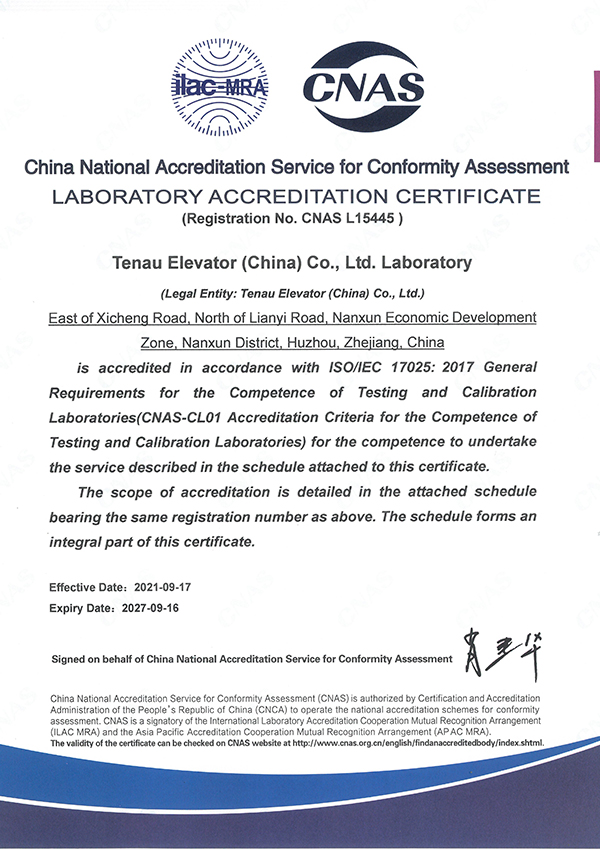
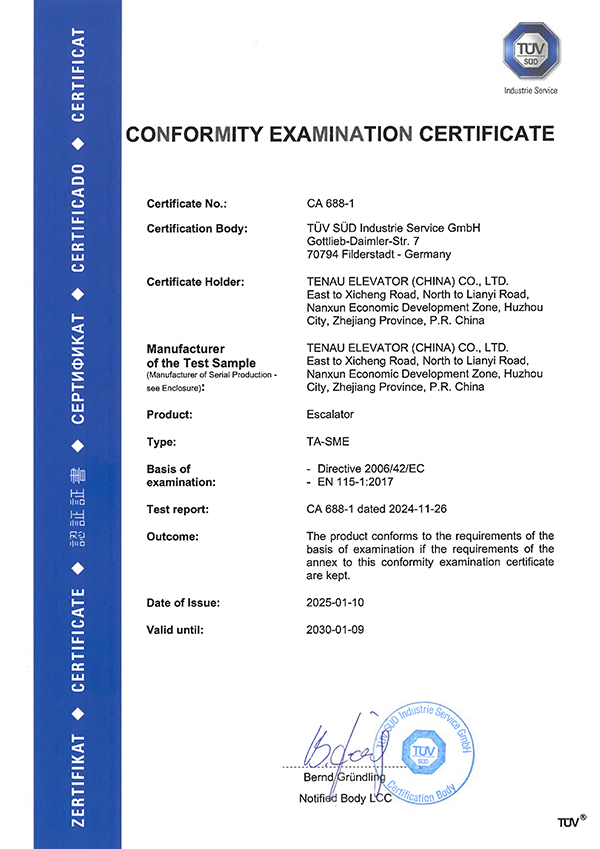
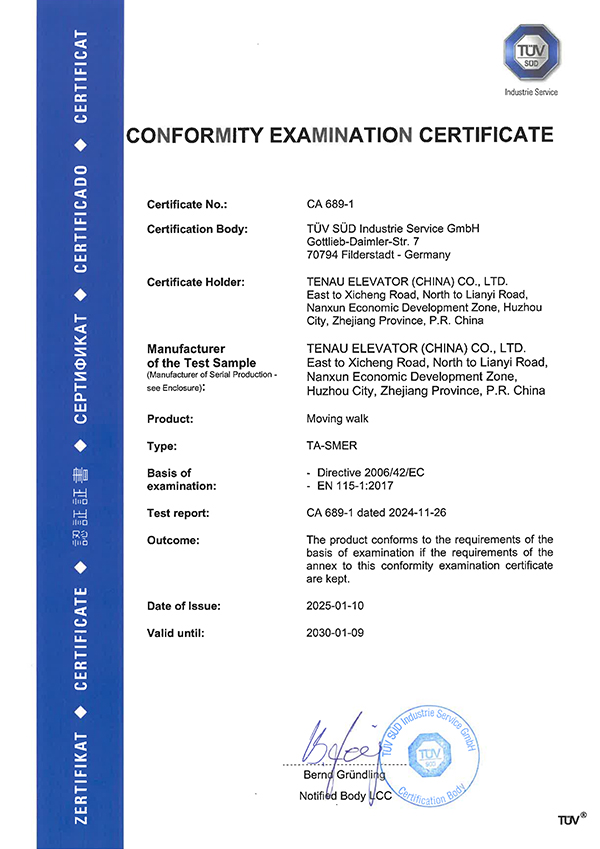
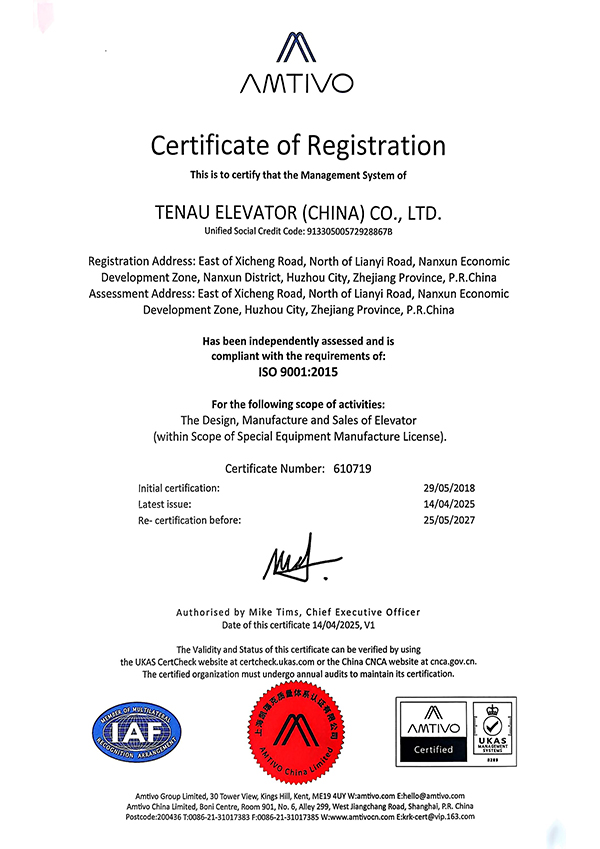
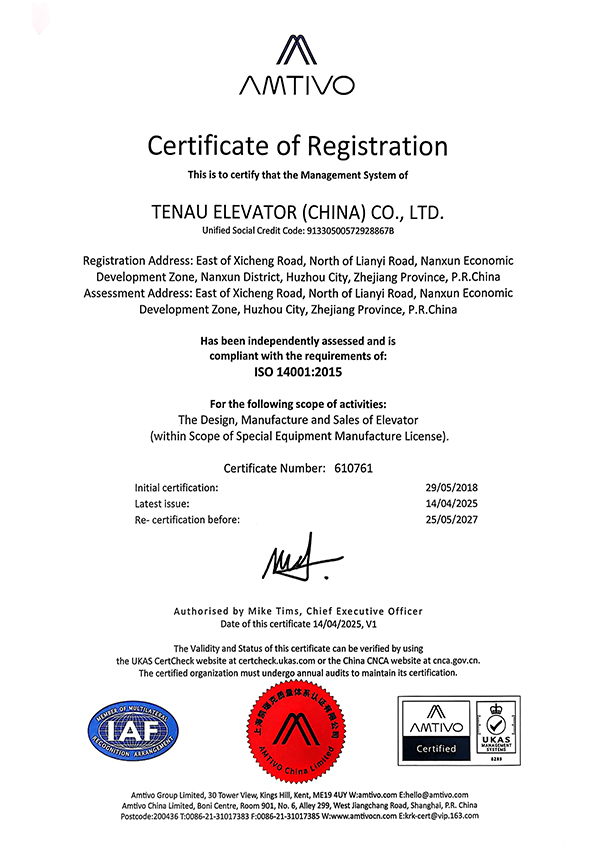
In addition, manufacturers with strong research capabilities and comprehensive quality management systems generally deliver more reliable products and customized solutions for diverse project requirements.
How Do Professional Manufacturing Capabilities Ensure High-Quality Escalator Handrails?
In the elevator and escalator industry, dependable products rely on advanced research, engineering, and manufacturing expertise.
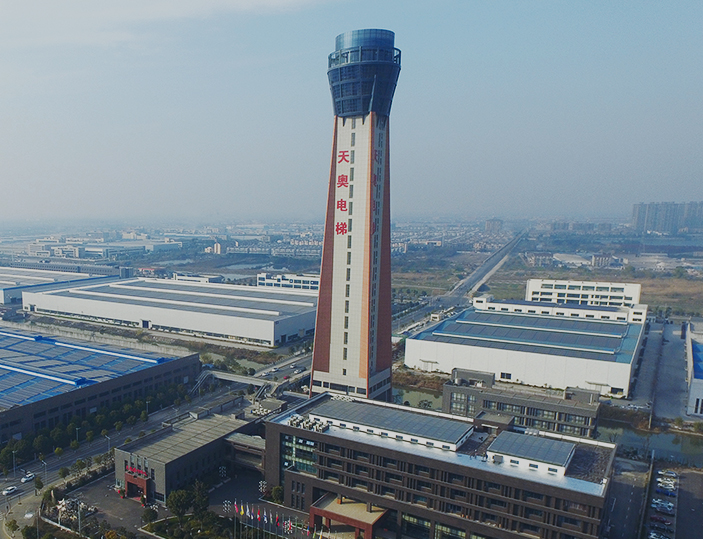
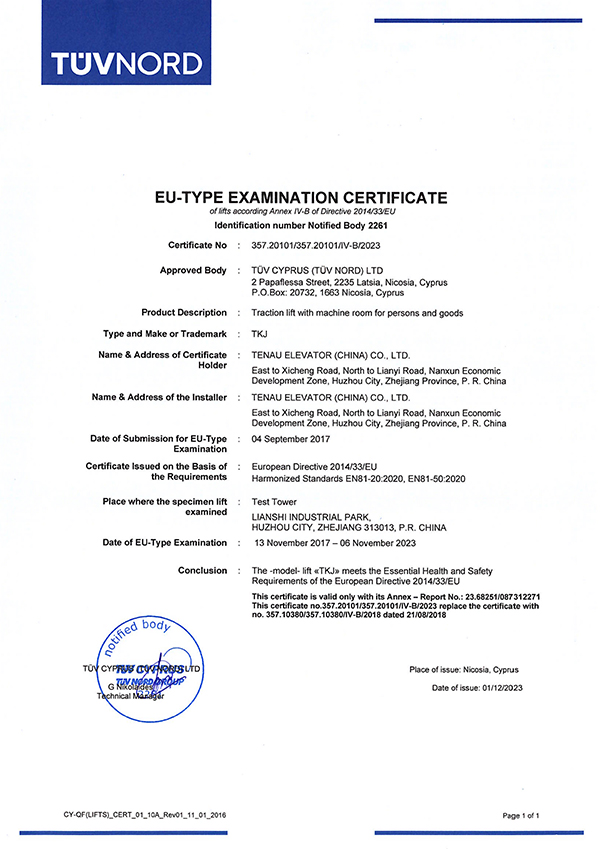
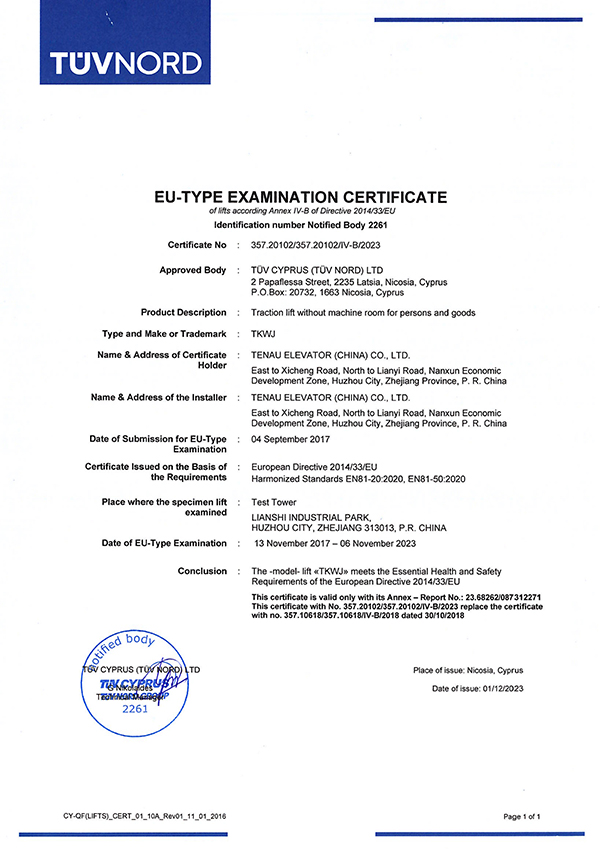
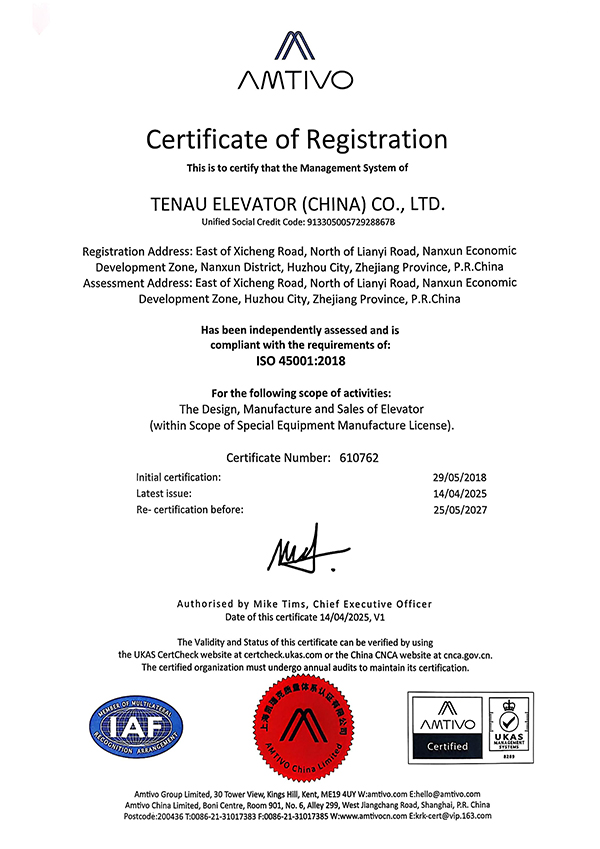
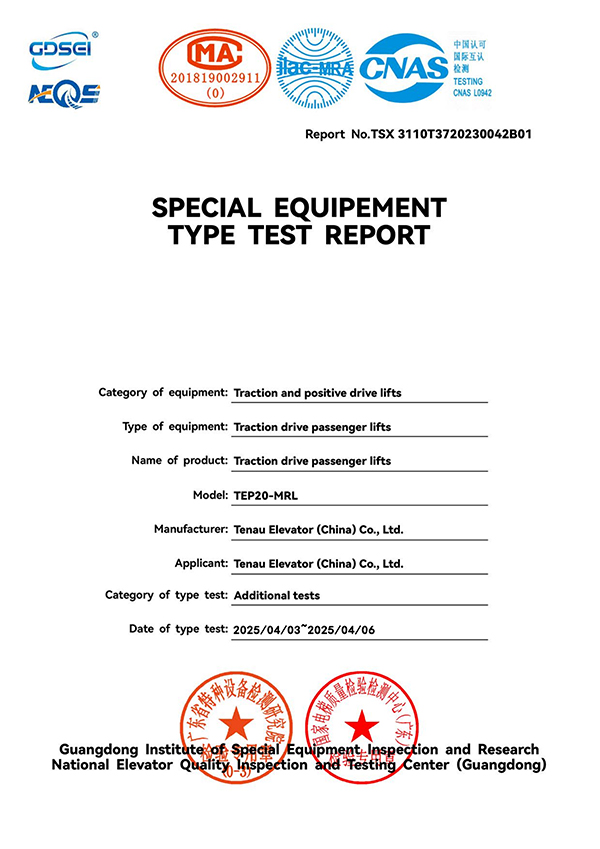
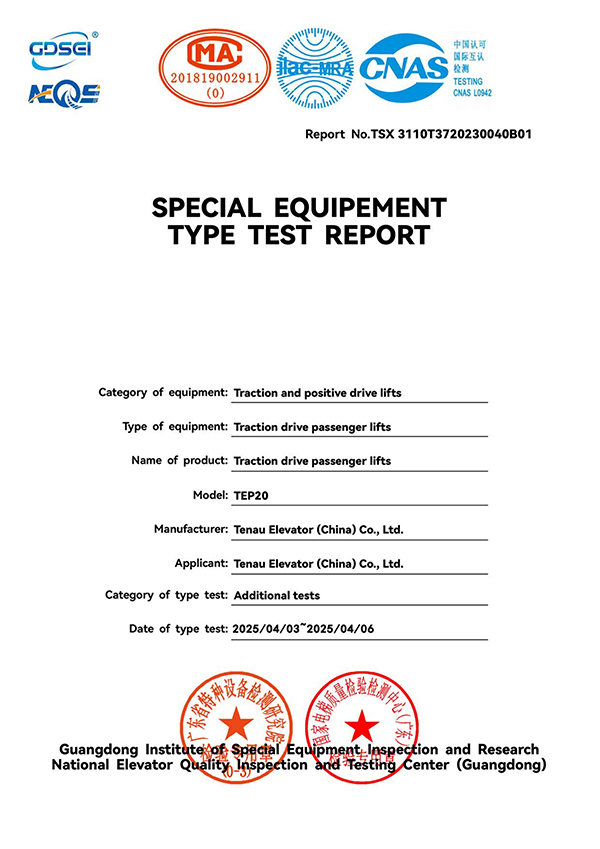
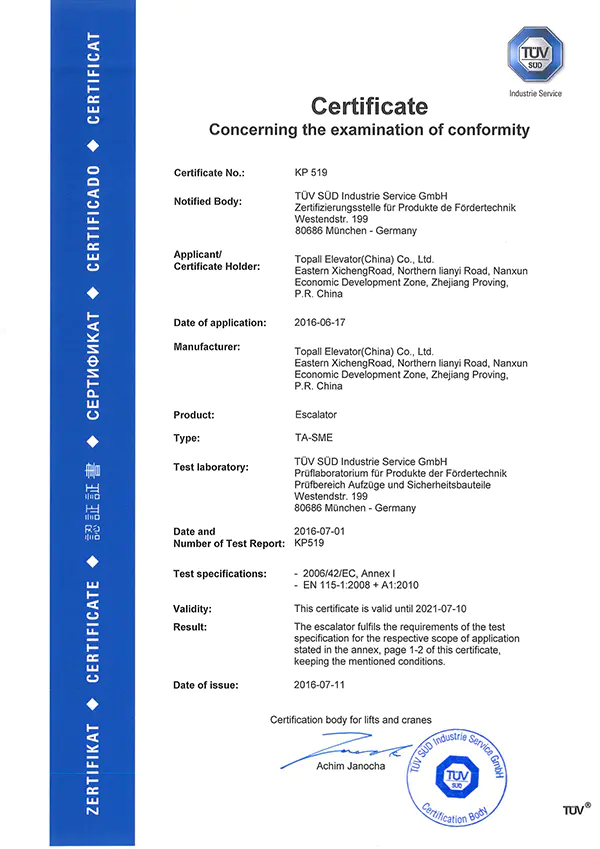
Tenau Elevator (China) Co., Ltd. originates from Germany and is a professional comprehensive elevator manufacturer integrating design, research and development, manufacturing, marketing, installation, and after-sales service. Guided by its mission of safety and environmental protection, the company is committed to building a smarter elevator ecosystem for customers worldwide.
Located in Nanxun, a historic town at the heart of the Shanghai-Nanjing-Suzhou-Hangzhou economic circle, Tenau offers three major product categories covering passenger elevators, freight elevators, escalators, and moving walks. The company has developed advanced capabilities in the diversified design, research, and manufacturing of low-speed, medium-speed, high-speed, and ultra-high-speed elevators.
Supported by comprehensive manufacturing facilities and rigorous quality management systems, Tenau Elevator (China) Co., Ltd. provides reliable elevator and escalator solutions for commercial complexes, transportation hubs, public buildings, and numerous other applications, helping customers achieve greater operational efficiency and long-term investment value.
Conclusion
Although the Escalator Handrail is only one component of an escalator, it performs multiple essential functions, including ensuring passenger safety, improving riding comfort, maintaining synchronized movement, enhancing architectural aesthetics, and supporting long-term operational durability.
Every detail—from material selection and structural design to manufacturing quality and system integration—contributes to the overall performance of the escalator.
As smart buildings continue to evolve, demand for high-performance escalator handrails will only increase. Choosing an experienced manufacturer with strong R&D capabilities, strict quality control, and comprehensive service support helps improve operational reliability, reduce maintenance costs, and maximize the long-term value of every escalator project.
FAQ
Q1: How often should escalator handrails be replaced?
There is no fixed replacement schedule. Service life depends on usage frequency, operating conditions, maintenance practices, and product quality. High-traffic commercial facilities should regularly inspect handrails for wear, elongation, cracking, and surface aging, replacing them whenever necessary.
Q2: Can escalator handrails be customized with specific colors or brand logos?
Yes. Many manufacturers provide customization options including colors, dimensions, surface textures, printed logos, and branded graphics to satisfy the design requirements of commercial buildings and branding projects.
Q3: What happens if the handrail speed is not synchronized with the escalator steps?
A speed mismatch can reduce passenger comfort, affect balance, and increase the likelihood of accidents, particularly for elderly passengers and young children. Proper synchronization is therefore essential for safe escalator operation.
Q4: How can the service life of an escalator handrail be extended?
Routine cleaning, regular inspections of the drive system, proper guide rail lubrication, avoiding excessive loading, and selecting high-quality handrails with excellent wear and aging resistance all contribute to extending the service life of an escalator handrail.
 export@tenau.com.cn
 +86-18601458867
 +86-512-65059883