

 en
en Español
 русский
 中文简体
中文简体
Industry News
Freight Elevator vs. Passenger Elevator: What Are the Key Differences?
When planning vertical transportation for a commercial, industrial, or multi-story residential building, the choice between a freight elevator and a passenger elevator is a fundamental decision. While both systems share the basic principle of moving between floors, they are engineered for vastly different purposes, loads, and usage patterns. Selecting the incorrect type can lead to operational inefficiencies, increased wear and tear, safety hazards, and significant financial costs.
Understanding the Core Design Intent
The most significant difference lies in the fundamental purpose each elevator is designed to serve. This primary design intent influences every subsequent engineering and design choice.
The Passenger Elevator: Prioritizing People Movement and Comfort
The passenger elevator is meticulously designed for the efficient, comfortable, and rapid transportation of people. Its core objective is to move a large number of individuals between floors with minimal wait time and journey duration. The design prioritizes user experience, focusing on smooth acceleration and deceleration to prevent discomfort, quiet operation, and aesthetically pleasing interiors. The capacity of a passenger elevator is calculated based on an average weight per person, and its scheduling is often managed by sophisticated computerized systems to optimize traffic flow during peak periods. The emphasis is on frequency of trips with lighter loads, making it ideal for office buildings, hotels, hospitals, and residential apartments.
The Freight Elevator: Engineered for Load Capacity and Durability
In stark contrast, the freight elevator is engineered with one primary goal: to move heavy, bulky, and often cumbersome goods. The design philosophy centers on robustness, immense load-bearing capacity, and resilience to harsh use. Where a passenger elevator prioritizes speed and comfort, a freight elevator prioritizes strength and durability. These units are built to withstand the impact of loading and unloading heavy equipment, pallets, and industrial materials. The interior is designed to be utilitarian, able to endure scratches, dents, and other potential damage that would be unacceptable in a passenger car. The operational pattern is also different; instead of frequent short trips, a freight elevator typically makes fewer trips but carries a much larger payload each time, serving the logistical needs of warehouses, factories, loading docks, and industrial facilities.
Structural and Design Differences
The divergent design intents of these elevators manifest in clear, physical differences in their construction, size, and interior details.
Car Interior and Size
The interior environment of each elevator type is a direct reflection of its purpose.
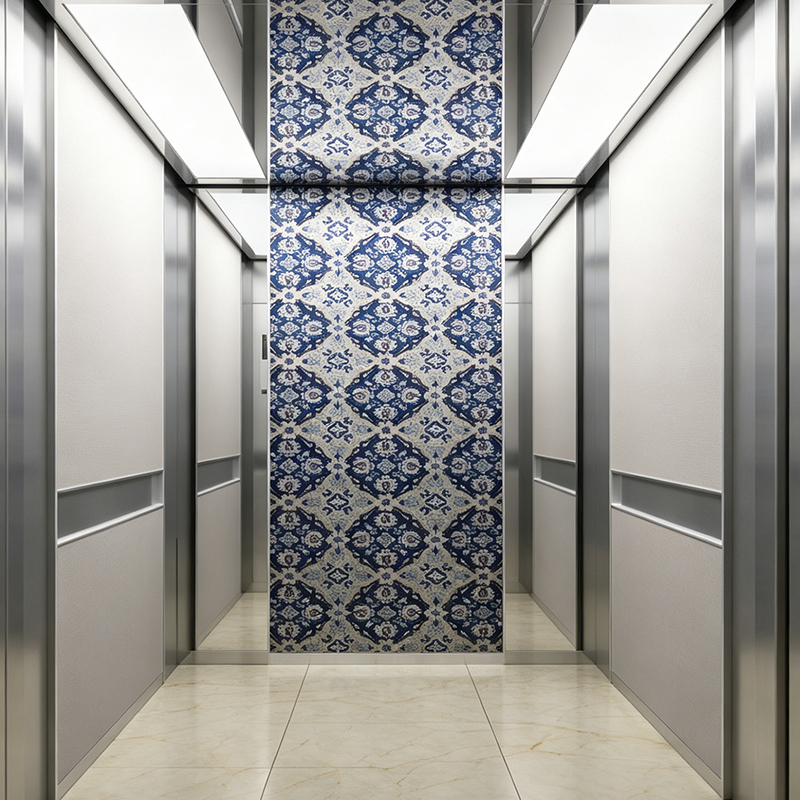
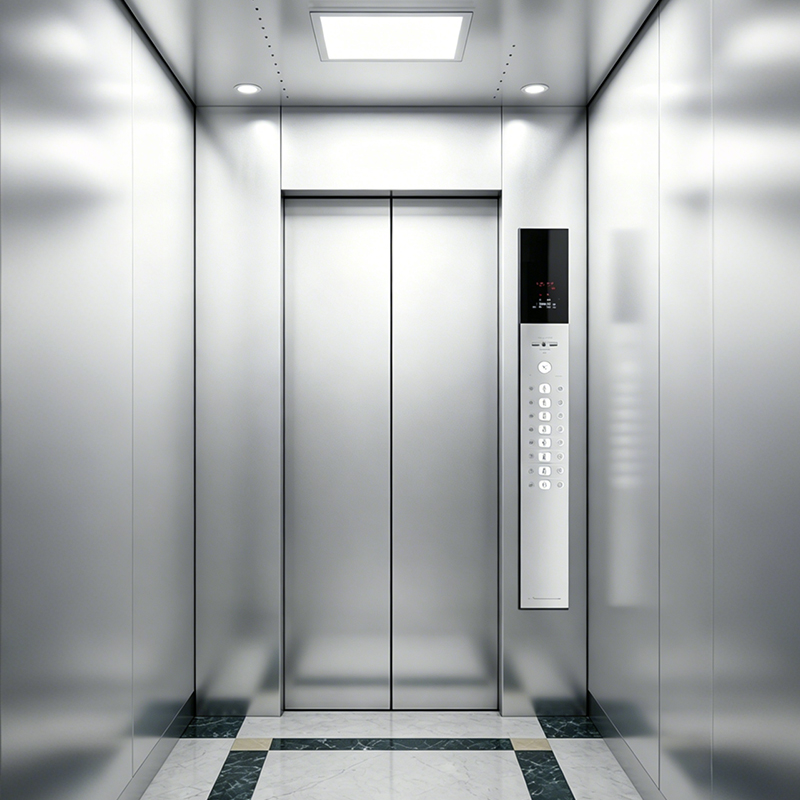
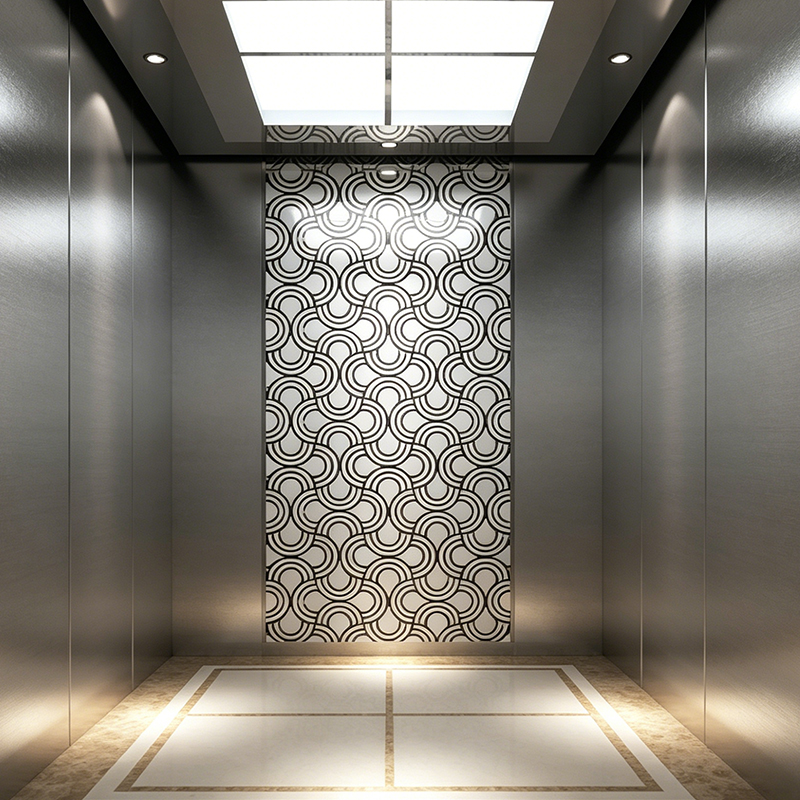
A passenger elevator car is designed for human comfort and safety. It features finished walls, often with handrails, a mirrored surface to create a sense of space, and a compliant ceiling with integrated lighting. The flooring is typically a durable but attractive material like vinyl or carpet. The dimensions are optimized for people to stand comfortably, with standard ceiling heights.
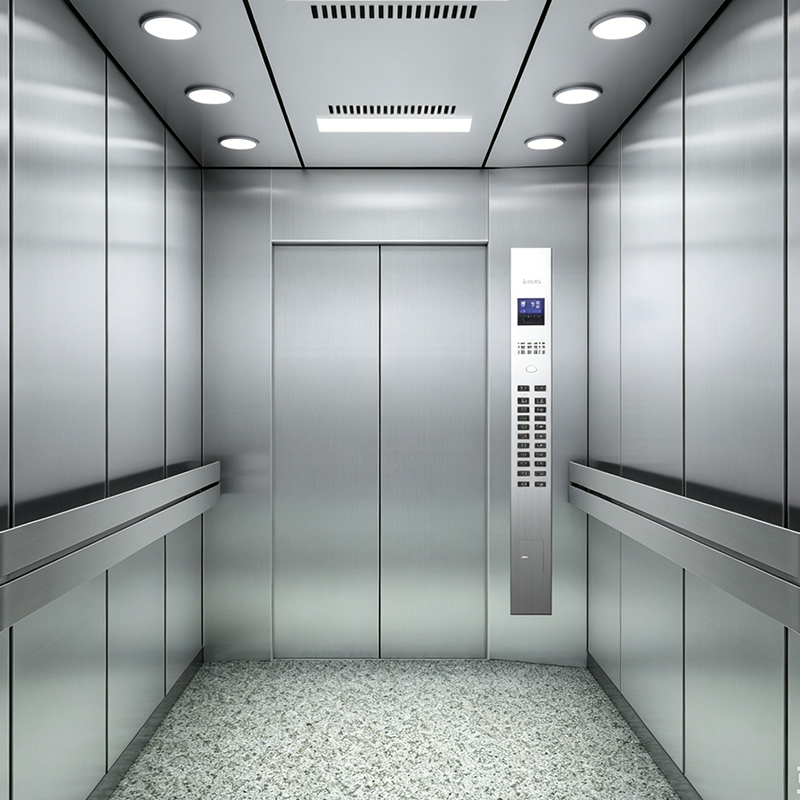
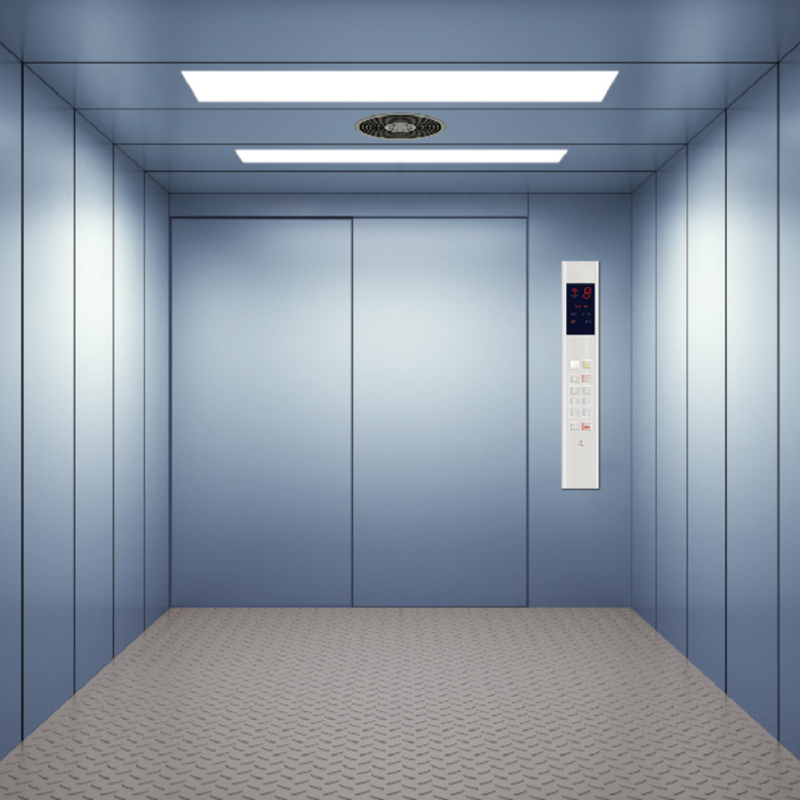
A freight elevator car, however, is a study in functional minimalism. The interior is often comprised of unpainted, heavy-gauge steel walls that are resistant to impact. The flooring is exceptionally robust, frequently made of thick plywood or steel plate, and is designed to be flush with the hallway landing to facilitate the easy movement of wheeled carts and pallet jacks. To accommodate large items, the car is typically wider and deeper, with a higher ceiling height. This vertical space is crucial for loading tall industrial equipment or stacking pallets. The design is purely utilitarian, forsaking aesthetics for sheer utility and damage resistance.
Doors and Entrances
The entrance system is another area of significant differentiation, directly impacting how the elevator is loaded and unloaded.
Passenger elevator doors are designed for quick, automatic operation to maintain efficient people flow. They are typically single or two-speed sliding doors made of lightweight materials. The opening is standardized to allow a group of people to pass through comfortably but is not wide enough for large equipment.
A freight elevator, conversely, is equipped with doors built for access and durability. A common feature is the bi-parting freight door, which opens from the center and retracts into the pocket walls, creating a very wide, unobstructed opening. This is essential for rolling in pallets or large machinery. These doors are heavier and more robust to withstand repeated impact. Operation can be manual, requiring an operator to close a collapsible gate and then the horizontal doors, or power-operated for heavier models. The entrance sill is reinforced and built to be perfectly level with the hall floor, eliminating any tripping hazard or obstruction for wheeled loads.
Table 1: Key Physical and Design Characteristics
| Feature | Passenger Elevator | Freight Elevator |
|---|---|---|
| Primary Purpose | Transporting people | Transporting goods and equipment |
| Interior Finish | Aesthetic, finished walls, handrails | Utilitarian, heavy-gauge steel, unfinished |
| Flooring | Carpet, vinyl, or other finished materials | Thick plywood, steel plate, or abrasive-resistant coating |
| Typical Capacity | 2,000 to 5,000 lbs | 5,000 to 20,000+ lbs |
| Car Ceiling Height | Standard (e.g., 8 feet) | High (e.g., 10-12 feet or more) |
| Door Type | Single or two-speed sliding | Bi-parting vertical lift or heavy-duty sliding |
| Door Operation | Fully automatic | Often manual or power-operated with manual control |
Performance and Operational Characteristics
The performance metrics of speed, capacity, and control systems are tailored to the elevator’s specific role, forming a critical part of the selection criteria for buyers.
Speed and Capacity
Passenger elevator speed is a critical selling point for buildings seeking to attract tenants. Speeds can range from 200 feet per minute (fpm) in low-rise buildings to over 2,000 fpm in high-rise skyscrapers. The focus is on minimizing travel time for occupants. Capacity is measured in both weight (pounds or kilograms) and the number of people, with standard capacities falling between 2,000 and 5,000 pounds.
Freight elevator speed is deliberately slower, usually between 100 to 200 fpm. This is a deliberate safety and practical feature. Moving a multi-ton load at high speed creates significant kinetic energy, making smooth stops and starts more challenging and potentially causing load shifting. The slower speed ensures stability and control. The capacity of a freight elevator is its defining characteristic. Capacities start where passenger elevators typically end, ranging from 5,000 pounds for a standard service elevator to 20,000 pounds or much more for heavy-duty industrial applications. This immense load capacity is the primary reason for its existence.
Control and Operation Systems
The method of operation further highlights the difference in user interaction.
Passenger elevators predominantly use Automatic Pushbutton Control or more advanced Collective Control systems. In these systems, passengers select their destination floor, and a computerized system groups the calls to optimize the travel path for all users, minimizing wait and journey times. The operation is largely hands-off.
A freight elevator, however, often requires an operator. It typically uses a Car Switch Operation or “Attendant Control.” This means a designated operator must be inside the car to manually control its movement, hold the doors open, and ensure safe loading and unloading. This is facilitated by a constant pressure control system, where the elevator moves only as long as the operator holds the button or switch. This provides precise control for positioning the car exactly level with a floor—a critical function when moving heavy loads on carts. This requirement for attendant operation is a key operational difference with significant staffing implications.
Safety Features and Regulations
Given the different risks involved in moving people versus heavy freight, the safety systems and governing codes for each elevator type are distinct.
Passenger Elevator Safety
Safety in passenger elevators is centered on protecting human occupants from the hazards of vertical transportation. Key features include sophisticated door re-opening mechanisms that use light curtains or sensitive edges to prevent the doors from closing on a person. Emergency communication systems, such as an intercom or telephone, are mandatory for trapped passengers to call for help. Emergency lighting and alarm buttons are standard. Fire service modes are also a critical component, allowing firefighters to take control of the elevators during an emergency.
Freight Elevator Safety
The safety systems of a freight elevator are designed to address the unique risks of moving heavy, unstable loads. A fundamental feature is the full gate, a heavy, mesh-like door that provides a physical barrier before the horizontal doors close. This adds an extra layer of protection for the operator and anyone on the landing.
Because the car is often manually controlled from inside, interlocks are vital. These devices ensure the car is precisely at the landing and the doors are securely closed before the elevator can move, and conversely, that the elevator cannot be accessed from a floor unless the car is present. To protect the structural integrity of the car itself, capacity limiters are installed. These are more heavy-duty than the simple overload alarms in passenger elevators; a true capacity limiter will prevent the freight elevator from operating at all if the load exceeds a safe threshold, thereby preventing mechanical failure or a dangerous situation.
The requirement for an operator is itself a safety feature, as this person is responsible for ensuring the load is secure, the car is clear, and the path is safe before movement.
Regulatory Codes and Standards
Both types of elevators are subject to rigorous safety codes, but the specific standards differ. In the United States, passenger elevators are primarily governed by the ASME A17.1/CSA B44 Safety Code for Elevators and Escalators. Freight elevators must also comply with this code, but they fall under specific sections that outline additional requirements for their unique design, such as the mandatory use of full gates, more robust capacity limiters, and specifications for car construction and doors. Understanding these industry standards is not just a matter of compliance but is essential for ensuring the long-term safety and legality of the installation.
Application and Industry-Specific Use Cases
Choosing the correct elevator is not merely a technical decision; it is an operational one that impacts the daily function of a business or facility.
Ideal Applications for Passenger Elevators
Passenger elevators are the default and necessary choice for any building where the primary vertical traffic is human. This includes:
- Office Buildings: For employee and visitor movement.
- Residential Apartments and Condominiums: For resident access.
- Hotels: For guest access to rooms and amenities.
- Hospitals and Healthcare Facilities: For patients, staff, and visitors (often using larger models to accommodate beds).
- Retail Malls and Centers: For customer circulation between floors.
Ideal Applications for Freight Elevators
The freight elevator is indispensable in environments where goods, materials, or heavy equipment need to be moved. Its use is a critical component of supply chain and logistical planning. Key industries and applications include:
- Warehousing and Distribution Centers: For moving palletized goods between storage levels. This is a core component of industrial logistics.
- Manufacturing and Industrial Plants: For transporting raw materials, work-in-progress, and finished products between different production floors.
- Loading Dock Operations: For moving items from the receiving dock to upper-level storage or production areas.
- Automotive Industries and Parking Garages: Specialized vehicle lifts are used to move cars between floors.
- Construction Sites: Temporary construction elevators are used to move materials and personnel during the building process.
- Retail Stores and Restaurants: While customers use passenger elevators, a separate service or freight elevator is used for stock replenishment and waste removal.
- Moving and Logistics Companies: For transporting household or office goods during relocations.
In many large buildings, such as hospitals, large offices, or mixed-use developments, it is common to find both types installed. The passenger elevators handle human traffic, while a dedicated freight elevator handles all deliveries, maintenance equipment, and waste, thereby improving efficiency and maintaining the cleanliness and safety of the passenger cabs.
Cost and Maintenance Considerations
The total cost of ownership for a freight elevator and a passenger elevator differs significantly, influencing the long-term budget for a facility.
Initial Investment and Installation
The initial purchase and installation cost of a freight elevator is generally higher than that of a passenger elevator of a similar travel height. This is due to the heavier-duty components required: more powerful motors, larger cables or hydraulic systems, reinforced guide rails, heavy-duty doors, and a vastly more robust car structure. The installation may also require more substantial structural support from the building, such as heavier beams and deeper pits, which can add to the construction costs. The price escalates with increasing capacity and size.
Long-Term Maintenance and Durability
While the initial outlay for a freight elevator may be higher, its durability is a key feature. It is built to withstand abuse that would quickly disable a passenger elevator. However, its maintenance needs are different. The heavy-duty components, such as the door operators, mechanical gates, and capacity limiters, require regular inspection and servicing by qualified technicians familiar with these specific systems. The wear and tear on the interior and flooring will be more pronounced, necessitating periodic replacement or repair.
Passenger elevators, with their more complex electronic control systems and sensitive door safety mechanisms, may require specialized technicians to maintain their sophisticated operational and comfort features. Downtime for a passenger elevator is often a high-priority issue as it directly impacts building occupants, whereas downtime for a freight elevator can halt core logistical operations, leading to significant operational and financial consequences.
The decision between a freight elevator and a passenger elevator is not a matter of one being superior to the other; it is a matter of selecting the right tool for the job. The passenger elevator is the refined, high-speed people-mover, engineered for comfort, efficiency, and high-frequency use. The freight elevator is the rugged, powerful workhorse, engineered for strength, durability, and the safe movement of heavy loads.
The key differences are profound and span design intent, structural build, performance metrics, safety systems, and governing codes. For wholesalers and buyers, understanding these distinctions is paramount. Selecting a passenger elevator for a warehouse will lead to rapid deterioration and potential safety failures, while installing a freight elevator as the primary means of vertical transport in an office building would lead to occupant dissatisfaction and operational inefficiency. A thorough analysis of the intended use, required capacity, desired speed, and long-term operational workflow will lead to the correct specification, ensuring that the vertical transportation system serves the needs of the facility safely, efficiently, and cost-effectively for its entire operational life.
Related Products

Related News
Built on safety, forging trust in vertical mobility.
lf you have any questions or need help, feel free to contact with our team.
 export@tenau.com.cn
 +86-18601458867
 +86-512-65059883
Elevator & Escalator
Factory Add
East of Xicheng Road, North of Lianyi Road, Nanxun Economic Development Zone, Nanxun District, Huzhou City, Zhejiang Province, P.R.China
Copyright © Tenau Elevator (China) Co., Ltd. All Rightd Reserved.
Custom High Quality Elevator Suppliers and World Brand Elevator Company