

 en
en Español
 русский
 中文简体
中文简体
Revolutionizing Urban Vertical Mobility: The Next-Gen Panoramic Elevator Experience
Content
- 1 1. Design & Aesthetic Advantages: Blending Scenic Beauty with Architectural Harmony
- 2 2. Core Functional Advantages: Outperforming Competitors in Safety & Efficiency
- 3 3. Advanced Manufacturing Processes: German-Engineered Quality & Precision
- 4 4. Company Strengths: A Global Leader in Elevator Innovation
- 5 5. Q&A: Addressing Common Questions About Next-Gen Panoramic Elevators
- 5.1 Q1: How does this panoramic elevator differ from standard passenger elevators?
- 5.2 Q2: What is the role of IoT in elevator maintenance?
- 5.3 Q3: What safety certifications does this elevator hold?
- 5.4 Q4: Can the elevator be customized for historic buildings?
- 5.5 Q5: How does group control reduce wait times?
- 5.6 Q6: What is the company’s maintenance support like?
- 6 6. Comparative Analysis: Next-Gen Panoramic Elevator vs. Competitors
- 7 7. Conclusion: The Future of Vertical Mobility
- 8 8. References
As cities continue to expand vertically, the demand for elevators that merge aesthetic appeal, uncompromising safety, and operational efficiency has never been more critical. Panoramic elevators, once a luxury reserved for high-end hotels and skyscrapers, are now evolving into a staple of modern architecture—offering not just transportation but a transformative passenger experience. However, not all panoramic elevators are created equal. The latest generation of these systems integrates cutting-edge technology, German-engineered manufacturing, and customer-centric design to outperform traditional models in every metric. This article explores how these next-gen elevators are redefining urban vertical mobility, highlighting their key advantages over competitors, the advanced processes behind their production, and the company strengths that drive their success.
1. Design & Aesthetic Advantages: Blending Scenic Beauty with Architectural Harmony
One of the most striking features of next-gen panoramic elevators is their ability to seamlessly integrate with a building’s unique architectural identity. Unlike standard elevators that often feel like afterthoughts, these models are custom-crafted to complement every structure—whether it’s a sleek modern hotel, a bustling supermarket, or a historic landmark.
The core design principle centers on "limitless scenic visibility," achieved through floor-to-ceiling, impact-resistant glass panels that maximize unobstructed views. For luxury hotels, this means guests enjoy panoramic skyline or landscape vistas as they move between floors, elevating their overall stay experience. For supermarkets, the wide-view design reduces the sense of enclosure, making shoppers feel more connected to the space and encouraging longer visits.
Customization is another cornerstone. Building owners can choose from a range of frame materials (stainless steel, aluminum, or wood) and glass types (tinted, frosted, or clear) to align with their brand identity. For example, a boutique hotel might opt for a brass frame with frosted glass to create an intimate, elegant ambiance, while a large grocery store could select a durable aluminum frame with clear glass to accommodate high foot traffic and display product aisles from the elevator.
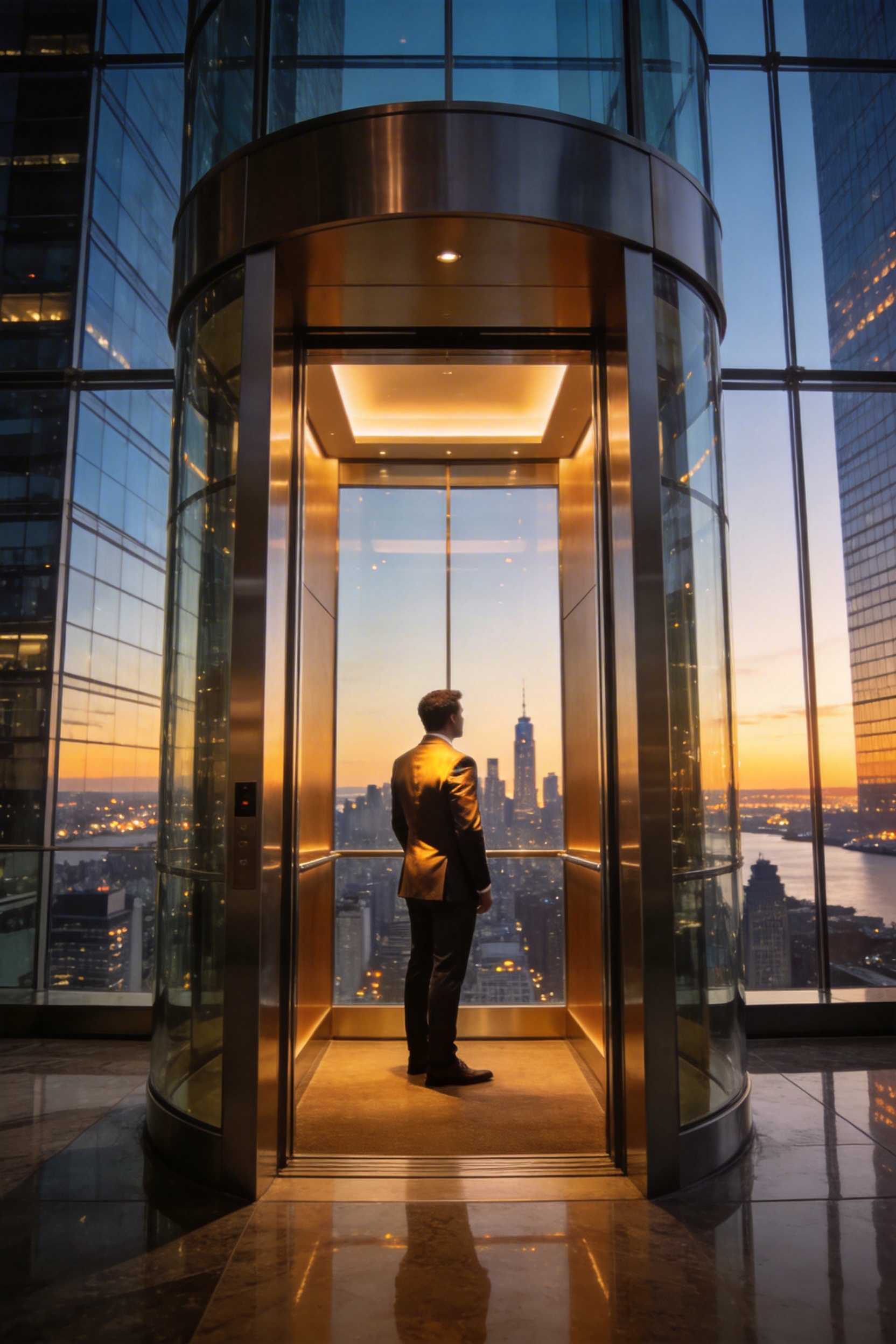
Beyond aesthetics, durability is prioritized. Glass panels are reinforced with laminated safety glass, capable of withstanding heavy impacts (like shopping carts or luggage) without shattering. This combination of beauty and resilience sets these elevators apart from competitors, who often offer limited customization or use lower-quality materials that degrade over time.
2. Core Functional Advantages: Outperforming Competitors in Safety & Efficiency
While aesthetics attract attention, functional performance defines long-term value. Next-gen panoramic elevators integrate a suite of advanced features that address critical pain points for building owners and passengers—from safety concerns to excessive wait times. Below, we break down these advantages into three key categories:
2.1 Unmatched Safety Features: Setting a New Industry Standard
Safety is non-negotiable, and these elevators lead the market with features that exceed basic compliance requirements. Let’s explore the most impactful innovations:
UCMP Device (Unintended Car Movement Prevention): Unlike traditional elevators that lack detection for unauthorized movement when doors are open, this system triggers an immediate stop if the car drifts without authorization. For example, if a door is stuck open and the car begins to move, the UCMP device arrests the motion instantly—preventing accidents that could harm passengers or damage the elevator. Competitors often charge extra for this feature or omit it entirely.
IoT Remote Monitoring: The elevator’s IoT system continuously tracks performance metrics (speed, door operation, load, and component wear) in real time. This allows maintenance teams to detect issues early—before they escalate into safety hazards. For instance, if the system identifies a slight deviation in the door-closing mechanism, technicians can dispatch to fix it before it causes a breakdown. Competitors relying on manual inspections miss these early warning signs, leading to more frequent accidents and downtime.
Anti-Collision & Derailment Protection: Elevator doors are equipped with a mechanical device that prevents derailment if struck. This is critical in high-traffic areas like supermarkets, where carts or luggage may accidentally hit the doors. The device keeps doors aligned, ensuring smooth operation and passenger safety.
Infrared Light Curtain System: Unlike traditional mechanical sensors that only detect large objects, this system uses infrared beams to detect small items (e.g., a child’s hand or a bag strap) in the door’s path. It immediately reverses the door’s direction, eliminating the risk of entrapment. Competitors using outdated mechanical sensors are far less sensitive, increasing accident risks.
Dual Over-Speed Protection: Most competitors only offer downward over-speed protection, but these elevators include both upward and downward safeguards. For downward movement: if the car exceeds 1.2x the rated speed, power to the motor is cut. If it accelerates to 1.4x the rated speed, safety tongs activate to stop the car. For upward movement: the system decelerates or brakes if speed exceeds 1.2x the rated limit. This dual protection ensures passenger safety in all scenarios.
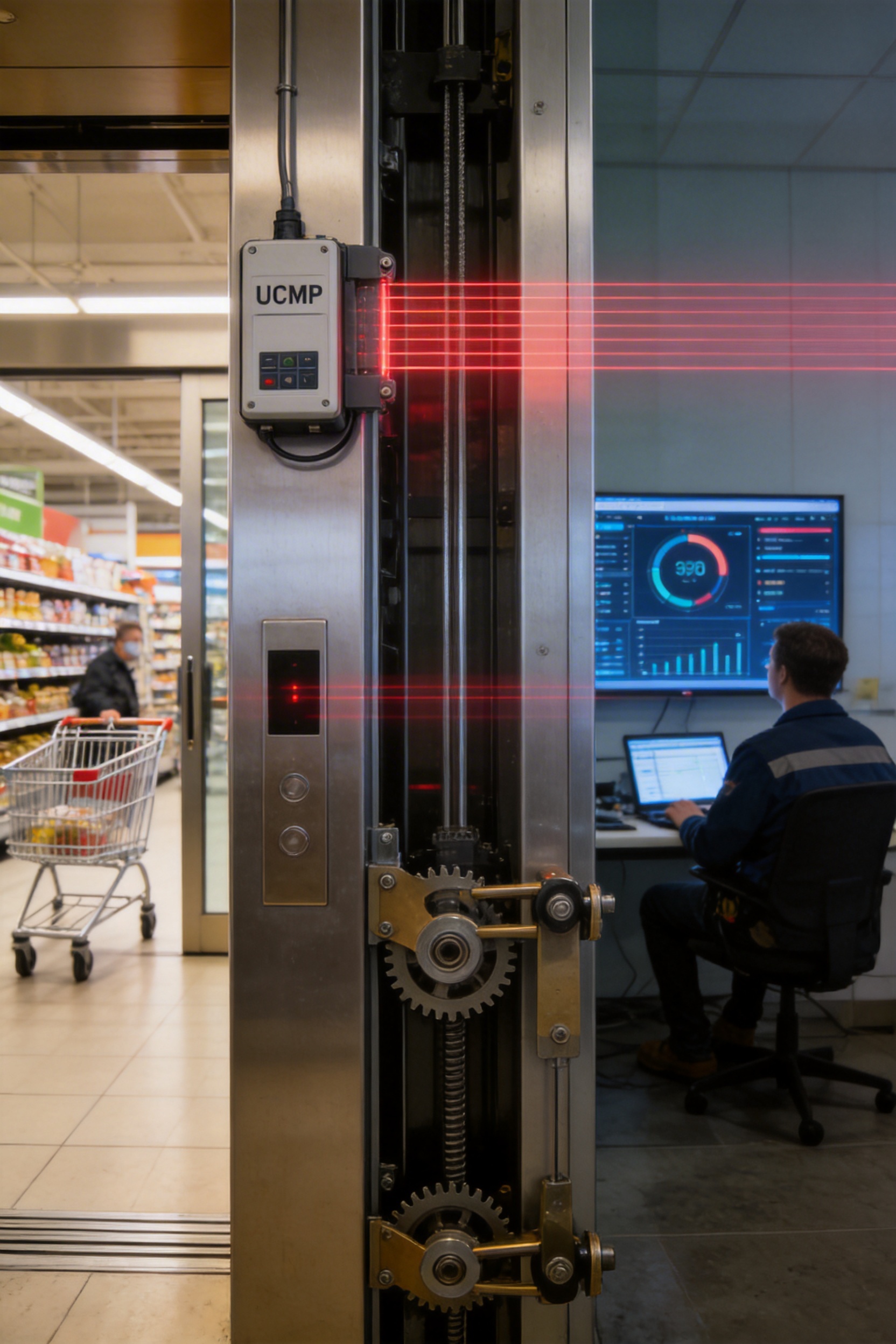
These safety features are standard in next-gen elevators—competitors often treat them as premium add-ons, putting passengers at unnecessary risk.
2.2 Precision Travel & Efficiency: Reducing Wait Times & Enhancing Comfort
Next-gen elevators optimize travel efficiency, reducing wait times for passengers and increasing throughput for building owners. Key features include:
VVVF Drive System: The Variable Voltage Variable Frequency (VVVF) drive precisely adjusts motor speed, creating a smooth speed curve for start, travel, and stop. This eliminates the jolts and jerks common in traditional elevators, making rides more comfortable. Competitors using fixed-speed drives provide less smooth rides, leading to passenger dissatisfaction.
Group Control Function: For buildings with three or more same-model elevators, this system automatically selects the most appropriate elevator to respond to calls. It avoids repeated parking and reduces wait times by up to 30% during peak hours. For example, in a busy office building, the system prioritizes elevators for the most congested floors first, minimizing delays. Competitors using individual elevator control cannot achieve this level of optimization.
Peak Service Modes: Two modes address rush-hour demand: on-duty (morning) and off-duty (evening). During on-duty peaks, elevators are continuously dispatched to the ground floor to transport passengers upward. During off-duty peaks, they are sent to the top floor for downward transport. This targeted approach cuts wait times significantly—competitors rarely offer this as standard.
Automatic Pass Without Stop: When the car is crowded or load is near capacity, the elevator skips calling landings to maintain efficiency. This prevents unnecessary stops and reduces travel time for passengers. Competitors lack this feature, leading to longer rides and frustrated users.
2.3 IoT & Smart Technology: Proactive Maintenance & Data-Driven Performance
IoT integration transforms elevator management from reactive to proactive. The system collects real-time data on every aspect of performance and uses it to:
Detect Issues Early: AI-powered analytics identify potential problems (e.g., worn belts or faulty sensors) before they cause breakdowns. This reduces downtime by up to 40% compared to competitors relying on reactive maintenance.
Optimize Performance: Data analysis identifies patterns (e.g., peak usage times or frequent stop locations) and adjusts operation accordingly. For example, if the system detects frequent stops at a certain floor during lunch hours, it prioritizes that floor to reduce wait times.
Remote Troubleshooting: Technicians access the elevator’s IoT data remotely to diagnose issues without on-site visits. This cuts maintenance costs and speeds up resolution—competitors requiring on-site inspections cannot match this efficiency.
3. Advanced Manufacturing Processes: German-Engineered Quality & Precision
The performance of next-gen elevators is rooted in their manufacturing process—guided by German engineering principles and integrated with Industry 4.0 technology. This combination ensures every elevator meets the highest standards of quality, durability, and safety.
Industry 4.0 Production System: The facility uses a state-of-the-art system designed by German engineers, integrating big data, IoT, and automation. Key features include:
Intelligent Processing: Automated machines cut, shape, and assemble components with micron-level precision—eliminating human error. For example, glass panels are cut using laser-guided robots that ensure perfect dimensions every time. Competitors using manual processing have higher defect rates.
Intelligent Detection: Every component undergoes AI-powered quality checks. Sensors detect even the smallest defects (e.g., a scratch on glass or a misaligned bolt) that human inspectors would miss. This ensures only perfect components are used in the final product.
Big Data Optimization: The system collects data from every production stage to identify bottlenecks and optimize efficiency. For example, if a machine slows the line, the system adjusts workflow to balance load—reducing production time and costs.
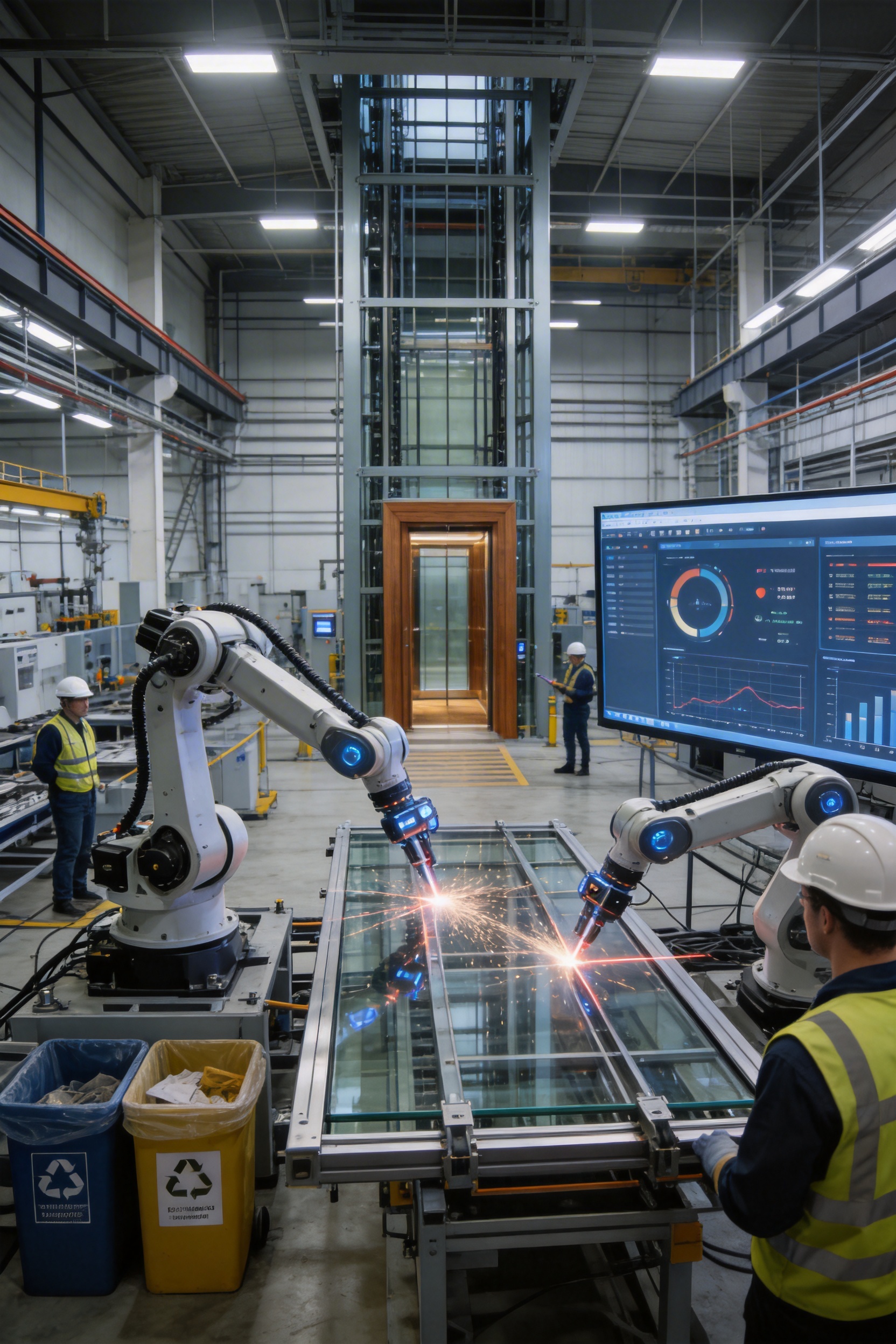
Zero-Defect Quality Control: The company follows a strict "zero-defect" policy, with checks at every stage—from raw material inspection to 72-hour final testing. Every elevator is tested for safety, speed, and door operation before shipment. Competitors with less rigorous testing often ship elevators with hidden defects, leading to costly repairs later.
German Engineering Heritage: The process adheres to German precision standards, prioritizing durability and reliability. This heritage is evident in every component—from the robust steel frame to the high-torque motor. Competitors lacking this heritage produce elevators that are less durable and more prone to breakdowns.
4. Company Strengths: A Global Leader in Elevator Innovation
The success of next-gen elevators is tied to the company’s 24-year heritage in the industry. Key strengths include:
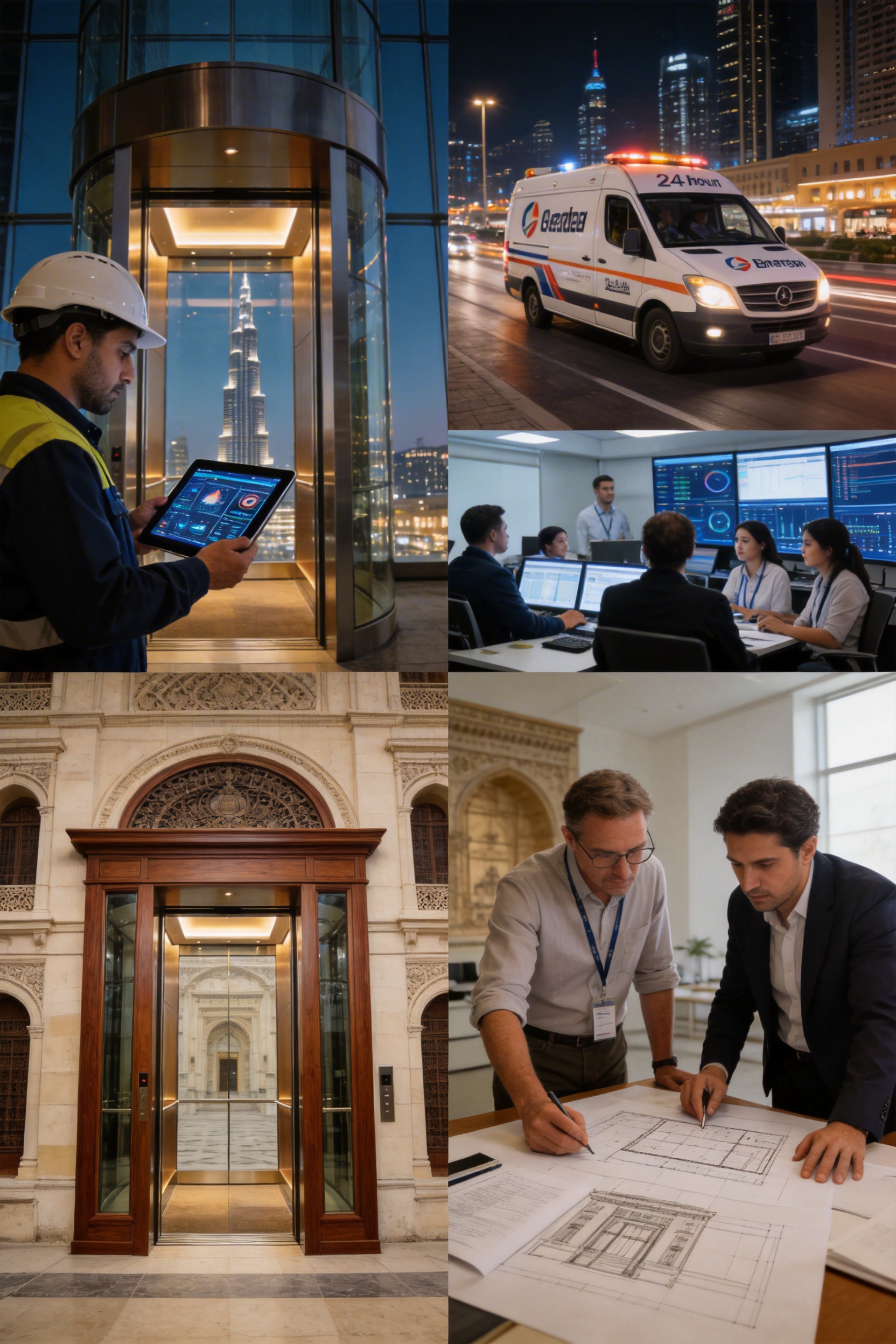
Heritage & Expertise: The parent brand has 24 years of experience in production, technology, and product development. This allows the company to deliver custom solutions faster than new competitors—whether it’s a unique design for a historic building or a specialized elevator for accessibility.
Global Production & Service Network: The company operates two production bases (one for escalators/passenger elevators, one for cargo/home lifts) and a global service network covering 60+ countries. This ensures timely support for international clients—competitors with limited global presence struggle to provide consistent service.
Multi-Language Support: Service is offered in Russian, Spanish, English, and Arabic—eliminating communication barriers for global clients. Competitors with limited language support often face misunderstandings with international customers.
Customer-Centric Approach: The company prioritizes satisfaction with:
- Exclusive maintenance plans: One-to-one client data files and customized schedules based on usage.
- 24-hour emergency support: A global team of technicians responds to issues around the clock.
- Custom solutions: In-house designers work with clients to create elevators that meet specific needs (e.g., a glass elevator for a museum or a wide elevator for hospital stretchers).
Sustainability: The manufacturing facility uses energy-efficient machines and recycles 90% of production waste. This aligns with the growing demand for green building solutions—competitors often overlook sustainability.
5. Q&A: Addressing Common Questions About Next-Gen Panoramic Elevators
To clarify key benefits, we’ve compiled answers to common questions:
Q1: How does this panoramic elevator differ from standard passenger elevators?
A1: Unlike standard models, this elevator offers fully customizable scenic designs tailored to building styles. It integrates advanced safety features (UCMP, dual over-speed protection) and IoT technology (remote monitoring) that are often optional or absent in standard models. Its VVVF drive system also provides smoother rides, enhancing passenger comfort.
Q2: What is the role of IoT in elevator maintenance?
A2: IoT allows real-time monitoring of performance, enabling proactive maintenance. The system detects issues early (e.g., worn belts) and alerts technicians—reducing downtime by up to 40% compared to manual inspections. Competitors relying on reactive maintenance often face longer repair times and higher costs.
Q3: What safety certifications does this elevator hold?
A3: It complies with ISO 14001 (environmental management), OHSAS 18001 (occupational safety), and German industrial standards. Key safety features are tested and certified to meet global requirements, ensuring compliance across markets.
Q4: Can the elevator be customized for historic buildings?
A4: Yes. The company works with historic preservation teams to design elevators that match the building’s architecture—using materials like wood frames or frosted glass to preserve historical integrity while meeting modern safety standards.
Q5: How does group control reduce wait times?
A5: For 3+ elevators, the system selects the most appropriate car to respond to calls—avoiding repeated parking and reducing wait times by up to 30% during peak hours. This is a significant upgrade from individual control, which cannot optimize for busy buildings.
Q6: What is the company’s maintenance support like?
A6: The company offers exclusive one-to-one maintenance plans and 24-hour global support. Technicians use IoT data to diagnose issues remotely, reducing on-site visits and lowering maintenance costs.
6. Comparative Analysis: Next-Gen Panoramic Elevator vs. Competitors
To highlight advantages, we’ve created a comparison table:
| Feature | Next-Gen Panoramic Elevator | Competitive Model 1 | Competitive Model 2 |
|---|---|---|---|
| Scenic Customization | Full (tailored to building style) | Basic (fixed glass) | Limited (standard sizes) |
| UCMP Device | Standard (included) | Optional (extra cost) | Not Available |
| IoT Remote Monitoring | Standard (real-time) | Basic (weekly reports) | Not Available |
| VVVF Drive System | Precision (smooth curves) | Basic (fixed speed) | Not Available |
| Group Control | Standard (3+ elevators) | Optional (extra cost) | Not Available |
| 24-Hour Support | Standard (global) | Limited (8-5 local) | Not Available |
| Dual Over-Speed Protection | Standard (up/down) | Single (only down) | Not Available |
7. Conclusion: The Future of Vertical Mobility
Next-gen panoramic elevators represent a paradigm shift in urban vertical mobility. By combining custom scenic design, industry-leading safety features, IoT technology, and German-engineered manufacturing, these elevators outperform traditional models in every aspect—from passenger comfort to building efficiency.
The company’s strengths (heritage, global network, customer-centric approach) further enhance value, ensuring clients receive high-quality products and reliable service. As cities grow, the demand for elevators that balance aesthetics, safety, and efficiency will only increase—and next-gen panoramic elevators are poised to lead this evolution.
In conclusion, these elevators are not just transportation solutions—they are investments in a better passenger experience and long-term building value. For any property owner looking to elevate their space, next-gen panoramic elevators are the clear choice.
8. References
1. International Organization for Standardization. (2023). Elevator Safety Requirements: ISO 14001 & OHSAS 18001 Compliance Guidelines. Geneva, Switzerland: ISO Publishing.
2. Urban Planning Institute. (2024). Vertical Mobility Trends in Modern Cities: The Role of Panoramic Elevators. New York, NY: UPI Press.
3. German Engineering Federation (VDMA). (2023). Industry 4.0 in Elevator Manufacturing: Best Practices for Quality & Efficiency. Berlin, Germany: VDMA Publications.
4. Global Elevator Association. (2024). Customer Satisfaction Report: Panoramic Elevator Performance Metrics. Tokyo, Japan: GEA Press.
5. National Institute for Occupational Safety and Health (NIOSH). (2022). Elevator Safety: Emerging Technologies & Best Practices. Washington, DC: NIOSH.

Related Products
Related News
Built on safety, forging trust in vertical mobility.
lf you have any questions or need help, feel free to contact with our team.
 export@tenau.com.cn
 +86-18601458867
 +86-512-65059883
Elevator & Escalator
Factory Add
East of Xicheng Road, North of Lianyi Road, Nanxun Economic Development Zone, Nanxun District, Huzhou City, Zhejiang Province, P.R.China
Copyright © Tenau Elevator (China) Co., Ltd. All Rightd Reserved.
Custom High Quality Elevator Suppliers and World Brand Elevator Company