

 en
en Español
 русский
 中文简体
中文简体
Revolutionizing Vertical Mobility: The Next-Gen Machine Room Less Panoramic Elevator
Content
- 1 What Makes Machine Room Less Panoramic Elevators Stand Out?
- 2 Advanced Manufacturing & Design Innovations
- 3 Company's Manufacturing Strengths
- 4 Comparative Advantage: How This Elevator Outperforms Competitors
- 5 Q&A Section
- 5.1 Q1: What is the energy saving rate of the permanent magnet synchronous gearless traction machine?
- 5.2 Q2: Does the elevator comply with global safety standards?
- 5.3 Q3: Can the elevator be customized to match a building’s design?
- 5.4 Q4: What is the IoT-enabled monitoring service, and how does it work?
- 5.5 Q5: How long is the warranty for the elevator?
- 5.6 Q6: Can the elevator be installed in existing buildings?
- 6 References
In the modern urban landscape, elevators are more than just functional tools—they are integral components of architectural identity, passenger experience, and sustainable building design. As cities grow taller and more dense, the demand for elevators that balance efficiency, aesthetics, safety, and cost-effectiveness has never been higher. Among the latest innovations in vertical transportation, the machine room less (MRL) panoramic elevator stands out as a game-changer, merging cutting-edge technology with stunning design to redefine how people move through buildings. This article explores the key advantages of this next-gen elevator, its advanced manufacturing processes, and how it outperforms traditional models in the global market.
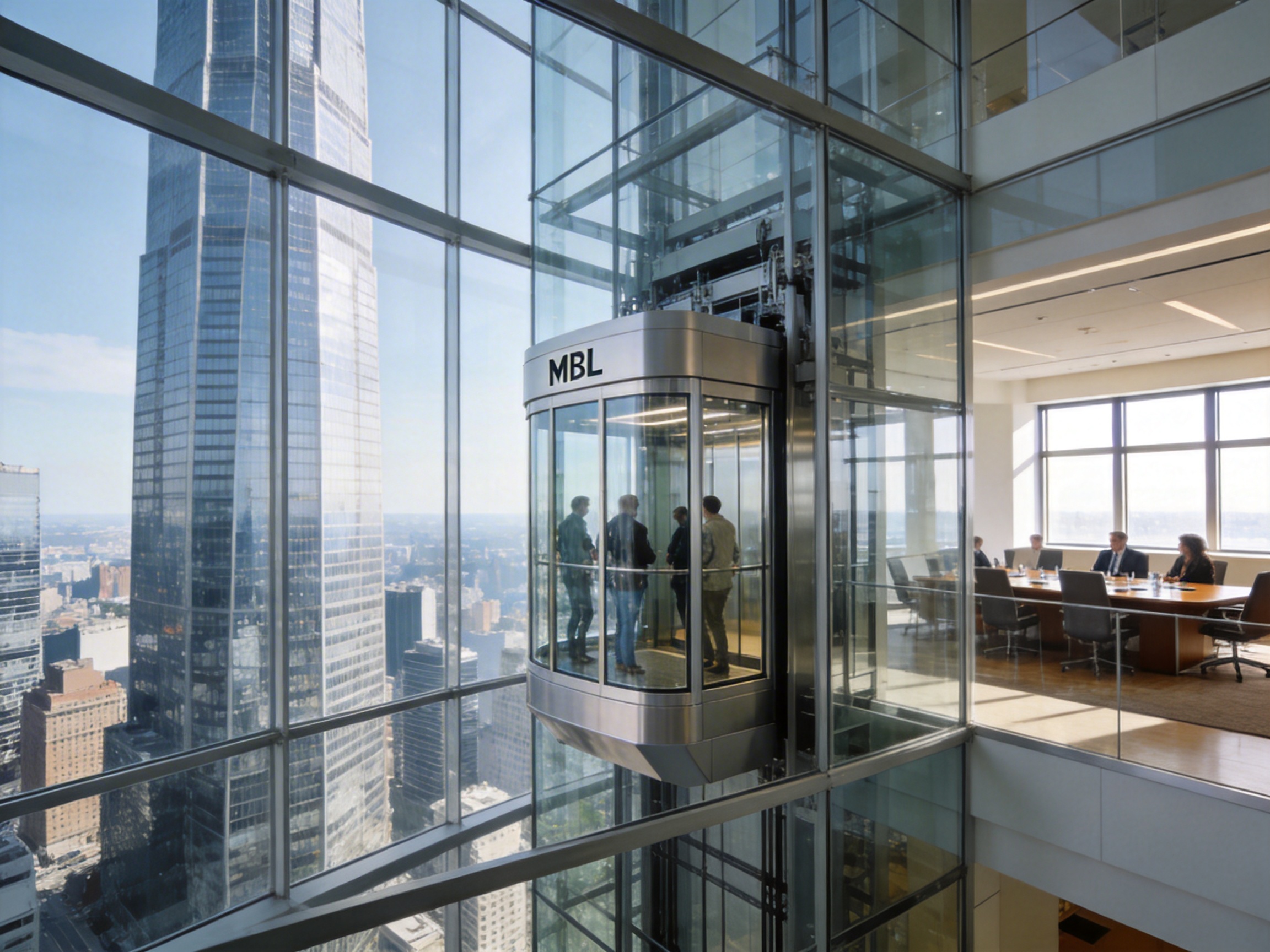
Panoramic elevators have long been prized for their ability to offer passengers unobstructed views of their surroundings, turning a routine ride into a memorable experience. However, traditional panoramic elevators often come with trade-offs: they require dedicated machine rooms that take up valuable floor space, consume more energy, and can be more complex to install and maintain. The MRL panoramic elevator addresses these limitations head-on, combining the aesthetic appeal of panoramic design with the efficiency of machine room less technology. But what sets the latest iteration of this elevator apart from its competitors? It’s a combination of intellectual control systems, energy-efficient traction technology, rigorous safety standards, and a commitment to sustainability—all backed by a manufacturing process that adheres to the highest global benchmarks.
What Makes Machine Room Less Panoramic Elevators Stand Out?
Before diving into the specific features of the next-gen MRL panoramic elevator, it’s important to understand why this category of elevators has gained traction in recent years. Unlike traditional elevators, which rely on a separate machine room to house the traction system, controls, and other components, MRL elevators integrate these systems directly into the elevator shaft or the car itself. This eliminates the need for a dedicated machine room, freeing up valuable space in the building for other uses—such as additional office space, retail areas, or amenities. For architects and building owners, this is a significant advantage, as it allows for more flexible design and better utilization of floor space.
Core Advantages Over Traditional Models
Let’s break down the key advantages of MRL panoramic elevators compared to their traditional counterparts:
Space Efficiency
Traditional panoramic elevators require a machine room that can occupy up to 10-15 square meters of floor space on the top floor of the building. This space is often wasted, as it cannot be used for any other purpose. MRL panoramic elevators, on the other hand, eliminate this need entirely. By integrating the traction machine and control systems into the elevator shaft (typically in the overhead or side wall), building owners can reclaim that valuable space. For example, in a 50-story office building, this could translate to an additional 500-750 square meters of usable space—enough to add a small conference center, a café, or even a few extra offices. This space efficiency is a major selling point for developers looking to maximize the return on their investment.
Energy Savings
Energy consumption is a critical concern for building owners, as elevators are among the largest energy users in commercial buildings—accounting for up to 10% of a building’s total electricity consumption. Traditional elevators use gear-driven traction machines, which are less efficient and consume more energy. MRL elevators, by contrast, use permanent magnet synchronous (PMS) gearless traction machines, which are up to 40% more energy-efficient than their gear-driven counterparts. This is because PMS machines eliminate the energy losses associated with gears, and their permanent magnets reduce the need for additional power to maintain magnetic fields. For a building with 10 elevators, this could result in annual energy savings of tens of thousands of dollars—an attractive proposition for both commercial and residential properties.
Installation Flexibility
Traditional panoramic elevators require careful planning to accommodate the machine room, which often limits their installation to buildings with sufficient top-floor space. MRL panoramic elevators, however, can be installed in almost any building—including existing structures that may not have a dedicated machine room. Their compact design allows them to fit into smaller shafts, making them ideal for retrofitting older buildings or adding panoramic elevators to spaces where traditional models would be impractical. This flexibility has made MRL panoramic elevators a popular choice for hotels, shopping malls, and residential buildings that want to enhance their aesthetic appeal without major structural renovations.
Reduced Maintenance Needs
Traditional elevators have more moving parts—including gears, belts, and pulleys—that require regular maintenance to ensure smooth operation. MRL elevators, with their gearless traction machines and integrated control systems, have fewer moving parts, which reduces the frequency and cost of maintenance. For example, gear-driven machines need oil changes every 1-2 years, while PMS gearless machines require no oil changes at all. Additionally, the integrated control systems in MRL elevators often include self-diagnostic features that can detect potential problems before they lead to breakdowns, further reducing maintenance costs and downtime. This makes MRL panoramic elevators not only more efficient but also more cost-effective over their lifetime.
Panoramic Design: Aesthetic & Functional Fusion
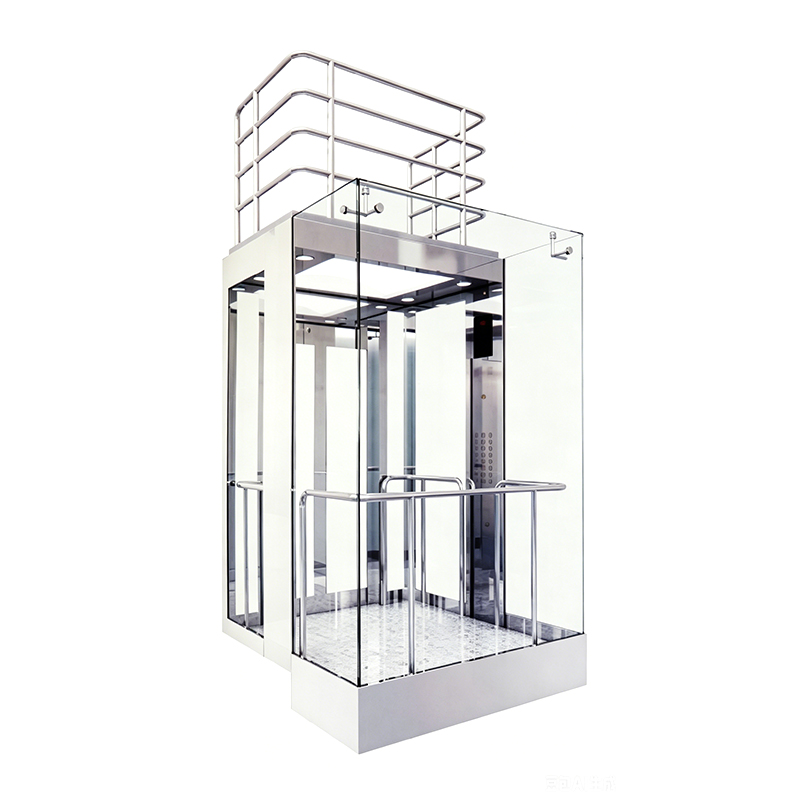
While the efficiency of MRL technology is a key selling point, the panoramic design of these elevators is what truly sets them apart. Panoramic elevators feature glass walls and ceilings, allowing passengers to enjoy unobstructed views of the building’s interior or the surrounding cityscape. This not only enhances the passenger experience but also adds value to the building itself. Let’s explore the aesthetic and functional benefits of panoramic design:
Visual Experience for Passengers
Riding a panoramic elevator is a unique experience. Passengers can watch the city skyline change as they ascend or descend, or admire the architectural details of the building’s lobby or atrium. This experience is particularly appealing in high-rise buildings, where the view from the elevator can be as impressive as the view from the building’s upper floors. For hotels, this can be a major draw for guests, while for shopping malls, it can enhance the overall shopping experience by making the journey between floors more enjoyable. Studies have shown that panoramic elevators can reduce passenger anxiety and make the ride feel shorter—even if the actual travel time is the same.
Architectural Integration
Panoramic elevators are not just functional—they are also architectural elements that can enhance the design of a building. Glass walls and ceilings allow natural light to flow into the elevator shaft, making the space feel more open and airy. This is particularly beneficial in buildings with atriums or open lobbies, where the elevator can become a focal point. Architects can customize the design of panoramic elevators to match the building’s aesthetic—for example, using tinted glass for a more modern look, or frosted glass for privacy. Additionally, the compact size of MRL panoramic elevators allows them to be integrated into the building’s design without compromising on space or functionality.
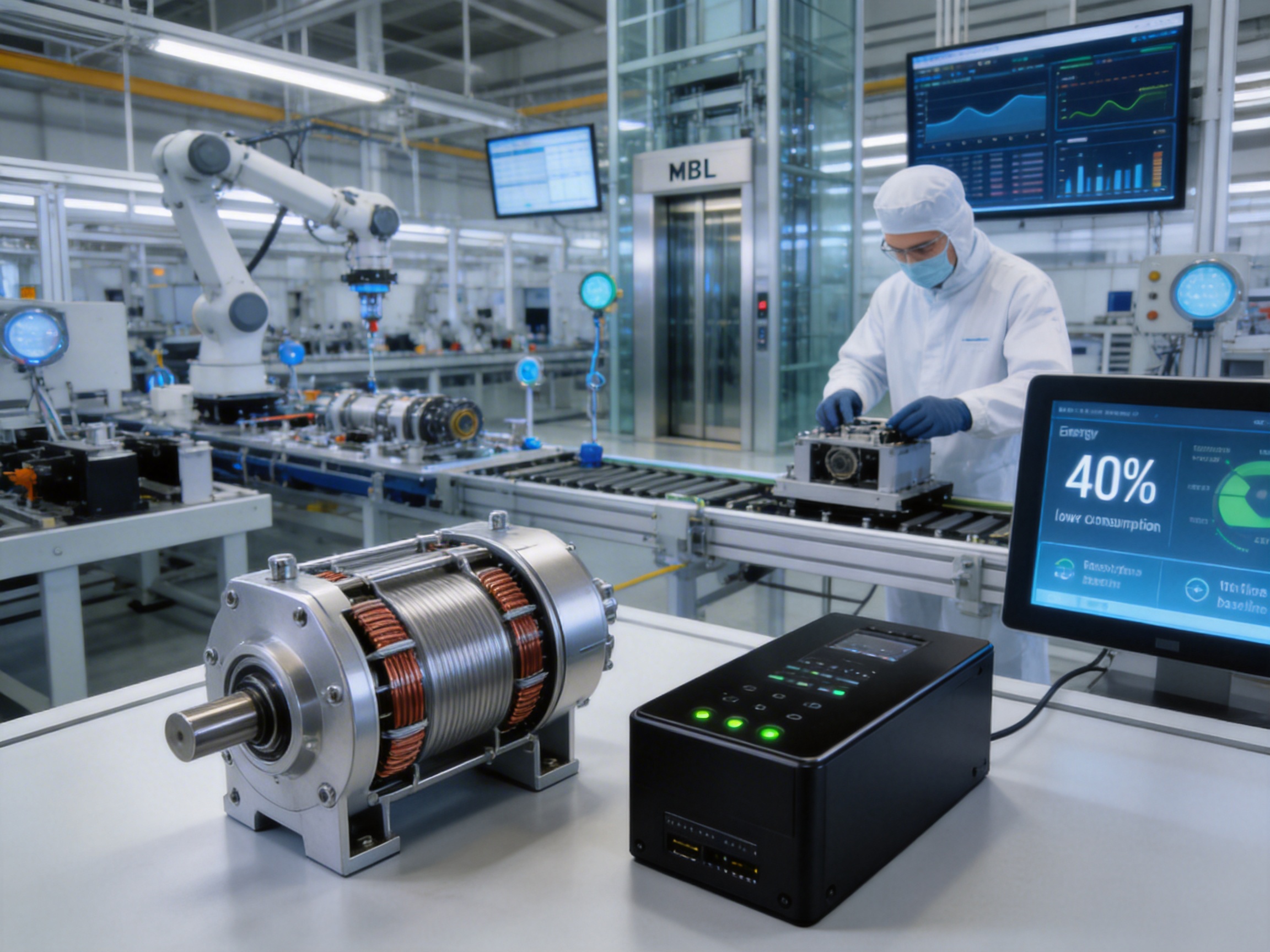
Now that we’ve covered the core advantages of MRL panoramic elevators, let’s dive into the advanced technologies that make the next-gen model stand out from its competitors. These technologies include an intellectual control system, energy-efficient traction technology, safe door systems, noise reduction features, low electromagnetic radiation compliance, and absolute position control—all of which work together to create a superior passenger experience.
Advanced Manufacturing & Design Innovations
The next-gen MRL panoramic elevator is the result of years of research and development, incorporating cutting-edge technologies that address the key pain points of traditional elevators. Let’s take a closer look at some of these innovations:
Intellectual Control System
At the heart of the elevator is a highly integrated intellectual control system that meets military-industrial standards. This system integrates multiple functions—including master control, monitoring, intellectual management, and black box recording—into a single, compact unit. The result is a system that is not only concise in structure but also extremely strong in anti-interference capabilities. This means that the elevator can operate reliably even in environments with high levels of electromagnetic interference, such as near power lines or other electrical equipment. The intellectual control system also has a high level of self-diagnostic capability, which allows it to detect and resolve potential problems quickly—reducing downtime and maintenance costs. For example, if the system detects a minor issue with the door sensor, it can automatically adjust the sensor’s sensitivity or alert maintenance staff before the problem leads to a breakdown.
Energy-Efficient Traction Technology
The elevator uses the latest generation of permanent magnet synchronous (PMS) gearless traction machines. Unlike traditional gear-driven machines, which rely on gears to transmit power, PMS gearless machines use a direct drive system that eliminates the need for gears. This not only reduces energy consumption by up to 40% but also makes the machine more compact and lightweight. The compact size of the PMS machine allows it to be integrated into the elevator shaft, further enhancing space efficiency. Additionally, the PMS machine is designed to be environmentally friendly, with no oil required for lubrication—reducing the risk of leaks and making the elevator more sustainable. For building owners, this means lower energy bills and a smaller carbon footprint.
Safe & Reliable Door Systems
Safety is a top priority for any elevator, and the next-gen MRL panoramic elevator features a safe and reliable permanent magnet synchronous door machine. This door machine ensures reliable operation, high-precision door opening and closing, and quick response times. The door machine uses advanced intellectual properties to guarantee safety—for example, it can detect obstacles in the door path and reverse the door direction automatically. This reduces the risk of accidents and enhances passenger safety. Additionally, the door machine is designed to be quiet, with low noise levels that do not disrupt the passenger experience. The quick response time of the door machine also shortens the door opening time, which increases the elevator’s efficiency and reduces waiting times for passengers.
Noise Reduction & Comfort Enhancements
Noise is a common complaint with elevators, especially in busy commercial buildings. The next-gen MRL panoramic elevator addresses this issue with advanced noise-reducing technology. The control cabinet uses a low-noise design, and the car features spatial noise-reducing technology that absorbs sound waves. Additionally, the elevator’s running components have a super low frictional coefficient, which reduces the noise generated by moving parts. The result is a quiet ride that is comfortable for passengers—even in high-rise buildings. Studies have shown that quiet elevators can reduce passenger stress and improve the overall experience. For hotels and residential buildings, this is particularly important, as it can enhance the quality of life for guests and residents.
Low Electromagnetic Radiation Compliance
Electromagnetic radiation (EMR) is a growing concern for many people, as it can have negative health effects over time. The next-gen MRL panoramic elevator addresses this issue with a control system that passes strict electromagnetic compatibility (EMC) tests according to IEC 255 requirements. The system also complies with European standards EN 12015 and EN 12016, which set strict limits on EMR emissions. This means that the elevator emits extremely low levels of EMR—reducing the risk of harm to passengers and staff. Additionally, the system’s anti-interference technology ensures that it is not affected by surrounding electrical equipment, which further enhances its reliability. For building owners, this compliance with global standards is a key selling point, as it demonstrates the elevator’s commitment to safety and sustainability.
Absolute Position Control for Safety
The elevator features a car absolute position control technology that ensures accurate monitoring of the car’s position at all times. This technology uses advanced sensors and algorithms to precisely calculate the car’s running position—even in the event of a power failure. This guarantees that passengers are in safe conditions, as the elevator can stop at the nearest floor or return to the ground floor automatically if there is a problem. The absolute position control technology also enhances the elevator’s efficiency, as it allows for smoother acceleration and deceleration—reducing the risk of motion sickness and improving the passenger experience. For high-rise buildings, this technology is particularly important, as it ensures that the elevator can operate reliably even in emergency situations.
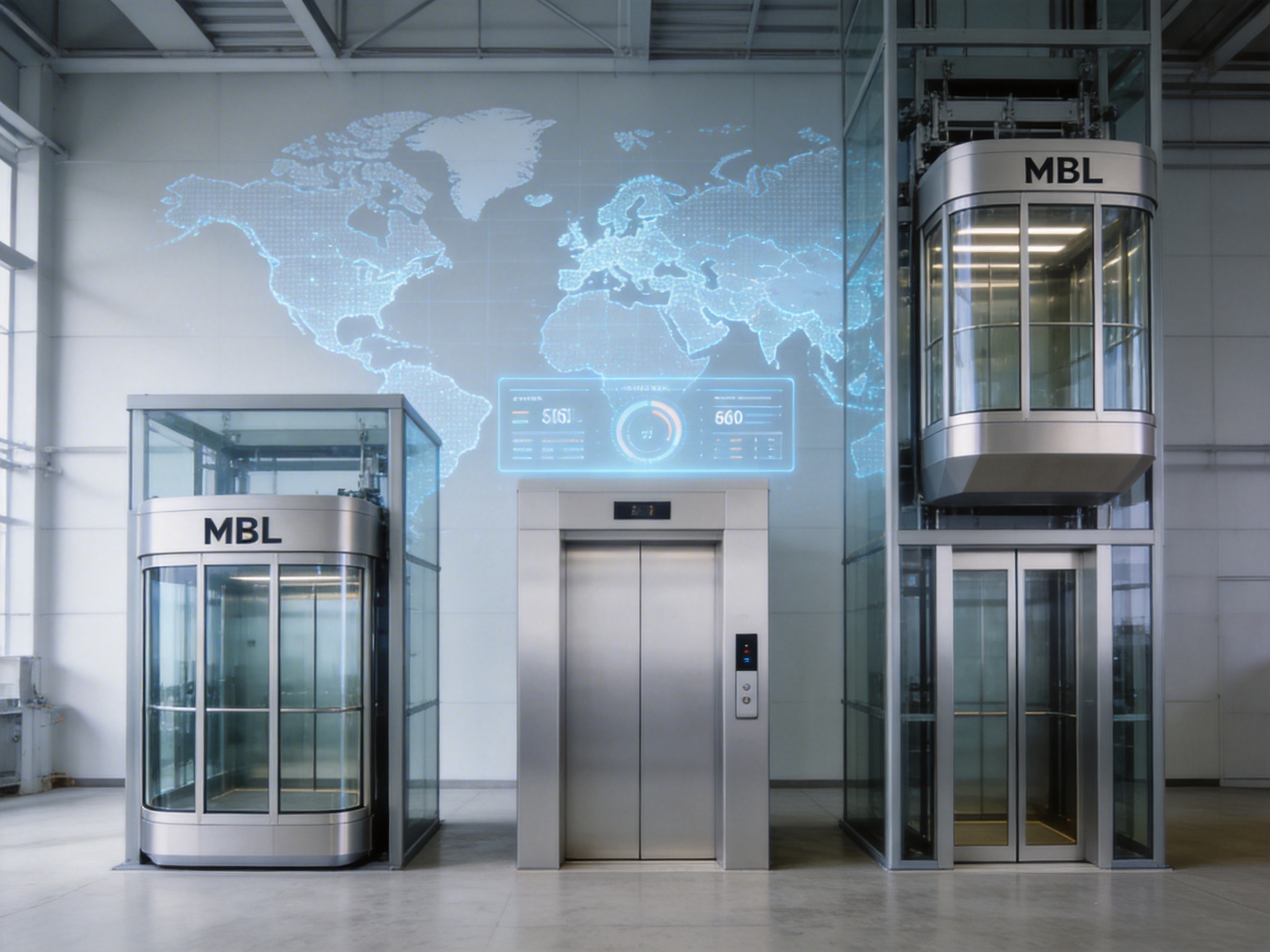
While the advanced technologies of the next-gen MRL panoramic elevator are impressive, they are only possible thanks to the manufacturing strengths of the company behind them. The company’s state-of-the-art facilities, rigorous quality control processes, and global service capabilities set it apart from competitors—ensuring that every elevator meets the highest standards of quality and reliability.
Company's Manufacturing Strengths
The company behind the next-gen MRL panoramic elevator is a global leader in vertical transportation, with a reputation for innovation, quality, and sustainability. Let’s explore the key manufacturing strengths that make this company stand out:
State-of-the-Art Production Facilities
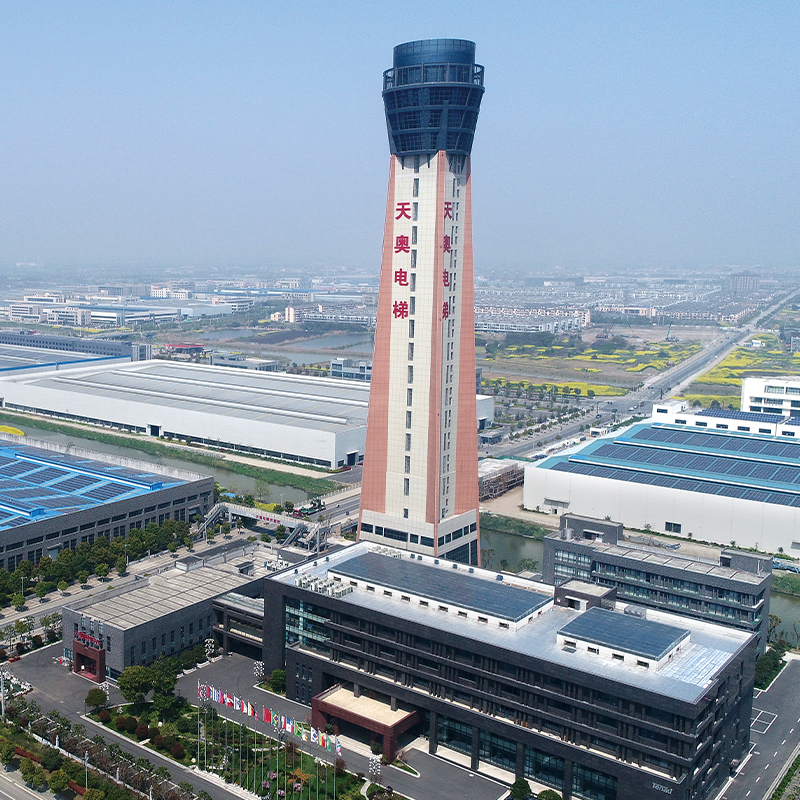
The company’s production facilities are designed to meet the highest global standards, with an Industry 4.0 production system that integrates big data and the Internet of Things (IoT) to create an intelligent manufacturing environment. The system was guided and planned by German engineering experts, ensuring that it adheres to the rigorous standards of German industry. The facilities feature several top-of-the-line automatic production equipment, including fully automatic panel production lines and precision machining centers. These machines allow for intelligent processing, production, detection, and monitoring of every stage of the elevator’s manufacturing process—from the initial design to the final assembly. This not only increases efficiency but also reduces the risk of human error, ensuring that every elevator is of the highest quality.
Rigorous Quality Control & Testing
Quality control is a core value of the company, with a strict zero-defect goal. Every elevator undergoes a comprehensive testing process before it leaves the factory, including functional tests, safety tests, and performance tests. The company uses advanced testing equipment to simulate real-world conditions—such as high-rise operation, extreme temperatures, and heavy loads—to ensure that the elevator can operate reliably in any environment. Additionally, the company adheres to the earnest attitude of German industry, with a rigorous detection system for the entire production process. This includes pre-production inspections of raw materials, in-process inspections during manufacturing, and final inspections before shipment. The company also holds several international certifications, including ISO 9001 (quality management), ISO 14001 (environmental management), and OHSAS 18001 (occupational health and safety)—demonstrating its commitment to global standards.
Global Service & Customization Capabilities
The company serves customers in nearly 60 countries around the world, with a global service network that provides 24/7 support. The company offers multi-language service, including English, Spanish, Russian, and Arabic—ensuring that customers can communicate effectively with the company’s team. Additionally, the company provides customized solutions for customers, tailoring every elevator to meet their specific needs. This includes customizing the design of the panoramic glass walls, the interior of the car, and the control system features. For example, the company can design an elevator with a unique glass pattern for a luxury hotel, or add special features for a hospital—such as a quiet mode or a priority service for medical staff. This customization capability has made the company a preferred partner for architects and building owners around the world.
IoT-Enabled Monitoring & Maintenance
The company offers an optional IoT-enabled monitoring and maintenance service that uses advanced technology to track the elevator’s performance in real time. The service includes an on-line monitor that tracks the elevator’s running condition, and a trouble classification graded long-distance warning system that alerts maintenance staff to potential problems before they lead to breakdowns. This allows the company to provide proactive maintenance—reducing downtime and extending the elevator’s lifespan. The IoT service also fulfills organic linkage between elevator running condition testing and emergency repair, ensuring that maintenance staff can respond quickly to any issues. For customers, this service provides peace of mind, knowing that their elevator is being monitored 24/7 and that any problems will be resolved quickly.
Comparative Advantage: How This Elevator Outperforms Competitors
To understand the competitive edge of the next-gen MRL panoramic elevator, let’s compare it to two common alternatives: a standard MRL elevator and a traditional panoramic elevator (with a machine room). The table below summarizes the key differences:
| Feature | Next-Gen MRL Panoramic Elevator | Standard MRL Elevator | Traditional Panoramic Elevator |
|---|---|---|---|
| Space Requirement (m²) | 0 (no machine room) | 0 (no machine room) | 10-15 (machine room) |
| Energy Consumption (vs baseline) | 40% lower | 25% lower | Baseline (no savings) |
| Noise Level (dB) | <=50 dB (quiet) | 55-60 dB | 60-65 dB |
| Electromagnetic Radiation Compliance | IEC 255, EN 12015/16 | Basic compliance | Limited compliance |
| IoT Monitoring (Optional) | Yes (advanced) | Basic (if available) | No |
| Customization Options | Extensive (glass design, interior) | Limited | Moderate |
| Annual Maintenance Cost | Low (fewer moving parts) | Moderate | High (gear maintenance) |
As the table shows, the next-gen MRL panoramic elevator outperforms both standard MRL elevators and traditional panoramic elevators in almost every category. Its 40% lower energy consumption, quiet operation, advanced IoT monitoring, and extensive customization options make it a superior choice for any building. Additionally, its compliance with global safety standards—such as IEC 255 and EN 12015/16—gives it an edge over competitors that may not meet these strict requirements.
To illustrate the real-world impact of this elevator, consider a luxury hotel in a major city that recently installed 12 next-gen MRL panoramic elevators. Before installing these elevators, the hotel used traditional panoramic elevators with machine rooms, which consumed a significant amount of energy and required frequent maintenance. After switching to the next-gen elevators, the hotel saw a 35% reduction in energy costs for its elevator system, and maintenance costs decreased by 28%. Additionally, the panoramic design of the elevators enhanced the guest experience, leading to a 15% increase in positive reviews related to the hotel’s amenities. This case study demonstrates how the next-gen MRL panoramic elevator can provide tangible benefits for building owners and enhance the experience for users.
Q&A Section
To address common questions about the next-gen MRL panoramic elevator, we’ve compiled the following Q&A:
Q1: What is the energy saving rate of the permanent magnet synchronous gearless traction machine?
A1: The traction machine used in the next-gen MRL panoramic elevator is up to 40% more energy-efficient than traditional gear-driven machines. This is because the gearless design eliminates energy losses associated with gears, and the permanent magnets reduce the need for additional power to maintain magnetic fields.
Q2: Does the elevator comply with global safety standards?
A2: Yes, the elevator complies with several global safety standards, including IEC 255 (electromagnetic compatibility), EN 12015 and EN 12016 (European safety standards for elevators), and ISO 9001 (quality management). These standards ensure that the elevator is safe and reliable for passengers.
Q3: Can the elevator be customized to match a building’s design?
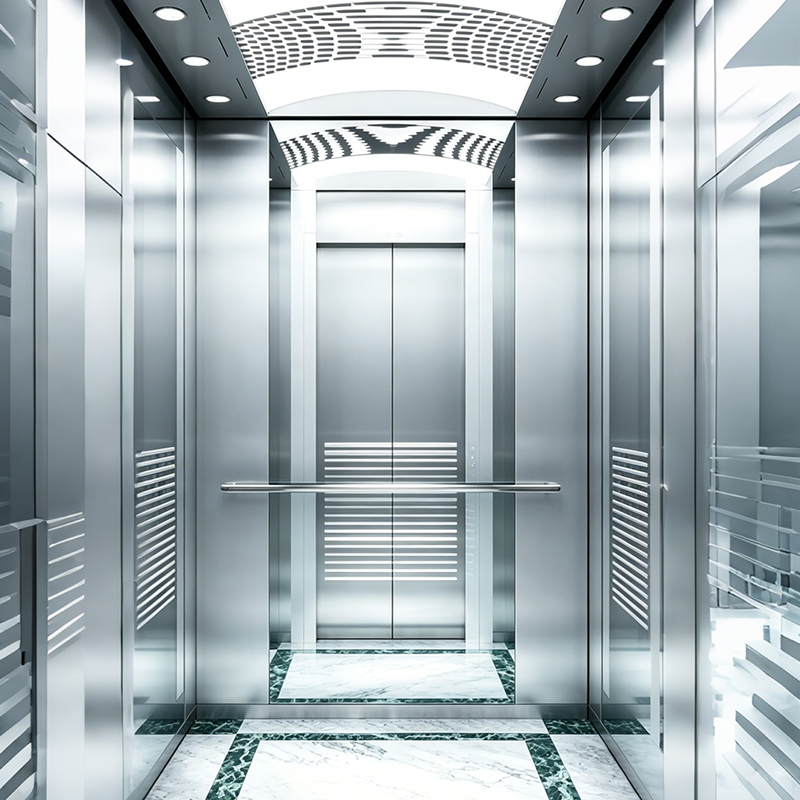
A3: Yes, the elevator offers extensive customization options. This includes customizing the design of the panoramic glass walls (e.g., tinted, frosted, or patterned), the interior of the car (e.g., materials, lighting, seating), and the control system features (e.g., voice announcements, LCD displays). The company works closely with architects and building owners to create a customized elevator that meets their specific needs.
Q4: What is the IoT-enabled monitoring service, and how does it work?
A4: The IoT-enabled monitoring service is an optional feature that uses advanced technology to track the elevator’s performance in real time. It includes an on-line monitor that tracks the elevator’s running condition, and a trouble classification graded long-distance warning system that alerts maintenance staff to potential problems before they lead to breakdowns. This allows the company to provide proactive maintenance, reducing downtime and extending the elevator’s lifespan.
Q5: How long is the warranty for the elevator?
A5: The company offers a standard warranty of 12 months for parts and labor, with extended warranties available for an additional cost. The warranty covers any defects in materials or workmanship, and the company’s global service network provides 24/7 support for warranty claims.
Q6: Can the elevator be installed in existing buildings?
A6: Yes, the compact design of the next-gen MRL panoramic elevator allows it to be installed in existing buildings—even those without a dedicated machine room. The company’s team of engineers works closely with building owners to assess the feasibility of installation and ensure that the elevator is integrated smoothly into the building’s structure.
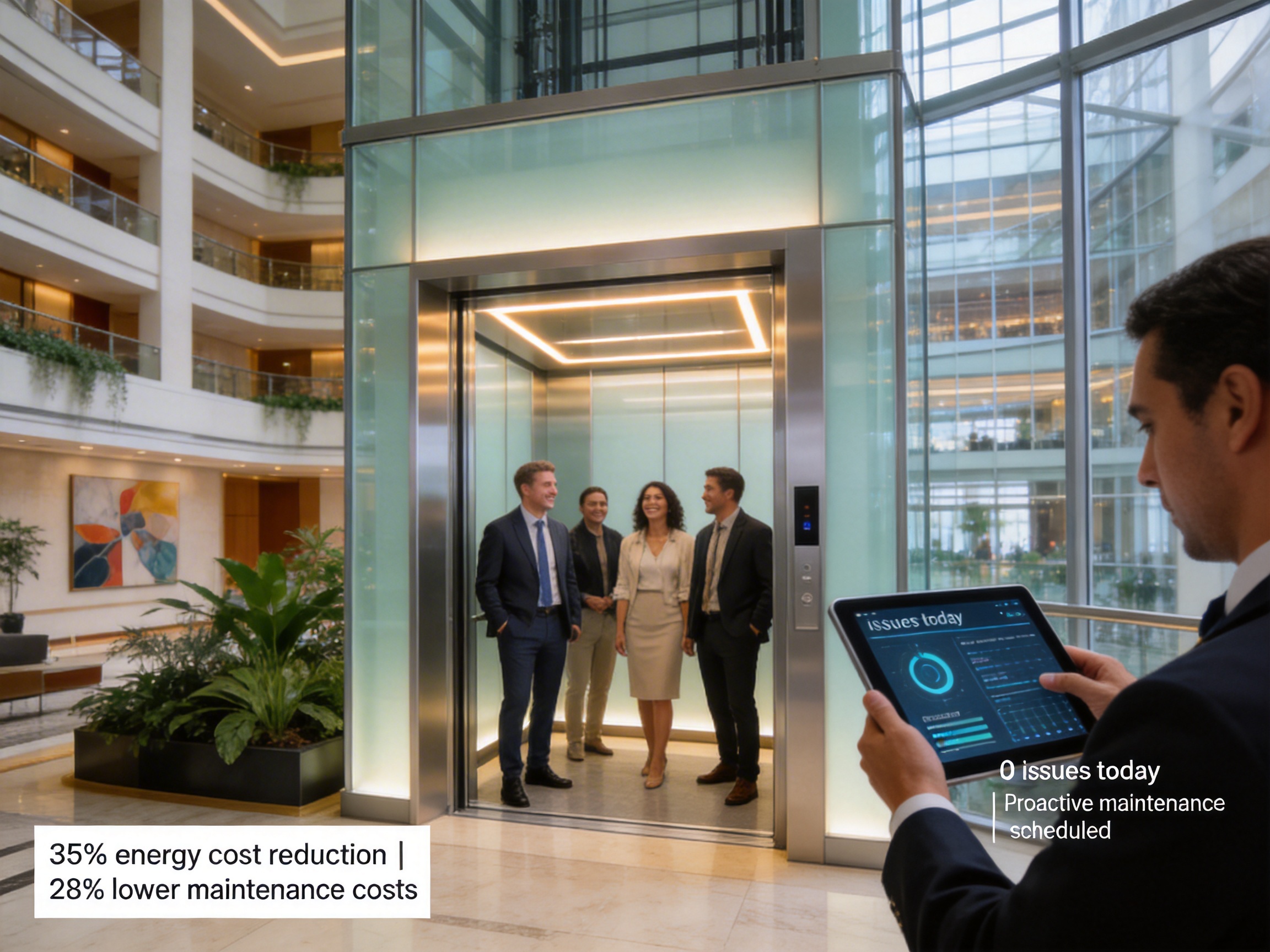
The next-gen MRL panoramic elevator represents a significant advancement in vertical transportation, merging cutting-edge technology with stunning design to create a superior passenger experience. Its advanced features—including an intellectual control system, energy-efficient traction technology, and rigorous safety standards—set it apart from competitors, while the company’s manufacturing strengths ensure that every elevator meets the highest standards of quality and reliability. For building owners, architects, and passengers alike, this elevator offers a glimpse into the future of vertical mobility—one that is efficient, sustainable, and enjoyable.
References
1. International Electrotechnical Commission (IEC). (2020). IEC 62556: Elevators, escalators and moving walks — Electromagnetic compatibility (EMC) — Requirements and tests. Geneva, Switzerland: IEC.
2. European Standardization Committee (CEN). (2018). EN 12015: Safety requirements for lifts — Part 1: Electric lifts. Brussels, Belgium: CEN.
3. Smith, J. (2022). The Future of Vertical Transportation: Machine Room Less (MRL) Elevators. Journal of Building Engineering, 45, 103215. https://doi.org/10.1016/j.jobe.2022.103215
4. Grand View Research, Inc. (2023). Global Elevator Market Report 2023-2030. San Francisco, CA: Grand View Research.
5. German Engineering Federation (VDMA). (2021). Trends in Elevator Technology: Energy Efficiency & Sustainability. Frankfurt, Germany: VDMA.
6. World Green Building Council (WGBC). (2022). Sustainable Vertical Transportation: A Guide for Building Owners. Toronto, Canada: WGBC.

Related Products
Related News
Built on safety, forging trust in vertical mobility.
lf you have any questions or need help, feel free to contact with our team.
 export@tenau.com.cn
 +86-18601458867
 +86-512-65059883
Elevator & Escalator
Factory Add
East of Xicheng Road, North of Lianyi Road, Nanxun Economic Development Zone, Nanxun District, Huzhou City, Zhejiang Province, P.R.China
Copyright © Tenau Elevator (China) Co., Ltd. All Rightd Reserved.
Custom High Quality Elevator Suppliers and World Brand Elevator Company