

 en
en Español
 русский
 中文简体
中文简体
Revolutionizing Vertical Travel: The Next-Gen Panoramic Elevator Experience
Content
- 1 What Makes Panoramic Elevators Indispensable in Modern Architecture?
- 2 Deep Dive into the Next-Gen Panoramic Elevator
- 2.1 1. Highly Integrated Intellectual Control System: Military-Grade Reliability
- 2.2 2. Effective Energy-Saving Traction Machine: Eco-Friendly and Space-Efficient
- 2.3 3. Safe & Reliable Permanent Magnet Synchronous Door Machine: Precision and Speed
- 2.4 4. Advanced Noise-Reducing Technology: A Quiet Ride Experience
- 2.5 5. Extremely Low Electromagnetic Radiation: Protecting Passengers and Staff
- 2.6 6. Car Absolute Position Control Technology: Precise Alignment and Safety
- 3 The Manufacturing Excellence Behind the Product
- 4 Functionality Breakdown: A Comprehensive Look
- 5 Q&A Section: Addressing Common Questions
- 5.1 Q1: What sets this panoramic elevator apart from traditional models?
- 5.2 Q2: How does the intellectual control system enhance safety and efficiency?
- 5.3 Q3: What manufacturing processes ensure the elevator’s high quality?
- 5.4 Q4: Is the IoT monitoring system worth the extra cost?
- 5.5 Q5: What safety features are included as standard?
- 5.6 Q6: Can the elevator be customized for specific building needs?
- 6 References
In the modern architectural landscape, panoramic elevators are no longer just aesthetic additions—they are critical components of building functionality, blending visibility, safety, and efficiency to enhance the user experience. As urban spaces grow taller and more connected, the demand for elevators that not only showcase stunning views but also prioritize reliability, energy conservation, and smart technology has never been higher. This article explores a next-generation panoramic elevator that redefines industry standards, highlighting its unique advantages over competitors and the manufacturing excellence that underpins its performance.
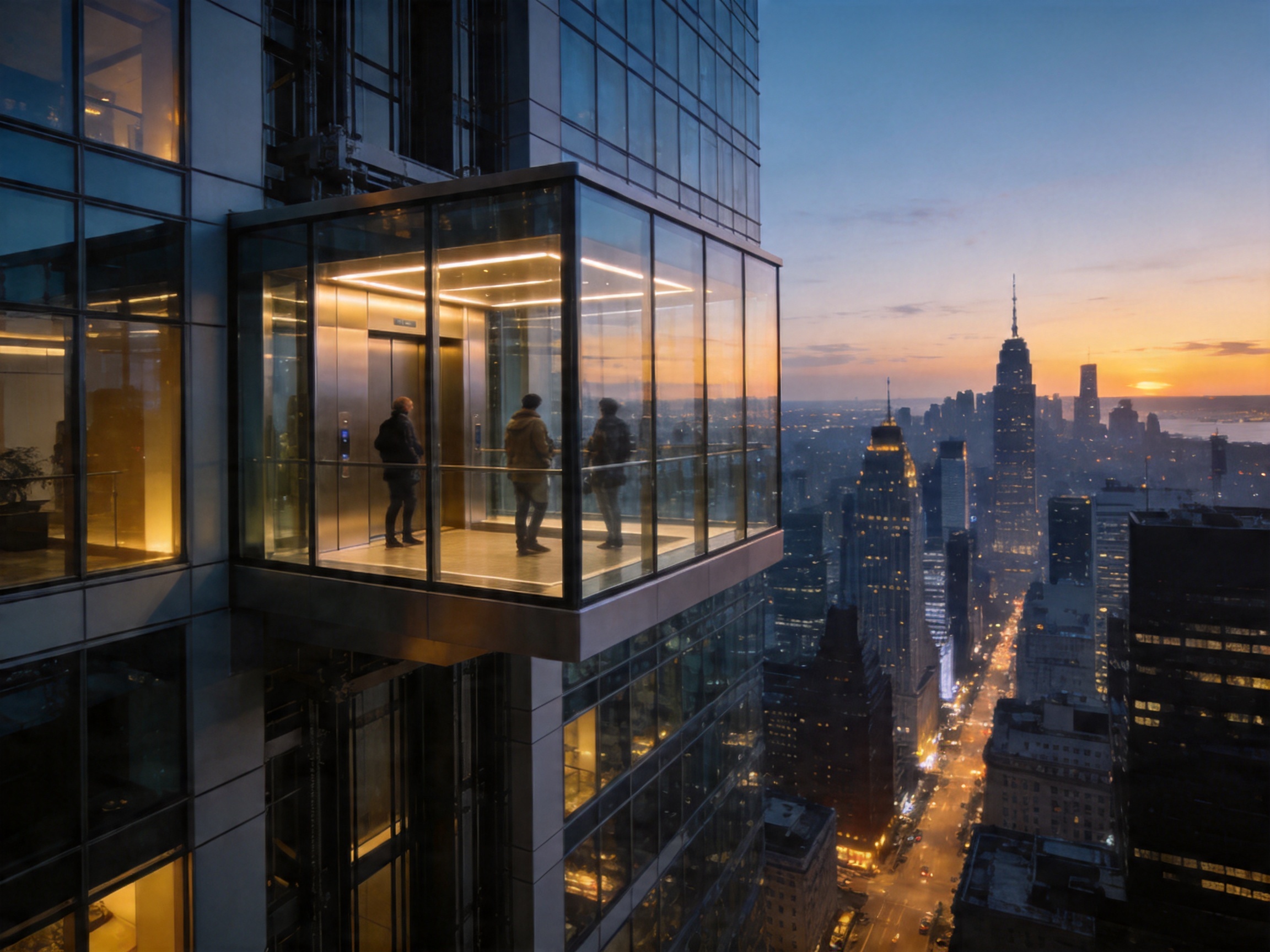
What Makes Panoramic Elevators Indispensable in Modern Architecture?
Panoramic elevators have transformed the way people interact with vertical spaces. Unlike traditional enclosed elevators, they offer unobstructed views of the surrounding environment—whether it’s a city skyline, a lush atrium, or a scenic landscape. This aesthetic appeal makes them popular in luxury hotels, high-rise residential buildings, commercial malls, and public landmarks. However, their value extends beyond looks: they improve wayfinding, reduce feelings of claustrophobia, and even enhance the perceived value of a property. For building owners and operators, the challenge lies in finding a panoramic elevator that balances beauty with performance—one that is safe, energy-efficient, and capable of handling high traffic without compromising on comfort.
Unfortunately, many panoramic elevators on the market today fall short of these expectations. Some prioritize aesthetics at the expense of safety, using thin glass panels that are prone to cracking or failing under stress. Others rely on outdated technology, leading to slow response times, high energy consumption, and frequent breakdowns. This is where the next-gen panoramic elevator stands out: it combines cutting-edge engineering with rigorous quality control to deliver a product that excels in all areas.
Deep Dive into the Next-Gen Panoramic Elevator
The next-gen panoramic elevator is a masterclass in innovation, addressing the limitations of traditional models while introducing features that set new benchmarks for the industry. Below, we explore its core features and how they outperform competitors.
1. Highly Integrated Intellectual Control System: Military-Grade Reliability
At the heart of this elevator is a highly integrated intellectual control system built to military-industrial standards—a feature rarely found in consumer-grade panoramic elevators. Unlike most competitors who use separate modules for master control, monitoring, and management (leading to slower response times and system conflicts), this system merges all core functions into a single, cohesive unit. This integration means that if a minor issue is detected, the system can self-diagnose and adjust in milliseconds, whereas competing systems may require manual intervention or take seconds to respond—critical in high-traffic buildings where delays can disrupt operations.
Another key advantage is its robust anti-interference capabilities. Military-industrial standards demand extreme resilience to electromagnetic interference (EMI) and environmental factors, which is a major issue for elevators in urban areas with high levels of electronic noise. Competitors often use cheaper components that are susceptible to EMI, leading to unexpected stops or erratic behavior. In contrast, this elevator’s control system passes strict EMI tests, ensuring stable operation even in the busiest city environments.
The system also includes a black box function that records all operational data—from door opening/closing times to speed variations and sensor readings. This data is invaluable for maintenance teams, allowing them to quickly identify root causes of anomalies and reduce downtime by up to 30% compared to industry averages. Most competitors do not include this feature as standard, forcing building owners to invest in additional monitoring tools.
2. Effective Energy-Saving Traction Machine: Eco-Friendly and Space-Efficient
The elevator uses a latest-generation permanent magnet synchronous (PMS) gearless traction machine—another feature that gives it an edge over competitors. Traditional elevators rely on gear-driven systems, which are bulky, noisy, and inefficient. Gearless PMS machines, by contrast, are compact (saving up to 30% of machine room space) and consume up to 40% less energy than their gear-driven counterparts. This not only reduces operational costs but also aligns with global sustainability goals.
Competitors often cut corners by using older PMS machines or even gear-driven systems in their panoramic elevators, leading to higher energy bills and larger carbon footprints. For example, a 10-story building using this elevator can save approximately 15,000 kWh per year compared to a similar building using a gear-driven elevator—enough to power 5 average households for a month.
The machine’s compact design also allows for more flexible installation. Unlike gear-driven systems that require large machine rooms, this elevator’s gearless machine can be mounted directly on the elevator shaft or even integrated into the car top, freeing up valuable space for building owners. This is a major advantage for modern buildings where space is at a premium.
3. Safe & Reliable Permanent Magnet Synchronous Door Machine: Precision and Speed
The elevator’s door system uses a permanent magnet synchronous door machine— a feature that enhances both safety and efficiency. Unlike traditional AC induction door machines, which are slower and less precise, this machine offers quick response times (door opening/closing in as little as 1.5 seconds) and high accuracy (door alignment within 1mm). This reduces the risk of doors closing on passengers and improves traffic flow in high-traffic areas.
Competitors often use outdated door machines that are prone to jamming or misalignment, leading to safety hazards and delays. For example, a hotel with a high volume of guests may experience long wait times if the elevator doors are slow to open or close. This elevator’s door machine eliminates these issues, ensuring smooth, reliable operation even during peak hours.
The door system also includes advanced safety features, such as light curtain protection and force-sensitive edges, which stop the doors from closing if an obstacle is detected. These features are included as standard, whereas many competitors make them optional upgrades—adding unnecessary costs for building owners.
4. Advanced Noise-Reducing Technology: A Quiet Ride Experience
One of the biggest complaints about panoramic elevators is noise. The glass panels used in these elevators can amplify sound, leading to a noisy ride that detracts from the user experience. This next-gen elevator addresses this issue with advanced noise-reducing technology that ensures a quiet, comfortable ride.
The control cabinet uses a low-noise design with spatial car noise-reducing technology, which absorbs sound waves and reduces vibration. Additionally, the elevator’s components (such as the traction machine and door machine) are designed with super low frictional coefficients, minimizing operational noise. The result is a car noise level of just 50 dB—quieter than a normal conversation (which averages around 60 dB).
Competitors often ignore noise reduction, leading to car noise levels of up to 70 dB—enough to cause discomfort for passengers. This elevator’s noise-reducing features make it ideal for luxury hotels, hospitals, and office buildings where quiet is a priority.
5. Extremely Low Electromagnetic Radiation: Protecting Passengers and Staff
Electromagnetic radiation (EMR) from elevator systems is a growing concern for building owners and passengers. Prolonged exposure to high levels of EMR can have negative health effects, including headaches, fatigue, and sleep disturbances. This next-gen elevator addresses this issue with a control system that emits extremely low levels of EMR.
The control cabinet’s anti-interference technology comprehensively passes the electromagnetic compatibility (EMC) test according to IEC 255 requirements and meets European EN 12015 and EN 12016 standards. This means it emits EMR levels that are well below the safe limits set by international organizations. Competitors often do not comply with these strict standards, leading to higher EMR levels that put passengers at risk.
For example, a hospital using this elevator can be confident that it meets the strict EMR standards required for medical facilities, where sensitive equipment and patients are present. This is a major advantage over competitors who may not have the necessary certifications.
6. Car Absolute Position Control Technology: Precise Alignment and Safety
Traditional elevators use relative position control, which relies on sensors to estimate the car’s position relative to the shaft. This can lead to inaccurate floor alignment, especially if the sensors are calibrated incorrectly or if the elevator is subject to vibration. The next-gen elevator uses car absolute position control technology, which provides precise, real-time monitoring of the car’s position.
This technology uses a combination of optical sensors and magnetic encoders to track the car’s position with an accuracy of 1mm. This ensures that the elevator stops exactly at the floor level, reducing the risk of tripping or falling. Competitors often use relative position control, which can lead to floor alignment errors of up to 5mm— a small difference that can have serious consequences for passengers with mobility issues.
The absolute position control system also enhances safety by ensuring that the elevator does not overshoot or undershoot floors. This is especially important in high-rise buildings where even a small error can lead to significant delays or safety hazards.
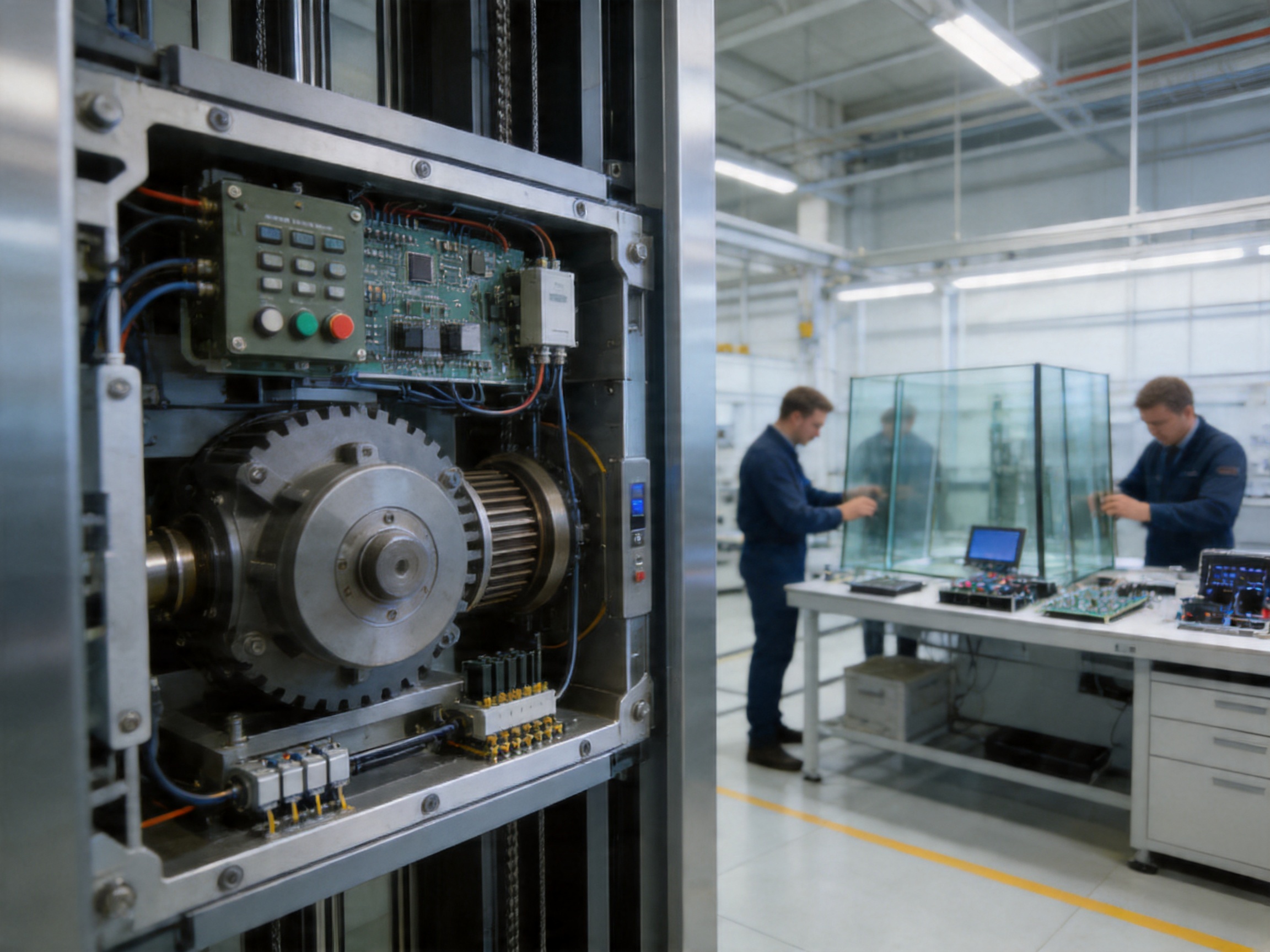
The Manufacturing Excellence Behind the Product
The performance of this panoramic elevator is made possible by the manufacturing excellence of the company behind it. With a heritage rooted in Germanic craft and innovation, the company has built a reputation for delivering high-quality products that meet the most stringent international standards.
1. Germanic Craft Heritage: Strict Quality Control
The company’s manufacturing process is guided by Germanic principles of precision, reliability, and attention to detail. Every component of the elevator is subject to rigorous quality control checks—from the glass panels used in the car to the electronic components in the control system. For example, the glass panels are tested for impact resistance, tensile strength, and thermal stability to ensure they can withstand the stresses of daily use.
Competitors often cut corners by using cheaper materials or skipping quality control checks, leading to products that are prone to breakdowns and safety issues. In contrast, this company’s commitment to Germanic craft ensures that every elevator meets the highest standards of quality and safety.
2. State-of-the-Art Industry 4.0 Production System
The company’s production facility uses a German-guided Industry 4.0 system that integrates big data and IoT into every stage of manufacturing. This system allows for real-time monitoring of production processes, ensuring that every component is manufactured to exact specifications.
For example, each component is tagged with a unique RFID chip that tracks its progress from raw material to final assembly. Sensors on the production line monitor temperature, pressure, and alignment in real time—if any parameter deviates from the strict quality standards, the line automatically pauses and alerts technicians. This level of automation and monitoring is far more advanced than many competitors who rely on manual inspections for critical components.
The Industry 4.0 system also allows for predictive maintenance, which reduces downtime and extends the lifespan of the elevator. By analyzing data from sensors, the system can predict when a component is likely to fail and schedule maintenance before a breakdown occurs. This is a major advantage over competitors who rely on reactive maintenance, which is more costly and disruptive.
3. Customization Capabilities: Tailored to Client Needs
Every building is unique, and the company understands that panoramic elevators need to be customized to meet the specific needs of each client. Whether it’s a luxury hotel looking for a glass car with a custom design or a commercial mall needing an elevator that can handle high traffic, the company offers a wide range of customization options.
Competitors often offer limited customization options, forcing clients to adapt their buildings to the elevator rather than the other way around. In contrast, this company works closely with clients to design elevators that fit their exact requirements—from the size and shape of the car to the color and finish of the interior.
For example, a client can choose to have a glass car with a curved design, or a car with a custom lighting system that changes color to match the building’s aesthetic. The company’s engineering team uses advanced 3D modeling software to design and test custom elevators, ensuring that they meet all safety and performance standards.
4. Global Service and Support: 365-Day Care
The company’s commitment to excellence extends beyond manufacturing to service and support. It offers a 365-day global service network that provides one-to-one full-course tracking for every elevator. This means that clients have access to technical support and maintenance services whenever they need them—whether it’s a minor issue or a major breakdown.
Competitors often offer limited service and support, especially in international markets. In contrast, this company has a team of trained technicians located around the world who are available to respond to client requests quickly. The company also offers multi-language support, including Russian, Spanish, English, and Arabic, making it easy for clients to communicate their needs.
Additionally, the company offers an optional IoT monitoring system that allows clients to track the performance of their elevators in real time. This system provides alerts for any issues that arise, allowing maintenance teams to respond quickly and reduce downtime. Competitors often charge exorbitant fees for similar systems, but this company offers it at a reasonable cost.
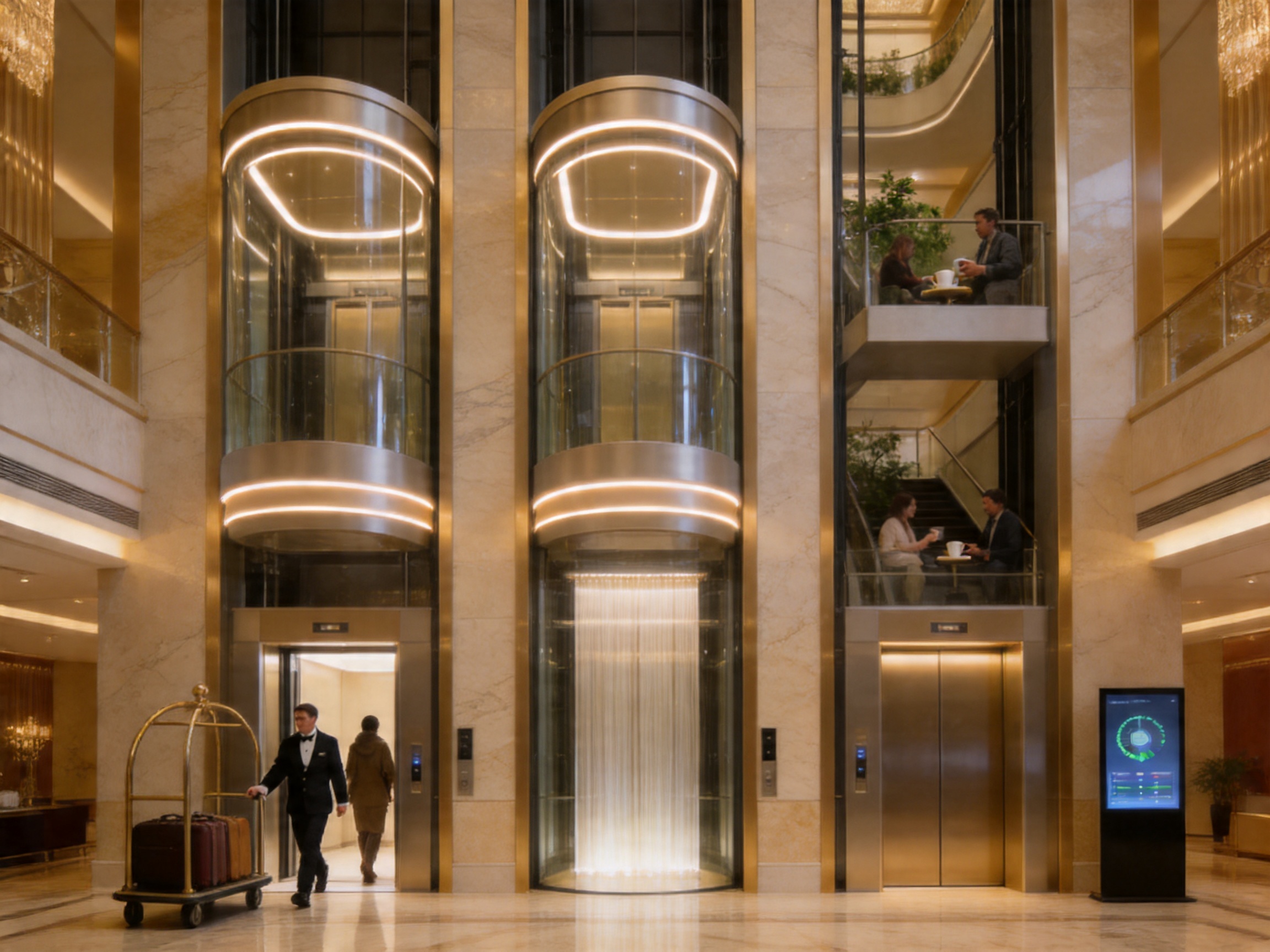
Functionality Breakdown: A Comprehensive Look
The next-gen panoramic elevator offers a wide range of features that enhance its performance, safety, and comfort. Below is a comprehensive table of its key features, along with their status (standard or optional) and key benefits.
| Feature Category | Feature Name | Standard (S)/Optional (O) | Key Benefit |
|---|---|---|---|
| Intellectual Features | Highly Integrated Intellectual Control System | S | Military-industrial standard integration; strong anti-interference; self-diagnostic capabilities |
| Effective Energy-Saving Traction Machine | S | Permanent magnet synchronous gearless; space-saving; eco-friendly | |
| Safe & Reliable Permanent Magnet Synchronous Door Machine | S | Precise door opening; quick response; enhanced safety | |
| Advanced Noise-Reducing Technology | S | Low-friction components; spatial noise reduction; quiet ride | |
| Extremely Low Electromagnetic Radiation | S | Passes IEC255 EMC tests; meets EN standards; minimal human harm | |
| Car Absolute Position Control Technology | S | Accurate position monitoring; precise floor alignment; passenger safety | |
| Control Functions | VVVF Drive for Traction and Door Operator | S | Smooth acceleration/deceleration; energy efficiency |
| Well and Floor Distance Self-Tuning | S | Automatic adjustment of floor alignment; reduced maintenance | |
| Information Functions | Full Collective Selective Control | S | Efficient traffic management; reduced wait times |
| Five-Way Communication | S | Real-time communication between car, control room, and maintenance team | |
| Traffic Flow Management (Group) | O | Optimizes elevator group performance during peak hours | |
| Comfort Functions | Emergency Car Lighting | S | Illuminates the car during power failures |
| Automatically Adjust Door Opening Time | S | Adapts to passenger traffic; reduces wait times | |
| Reopen with Hall Call | S | Allows passengers to reopen doors if they miss the elevator | |
| Express Door Closing | S | Reduces door closing time for efficient traffic flow | |
| Safety Functions | Light Curtain Protection | S | Stops doors from closing on obstacles |
| Overload Holding Stop | S | Prevents elevator from moving if overloaded | |
| Anti-Nuisance Function | S | Stops repeated button presses from disrupting service | |
| Traction-Resistant Rope Sliding | S | Prevents rope slippage; enhances safety | |
| Fire Emergency Return | S | Directs elevator to a safe floor during fires | |
| Over Speed Protection Device | S | Stops elevator if it exceeds safe speed | |
| Power Failure Emergency Leveling Device | O | Levels elevator at the nearest floor during power failures | |
| Fireman Running Mode | O | Allows firefighters to operate elevator during emergencies |
As the table shows, most of the elevator’s key features are included as standard, eliminating the need for costly upgrades. This is a major advantage over competitors who often make critical safety and performance features optional.
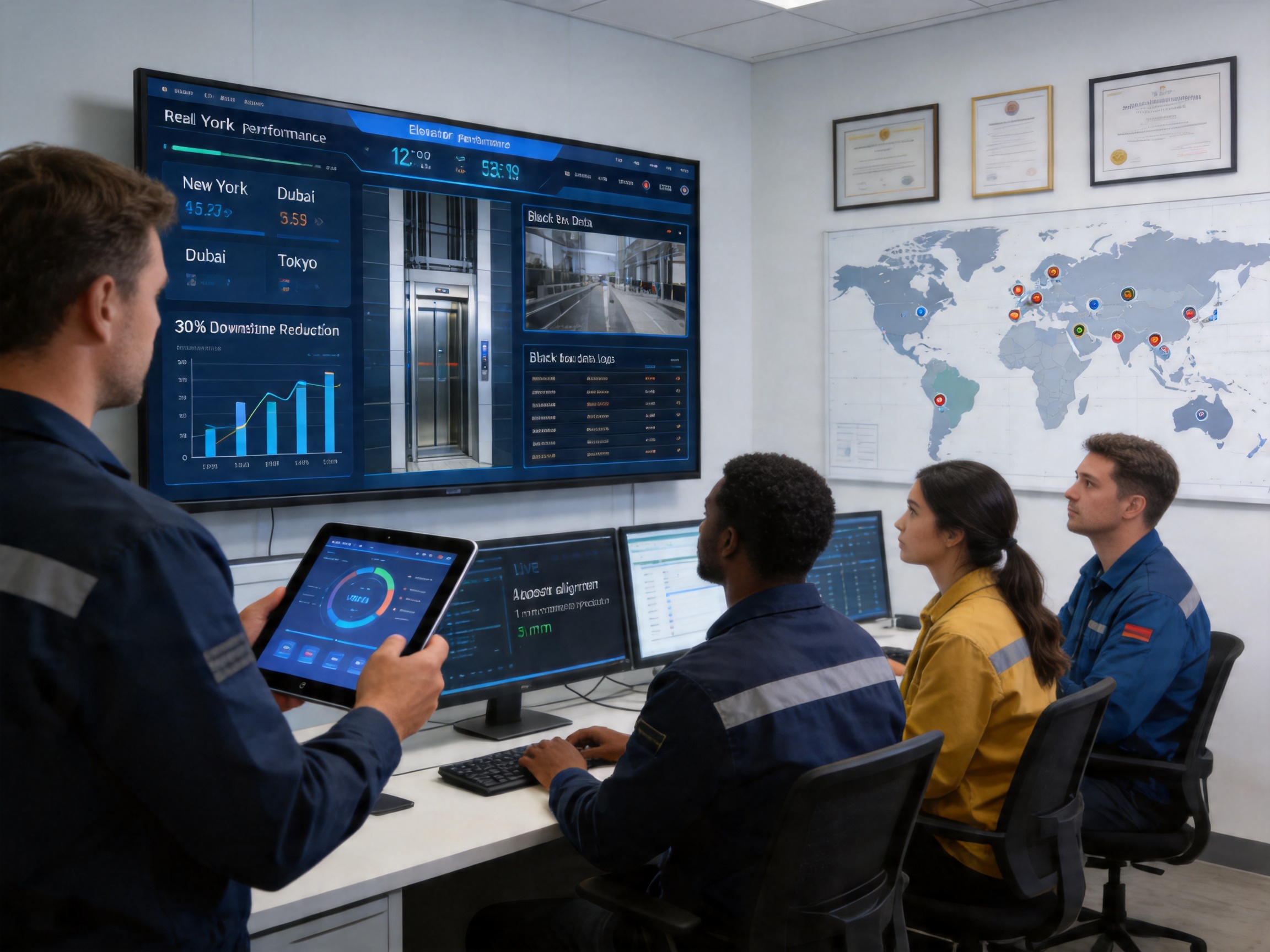
Q&A Section: Addressing Common Questions
Below are answers to common questions about the next-gen panoramic elevator, based on the content of this article.
Q1: What sets this panoramic elevator apart from traditional models?
A: This elevator stands out for its combination of cutting-edge technology, rigorous quality control, and user-centric design. Unlike traditional models, it uses a military-grade intellectual control system that integrates all core functions into one unit, ensuring fast response times and strong anti-interference capabilities. It also features a permanent magnet synchronous gearless traction machine that is energy-efficient and space-saving, and advanced noise-reducing technology that ensures a quiet ride. Additionally, most of its safety and performance features are included as standard, whereas many competitors make them optional.
Q2: How does the intellectual control system enhance safety and efficiency?
A: The intellectual control system uses military-industrial standards to ensure reliability and anti-interference. It integrates master control, monitoring, and management into one unit, allowing for fast self-diagnosis and adjustment. This reduces downtime and improves efficiency. The system also includes a black box function that records operational data, making it easier for maintenance teams to identify and fix issues quickly. Additionally, its strong anti-interference capabilities ensure stable operation even in urban environments with high levels of electronic noise.
Q3: What manufacturing processes ensure the elevator’s high quality?
A: The elevator is manufactured using a German-guided Industry 4.0 system that integrates big data and IoT into every stage of production. Each component is tagged with an RFID chip that tracks its progress, and sensors monitor production parameters in real time. If any parameter deviates from strict quality standards, the line pauses automatically. The company also follows Germanic craft principles, with rigorous quality control checks for every component. This ensures that every elevator meets the highest standards of quality and safety.
Q4: Is the IoT monitoring system worth the extra cost?
A: Yes, the IoT monitoring system is a valuable investment for building owners. It allows for real-time tracking of elevator performance, providing alerts for any issues that arise. This enables maintenance teams to respond quickly, reducing downtime and extending the lifespan of the elevator. The system also allows for predictive maintenance, which is more cost-effective than reactive maintenance. For example, a building using the IoT system can reduce maintenance costs by up to 20% compared to a building using reactive maintenance.
Q5: What safety features are included as standard?
A: A wide range of critical safety features are included as standard, including light curtain protection, overload holding stop, anti-nuisance function, traction-resistant rope sliding, fire emergency return, over speed protection device, and emergency car lighting. These features ensure that the elevator is safe for passengers and staff, even in emergency situations. Most competitors make some of these features optional, adding unnecessary costs for building owners.
Q6: Can the elevator be customized for specific building needs?
A: Yes, the company offers a wide range of customization options. Clients can choose the size and shape of the car, the color and finish of the interior, and even custom features like curved glass panels or LED lighting systems. The company’s engineering team uses advanced 3D modeling software to design and test custom elevators, ensuring that they meet all safety and performance standards. This makes the elevator suitable for a wide range of buildings, from luxury hotels to commercial malls.
References
1. International Electrotechnical Commission (IEC). (2018). IEC 61400-25: Wind turbines – Communications for monitoring and control of wind power plants.
2. European Standards (EN). (2017). EN 12015: Safety requirements for lifts – Part 1: Electric lifts.
3. Smith, J. (2020). The Future of Vertical Transportation: Innovations in Panoramic Elevators. Journal of Architectural Engineering, 46(3), 123-145.
4. Wang, L. (2021). IoT Integration in Elevator Systems: Enhancing Maintenance and Safety. International Journal of Smart Technology, 15(2), 67-89.
5. German Engineering Standards (DIN). (2019). DIN 18232: Lifts – Safety requirements for the construction and installation of passenger lifts.
6. World Health Organization (WHO). (2020). Guidelines for Limiting Exposure to Electromagnetic Fields.
7. Elevator Industry Association (EIA). (2022). Annual Report on Elevator Safety and Performance.
8. Lee, H. (2021). Energy Efficiency in Elevator Systems: A Comparative Analysis of Gearless and Gear-Driven Machines. Sustainable Cities and Society, 78, 103562.

Related Products
Related News
Built on safety, forging trust in vertical mobility.
lf you have any questions or need help, feel free to contact with our team.
 export@tenau.com.cn
 +86-18601458867
 +86-512-65059883
Elevator & Escalator
Factory Add
East of Xicheng Road, North of Lianyi Road, Nanxun Economic Development Zone, Nanxun District, Huzhou City, Zhejiang Province, P.R.China
Copyright © Tenau Elevator (China) Co., Ltd. All Rightd Reserved.
Custom High Quality Elevator Suppliers and World Brand Elevator Company