


 en
en Español
 русский
 中文简体
中文简体







How Can a Vehicle Elevator Improve Space Utilization?
As urban land becomes more valuable and buildings continue to grow vertically, efficient vehicle transportation solutions have become an essential part of modern architectural design. A vehicle elevator provides a practical method for moving cars between different building levels without relying on long vehicle ramps. By replacing conventional driving routes with vertical transportation, developers can significantly improve usable floor space while enhancing operational efficiency.
Whether installed in commercial buildings, residential developments, automotive showrooms, logistics facilities, or automated parking structures, a well-designed automobile elevator helps optimize building layouts and supports flexible architectural planning.
Why Is Space Utilization Becoming More Important?
Modern construction projects often face several challenges:
- Limited land availability
- Higher construction costs
- Demand for larger parking capacity
- Complex architectural layouts
- Sustainable building objectives
Traditional vehicle ramps consume considerable floor area and often restrict interior design flexibility. In comparison, a parking elevator allows vehicles to travel vertically inside a compact shaft, releasing valuable floor space for parking bays, commercial operations, or residential amenities.
Instead of dedicating large portions of a building to circulation roads, architects can design more efficient floor plans while maintaining convenient vehicle access.
How Does a Vehicle Elevator Work?
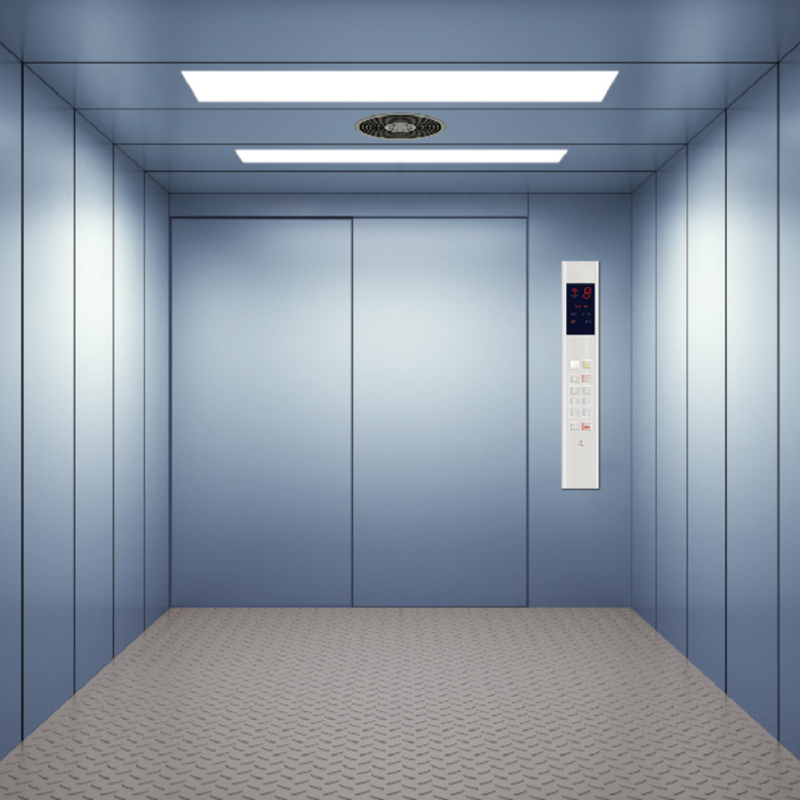
A vehicle elevator is specifically engineered to transport vehicles safely between different floors. Unlike passenger elevators, these systems feature reinforced platforms, larger cabin dimensions, heavy-duty guide rails, and control systems designed for vehicle loads.
The operating process is straightforward:
- The vehicle enters the elevator cabin.
- Positioning guidance ensures correct parking.
- Safety devices verify that loading conditions are satisfied.
- The elevator travels to the designated floor.
- The doors open, allowing the vehicle to exit.
Advanced control systems provide smooth acceleration, precise leveling, and stable operation throughout the travel cycle.
How Does a Vehicle Elevator Improve Space Utilization?
Eliminates Large Vehicle Ramps
One of the greatest advantages of installing a vehicle elevator is the elimination of lengthy access ramps.
Traditional ramps require:
- Wide turning radii
- Multiple traffic lanes
- Significant structural volume
- Additional lighting and ventilation
By replacing ramps with vertical transportation, architects gain more usable floor area that can be converted into parking spaces or functional building areas.
| Comparison | Traditional Ramp | Vehicle Elevator |
|---|---|---|
| Floor space required | High | Low |
| Building flexibility | Limited | Excellent |
| Parking capacity | Lower | Higher |
| Traffic organization | Complex | Simplified |
| Architectural freedom | Moderate | High |
Increases Parking Capacity
Every square meter saved can contribute to additional parking spaces.
A properly planned parking elevator enables designers to:
- Increase vehicle storage density
- Improve parking layout efficiency
- Optimize underground garages
- Utilize irregular building footprints
This is particularly valuable in city centers where land costs continue to rise.
Supports Multi-Level Building Design
Vehicle elevators enable architects to design vertically rather than horizontally.
Applications include:
- Underground parking garages
- Rooftop parking
- Multi-story parking structures
- Commercial complexes
- Industrial facilities
Instead of expanding the building footprint, developers can fully utilize vertical space.
Improves Traffic Flow
Vehicle circulation inside buildings becomes much simpler when ramps are removed.
Benefits include:
- Reduced congestion
- Shorter driving distances
- Easier vehicle navigation
- More organized parking management
Drivers spend less time maneuvering through narrow ramps and complex circulation routes.
Common Applications of Vehicle Elevators
Vehicle elevators are suitable for numerous industries because they combine transportation efficiency with flexible building design.
| Application | Primary Purpose |
|---|---|
| Residential buildings | Private vehicle transportation |
| Office buildings | Staff and visitor parking access |
| Hotels | Underground parking connection |
| Shopping centers | Multi-level parking |
| Car dealerships | Vehicle display and transport |
| Service centers | Vehicle maintenance access |
| Industrial buildings | Equipment and utility vehicle movement |
In luxury housing developments, a residential car elevator offers direct vehicle access to private garages or basement parking while reducing the need for extensive driveway systems.
Similarly, a garage car lift provides homeowners with an efficient solution where available land is limited or garage layouts require vertical vehicle movement.
What Features Contribute to Efficient Space Planning?
An efficient vehicle elevator combines mechanical reliability with intelligent engineering.
Compact Structural Design
Modern elevator systems are designed to minimize shaft dimensions while maintaining sufficient cabin space.
Advantages include:
- Reduced construction requirements
- Easier architectural integration
- Flexible installation locations
- Better utilization of structural space
High Load Capacity
Vehicle elevators are built to accommodate various vehicle types, including:
- Passenger cars
- SUVs
- Electric vehicles
- Commercial vans
- Light industrial vehicles
The structural platform, guide rails, and drive system are engineered for long-term heavy-duty operation.
Precise Leveling
Accurate floor leveling improves both safety and user experience.
Benefits include:
- Smooth vehicle entry
- Stable unloading
- Reduced tire wear
- Improved accessibility
Intelligent Control Systems
Modern car elevators increasingly incorporate intelligent technologies for improved operation.
Typical functions include:
- Automatic dispatch
- Touchscreen controls
- Remote monitoring
- Fault diagnosis
- Energy management
- Access authorization
These features improve operational efficiency while simplifying maintenance.
Material Selection and Structural Components
Reliable operation depends on durable construction materials.
| Component | Common Material | Function |
|---|---|---|
| Cabin frame | High-strength structural steel | Load support |
| Platform | Reinforced steel plate | Vehicle carrying surface |
| Guide rails | Precision alloy steel | Stable vertical movement |
| Doors | Stainless steel | Corrosion resistance |
| Control cabinet | Industrial electrical components | System management |
High-quality materials help ensure structural stability, wear resistance, and long service life.
Safety Features That Protect Vehicles and Users
Safety remains the highest priority in every vehicle elevator installation.
Modern systems commonly include:
- Overload protection
- Door interlock systems
- Emergency braking devices
- Speed monitoring
- Automatic leveling
- Emergency communication
- Backup power options
- Multiple limit switches
- Intelligent fault detection
These integrated systems work together to provide safe and reliable vehicle transportation.
Energy Efficiency and Sustainable Building Design
Energy-efficient elevator technologies contribute to sustainable construction goals.
Modern vehicle elevators may incorporate:
- Variable frequency drives
- Intelligent standby operation
- LED cabin lighting
- Efficient drive systems
- Optimized control algorithms
These technologies reduce unnecessary energy consumption while maintaining smooth performance.
Installation Considerations
Successful installation begins during the early building design phase.
Important considerations include:
- Shaft dimensions
- Vehicle size requirements
- Load capacity
- Entrance configuration
- Building traffic patterns
- Structural support
- Electrical infrastructure
- Maintenance accessibility
Proper planning ensures the elevator integrates seamlessly with the overall architectural design.
Why Choose Tenau?
Selecting an experienced manufacturer is essential for achieving long-term reliability, safety, and operational efficiency.
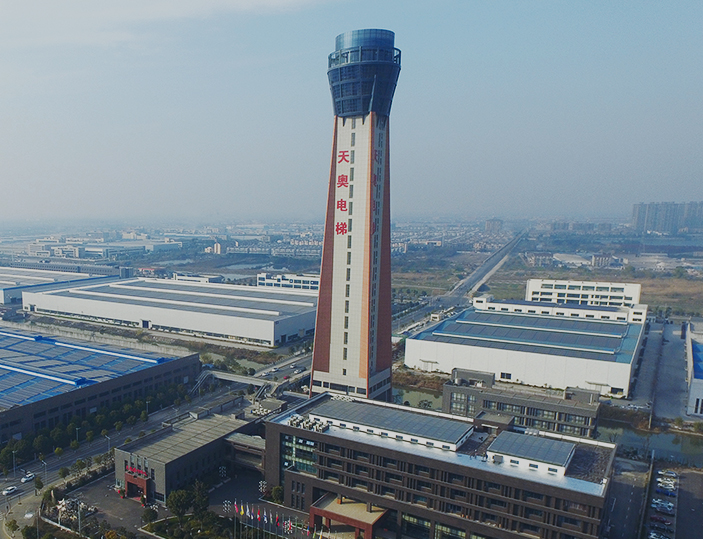
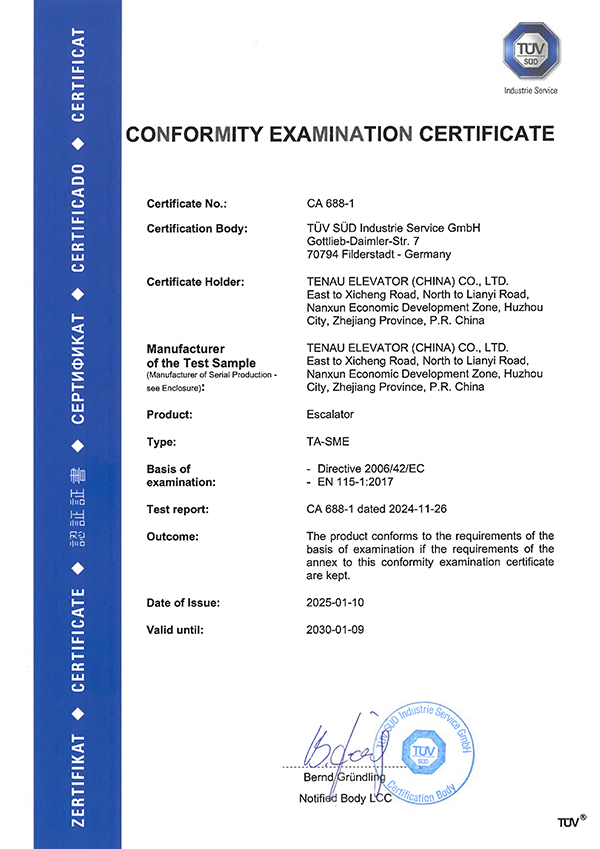
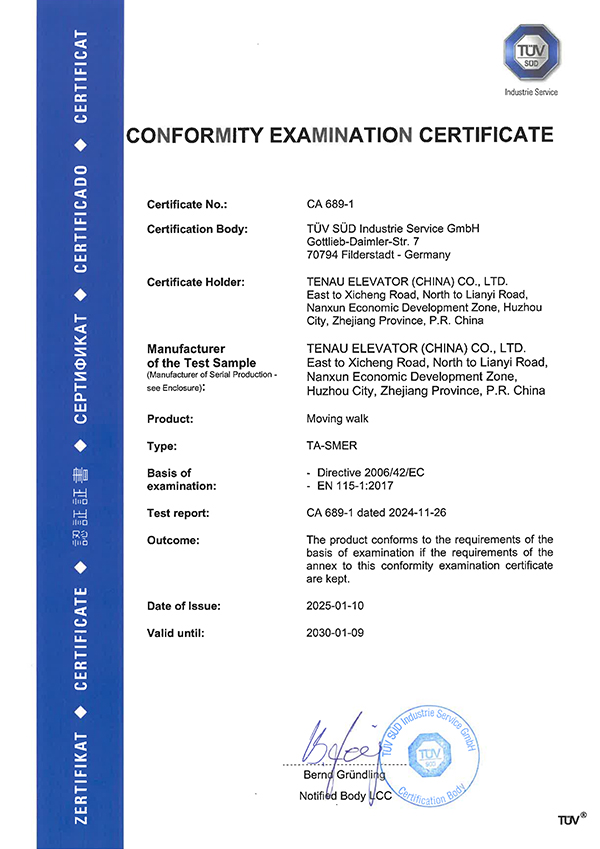
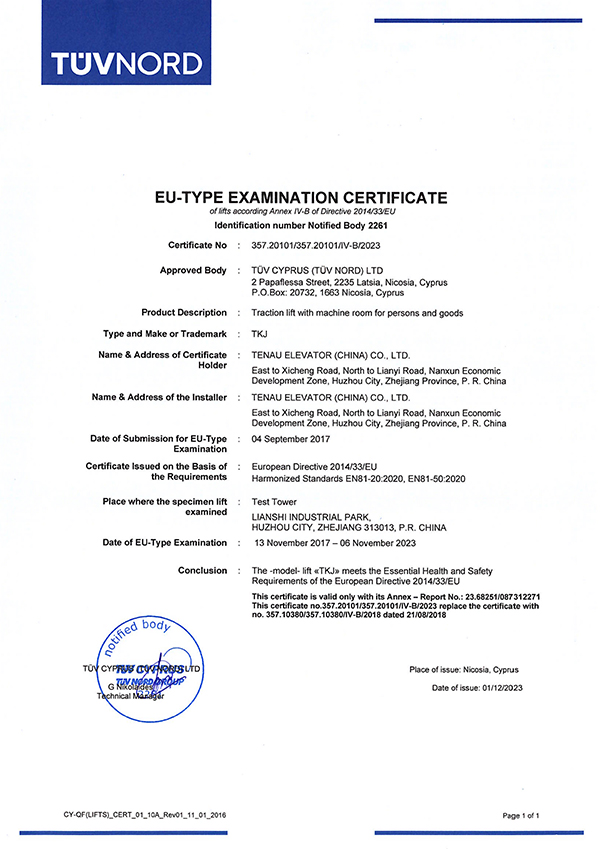
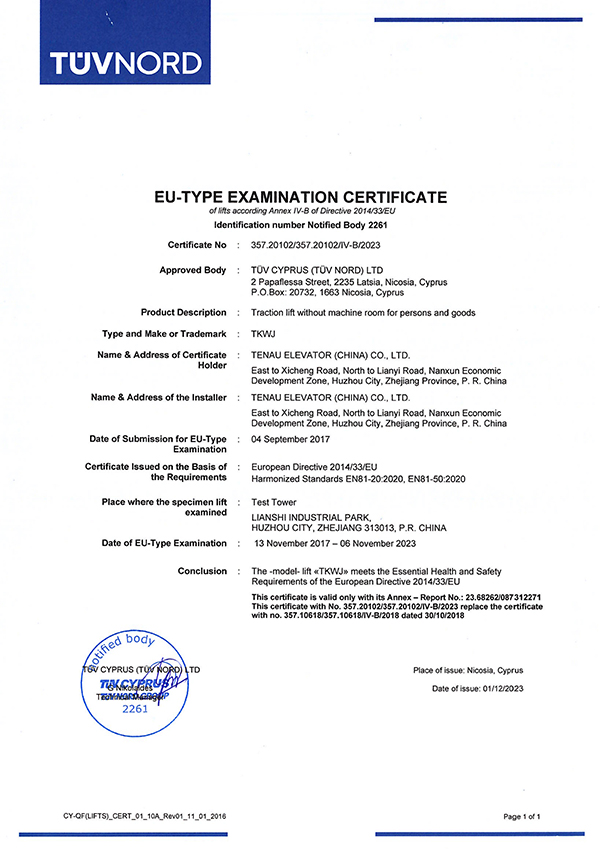
Tenau Elevator (China) Co., Ltd. is a professional comprehensive elevator manufacturer integrating design, research and development, manufacturing, marketing, installation, and after-sales service. With safety and environmental protection as its core mission, the company is committed to building a more intelligent elevator ecosystem for customers worldwide.
Tenau offers three major product series covering passenger elevators, freight elevators, escalators, moving walks, and multiple specialized elevator solutions. Its products support diversified requirements ranging from low-speed systems to high-speed and ultra-high-speed elevators.
The company has established a German Industry 4.0 intelligent manufacturing system designed by a professional German team. Automated production lines integrated with big data and IoT technologies enable intelligent manufacturing and full-process monitoring.
To ensure product reliability, Tenau has implemented a fully closed-loop quality inspection system while strictly complying with the ISO9001 Quality Management System, ISO14001 Environmental Management System, and OHSMS18001 Occupational Health and Safety Management System.
Supported by an investment exceeding one billion US dollars, a manufacturing base covering 50,000 square meters, more than 1,000 professional employees, and over 200 intellectual property rights, Tenau’s elevator products have been supplied to customers in more than 70 countries and regions.
Conclusion
A vehicle elevator has become an increasingly valuable solution for maximizing space utilization in modern buildings. By eliminating conventional ramps, increasing parking capacity, improving traffic organization, and enabling more flexible architectural layouts, these systems help developers make better use of every available square meter.
Whether applied as an automobile elevator in commercial developments, a parking elevator in multi-level garages, a residential car elevator for private homes, or a garage car lift for compact properties, modern vehicle transportation systems deliver practical advantages in efficiency, safety, and long-term building value.
FAQ
1. What is the main purpose of a vehicle elevator?
A vehicle elevator transports automobiles vertically between different floors, reducing the need for ramps and improving space utilization within buildings.
2. Where are automobile elevators commonly installed?
They are widely used in residential buildings, commercial complexes, parking garages, hotels, automotive service centers, industrial facilities, and car dealerships.
3. Can a parking elevator handle different types of vehicles?
Yes. Depending on its design and rated capacity, a parking elevator can accommodate passenger cars, SUVs, electric vehicles, vans, and other light commercial vehicles.
4. Is a residential car elevator safe for everyday use?
Yes. Modern residential car elevators are equipped with multiple safety systems, including overload protection, door interlocks, emergency braking, precise leveling, and intelligent monitoring.
5. What factors should be considered when selecting a vehicle elevator?
Important considerations include load capacity, cabin dimensions, installation space, control technology, safety features, energy efficiency, maintenance requirements, and the manufacturer’s engineering and after-sales support.
 export@tenau.com.cn
 +86-18601458867
 +86-512-65059883