


 en
en Español
 русский
 中文简体
中文简体



What Are the Main Benefits of Installing an Indoor Escalator?
Understanding the Role of an Indoor Escalator
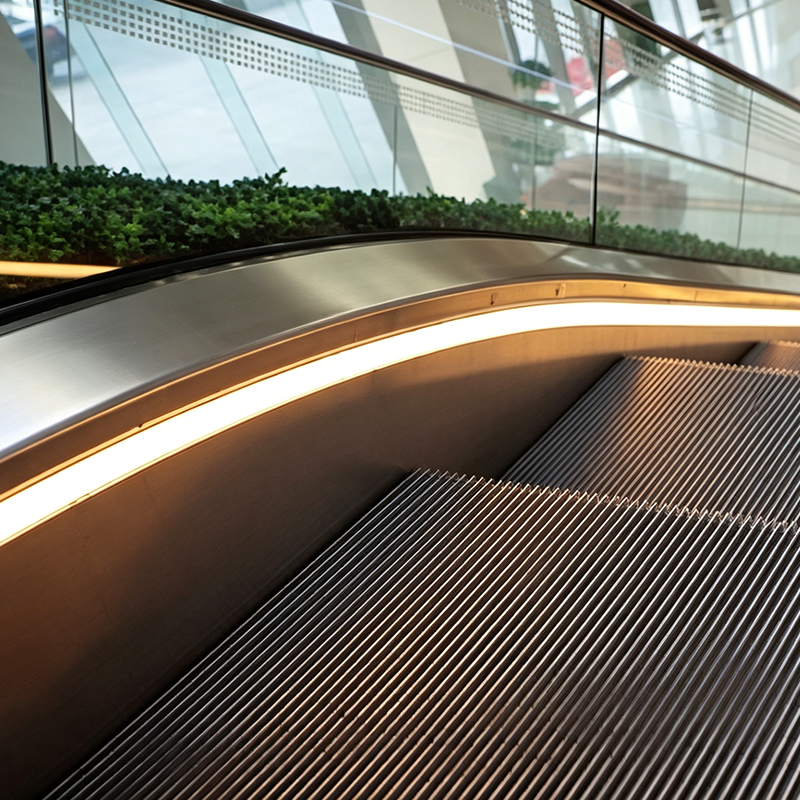
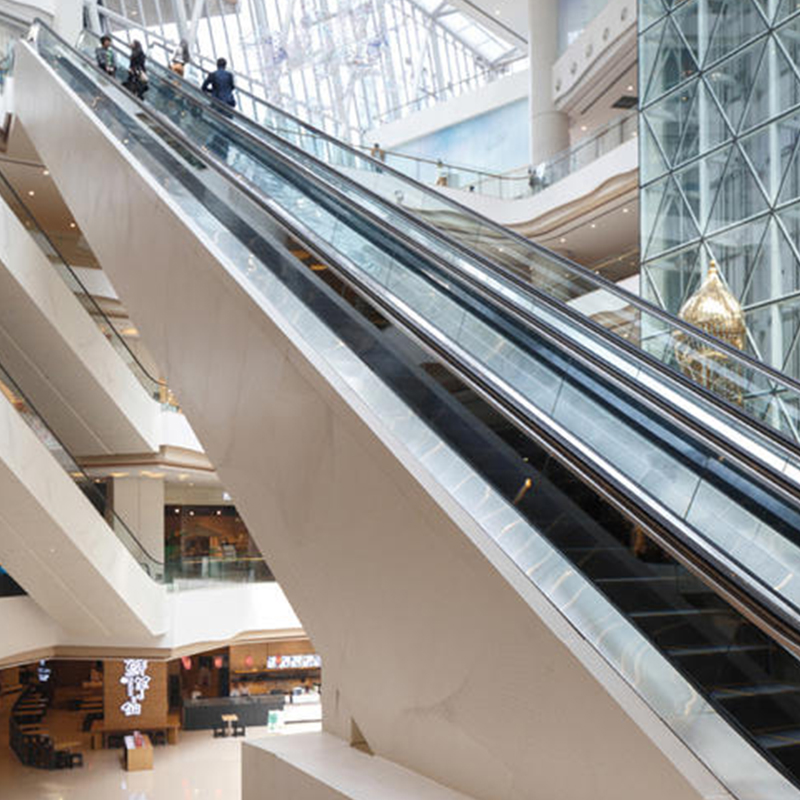
An indoor escalator is a continuously moving staircase designed to transport people safely between different floors within enclosed buildings. Unlike elevators, which transport passengers in batches, escalators provide uninterrupted traffic flow, making them particularly suitable for locations with high pedestrian volume.
Today, indoor escalators are widely used in:
- Shopping malls
- Airports
- Railway and metro stations
- Office buildings
- Hotels
- Hospitals
- Exhibition centers
- Educational facilities
- Large residential properties featuring an indoor home escalator
- Mixed-use developments requiring a commercial residential escalator
As modern architecture becomes increasingly focused on accessibility and operational efficiency, indoor escalators continue to play a significant role in building design.
Main Benefits of Installing an Indoor Escalator
1. Continuous Passenger Flow
One of the greatest advantages of an indoor escalator is its ability to move people continuously without waiting time.
Unlike elevators that require passengers to wait for the cabin, escalators allow users to step on immediately, reducing congestion during peak hours. This makes them especially valuable in buildings experiencing constant pedestrian traffic.
Benefits include:
- Reduced waiting time
- Improved circulation between floors
- Faster movement during busy periods
- Better crowd management
This continuous operation contributes to a smoother and more organized visitor experience.
2. Improved Accessibility
Although elevators remain essential for wheelchair users and freight transportation, escalators significantly improve accessibility for the majority of pedestrians.
An indoor escalator offers convenient transportation for:
- Families with children
- Elderly users
- Visitors carrying shopping bags
- Hotel guests with light luggage
- Employees moving between office floors
For luxury homes with multiple levels, an indoor home escalator can also provide enhanced convenience while complementing modern interior architecture.
3. Enhanced Commercial Value
Commercial buildings benefit considerably from well-designed escalator systems.
Escalators naturally guide pedestrian traffic through different retail levels, increasing exposure to stores and encouraging customer movement throughout the building.
Advantages include:
- Better customer circulation
- Increased visibility for retail spaces
- Improved shopping experience
- More efficient space utilization
- Enhanced property attractiveness
A properly planned commercial residential escalator also supports mixed-use developments where commercial and residential functions coexist.
4. Efficient Space Planning
Compared with installing multiple elevators to handle similar passenger volumes, escalators can provide efficient people movement with predictable traffic patterns.
Architects often integrate indoor escalators into open atriums because they:
- Create visual connections between floors
- Improve building navigation
- Support intuitive circulation
- Maximize usable public areas
Their architectural presence often becomes an attractive feature of modern commercial interiors.
5. Reliable Long-Term Operation
Modern indoor escalators are designed for continuous daily operation.
With proper installation and scheduled maintenance, they deliver:
- Stable performance
- High operational reliability
- Reduced downtime
- Long service life
Advanced drive systems and intelligent monitoring technologies further improve equipment efficiency while reducing maintenance requirements.
Functional Features of Indoor Escalators
| Feature | Primary Function | Typical Application |
|---|---|---|
| Continuous Step System | Non-stop passenger transportation | Shopping malls, airports |
| Automatic Speed Control | Energy-saving operation | Commercial buildings |
| Safety Sensors | Passenger protection | Public facilities |
| Anti-slip Steps | Improved walking stability | High-traffic areas |
| LED Lighting | Enhanced visibility | Hotels, retail centers |
| Intelligent Monitoring | Real-time operational diagnostics | Smart buildings |
These features allow indoor escalators to meet the demands of modern buildings while improving operational efficiency.
Common Materials Used in Indoor Escalator Manufacturing
Material selection directly affects durability, appearance, and maintenance performance.
| Component | Common Material | Benefits |
|---|---|---|
| Steps | Aluminum Alloy | Lightweight, corrosion resistant, durable |
| Handrails | Reinforced Rubber Composite | Comfortable grip, wear resistance |
| Balustrades | Tempered Glass | Modern appearance, visibility |
| Frame | Structural Steel | High strength and stability |
| Guide Rails | Alloy Steel | Smooth and reliable operation |
| Decorative Panels | Stainless Steel | Easy cleaning and corrosion resistance |
Selecting high-quality materials contributes to long-term reliability and lower maintenance costs.
Energy Efficiency and Intelligent Operation
Modern indoor escalator systems increasingly incorporate intelligent control technologies that improve operational efficiency.
Common energy-saving features include:
- Automatic start and stop functions
- Variable-speed drive systems
- Passenger detection sensors
- LED illumination
- Efficient motor technologies
These intelligent functions reduce unnecessary energy consumption during periods of low passenger traffic while maintaining immediate availability when users approach.
Safety Features That Improve Passenger Confidence
Safety remains one of the most important considerations when installing an indoor escalator.
Modern systems integrate multiple protective mechanisms throughout daily operation.
Typical safety features include:
- Emergency stop buttons
- Handrail speed monitoring
- Step chain monitoring
- Missing step detection
- Skirt obstruction protection
- Comb plate impact detection
- Anti-reverse movement protection
- Motor overload protection
Together, these systems help maintain safe and reliable passenger transportation under various operating conditions.
Applications Across Different Building Types
Indoor escalators serve a wide variety of building environments.
Commercial Buildings
Shopping malls, department stores, supermarkets, and exhibition centers depend on indoor escalators to efficiently distribute visitor traffic across multiple floors while enhancing the customer experience.
Transportation Facilities
Airports, railway stations, and metro stations require continuous passenger movement. Indoor escalators help reduce congestion and improve overall transportation efficiency.
Hotels and Hospitality
Large hotels often install escalators between lobbies, conference areas, restaurants, and entertainment facilities to improve guest convenience and circulation.
Mixed-Use Developments
A commercial residential escalator supports buildings combining retail, office, and residential functions, allowing smooth movement between public and private spaces.
Residential Projects
Although elevators remain more common in homes, some luxury villas and multi-level residences incorporate an indoor home escalator to provide unique architectural appeal and convenient daily access.
Selecting the Right Indoor Escalator
Choosing an appropriate indoor escalator involves evaluating several project-specific factors.
Key considerations include:
- Expected passenger volume
- Installation space
- Building layout
- Floor height
- Energy efficiency requirements
- Interior design style
- Safety standards
- Maintenance accessibility
- Future operating costs
Early collaboration between architects, engineers, and manufacturers helps ensure the selected escalator aligns with both functional requirements and long-term operational goals.
Professional Manufacturing and Complete Service Support
As building technologies continue to evolve, manufacturers play an increasingly important role in delivering reliable vertical transportation solutions.
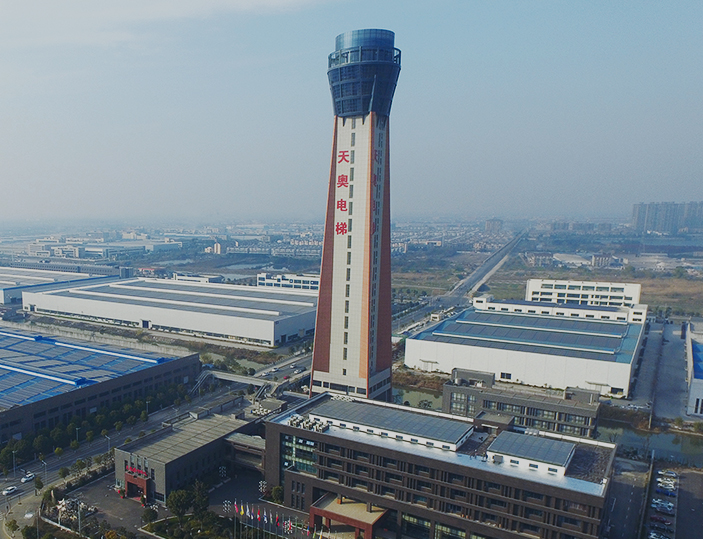
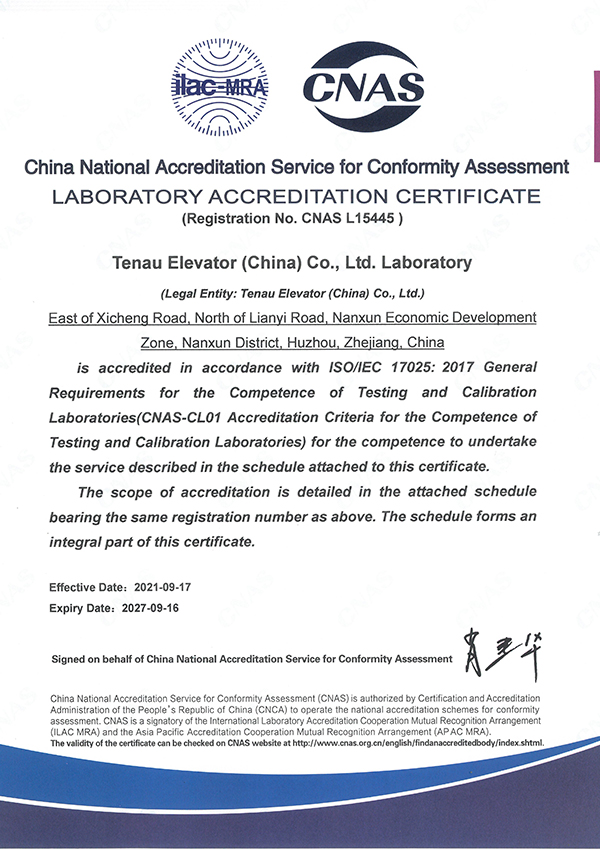
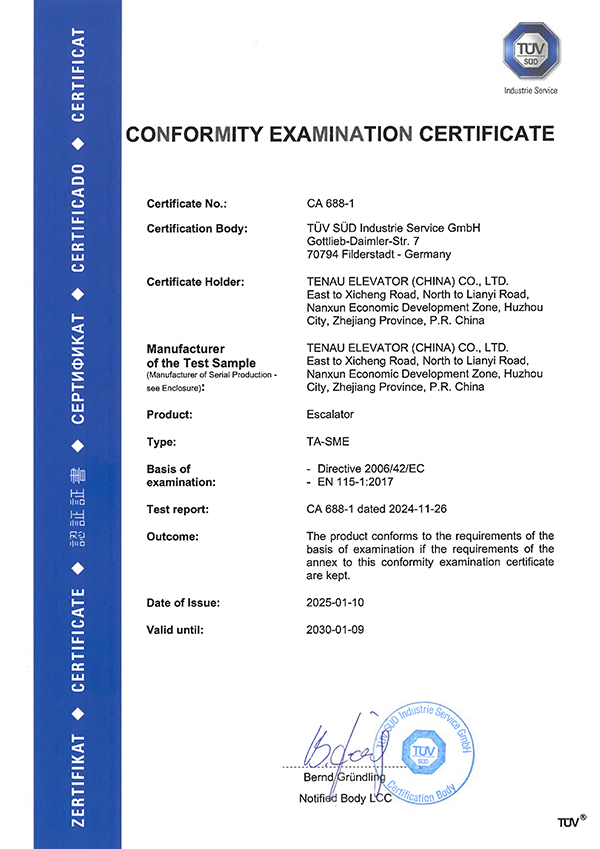
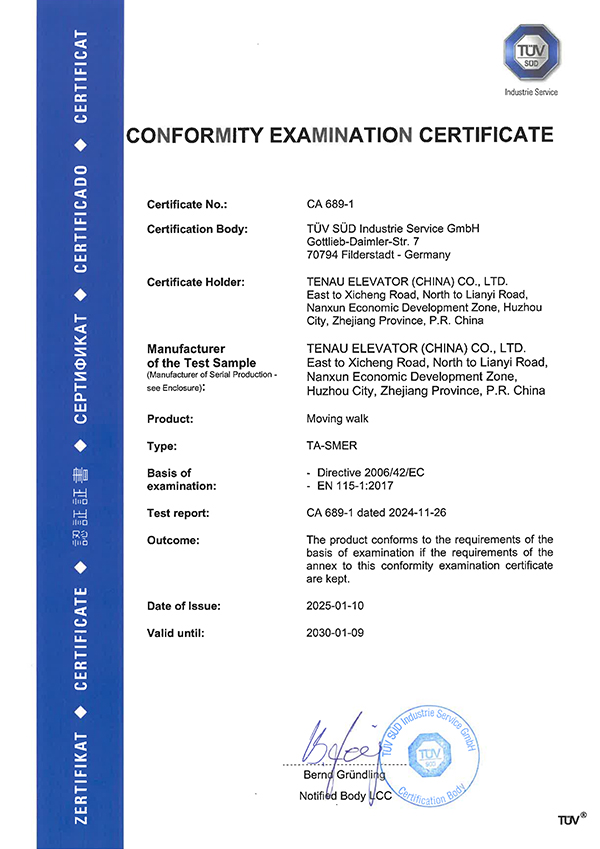
Tenau Elevator (China) Co., Ltd. is a professional comprehensive elevator manufacturer integrating design, research and development, manufacturing, marketing, installation, and after-sales service. The company is committed to safety, environmental protection, and building a more intelligent elevator ecosystem for customers worldwide.
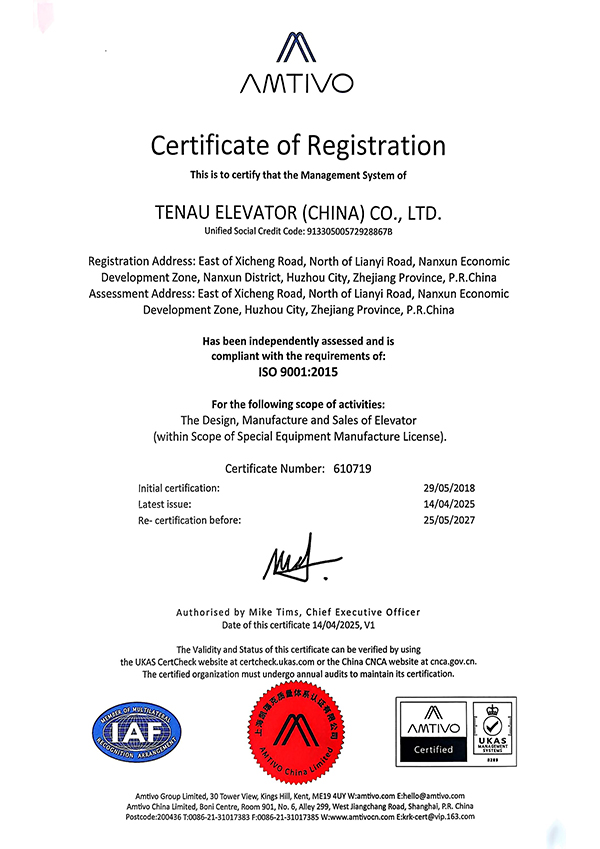
Tenau offers three major product series covering passenger elevators, freight elevators, escalators, and moving walks, with diversified capabilities in low-speed, medium-speed, high-speed, and ultra-high-speed elevator technologies. By introducing internationally advanced technologies and rigorous management systems, the company strictly follows the ISO9001 Quality Management System, ISO14001 Environmental Management System, and OHSMS18001 Occupational Health and Safety Management System, ensuring consistent product quality and operational reliability.
With a complete industrial chain service model, Tenau Elevator, Tenau Elevator (China) Co., Ltd., and the Tenau brand provide comprehensive support from project consultation and customized design to installation and long-term maintenance, helping customers achieve efficient, safe, and sustainable vertical transportation solutions.
Conclusion
Installing an indoor escalator offers numerous advantages beyond simple vertical transportation. Continuous passenger flow, improved accessibility, efficient building circulation, long-term operational reliability, and intelligent energy-saving technologies make escalators an essential component of many modern commercial and residential developments. Whether considering an indoor home escalator for a private property or a commercial residential escalator for a mixed-use building, selecting high-quality equipment and working with an experienced manufacturer can significantly improve both user experience and long-term building value.
FAQ
1. What is the primary advantage of an indoor escalator?
The main advantage is continuous passenger movement, allowing people to travel between floors without waiting, which improves traffic flow and reduces congestion.
2. Where are indoor escalators commonly installed?
They are widely used in shopping malls, airports, hotels, office buildings, hospitals, transportation hubs, exhibition centers, and some large residential properties.
3. Can an indoor home escalator be installed in a private residence?
Yes. Large multi-level homes and luxury residences may install an indoor home escalator to enhance convenience, accessibility, and architectural aesthetics.
4. What safety features do modern indoor escalators include?
Modern systems commonly feature emergency stop buttons, step monitoring, handrail speed monitoring, obstruction detection, anti-reverse protection, and intelligent diagnostic systems.
5. How do commercial residential escalators improve building performance?
A commercial residential escalator improves pedestrian circulation, supports efficient traffic management, enhances user convenience, and contributes to a more functional and attractive mixed-use development.
 export@tenau.com.cn
 +86-18601458867
 +86-512-65059883