

 en
en Español
 русский
 中文简体
中文简体
Custom Elevator Decoration for Distinctive Vertical Spaces
Content
- 1 The Role of Custom Decoration in Elevator Experience
- 2 Product Overview: Custom Elevator Decoration
- 3 Key Advantages Over Conventional Elevator Decoration
- 4 Design Elements Available in Custom Elevator Decoration
- 5 Application Scenarios
- 6 Comparison of Custom Decoration Options
- 7 Advanced Manufacturing Strength Behind the Product
- 8 Quality Control from Design to Delivery
- 9 Material Strategy: Balancing Beauty and Practicality
- 10 Comfort, Safety, and Human-Centered Design
- 11 Why Manufacturing Background Matters More Than Surface Appearance
- 12 Competitive Advantages for Developers, Contractors, and Owners
- 13 Customization Process
- 14 Maintenance Considerations
- 15 Sustainability and Environmental Value
- 16 International Project Suitability
- 17 Q&A: Common Questions About Custom Elevator Decoration
- 17.1 Q1: What is Custom Elevator Decoration?
- 17.2 Q2: Which elevator types can use this product?
- 17.3 Q3: How is custom decoration different from standard cabin decoration?
- 17.4 Q4: Why is it important to choose an elevator manufacturer for cabin decoration?
- 17.5 Q5: Can the decoration be designed for hospitals?
- 17.6 Q6: Is Custom Elevator Decoration suitable for luxury hotels and villas?
- 17.7 Q7: How does the product perform in high-traffic buildings?
- 17.8 Q8: What manufacturing strengths support product quality?
- 17.9 Q9: Can the decoration match a building’s brand identity?
- 17.10 Q10: How should a custom elevator interior be maintained?
- 18 Conclusion
- 19 References
- 20 Product: Custom Decoration
Modern buildings are judged not only by their structural performance but also by the experience they create for people moving through them. Among all interior spaces in a building, the elevator cabin is one of the most frequently used, most visible, and most emotionally influential. A well-decorated elevator can communicate quality, safety, comfort, and identity in just a few seconds. Custom Elevator Decoration is designed for this purpose: to transform a standard elevator cabin into a refined, practical, durable, and brand-aligned interior environment.
Custom Decoration from Tenau Elevator (China) Co., Ltd. is developed for passenger elevators, panoramic and observation elevators, hospital elevators, home villa elevators, cargo elevators, car elevators, high-speed elevators, and other vertical transportation solutions. It is not simply an aesthetic upgrade; it is an integrated design and manufacturing solution that considers materials, lighting, cabin layout, traffic conditions, durability, hygiene, safety compliance, and long-term maintenance. The result is an elevator interior that looks impressive while continuing to perform reliably under daily use.
As buildings become more diverse, the demand for customized elevator interiors continues to grow. Hotels want an atmosphere of luxury. Office towers need professional and durable finishes. Hospitals require hygienic, calm, and easy-to-clean cabins. Residential projects need comfort and harmony with the building style. Villas and private homes often require personal artistic details. Commercial complexes want strong visual impact. Custom Elevator Decoration responds to these expectations with flexible design choices and disciplined manufacturing processes.
Tenau Elevator (China) Co., Ltd. originates from Germany and operates as a professional comprehensive elevator manufacturer integrating design, research and development, manufacturing, marketing, installation, and after-sales service. The company is located in Nanxun, Zhejiang Province, at the core of the Shanghai-Nanjing-Suzhou-Hangzhou economic circle. Its manufacturing capabilities cover low-speed, medium-speed, high-speed, and ultra-high-speed elevators, as well as passenger elevators, freight elevators, escalators, moving walks, and related solutions. This broad technical background gives its Custom Decoration product a strong foundation: every cabin interior is designed with full awareness of elevator structure, operation, safety, and user experience.
The Role of Custom Decoration in Elevator Experience
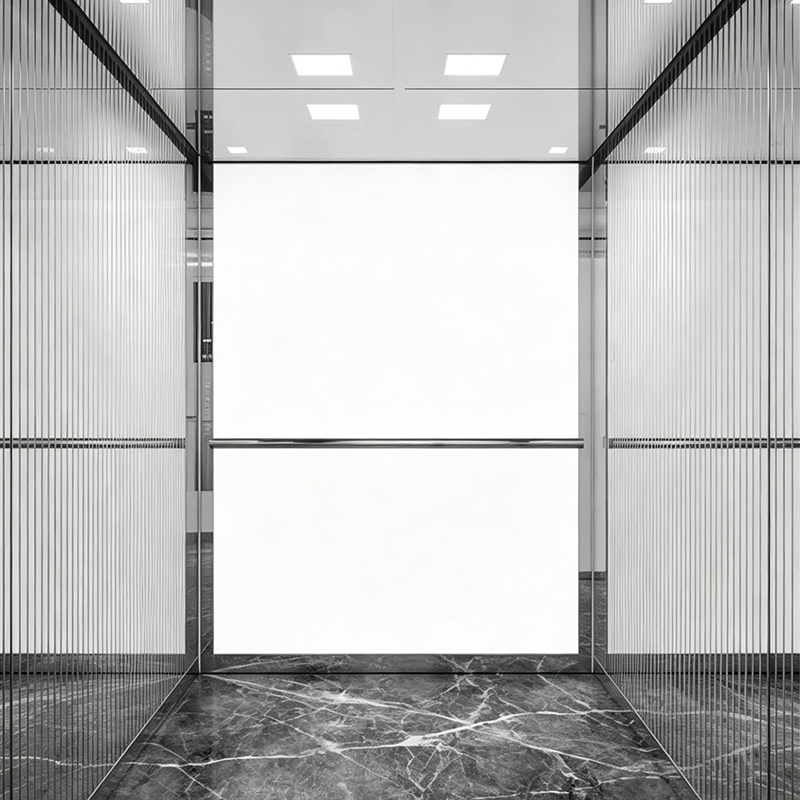
An elevator cabin is a compact environment, but its influence is significant. Users may spend only a short time inside, yet the cabin often shapes their first impression of a building’s quality. A worn, noisy, poorly lit, or visually outdated cabin can weaken the image of even a well-designed building. By contrast, a carefully decorated elevator suggests that the property owner values safety, comfort, and detail.
Custom Elevator Decoration addresses this important psychological and practical function. It allows the elevator cabin to match the architecture, interior design, and usage scenario of the building. For a luxury hotel, the cabin can include warm lighting, decorative stainless steel, mirror finishes, and elegant ceiling patterns. For a hospital, it can use anti-fingerprint surfaces, gentle lighting, wider handrails, and clean panel joints. For a corporate tower, it can feature brushed stainless steel, durable flooring, clear control panel integration, and a professional color palette. For a home villa elevator, it can incorporate wood-grain finishes, soft tones, artistic ceiling details, and personalized decorative elements.
Unlike generic cabin interiors, a customized decoration solution is not limited to a fixed style. It gives architects, developers, contractors, and property owners the ability to select materials, finishes, lighting forms, floor patterns, ceiling structures, handrail styles, and wall panel combinations according to project requirements. This flexibility is one of its major advantages over ordinary elevator decoration products available in the market.
However, decoration must never compromise elevator performance. In a moving vertical transportation system, every decorative component must be stable, safe, and suitable for repeated vibration, acceleration, deceleration, and passenger contact. Custom Decoration therefore requires more than design creativity. It requires engineering knowledge, manufacturing precision, and strict quality control. This is where the strength of a full elevator manufacturer becomes particularly valuable.
Product Overview: Custom Elevator Decoration
Custom Elevator Decoration is a tailored cabin interior solution that can include wall panels, ceilings, lighting, floors, handrails, mirrors, door finishes, skirting, decorative strips, control panel integration, and special surface treatments. It is suitable for both new elevator projects and modernization projects where an existing elevator cabin needs an upgraded appearance and improved user experience.
The product is developed for a wide range of building types, including commercial buildings, hotels, residential communities, hospitals, public facilities, villas, shopping centers, industrial buildings, transport hubs, and mixed-use complexes. Because Tenau produces multiple elevator categories, the decoration solution can be adapted to different load capacities, cabin dimensions, usage frequencies, and design requirements.
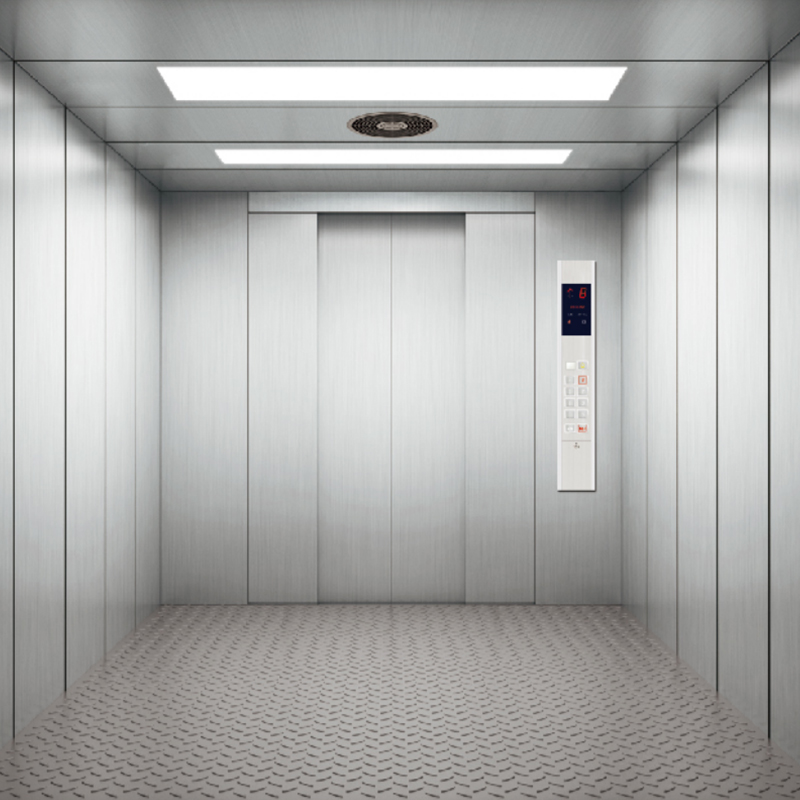
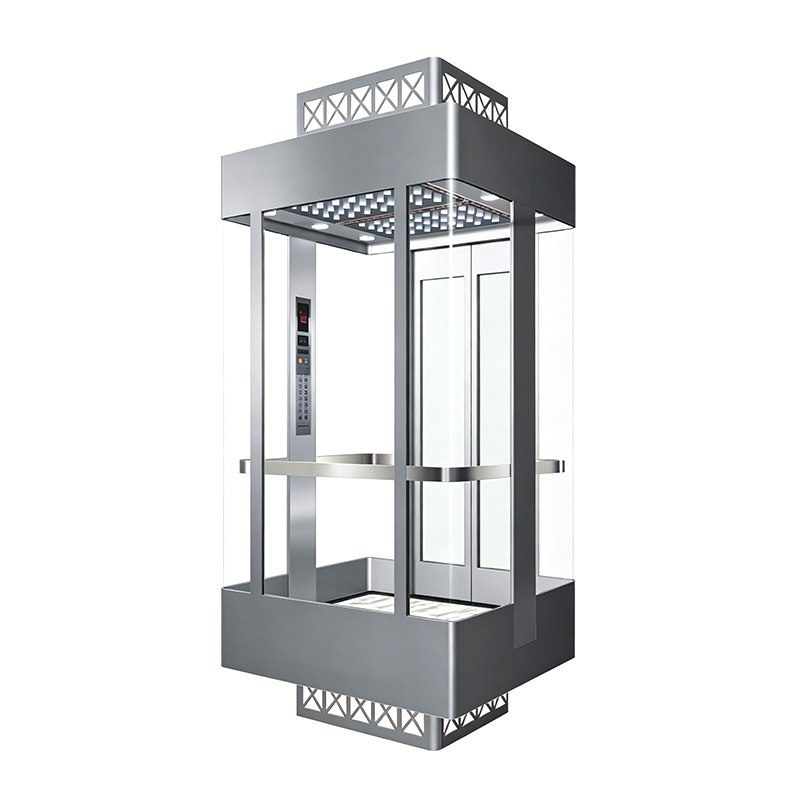
For passenger elevators, Custom Decoration emphasizes comfort, elegance, and visual consistency with the building environment. For panoramic and observation elevators, it supports transparent design elements and refined interior finishes that enhance the viewing experience. For hospital elevators, the product focuses on hygiene, durability, smooth edges, and practical handrail arrangements. For home villa elevators, it highlights personalization and interior harmony. For cargo and car elevators, it can prioritize impact resistance and easy maintenance while still improving appearance. For high-speed elevators, the decoration must be especially precise, stable, and compatible with the operational requirements of advanced elevator systems.
The product can incorporate various materials, such as stainless steel, hairline stainless steel, mirror stainless steel, etched stainless steel, titanium finishes, painted steel, laminated panels, wood-grain decorative boards, stone-pattern materials, glass, acrylic lighting panels, PVC or stone flooring, and other project-specific options. The selection depends on the required visual effect, budget, traffic intensity, building grade, and maintenance plan.
In many projects, decoration is not only about beauty but also about brand identity. A commercial building may want the elevator cabin to express modern efficiency. A hotel may want to create a memorable guest experience. A residential property may want to increase perceived value. A hospital may want the cabin to feel calm and trustworthy. Custom Elevator Decoration enables these goals while maintaining practical reliability.
Key Advantages Over Conventional Elevator Decoration
Integrated Elevator Engineering Knowledge
One of the most important advantages of Tenau’s Custom Decoration is that it is supported by a company with complete elevator manufacturing capabilities. Many decoration suppliers focus only on surface appearance and may not fully understand elevator dynamics, cabin structure, weight distribution, ventilation requirements, safety standards, and installation constraints. This can lead to problems such as unnecessary weight increase, poor fitting accuracy, vibration noise, difficult maintenance, or reduced durability.
Tenau’s approach is different. Because the company integrates elevator design, research and development, manufacturing, installation, and after-sales service, custom cabin decoration is considered as part of the whole elevator system. Panel thickness, material weight, fixing methods, ceiling ventilation, lighting layout, and cabin balance can be evaluated from an engineering perspective. This reduces risk and helps ensure that the final interior is both attractive and technically appropriate.
Flexible Design for Many Building Styles
Competitors may provide limited catalog options that force projects to adapt to existing templates. Custom Decoration is designed to be more flexible. The cabin can be adjusted to match modern, classic, minimalist, luxury, industrial, medical, residential, or artistic styles. Designers can combine different surface finishes, lighting temperatures, floor colors, ceiling shapes, and handrail forms to create a coherent visual identity.
This flexibility is especially valuable for architects and developers who want the elevator to support the overall interior design concept. Instead of treating the elevator as a separate technical object, the cabin becomes part of the building’s spatial language. In premium projects, this level of detail can strengthen market positioning and improve user satisfaction.
Durability for High-Frequency Use
Elevator cabins experience frequent contact, luggage impact, cleaning chemicals, fingerprints, humidity changes, and long operating hours. Decoration that looks good at installation but deteriorates quickly creates long-term costs and dissatisfaction. Tenau’s Custom Decoration emphasizes material durability and practical surface selection according to the usage environment.
For high-traffic office buildings and shopping centers, stainless steel and wear-resistant panels may be preferred. For hospitals, easy-to-clean and corrosion-resistant materials are important. For villas, decorative finishes can be selected for elegance while still meeting daily performance needs. For cargo or car elevators, reinforced finishes and protective design details may be used. The goal is to maintain an attractive cabin appearance over an extended service life.
Precision Manufacturing and Stable Assembly
Cabin decoration requires accurate dimensions and clean assembly. Poor manufacturing precision can cause visible gaps, panel misalignment, rattling sounds, uneven lighting, and difficulty during installation. Tenau applies advanced manufacturing and quality control systems to support consistent production. The company uses automated production lines, intelligent manufacturing concepts, big data, Internet of Things technology, and full closed-loop quality control to improve reliability.
This advanced manufacturing foundation allows decorative components to be produced with better consistency. Accurate processing supports tight panel joints, stable ceiling structures, smooth handrail installation, and well-integrated control panel areas. In addition to improving appearance, precision reduces installation time and helps avoid repeated adjustments at the project site.
Safety and Environmental Responsibility
Safety and environmental protection are stated missions of Tenau Elevator (China) Co., Ltd. In elevator decoration, safety includes fire resistance considerations, secure component fixing, suitable lighting systems, safe edges, slip-resistant flooring, proper ventilation, and compatibility with elevator operation. Environmental responsibility includes material selection, efficient manufacturing, reduced waste, and compliance with management standards such as ISO9001, ISO14001, and OHSMS18001.
In comparison with lower-grade decoration providers that may focus mainly on price, Tenau’s comprehensive management system helps support product consistency, environmental awareness, and occupational health and safety. For international projects, this systematic approach is especially important because developers and contractors often need suppliers who understand documentation, standards, and long-term quality expectations.
Design Elements Available in Custom Elevator Decoration
Wall Panel Systems
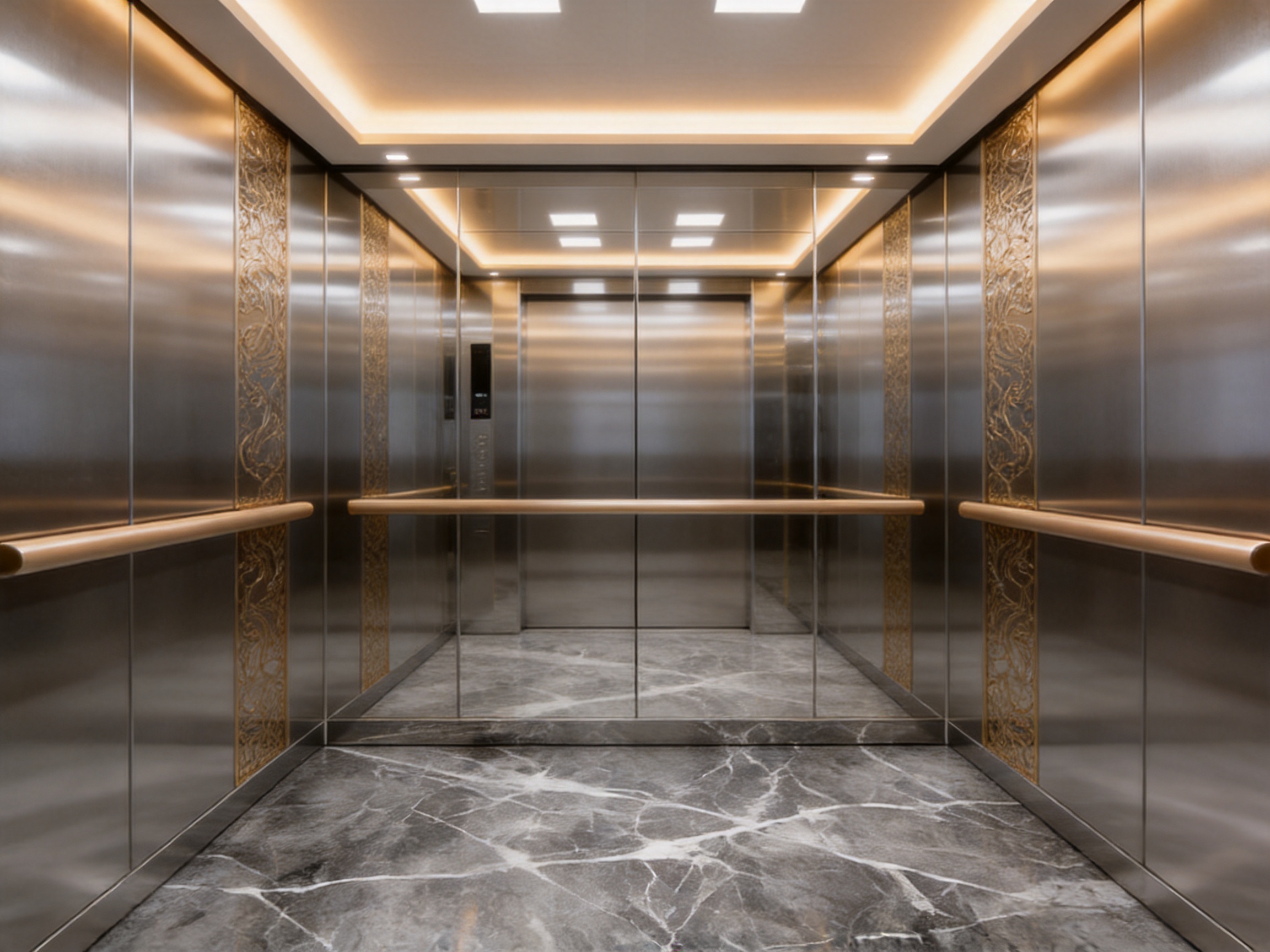
The wall panels define the main visual character of an elevator cabin. They can create brightness, warmth, luxury, simplicity, or strength. Custom Decoration can use stainless steel panels, etched patterns, mirror sections, hairline finishes, colored metal panels, wood-grain panels, laminated boards, glass accents, or mixed-material compositions. The design can be vertical, horizontal, symmetrical, geometric, or customized according to the project concept.
Wall panels must also be practical. They should be easy to clean, resistant to fingerprints where necessary, and strong enough for everyday use. In public buildings, scratch resistance and replaceability may be important. In luxury interiors, material texture and reflection control may be the priority. In medical environments, smooth surfaces and minimal dust-collecting seams may be preferred.
Ceiling and Lighting
The ceiling is central to the atmosphere of the cabin. A bright, evenly lit elevator feels safer and more spacious, while poor lighting can make even expensive materials look dull. Custom Decoration can include various ceiling designs, such as recessed lighting, LED panels, decorative stainless steel frames, acrylic diffusion panels, indirect lighting, patterned ceilings, or simple clean ceiling plates.
Lighting color temperature can be selected according to the environment. Warm light may suit hotels and villas, while neutral or cool light may suit offices, hospitals, and commercial buildings. Energy-efficient LED lighting can reduce electricity consumption and maintenance frequency. Proper ceiling design also considers ventilation, emergency lighting requirements, service access, and stable installation.
Flooring
Elevator flooring must withstand concentrated foot traffic, luggage wheels, cleaning processes, and possible moisture. Decorative flooring options may include PVC flooring, marble-pattern materials, stone finishes, anti-slip surfaces, or project-specified materials. The floor design should coordinate with the wall panels and building interior.
Safety is essential. Flooring should support stable footing and should not create excessive thickness or weight that affects elevator performance. For hospitals and public buildings, easy cleaning and slip resistance are especially important. For hotels and premium residences, the floor can contribute to a luxurious visual effect while remaining practical.
Handrails
Handrails provide support, safety, and visual balance. They are particularly important in hospitals, senior living facilities, public buildings, and residential elevators. Custom Decoration can include stainless steel handrails, round or flat profiles, single-side or multi-side arrangements, and finishes that match the cabin style.
A well-designed handrail should be comfortable to hold, securely fixed, and positioned according to user needs. In medical elevators, handrails can improve patient and caregiver comfort. In villas and luxury buildings, handrails can serve both functional and decorative roles.
Mirrors and Visual Space
Mirrors can make a cabin feel larger and brighter. They also help passengers adjust their appearance, observe movement behind them, and feel more comfortable in a compact space. Custom Decoration may include full-height mirrors, partial mirrors, rear-wall mirrors, side mirrors, or decorative mirror stainless steel sections.
Mirror placement should be carefully considered. Excessive reflection may create glare or visual discomfort, while well-proportioned mirror areas enhance openness. For high-traffic buildings, mirror materials and protective arrangements should be selected for durability and easy maintenance.
Door and Entrance Decoration
The elevator entrance is the transition point between the building and the cabin. Door panels, jambs, and landing entrance finishes influence the first impression before users enter. Custom Decoration can coordinate cabin finishes with door surfaces, using stainless steel, etched finishes, colored metal, or other decorative treatments.
Consistent entrance and cabin design can improve the overall perceived quality of the elevator system. For hotels, offices, and high-end residences, this continuity is especially valuable. For public buildings, durable and easy-to-clean entrance finishes help maintain a professional appearance despite heavy use.
Application Scenarios
Hotels and Hospitality Buildings
In hotels, the elevator is part of the guest journey. Guests use it when arriving, going to rooms, visiting restaurants, attending meetings, or accessing leisure facilities. Custom Elevator Decoration can support the hotel’s design theme, whether luxurious, boutique, modern, classic, or resort-oriented. Materials such as mirror stainless steel, warm lighting, decorative panels, and refined ceiling structures can create an elegant impression.
A customized cabin helps hotels differentiate themselves from competitors. Instead of a generic interior, the elevator becomes a continuation of the lobby and corridor design. This consistency can strengthen the guest’s perception of quality and attention to detail.
Office Towers and Commercial Buildings
Office elevators must handle frequent use while projecting efficiency and professionalism. Custom Decoration for office buildings often emphasizes durable stainless steel, clean lines, balanced lighting, and easy maintenance. The interior should look modern without becoming difficult to clean or vulnerable to damage.
For premium office towers, elevator decoration also contributes to leasing value. Tenants and visitors often judge building management quality through common areas, including elevators. A clean, stylish, and reliable cabin can support a stronger commercial image.
Hospitals and Healthcare Facilities
Hospital elevators have special requirements. They may transport patients, medical staff, beds, wheelchairs, equipment, and visitors. The interior must be hygienic, spacious, calm, and easy to clean. Custom Decoration can include smooth wall panels, practical handrails, anti-corrosion surfaces, bright but gentle lighting, and durable flooring.
In healthcare environments, decoration should not be overly complex. Simple, clean, and reliable design helps reduce stress and supports efficient cleaning. The ability to customize details makes it possible to balance functional medical needs with a welcoming atmosphere.
Residential Communities
In residential buildings, elevators are used daily by occupants of all ages. The cabin should feel safe, comfortable, and durable. Custom Decoration can match the residential project’s positioning, from economical and practical to premium and elegant. Good lighting, durable panels, and thoughtful handrails can improve everyday user satisfaction.
For property developers, elevator decoration can influence buyer perception. A well-designed cabin suggests better building quality and management standards. It can also reduce future complaints related to appearance, cleaning, and maintenance.
Home Villas
Villa elevators are highly personal. Owners often want the elevator interior to match their home decoration, furniture, and lifestyle. Custom Decoration can offer wood-grain finishes, soft lighting, artistic ceiling details, elegant handrails, customized colors, and refined material combinations.
Because villa elevators are part of private living space, comfort and aesthetics are especially important. The cabin should feel less like public equipment and more like a natural extension of the home. Customization enables this transformation.
Shopping Centers and Public Facilities
Shopping centers, transport buildings, museums, and public facilities require decoration that combines visibility, durability, and safety. Cabins may face heavy traffic, shopping carts, luggage, and continuous use. Materials must be resistant to impact and easy to maintain. At the same time, the elevator should remain visually attractive and aligned with the public environment.
Custom Decoration can help public buildings maintain a clean, organized, and welcoming atmosphere. Strong materials, clear lighting, and practical layouts reduce maintenance pressure while improving passenger comfort.
Cargo and Car Elevators
Cargo and car elevators are often designed mainly for function, but decoration still matters. A clean, durable, and well-protected interior improves usability and reflects professional facility management. Custom Decoration for these elevators may focus on reinforced wall panels, protective rails, anti-slip flooring, and impact-resistant surfaces.
In automobile showrooms, luxury residential garages, and commercial logistics buildings, the visual quality of car or cargo elevators can also support the overall project image. Customization allows the interior to be both tough and presentable.
Comparison of Custom Decoration Options
| Project Type | Recommended Decoration Focus | Typical Material Direction | Main User Benefit |
|---|---|---|---|
| Hotel Elevator | Luxury atmosphere, warm lighting, refined details | Mirror stainless steel, etched panels, decorative ceilings | Improved guest impression and brand consistency |
| Office Elevator | Professional style, durability, easy cleaning | Hairline stainless steel, neutral panels, LED lighting | Reliable daily use and modern business image |
| Hospital Elevator | Hygiene, handrails, smooth surfaces, calm lighting | Anti-corrosion panels, practical flooring, stainless steel handrails | Cleaner environment and better patient comfort |
| Home Villa Elevator | Personalized style, comfort, interior harmony | Wood-grain finishes, soft lighting, artistic ceiling panels | Private luxury and seamless home integration |
| Cargo Elevator | Impact resistance, maintenance convenience, protection | Reinforced steel panels, anti-slip flooring, protective rails | Longer service life under demanding use |
| Panoramic Elevator | Visual openness, elegant detailing, reflection control | Glass, stainless steel accents, minimal ceiling design | Enhanced viewing experience and architectural value |
Advanced Manufacturing Strength Behind the Product
Custom decoration quality depends heavily on manufacturing strength. Attractive design drawings alone are not enough. The final product must be produced accurately, assembled smoothly, and remain stable after installation. Tenau Elevator (China) Co., Ltd. has developed comprehensive manufacturing capabilities that support this requirement.
The company introduces international technologies and rigorous management systems. It complies with ISO9001, ISO14001, and OHSMS18001 standards, which relate to quality management, environmental management, and occupational health and safety management. These standards help create disciplined processes from design review to production, inspection, and delivery.
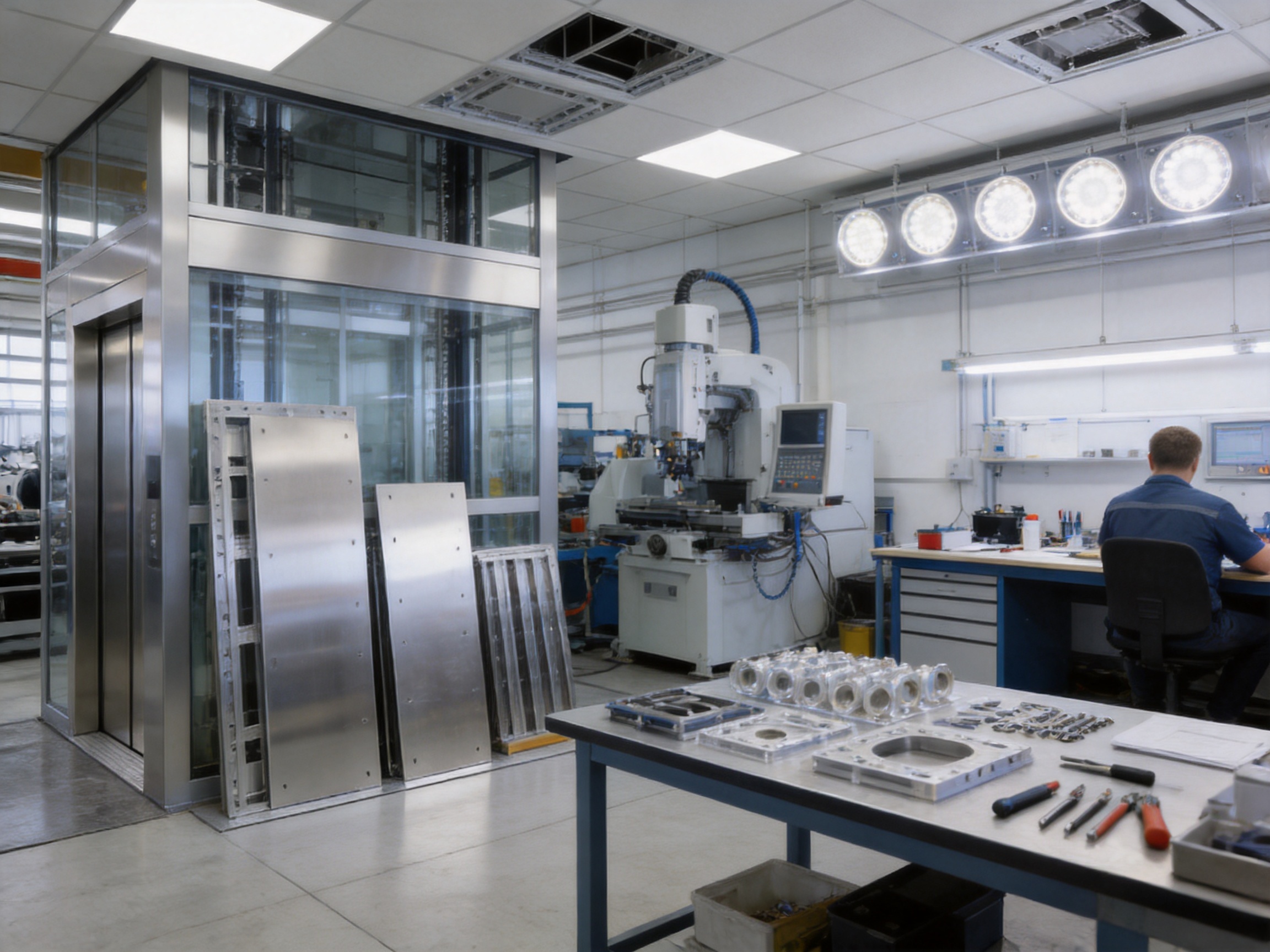
Tenau applies German Industry 4.0 intelligent manufacturing concepts, automated production lines, big data, Internet of Things technology, and a full closed-loop quality control system. For Custom Elevator Decoration, this means that material processing, component production, inspection, and production traceability can be managed more systematically. Compared with workshops that rely mainly on manual processing and inconsistent inspection, an intelligent manufacturing approach offers better repeatability and quality stability.
Automated production improves dimensional consistency. When decorative panels, ceiling parts, and structural components are processed accurately, the cabin interior fits better and looks more refined. Intelligent data systems help monitor production conditions and support quality analysis. A closed-loop quality control system helps identify problems and feed corrections back into the process rather than treating inspection as a final isolated step.
Tenau also has a large-scale manufacturing base and a professional team. Scale matters because customized projects often require coordination among design, engineering, procurement, production, quality control, logistics, installation, and service. A mature manufacturer can handle these tasks more efficiently and reduce project risk. The company’s exports to many countries and regions also reflect its ability to serve international project requirements.
Quality Control from Design to Delivery
Quality in Custom Elevator Decoration begins with understanding the project. The design team must know the elevator type, cabin size, building style, user group, usage frequency, environmental conditions, and budget. For example, a hospital elevator and a villa elevator may have similar cabin dimensions but completely different priorities. The hospital needs practicality, hygiene, and patient support; the villa needs personalization, elegance, and comfort.
After requirements are clarified, material selection becomes critical. Materials should be chosen not only for visual effect but also for durability, weight, fire safety considerations, cleaning needs, and compatibility with elevator operation. A beautiful but unsuitable material can cause long-term problems. A professional manufacturer evaluates both appearance and engineering performance.
Next comes detailed design and manufacturing preparation. Panel dimensions, fixing points, ceiling structure, lighting layout, handrail positions, mirror installation, floor interface, and control panel coordination must be accurately planned. In a compact cabin, even small dimensional errors can become visible. Precision design reduces installation difficulty and improves final quality.
During production, processing accuracy and surface protection are important. Decorative panels can be damaged by scratches, dents, improper handling, or poor packaging. Quality control should include inspection of material surfaces, dimensions, edges, holes, joints, finishes, and assembly compatibility. Lighting components should be checked for brightness, stability, and proper installation. Handrails and mirrors should be securely prepared.
Before delivery, packaging and logistics must protect the decorative parts. Customized finishes may be difficult to replace quickly if damaged during transport. Proper packaging helps maintain product quality until installation. At the project site, clear installation guidance and professional coordination can further reduce risks.
After installation, the cabin should be inspected for alignment, fastening, lighting, surface condition, noise, and user safety. Long-term satisfaction depends on both initial appearance and ongoing performance. Tenau’s integration of manufacturing and after-sales service supports a more complete product lifecycle.
Material Strategy: Balancing Beauty and Practicality
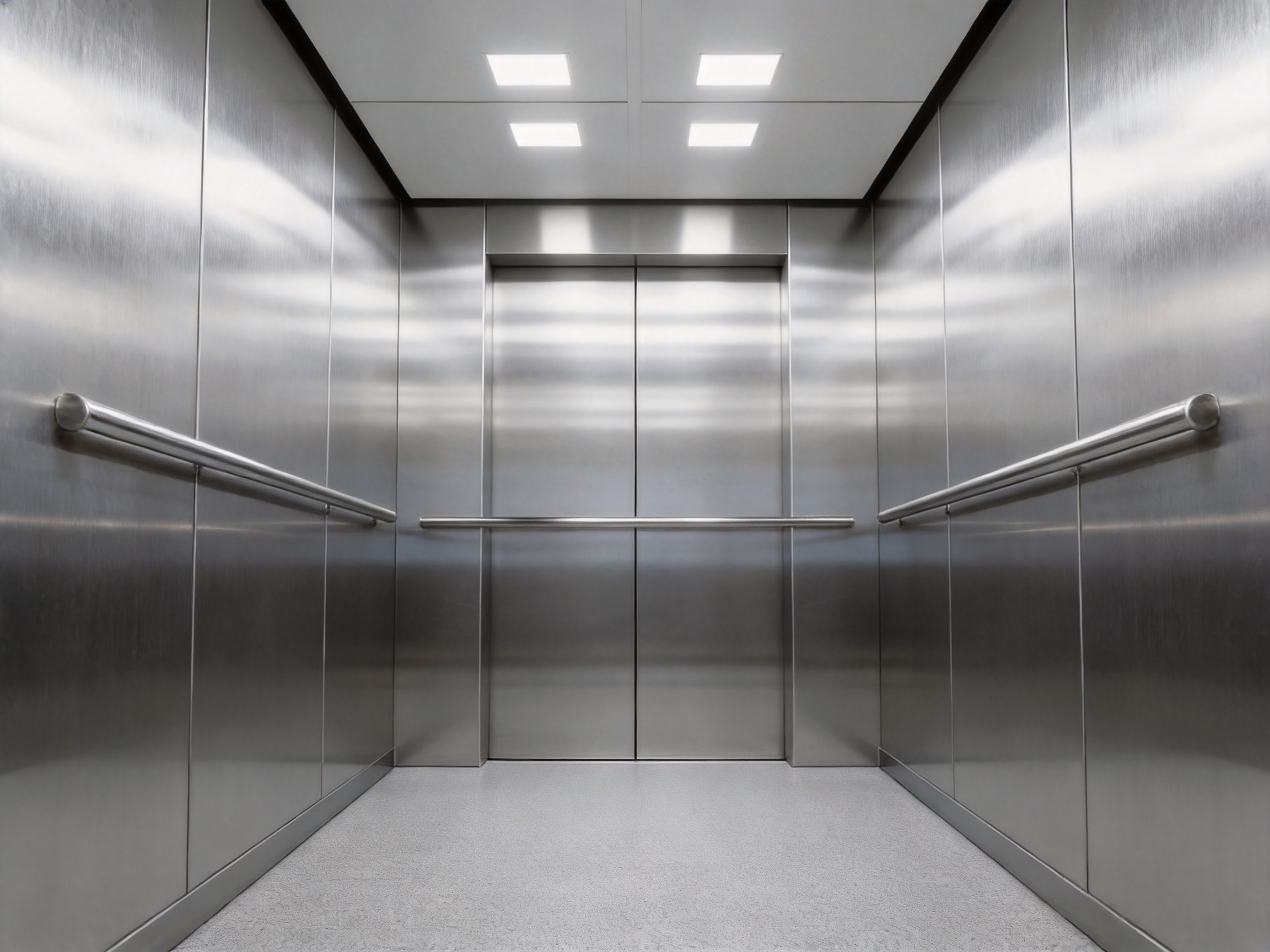
The best elevator decoration materials are those that meet both aesthetic and functional requirements. Different materials create different impressions. Stainless steel communicates modernity, cleanliness, and durability. Mirror finishes increase brightness and a sense of space. Hairline finishes reduce visual fingerprints and provide a refined texture. Etched patterns add decorative detail. Wood-grain panels create warmth. Stone-pattern floors suggest luxury and stability. Glass can provide openness and transparency.
However, each material must be used intelligently. Mirror stainless steel can look luxurious, but in high-traffic environments it may show fingerprints and scratches more easily than brushed finishes. Wood-grain materials can create warmth, but they must be selected for durability and cleaning suitability. Stone flooring can look premium, but weight and slip resistance need consideration. Decorative ceilings can enhance beauty, but they must allow proper lighting, ventilation, and maintenance access.
Custom Elevator Decoration allows this balance to be achieved project by project. Instead of forcing one material package on all buildings, the product can adapt. A busy commercial elevator may use stronger, simpler finishes. A boutique hotel may use richer decorative details. A medical elevator may use clean, smooth, and practical materials. This tailored approach improves lifecycle value.
Comfort, Safety, and Human-Centered Design
Elevator decoration affects how passengers feel. A cabin that is too dark, reflective, narrow-looking, or visually chaotic may increase discomfort. A cabin with balanced lighting, clean surfaces, clear controls, and stable handrails feels safer and more pleasant. Human-centered design is therefore an important part of Custom Decoration.
Lighting should support visibility without glare. Wall colors and reflections should make the cabin feel open but not disorienting. Handrails should be positioned for support. Flooring should feel stable underfoot. Mirrors should be placed where they improve comfort and convenience. Cabin materials should not produce sharp edges or unsafe contact points.
For elderly users, children, patients, and people with mobility challenges, these details matter greatly. A hospital elevator with proper handrails and calm lighting can reduce stress. A residential elevator with bright lighting and durable flooring can improve everyday confidence. A villa elevator with soft tones and smooth finishes can make vertical movement feel natural and comfortable.
Safety is also connected to maintenance. A decoration system that is easy to clean and inspect helps building managers keep the cabin in good condition. Replaceable panels or practical surface treatments can reduce long-term maintenance burden. Durable materials help prevent deterioration that might otherwise create hazards or negative impressions.
Why Manufacturing Background Matters More Than Surface Appearance
Many buyers initially focus on color, pattern, and price when choosing elevator decoration. These factors are important, but they are not enough. Elevator interiors are part of a moving mechanical system. Decoration must be compatible with cabin structure, load conditions, door operation, ventilation, lighting circuits, emergency systems, and maintenance access.
A supplier without elevator manufacturing expertise may create a visually attractive proposal but overlook technical constraints. For example, excessive decorative weight can affect system performance. Poorly secured panels may vibrate. Inaccurate ceiling design may interfere with ventilation or maintenance. Improper flooring thickness may cause threshold problems. Poor lighting integration may create future repair difficulties.
Tenau’s advantage lies in its comprehensive elevator knowledge. The company manufactures passenger elevators, freight elevators, escalators, moving walks, and related products. Its capabilities in low-speed, medium-speed, high-speed, and ultra-high-speed elevators demonstrate a technical foundation beyond simple interior decoration. This background helps ensure that Custom Elevator Decoration is designed as a system-compatible solution rather than a purely cosmetic layer.
Competitive Advantages for Developers, Contractors, and Owners
For developers, Custom Elevator Decoration can increase project value. The elevator cabin is a shared space used by residents, tenants, guests, and visitors. A better cabin interior supports a higher-quality image and can contribute to stronger market appeal. In competitive real estate markets, details such as elevator decoration can influence buyer and tenant perception.
For contractors, working with a comprehensive elevator manufacturer can simplify coordination. Instead of managing separate parties for elevator equipment and cabin decoration, the project can benefit from more integrated technical communication. This can reduce compatibility problems, installation delays, and responsibility disputes.
For building owners and property managers, durable custom decoration can reduce long-term maintenance costs. Materials selected according to actual use conditions last longer and remain easier to clean. A cabin that maintains its appearance helps preserve building reputation and user satisfaction.
For architects and interior designers, customization provides creative freedom. Elevator cabins can be aligned with lobby materials, corridor colors, branding elements, and overall design themes. The elevator becomes a designed environment rather than an afterthought.
For end users, the benefits are simple but meaningful: a cleaner, brighter, safer, more comfortable, and more attractive elevator experience.
Customization Process
Requirement Communication
The process begins with project communication. The customer provides the building type, elevator type, cabin size, desired style, traffic level, budget, and any special requirements. If the project involves a hotel, hospital, villa, office tower, or cargo application, the design priorities are defined accordingly.
Concept Design
Based on the requirements, a decoration concept is developed. This may include wall panel style, ceiling layout, lighting effect, floor material, handrail type, mirror placement, and color direction. The concept should coordinate with the building interior and practical operation needs.
Material Selection
Materials are selected according to appearance, durability, cleaning needs, safety considerations, and cost. The goal is to achieve the desired design effect without sacrificing performance. For example, a high-traffic office may choose durable brushed stainless steel, while a villa may choose warmer decorative materials.
Technical Confirmation
Technical details are confirmed before production. Dimensions, fixing methods, electrical integration, ceiling access, ventilation, panel joints, and installation conditions are reviewed. This step helps prevent problems during manufacturing and installation.
Manufacturing and Inspection
Components are produced using controlled manufacturing processes. Quality inspection checks surface finish, dimensional accuracy, component compatibility, and packaging condition. Intelligent manufacturing and closed-loop quality control help support consistency.
Delivery, Installation, and Service
After production, the decoration components are packaged and delivered. Installation follows technical guidance, and final inspection ensures that the cabin meets visual and functional expectations. After-sales service supports long-term use and customer confidence.
Maintenance Considerations
A good custom elevator interior should be easy to maintain. Maintenance planning should begin during design, not after installation. Surface materials should be selected according to cleaning frequency and expected wear. In high-traffic buildings, anti-fingerprint finishes, scratch-resistant panels, and simple joint lines may reduce cleaning workload. In hospitals, smooth surfaces and chemical-resistant materials may be important. In villas, periodic gentle cleaning may be enough if suitable materials are selected.
Lighting systems should be accessible for service. Ceiling panels should allow maintenance without damaging decorative components. Handrails should be secure and easy to clean. Mirrors should be protected from excessive impact. Floors should be inspected for wear, lifting, or slippery conditions. Door and entrance finishes should be cleaned regularly because they are touched frequently.
Property managers should use cleaning methods appropriate for the material. Harsh chemicals or abrasive tools can damage decorative surfaces. Stainless steel should be cleaned with suitable methods to avoid scratches. Mirror surfaces require soft cleaning materials. Flooring should be maintained according to its composition. Clear maintenance guidance can extend the life of the decoration and preserve the cabin’s appearance.
Sustainability and Environmental Value
Sustainability in elevator decoration involves material efficiency, long service life, energy-saving lighting, responsible manufacturing, and reduced replacement frequency. A low-quality interior that needs frequent repair or replacement creates waste and higher lifecycle cost. A durable, well-designed cabin supports environmental value by lasting longer and requiring fewer materials over time.
Tenau’s commitment to safety and environmental protection supports this direction. Compliance with ISO14001 reflects attention to environmental management. The use of intelligent manufacturing, automated production lines, and quality control can also reduce waste caused by errors and rework. Energy-efficient LED lighting can lower power consumption compared with older lighting systems.
Custom design also supports sustainability because materials can be selected according to actual needs. A cargo elevator does not need fragile luxury materials that may be quickly damaged. A villa elevator does not need excessively heavy industrial finishes. Matching materials to purpose improves resource efficiency and long-term value.
International Project Suitability
Tenau Elevator (China) Co., Ltd. exports products to many countries and regions worldwide. International projects often require suppliers who can provide stable quality, documentation support, flexible design communication, and reliable production capacity. Custom Elevator Decoration benefits from the company’s export experience and comprehensive manufacturing system.
Different markets may have different style preferences. Some regions prefer bright stainless steel and modern minimalism. Others prefer warm colors, gold tones, wood effects, or decorative patterns. Hotels, residential towers, hospitals, and public buildings also vary in expectations. A flexible customization system can respond to these differences more effectively than standard cabin decoration packages.
International customers also value reliability. Delays, inconsistent finishes, or installation problems can create significant project costs. The company’s intelligent manufacturing and quality management systems help support predictable outcomes. For contractors and developers working across borders, this reliability is a major competitive advantage.
Q&A: Common Questions About Custom Elevator Decoration
Q1: What is Custom Elevator Decoration?
Custom Elevator Decoration is a tailored interior solution for elevator cabins. It can include wall panels, ceilings, lighting, floors, handrails, mirrors, door finishes, and other decorative components. The purpose is to improve the appearance, comfort, durability, and building compatibility of the elevator cabin.
Q2: Which elevator types can use this product?
It can be applied to passenger elevators, panoramic and observation elevators, hospital elevators, home villa elevators, cargo elevators, car elevators, high-speed elevators, and other elevator systems. The design is adjusted according to the elevator type and usage environment.
Q3: How is custom decoration different from standard cabin decoration?
Standard decoration usually offers limited fixed styles. Custom decoration allows project-specific selection of materials, colors, lighting, ceiling designs, floor finishes, handrails, mirrors, and decorative patterns. It can better match the building’s architecture, interior design, and user needs.
Q4: Why is it important to choose an elevator manufacturer for cabin decoration?
An elevator manufacturer understands cabin structure, weight limits, safety requirements, installation conditions, ventilation, lighting integration, and long-term operation. This reduces the risk of decoration causing technical problems. Tenau’s full elevator manufacturing background supports more reliable custom decoration solutions.
Q5: Can the decoration be designed for hospitals?
Yes. Hospital elevator decoration can focus on hygiene, easy cleaning, smooth surfaces, corrosion resistance, practical handrails, and calm lighting. The design can support patient comfort and efficient medical facility operation.
Q6: Is Custom Elevator Decoration suitable for luxury hotels and villas?
Yes. Hotels and villas often benefit greatly from customization. The cabin can include elegant lighting, premium finishes, mirror elements, wood-grain materials, artistic ceilings, and design details that match the overall interior style.
Q7: How does the product perform in high-traffic buildings?
For high-traffic buildings, materials can be selected for durability, scratch resistance, easy cleaning, and long service life. Stainless steel, practical flooring, strong handrails, and simple maintenance-friendly designs are commonly recommended.
Q8: What manufacturing strengths support product quality?
Tenau uses advanced manufacturing concepts, automated production lines, big data, Internet of Things technology, and closed-loop quality control. The company also follows ISO9001, ISO14001, and OHSMS18001 management standards. These strengths support precision, consistency, and reliability.
Q9: Can the decoration match a building’s brand identity?
Yes. Material selection, color schemes, lighting, patterns, and overall cabin style can be customized to reflect the building’s image. This is useful for hotels, offices, residential projects, commercial complexes, and public facilities.
Q10: How should a custom elevator interior be maintained?
Maintenance depends on the materials used. In general, surfaces should be cleaned with suitable non-abrasive methods, lighting should be inspected regularly, handrails should be checked for stability, and floors should be kept clean and safe. Choosing practical materials from the beginning reduces maintenance difficulty.
Conclusion
Custom Elevator Decoration is a valuable solution for buildings that require more than ordinary elevator interiors. It transforms the elevator cabin into a carefully designed space that supports comfort, safety, durability, and architectural identity. Whether used in a hotel, office tower, hospital, residential community, villa, shopping center, cargo facility, or panoramic elevator, it allows the cabin to match the project’s functional and aesthetic goals.
The product’s strongest advantage is the combination of customization and manufacturing expertise. Tenau Elevator (China) Co., Ltd. is not only a decoration provider but a comprehensive elevator manufacturer with capabilities in design, research and development, manufacturing, installation, and after-sales service. Its advanced production systems, intelligent manufacturing concepts, automated lines, quality management standards, and international experience provide a strong foundation for reliable custom cabin decoration.
Compared with conventional decoration options, Custom Decoration offers greater flexibility, better technical compatibility, stronger durability, and more consistent manufacturing quality. It helps developers improve project value, assists contractors with integrated coordination, supports architects in design expression, and gives building users a more pleasant elevator experience.
In modern architecture, every detail matters. The elevator cabin is one of the most used and most noticed details in any multi-level building. With a well-planned Custom Elevator Decoration solution, vertical transportation becomes not only functional but also memorable, comfortable, and aligned with the quality of the entire building.
References
Tenau Elevator (China) Co., Ltd. Company Profile and Product Information.
International Organization for Standardization. ISO9001 Quality Management Systems Guidelines.
International Organization for Standardization. ISO14001 Environmental Management Systems Guidelines.
Occupational Health and Safety Management System Guidance Based on OHSMS18001 Principles.
Elevator World. Technical Articles on Elevator Cabins, Modernization, and Passenger Experience.
Architectural Interior Design Handbook. Materials, Lighting, and Human-Centered Space Planning.
Vertical Transportation Design Guide. Elevator Planning, Safety, and Building Integration Principles.
Product: Custom Decoration

Related Products
Related News
Built on safety, forging trust in vertical mobility.
lf you have any questions or need help, feel free to contact with our team.
 export@tenau.com.cn
 +86-18601458867
 +86-512-65059883
Elevator & Escalator
Factory Add
East of Xicheng Road, North of Lianyi Road, Nanxun Economic Development Zone, Nanxun District, Huzhou City, Zhejiang Province, P.R.China
Copyright © Tenau Elevator (China) Co., Ltd. All Rightd Reserved.
Custom High Quality Elevator Suppliers and World Brand Elevator Company