

 en
en Español
 русский
 中文简体
中文简体
Industry News
How does classify indoor versus outdoor moving walks?
Content
Moving walks are an essential component in modern urban infrastructure, providing efficient and convenient transportation solutions in various settings. While the concept of a moving walk is straightforward—a motorized conveyor that transports passengers horizontally or on a slight incline—the classification between indoor and outdoor moving walks involves multiple considerations, including design, environmental factors, safety standards, and user experience.
Understanding moving walks
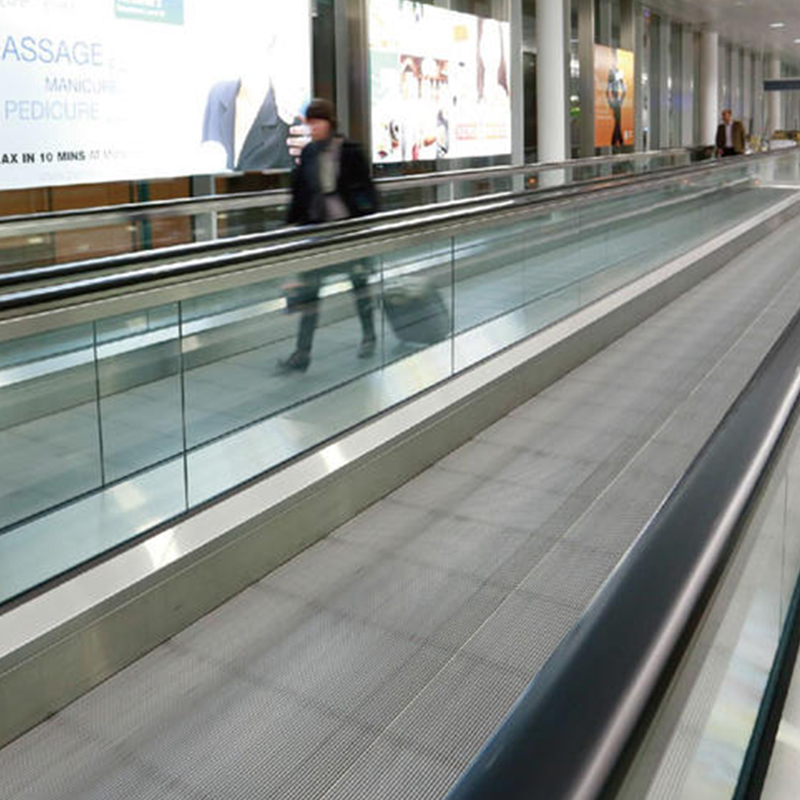
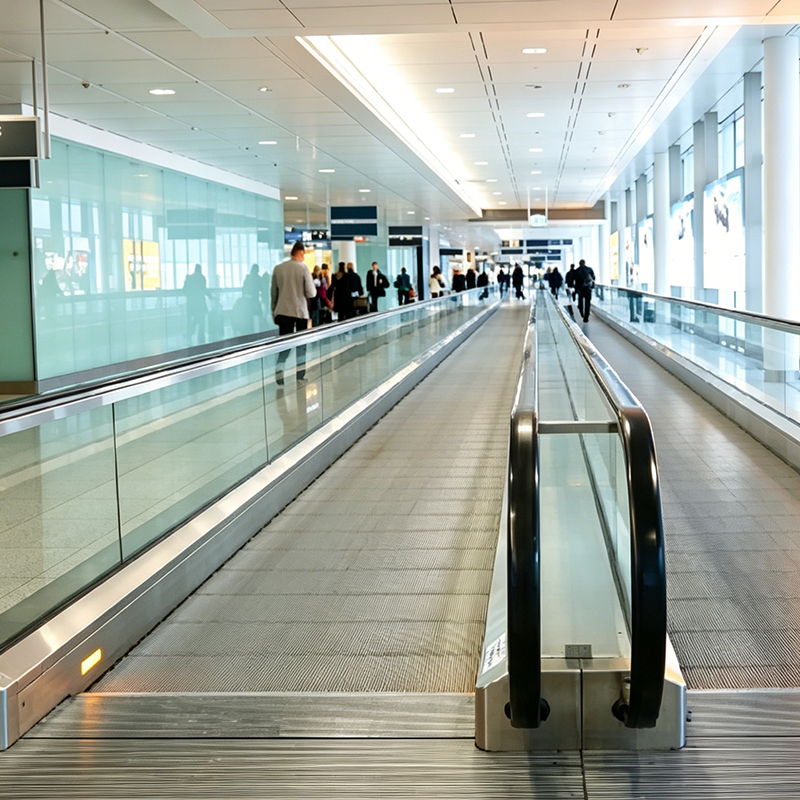
Before diving into the differences between indoor and outdoor moving walks, it is important to understand the general characteristics and purposes of a moving walk. Essentially, a moving walk is a pedestrian conveyor system designed to improve mobility in high-traffic areas. They are commonly used in airports, metro stations, shopping malls, and large commercial complexes to facilitate efficient passenger flow and reduce fatigue over long distances.
Key features of a moving walk include:
- Continuous transportation over horizontal or inclined surfaces
- Variable speed options depending on passenger volume and environment
- Safety mechanisms, including handrails and emergency stop systems
- Integration with surrounding infrastructure and pedestrian pathways
The classification of moving walks into indoor or outdoor types primarily depends on environmental exposure, design requirements, and usage conditions.
Factors influencing classification
Several critical factors determine whether a moving walk is designed for indoor or outdoor use. Understanding these elements is crucial for selecting the appropriate system for a specific project.
Environmental exposure
Indoor moving walks are typically installed in controlled environments, such as airports, shopping centers, and office complexes. Climate, temperature, and humidity are managed within these spaces, allowing the use of standard materials and protective coatings.
Outdoor moving walks, however, face direct exposure to weather conditions, including rain, snow, sun, wind, and dust. This necessitates more robust weatherproofing, corrosion-resistant materials, and drainage systems to maintain operational efficiency.
Structural design
The structural requirements for indoor and outdoor moving walks vary significantly. Indoor systems often feature sleek designs, prioritizing aesthetics and smooth integration with building interiors. Outdoor moving walks require reinforced frames, protective coverings, and anti-slip surfaces to withstand environmental stress and heavy usage.
Safety and compliance
Safety is a critical aspect in both classifications. Indoor moving walks typically follow building code requirements and fire safety regulations relevant to interior spaces. Outdoor moving walks must also meet weather-related safety standards, including protection against ice, water accumulation, and strong winds.
Maintenance requirements
Maintenance protocols differ based on location. Indoor moving walks generally experience less wear and tear, allowing routine inspections and servicing to suffice. Outdoor moving walks require more frequent cleaning, lubrication, and component inspections to ensure long-term reliability under harsher conditions.
Technical distinctions between indoor and outdoor moving walks
Understanding the technical differences is essential for industry professionals evaluating moving walk options.
Material and surface treatment
- Indoor moving walks: Materials are selected for durability and visual appeal, with standard steel, aluminum, or composite components. Handrails and steps often have minimal exposure protection.
- Outdoor moving walks: Materials must resist corrosion, UV degradation, and extreme temperatures. Galvanized steel, stainless steel, or treated aluminum are common, along with protective coatings and weatherproof covers.
Drive and control systems
The drive system of a moving walk is integral to its performance. While the basic mechanism is similar for both indoor and outdoor types, outdoor systems often include additional features such as temperature-resistant motors, enhanced cooling, and weatherproof electrical enclosures.
Control systems are also adapted to environmental conditions. Indoor moving walks may rely on standard sensors and speed controllers, whereas outdoor systems incorporate moisture-resistant sensors and automatic shutdown mechanisms in case of extreme weather.
Speed and inclination
Indoor moving walks typically operate at moderate speeds suitable for passenger comfort, often between 0.5 to 0.75 meters per second. Outdoor moving walks may be designed to handle steeper inclines and slightly higher speeds to compensate for longer distances or sloped terrain.
Safety mechanisms
Safety remains a priority for both types. Indoor systems focus on emergency stop buttons, handrail sensors, and step demarcation lighting. Outdoor moving walks require additional measures such as weatherproof emergency stops, drainage to prevent slipping, and anti-freeze handrails in cold climates.
Applications and suitability
The choice between indoor and outdoor moving walks depends on the environment and intended usage.
Indoor moving walks
- Airports and metro stations: Reduce walking time across terminals and concourses.
- Shopping malls: Improve pedestrian flow between floors or elongated retail areas.
- Convention centers: Facilitate movement during high-traffic events.
Advantages: Controlled environment allows for precise design, lower maintenance, and smoother operation.
Outdoor moving walks
- Urban transit hubs: Connect parking areas with transport stations or pedestrian plazas.
- Large public spaces: Facilitate movement in parks, stadiums, or commercial districts.
- Outdoor shopping complexes: Enhance accessibility across expansive walkways.
Advantages: Provide solutions in spaces without enclosed structures, offering flexibility for urban planning.
Design considerations for buyers
When evaluating moving walks, buyers must consider several design aspects that affect performance, safety, and longevity.
- Environmental conditions: Assess exposure to weather, temperature fluctuations, and UV radiation.
- Material durability: Choose corrosion-resistant and weatherproof components for outdoor systems.
- Passenger capacity: Ensure the system can handle peak traffic volumes efficiently.
- Safety features: Confirm compliance with relevant codes, including emergency stops and anti-slip surfaces.
- Maintenance accessibility: Evaluate ease of servicing, particularly for outdoor systems where frequent inspections are necessary.
Maintenance and operational considerations
Maintaining moving walks is crucial for safety, efficiency, and longevity. Key points include:
- Indoor moving walks: Require standard cleaning, lubrication, and periodic inspections of mechanical and electrical components.
- Outdoor moving walks: Need enhanced maintenance schedules, including weather-related checks, protective covering inspections, and drainage system cleaning.
- Lubrication and parts replacement: Both types require regular lubrication of drive chains, bearings, and rollers. Outdoor systems often need weather-resistant lubricants.
- Monitoring systems: Many moving walks incorporate monitoring technologies to detect malfunctions, which is particularly important for outdoor systems exposed to environmental stress.
Comparison table: indoor vs outdoor moving walks
| Feature | Indoor Moving Walk | Outdoor Moving Walk |
|---|---|---|
| Environment | Controlled | Exposed to weather |
| Materials | Standard steel/aluminum | Corrosion-resistant, weatherproof |
| Safety | Standard codes, fire safety | Weatherproof safety, anti-slip, freeze protection |
| Maintenance | Routine inspection | Frequent checks, weather-related maintenance |
| Applications | Airports, malls, convention centers | Urban transit, outdoor plazas, stadiums |
| Drive systems | Standard motors | Weather-resistant motors and enclosures |
| Speed | Moderate | Moderate to slightly higher for long distances |
Conclusion
Classifying indoor versus outdoor moving walks involves understanding environmental exposure, material requirements, structural design, and safety considerations. Indoor moving walks are suitable for controlled environments such as airports and shopping malls, offering aesthetic integration and lower maintenance requirements. Outdoor moving walks must withstand harsh environmental conditions, requiring robust materials, weatherproof safety features, and enhanced maintenance schedules.
For buyers, facility planners, and industry professionals, recognizing these distinctions is essential to selecting the appropriate moving walk system. By carefully evaluating environmental factors, technical specifications, and operational requirements, stakeholders can ensure efficient, safe, and long-lasting pedestrian transport solutions.
A well-planned moving walk—whether indoor or outdoor—not only facilitates seamless movement but also contributes to a positive user experience, improved safety, and optimized infrastructure performance.
Related Products
Related News
Built on safety, forging trust in vertical mobility.
lf you have any questions or need help, feel free to contact with our team.
 export@tenau.com.cn
 +86-18601458867
 +86-512-65059883
Elevator & Escalator
Factory Add
East of Xicheng Road, North of Lianyi Road, Nanxun Economic Development Zone, Nanxun District, Huzhou City, Zhejiang Province, P.R.China
Copyright © Tenau Elevator (China) Co., Ltd. All Rightd Reserved.
Custom High Quality Elevator Suppliers and World Brand Elevator Company