

 en
en Español
 русский
 中文简体
中文简体
Industry News
What Should You Consider When Choosing a Residential Passenger Elevator for Your Home?
The demand for residential passenger elevators has grown significantly in recent years, driven by urbanization, aging populations, and the increasing preference for multi-story luxury homes. Unlike commercial elevators, residential models are designed for lower usage intensity while prioritizing comfort, aesthetics, and seamless integration into home environments.
Key Factors to Consider When Selecting a Residential Passenger Elevator
Space & Design Compatibility
One of the first decisions homeowners must make is whether a traditional hydraulic elevator, a machine-room-less (MRL) model, or a vacuum (pneumatic) elevator best suits their space. Traditional elevators require a machine room and a pit, making them ideal for new constructions where space isn’t a constraint. In contrast, MRL and vacuum elevators are compact, eliminating the need for a separate machine room—a major advantage in retrofit installations.
For smaller homes, a residential lift with a minimal footprint (as small as 3’ x 4’) may be preferable. Glass cabins are increasingly popular, as they enhance natural light flow and create an open feel, while enclosed cabins offer more privacy and noise insulation.
Safety Features & Compliance
Safety is paramount in residential elevators, particularly in homes with children or elderly residents. Modern home elevators must comply with safety standards such as ASME A17.1 (U.S.) or EN 81 (Europe). Key safety mechanisms include:
- Emergency braking systems to prevent free-fall in rare mechanical failures.
- Battery backup operation to ensure functionality during power outages.
- Door sensors and obstruction detection to avoid accidents.
- Manual lowering systems for safe exit if the elevator stops unexpectedly.
Homeowners should verify that their chosen model meets regional regulations and includes fail-safe mechanisms.
Energy Efficiency & Smart Technology
Energy consumption is a growing concern, and modern residential passenger elevators now incorporate regenerative drives that feed excess energy back into the home’s power supply. Machine-room-less (MRL) models are particularly efficient, using permanent magnet motors that consume less electricity than traditional hydraulic systems.
Smart technology is another major advancement. Many home elevators now feature:
- Wi-Fi and app-based controls for remote operation and diagnostics.
- Voice activation for hands-free use.
- Predictive maintenance alerts to reduce downtime.
These innovations not only improve convenience but also contribute to long-term cost savings.
Emerging Trends in Residential Elevator Technology
Home Automation Integration
As smart homes become the norm, residential elevators are increasingly designed to integrate seamlessly with home automation systems. Compatibility with platforms like Amazon Alexa, Google Home, and Apple HomeKit allows users to call the elevator via voice commands or schedule operations through a central smart hub.
Eco-Friendly Solutions
Sustainability is a key trend, with manufacturers focusing on:
- Energy-efficient motors (e.g., gearless traction systems).
- Eco-conscious materials, such as recycled steel and low-emission cabin finishes.
- Solar-compatible power systems for off-grid homes.
These features appeal to environmentally conscious buyers while reducing long-term operational costs.
Customization & Aesthetics
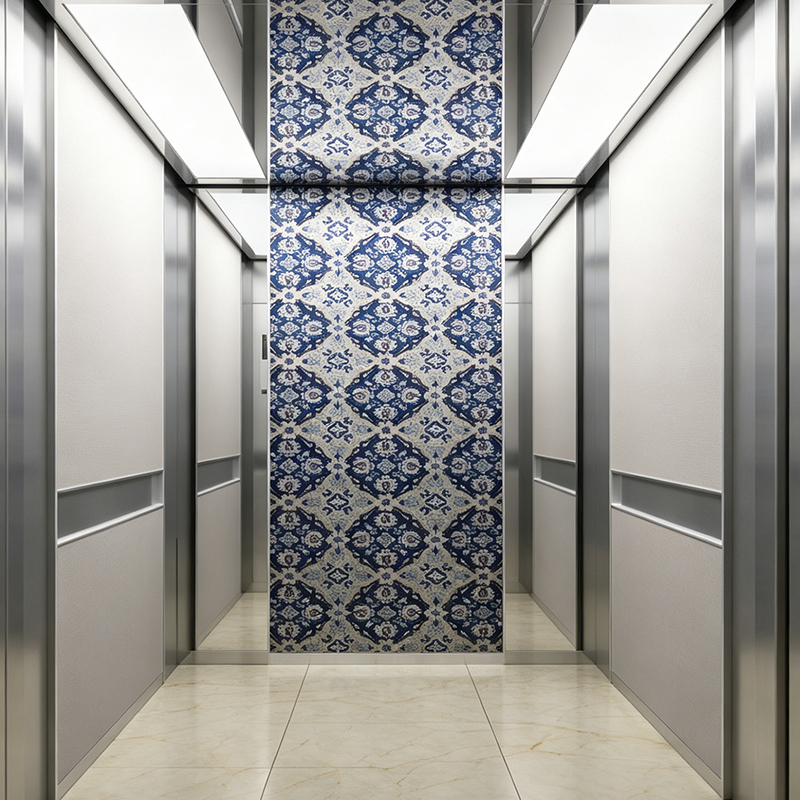
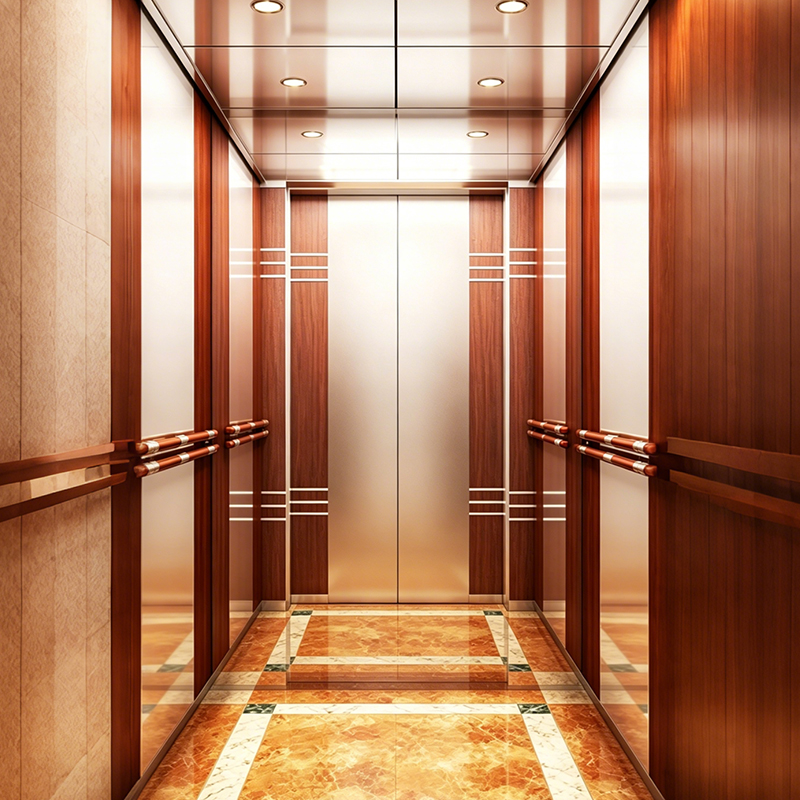
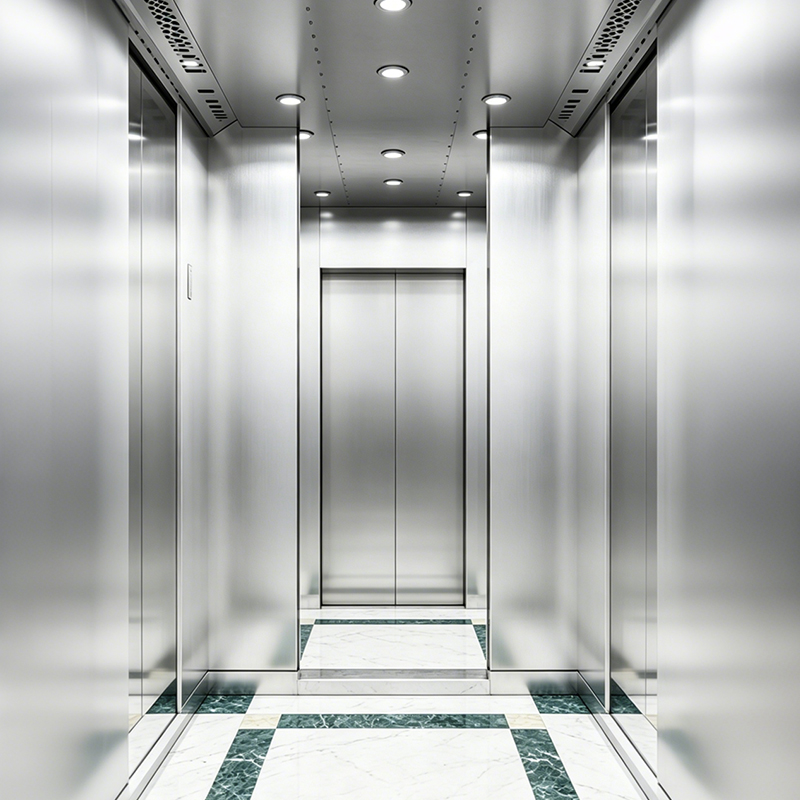
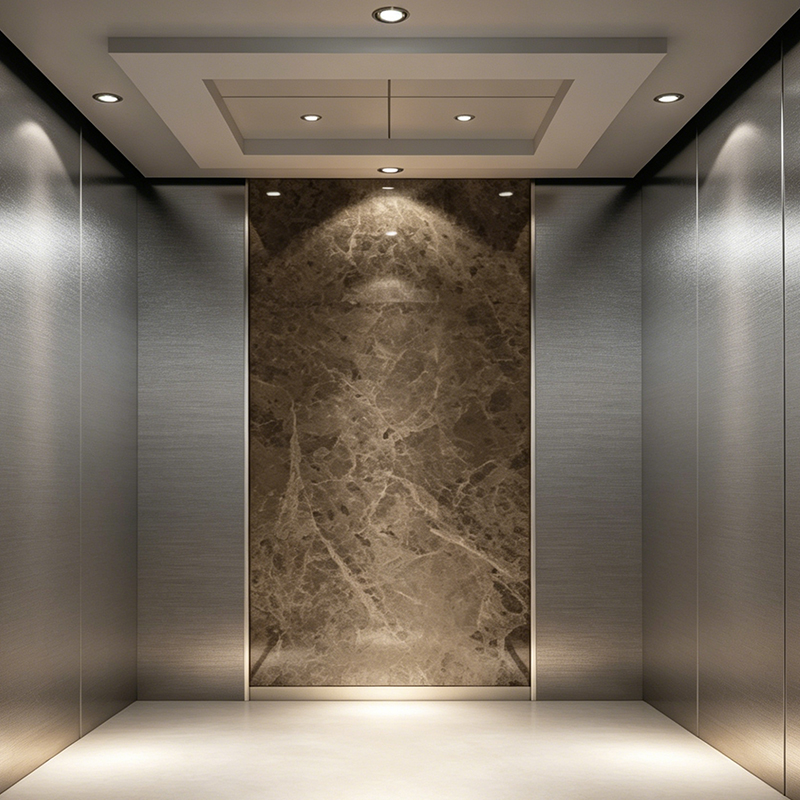
Unlike commercial elevators, residential lifts are often customized to match interior design themes. Popular options include:
| Feature | Options |
|---|---|
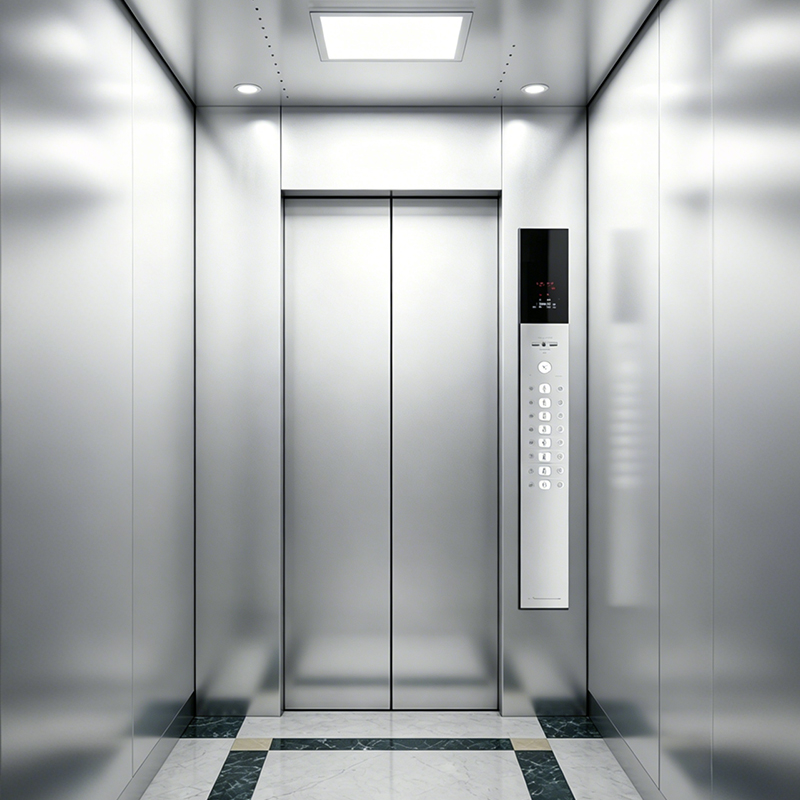
| Cabin Materials | Glass, stainless steel, wood paneling |
| Flooring | Hardwood, marble, anti-slip tiles |
| Lighting | LED mood lighting, dimmable options |
| Control Panels | Touchscreen, minimalist button designs |
Luxury homeowners may opt for bespoke designs, such as curved glass doors or handcrafted wood finishes, to complement their décor.
Common Challenges & How to Overcome Them
Installation & Retrofitting Issues
Retrofitting an elevator into an existing home can be complex due to structural limitations. Pitless models (e.g., pneumatic elevators) are easier to install but may have lower weight capacities. Homeowners should consult structural engineers to assess:
- Shaft space availability (whether a new shaft is needed).
- Floor reinforcement requirements.
- Permitting and zoning regulations.
A professional assessment ensures the chosen system aligns with the home’s structural capabilities.
Maintenance & Servicing
While residential passenger elevators require less maintenance than commercial ones, neglecting servicing can lead to costly repairs. Key maintenance best practices include:
- Scheduled inspections (at least annually).
- Lubrication of moving parts to prevent wear.
- Software updates for smart-enabled models.
Opting for a service contract with the manufacturer or a certified technician can prolong the elevator’s lifespan.
Related Products

Related News
Built on safety, forging trust in vertical mobility.
lf you have any questions or need help, feel free to contact with our team.
 export@tenau.com.cn
 +86-18601458867
 +86-512-65059883
Elevator & Escalator
Factory Add
East of Xicheng Road, North of Lianyi Road, Nanxun Economic Development Zone, Nanxun District, Huzhou City, Zhejiang Province, P.R.China
Copyright © Tenau Elevator (China) Co., Ltd. All Rightd Reserved.
Custom High Quality Elevator Suppliers and World Brand Elevator Company