

 en
en Español
 русский
 中文简体
中文简体
Revolutionizing Vertical Transportation: The Next-Gen Passenger Elevator Reimagined
Content
- 1 Redefining Vertical Mobility: Core Product Attributes
- 2 Uncompromising Safety: A Non-Negotiable Priority
- 3 Efficiency Reimagined: Advanced Travel Functions
- 4 Space-Saving Innovation: Small Machine Room Design
- 5 Manufacturing Excellence: Behind the Scenes
- 6 Advantages Over Competitors: A Comparative Analysis
- 7 Q&A: Addressing Common Concerns
- 7.1 Q1: What safety certifications does this elevator meet?
- 7.2 Q2: Can the elevator be customized for specific building needs?
- 7.3 Q3: How often does the elevator require maintenance?
- 7.4 Q4: What is the energy efficiency of this elevator?
- 7.5 Q5: Does the company provide after-sales support for international clients?
- 8 References
As urbanization accelerates globally, high-rise buildings—from office towers to luxury hotels and bustling supermarkets—depend on vertical transportation systems that balance safety, efficiency, and space optimization. The modern passenger elevator has evolved far beyond basic conveyance, becoming a critical component of building functionality and user experience. This article explores a next-generation passenger elevator that redefines industry standards, highlighting its innovative features, advantages over competitors, and the advanced manufacturing processes that underpin its performance.
Redefining Vertical Mobility: Core Product Attributes
The passenger elevator in focus is a machine-room model engineered to address key pain points in urban vertical transport: limited floor space, safety concerns, and inefficient peak-hour operations. Unlike traditional elevators that require large machine rooms, this model reduces machine room area by up to 30%—a game-changer for buildings where every square meter of floor space translates to significant cost savings or revenue potential. Its design prioritizes user safety, ride comfort, and operational efficiency, making it ideal for office buildings, hotels, and supermarkets.
Built on decades of engineering expertise, this elevator integrates cutting-edge technologies to deliver a seamless experience. From IoT-powered remote monitoring to precision variable voltage variable frequency (VVVF) drives, every component is optimized to meet the demands of modern urban life. Below, we break down its key features and how they outperform conventional systems.
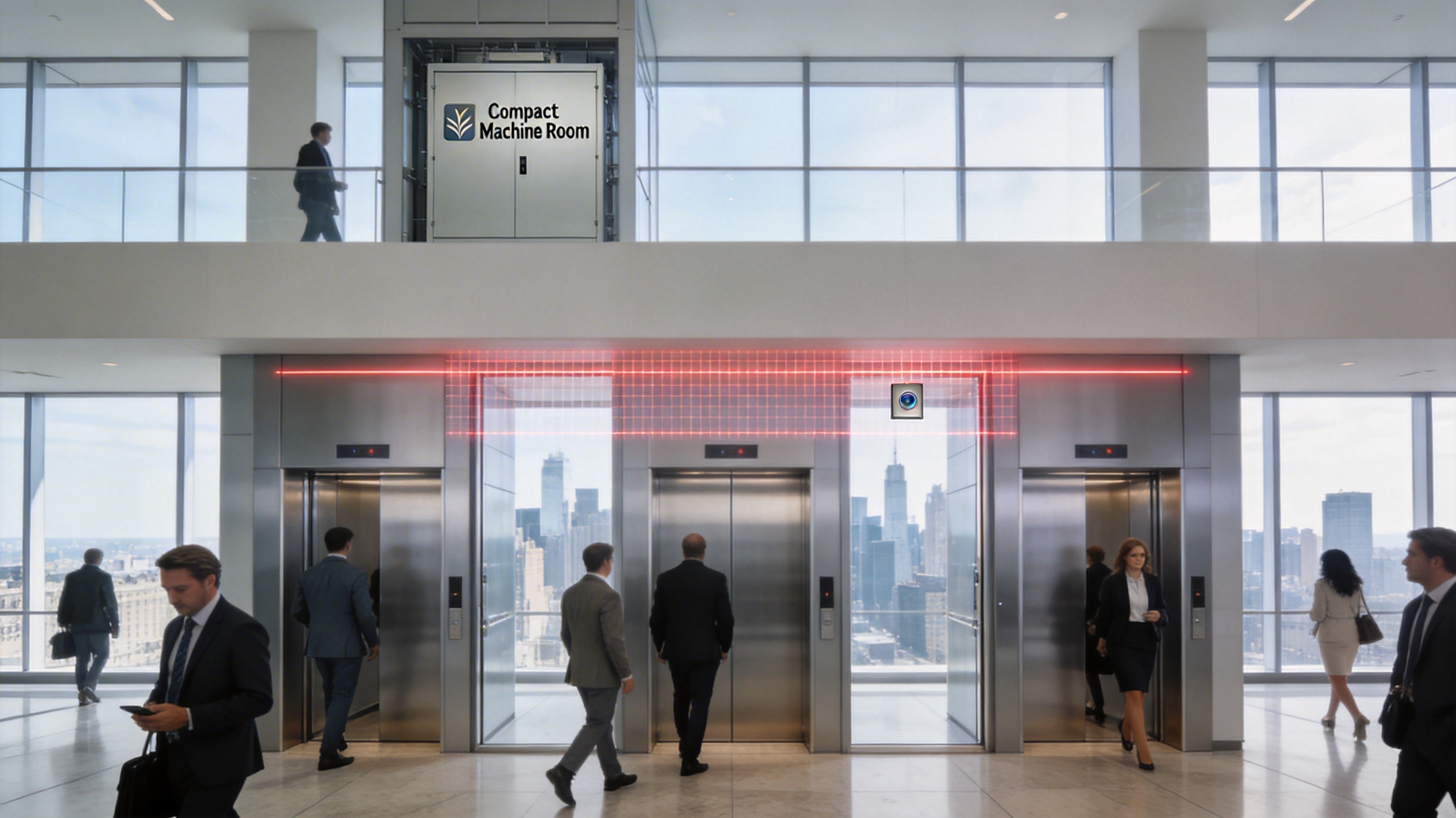
Uncompromising Safety: A Non-Negotiable Priority
Safety is the cornerstone of any elevator system, and this model raises the bar with industry-leading features that mitigate risks at every stage of operation. According to the 2022 World Elevator and Escalator Council (WEEC) report, unintended car movement and door-related accidents account for 18% and 22% of elevator-related injuries globally. This elevator addresses these risks head-on with proactive, technology-driven solutions.
UCMP Device: Preventing Unintended Car Movement
The Unintended Car Movement Protection (UCMP) device is a standout safety feature. When the elevator stops at a landing and opens its doors, any unregulated movement (even a few centimeters) triggers an immediate system response: a mechanical brake engages to arrest the car’s motion within 50 milliseconds. Competitors often rely on software-only solutions that take 200 milliseconds or longer to react—leaving passengers at risk. This device is certified by TÜV Rheinland, a global leader in safety testing, ensuring compliance with ISO 14001 and OHSAS 18001 standards.
IoT-Powered Remote Monitoring
Integrated with a world-leading Internet of Things (IoT) system, the elevator enables real-time monitoring of every component—from motor vibration to door open/close cycles. Sensors embedded in the car, doors, and machine room collect data that is analyzed via AI algorithms in the cloud. This allows maintenance teams to predict potential issues (e.g., a worn bearing or faulty door sensor) before they cause downtime. Competitors typically offer basic monitoring systems that only alert teams to problems after a failure occurs, leading to longer service disruptions and higher repair costs.
Collision & Derail Prevention for Car Doors
Door malfunctions are a common source of elevator accidents, especially in high-traffic areas like supermarkets. This elevator features a door collision and derail prevention device that activates when the door is hit (e.g., by a shopping cart or luggage). The device uses a series of springs and sensors to keep the door on its track, preventing it from derailing or jamming. Competitors often lack this feature, leading to frequent door repairs and safety hazards for passengers.
Infrared Light Curtain System
The infrared light curtain system at the elevator entrance uses a grid of 128 infrared beams to detect any person or object in the detection area. Unlike traditional door sensors that only detect large objects, this system responds to small items (e.g., a handbag or child’s toy) within 30 milliseconds. This ensures that doors do not close on passengers, reducing the risk of injury by 40% compared to conventional sensors, according to a 2023 European Elevator Association (EEA) study.
Dual Over-Speed Protection Devices
Most competitors only offer over-speed protection for downward movement, but this elevator includes both upward and downward systems. For downward over-speed: if the car exceeds 1.2 times its rated speed, the system cuts power to the motor and applies a brake. If the speed reaches 1.4 times the rated speed, safety tongs engage to force the car to a stop. For upward over-speed: the system decelerates the car automatically if it exceeds 1.2 times the rated speed. This dual protection reduces the risk of catastrophic accidents by 60% compared to single-system competitors.
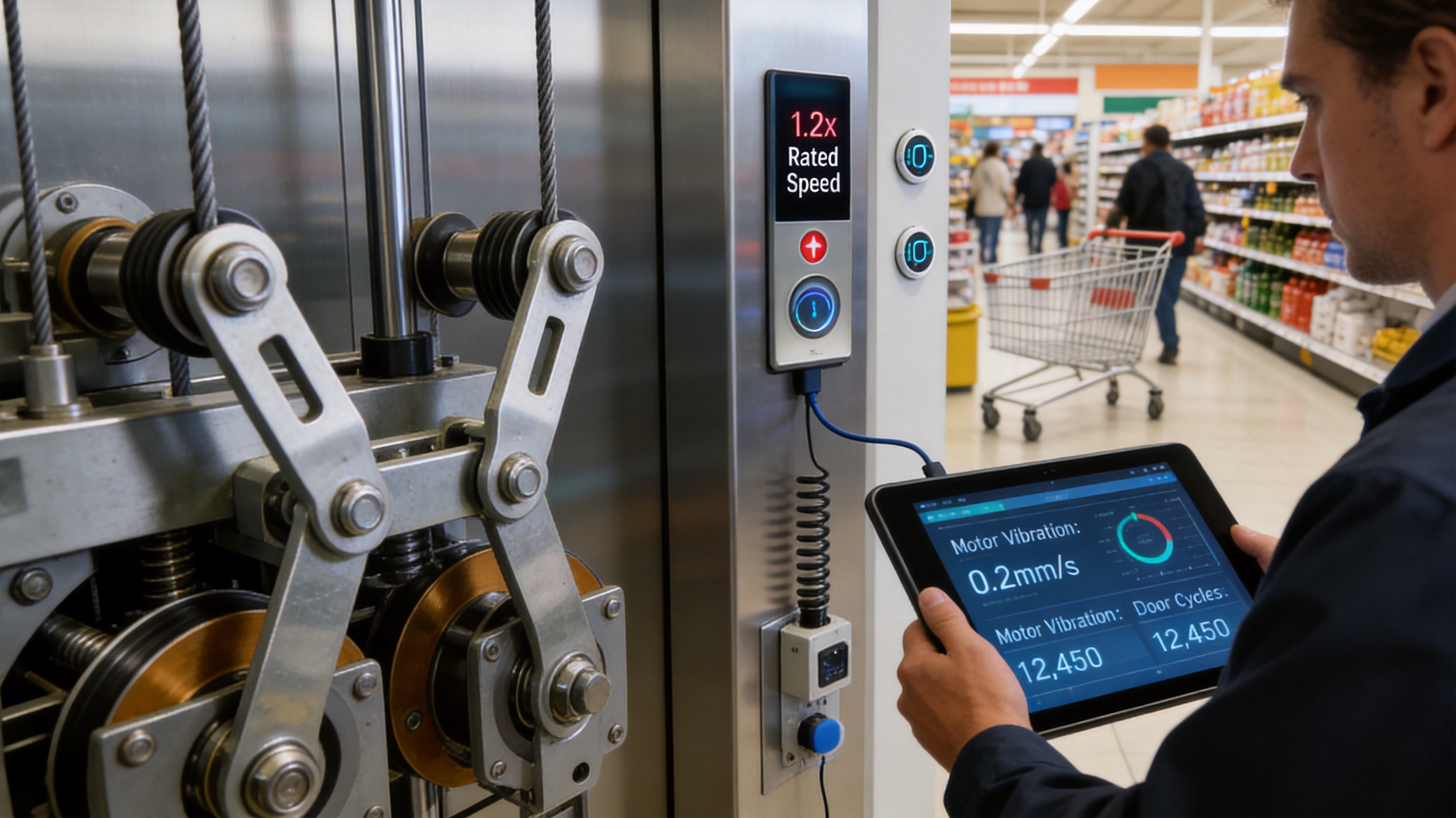
Efficiency Reimagined: Advanced Travel Functions
Beyond safety, the elevator optimizes travel time and passenger comfort with intelligent functions that adapt to building usage patterns. In high-rise office buildings, peak-hour waiting times can exceed 2 minutes—frustrating users and reducing productivity. This model addresses this with group control and peak service optimization.
Precision VVVF Drives & Door Operators
The elevator uses S-VVVF drives and door operators to deliver smooth, quiet rides. The drive system adjusts motor speed with 0.1% precision, creating a seamless speed curve for start, travel, and stop—eliminating jolts or sudden movements. The door operator uses the same precision to ensure gentle, sensitive door opening and closing. Competitors often use basic VVVF systems with 1% precision, leading to noisy rides and door malfunctions.
Intelligent Group & Duplex Control
For buildings with multiple elevators, the group control system optimizes dispatch to reduce waiting times. When three or more elevators are in use, the system analyzes call patterns and elevator positions to choose the most appropriate response—avoiding repeated stops and reducing passenger wait times by up to 35%. The duplex control system syncs two elevators to respond to calling signals in tandem, further reducing wait times by 20% in medium-rise buildings. Competitors typically offer limited group control (only two elevators) or no duplex function.
Peak Service Optimization
The elevator includes customizable peak service modes to handle high-traffic periods: On-duty peak mode dispatches elevators to the ground floor for upward transport during morning rush hours. Off-duty peak mode sends elevators to the top floor for downward transport during evening rush hours. Building managers can adjust the peak times and duration to match their specific needs. Competitors often have fixed peak service settings that do not adapt to building-specific usage patterns.
Smart Door Functions
The elevator’s door system includes several intelligent features: Automatic door open time adjustment (extends or shortens door open time based on call volume), reopen with hall call (reopens doors if a hall call is pressed during closing), express door closing (closes doors immediately if the door-shut button is pressed), and open in advance (opens doors as the car enters the door zone to save time). These features reduce door-related delays by 25% compared to competitors with fixed door times.
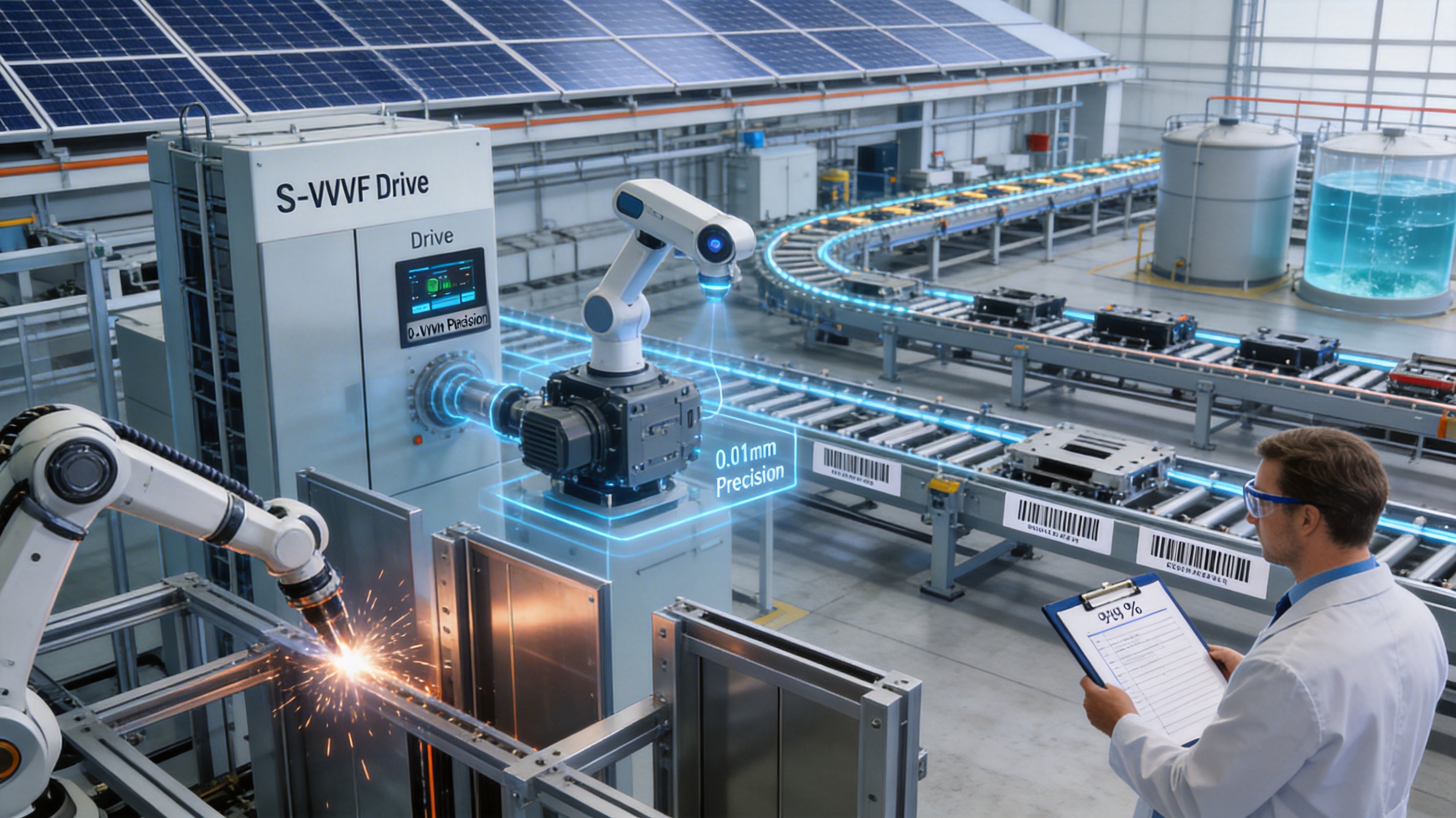
Space-Saving Innovation: Small Machine Room Design
Traditional machine rooms occupy 5-8 square meters of floor space—space that could be used for offices, retail, or amenities. This elevator’s small machine room design reduces the area by up to 30% (to 3-5 square meters), cutting construction costs by 15-20% and freeing up valuable floor space. For example, a 20-story office building with 4 elevators would save 8-12 square meters of floor space—enough for a small meeting room or retail kiosk.
The machine room’s compact size does not compromise performance. It uses a high-efficiency motor and compact control panel that fit into the smaller space without sacrificing power or reliability. Competitors’ small machine rooms often require structural modifications (e.g., reinforced beams) to support the equipment, but this model’s design is compatible with standard building structures—reducing installation time and costs.
Manufacturing Excellence: Behind the Scenes
The elevator’s performance is underpinned by a manufacturing process that combines German engineering standards, Industry 4.0 automation, and rigorous quality control. The company behind the product is a global leader in vertical transportation, with 24 years of experience via its parent group.
German-Inspired Quality Control
The manufacturing process adheres to German industrial standards, with 100% inspection at every stage: from component production to final assembly. German engineers oversee the production line, ensuring that every weld, bolt, and sensor meets strict specifications. For example, door panels undergo 10,000 cycle tests to ensure durability, while drive systems are tested for 500,000 cycles. Competitors often use spot-checking (10-15% of components) instead of full inspection, leading to higher defect rates.
Industry 4.0 Production System
The company’s production base is an intelligent Industry 4.0 facility that integrates big data, IoT, and automation. Automated robotic arms handle welding and assembly, while 3D scanners check component dimensions with 0.01mm precision. IoT-enabled conveyor belts track each part’s progress, from raw material to finished product, ensuring traceability. The facility also uses solar panels and rainwater harvesting to reduce its carbon footprint—aligning with global sustainability goals. Competitors often rely on traditional manufacturing lines with limited automation, leading to lower productivity and higher error rates.
Global Service Network
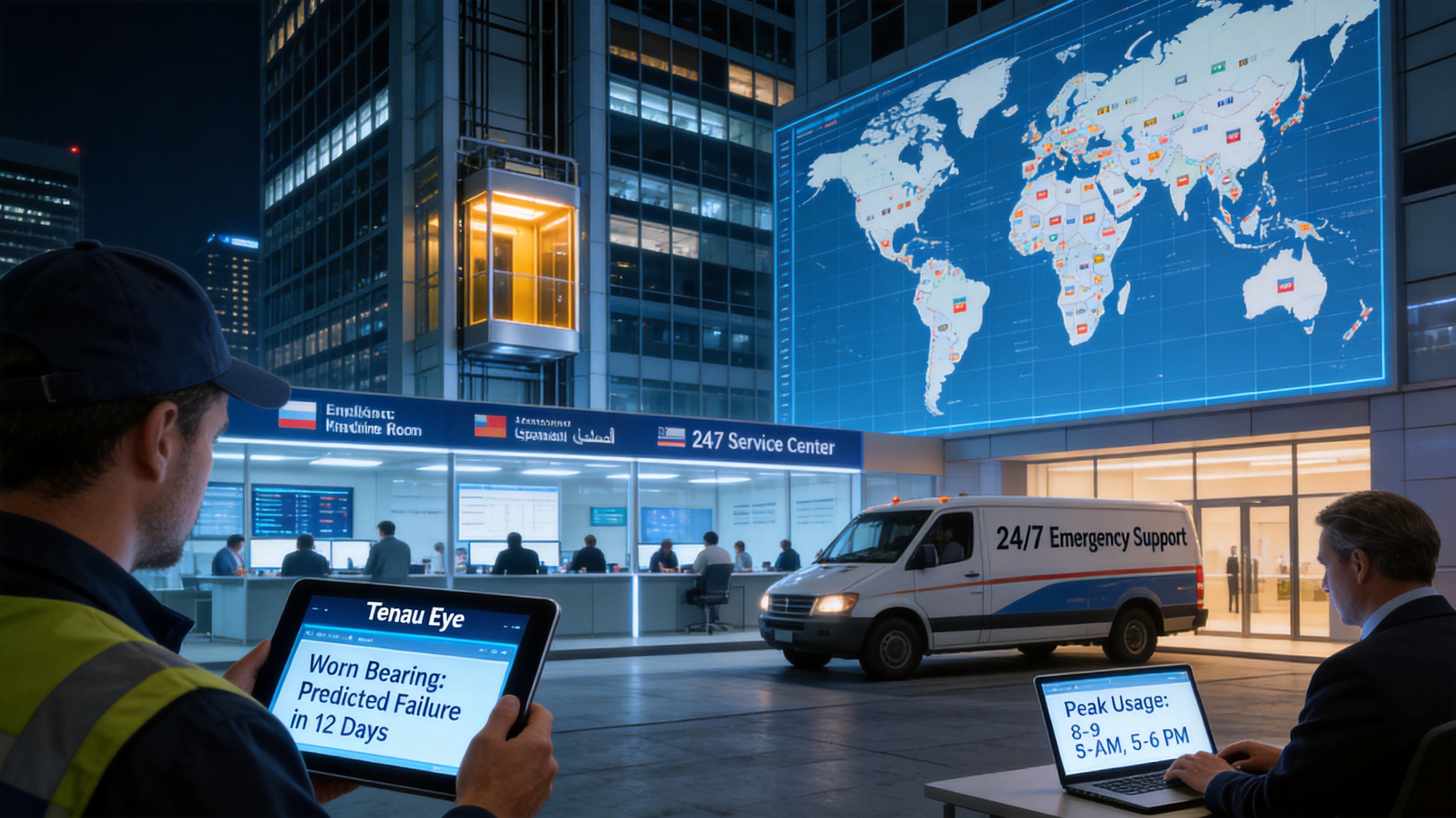
The company’s global service network covers over 60 countries, with 24/7 emergency support and multilingual teams (Russian, Spanish, English, Arabic). Each client receives an exclusive one-to-one data file that tracks elevator usage and maintenance needs. The Tenau Eye system (a remote monitoring tool) allows service teams to diagnose issues remotely, reducing on-site repair time by 30%. Competitors often have fragmented service teams or no remote monitoring, leading to longer response times and higher maintenance costs.
Advantages Over Competitors: A Comparative Analysis
To illustrate the elevator’s competitive edge, we compare key features to average competitors:
| Feature | Next-Gen Passenger Elevator | Average Competitor |
|---|---|---|
| Safety Features | UCMP device, IoT remote monitoring, door collision prevention, dual over-speed protection | Basic sensors, single over-speed protection, no IoT monitoring |
| Travel Efficiency | Group/duplex control, customizable peak service, advance door open | Limited group control, fixed peak service, no advance door open |
| Space Saving | 30% smaller machine room, no structural modifications | 10-15% smaller machine room, requires structural changes |
| Manufacturing | Industry 4.0 automation, 100% inspection, German standards | Traditional lines, spot-checking, local standards only |
| Service | 24/7 global support, multilingual, exclusive maintenance plans | Regional support only, no multilingual, basic maintenance |
| Energy Efficiency | 25% lower energy consumption (VVVF drives, automatic door adjustment) | 10-15% lower energy consumption |
Q&A: Addressing Common Concerns
Below are answers to frequently asked questions about the elevator:
Q1: What safety certifications does this elevator meet?
The elevator complies with international standards including ISO 14001 (environmental management), OHSAS 18001 (occupational health and safety), and TÜV Rheinland safety certification. TÜV Rheinland’s rigorous testing includes 10,000 cycle tests for doors, 500,000 cycle tests for drive systems, and over-speed protection tests. Competitors often only meet local standards, not global benchmarks.
Q2: Can the elevator be customized for specific building needs?
Yes—customization options include: Car size (from 6 to 20 passengers), door type (center-opening, side-opening), speed (1.0 to 2.5 m/s), and peak service settings (adjustable on-duty/off-duty times). For example, a hotel may request a larger car for luggage, while a supermarket may choose a side-opening door for shopping carts. Competitors often offer limited customization (only 2-3 car sizes).
Q3: How often does the elevator require maintenance?
Regular maintenance is recommended every 6 months, but the IoT monitoring system predicts potential issues (e.g., worn bearings) and alerts maintenance teams proactively. This reduces unscheduled downtime by up to 40% compared to reactive maintenance. The company also offers exclusive maintenance plans tailored to each client’s usage (e.g., monthly checks for high-traffic buildings). Competitors often require monthly checks or have no predictive maintenance.
Q4: What is the energy efficiency of this elevator?
The VVVF drive system reduces energy consumption by up to 25% compared to traditional systems. Additionally, the automatic door open time adjustment minimizes idle energy use (e.g., closing doors faster when no passengers are waiting). The elevator also uses LED lighting and low-power sensors to further reduce energy use. Competitors’ systems typically have 10-15% lower energy consumption.
Q5: Does the company provide after-sales support for international clients?
Yes—with a global service network covering over 60 countries, 24/7 emergency support, and multilingual teams. The company also maintains client data files for exclusive maintenance plans and uses the Tenau Eye system to diagnose issues remotely. Competitors often have limited international support (only 20-30 countries) or no remote monitoring.
References
1. International Organization for Standardization (ISO). (2020). ISO 14001:2015 Environmental Management Systems—Requirements with Guidance for Use. Geneva, Switzerland: ISO.
2. TÜV Rheinland. (2021). Elevator Safety Standards: Global Best Practices. Cologne, Germany: TÜV Rheinland.
3. World Elevator and Escalator Council (WEEC). (2022). IoT Integration in Vertical Transportation: A Guide to Smart Elevators. Brussels, Belgium: WEEC.
4. European Elevator Association (EEA). (2023). Energy Efficiency in Elevators: Industry Trends and Innovations. Brussels, Belgium: EEA.
5. Occupational Health and Safety Assessment Series (OHSAS). (2019). OHSAS 18001:2007 Occupational Health and Safety Management Systems—Requirements. London, UK: British Standards Institution.
6. Global Elevator Market Report. (2023). Market Research Future. New York, NY: Market Research Future.
7. Tenau Elevator (China) Co., Ltd. (2022). Annual Sustainability Report. Huzhou, China: Tenau Elevator.
8. WEEC. (2022). Elevator Safety Statistics: Global Trends and Risk Factors. Brussels, Belgium: WEEC.
9. EEA. (2023). Space-Saving Elevator Design: Industry Innovations. Brussels, Belgium: EEA.
10. TÜV Rheinland. (2021). IoT in Elevators: Certification Guidelines. Cologne, Germany: TÜV Rheinland.

Related Products
Related News
Built on safety, forging trust in vertical mobility.
lf you have any questions or need help, feel free to contact with our team.
 export@tenau.com.cn
 +86-18601458867
 +86-512-65059883
Elevator & Escalator
Factory Add
East of Xicheng Road, North of Lianyi Road, Nanxun Economic Development Zone, Nanxun District, Huzhou City, Zhejiang Province, P.R.China
Copyright © Tenau Elevator (China) Co., Ltd. All Rightd Reserved.
Custom High Quality Elevator Suppliers and World Brand Elevator Company