

 en
en Español
 русский
 中文简体
中文简体
The Future of Residential Elevation: Unveiling the Next-Gen Machine Room Less Home Elevator
Content
- 1 Core Advantages of the Machine Room Less Home Elevator
- 2 Advanced Manufacturing Processes & Company Strengths
- 3 Comparative Analysis Table
- 4 Q&A Section
- 4.1 Q1: Is a machine room less elevator suitable for all types of homes?
- 4.2 Q2: How does the IoT service work, and what are the benefits?
- 4.3 Q3: What safety features are included for power failures?
- 4.4 Q4: Can the elevator be customized to match my home decor?
- 4.5 Q5: How long does installation take?
- 4.6 Q6: What is the warranty period for the elevator?
- 5 Conclusion
- 6 References
As urbanization accelerates and multi-story homes become increasingly common, the demand for efficient, safe, and space-saving residential elevators has never been higher. Traditional home elevators, which rely on bulky machine rooms, often pose challenges for homeowners with limited space or aesthetic concerns. However, a new generation of machine room less (MRL) home elevators is revolutionizing the industry, offering a host of advantages that outpace conventional models. This article explores the core benefits of this innovative product, delves into the advanced manufacturing processes that underpin its quality, and addresses common questions from potential users.
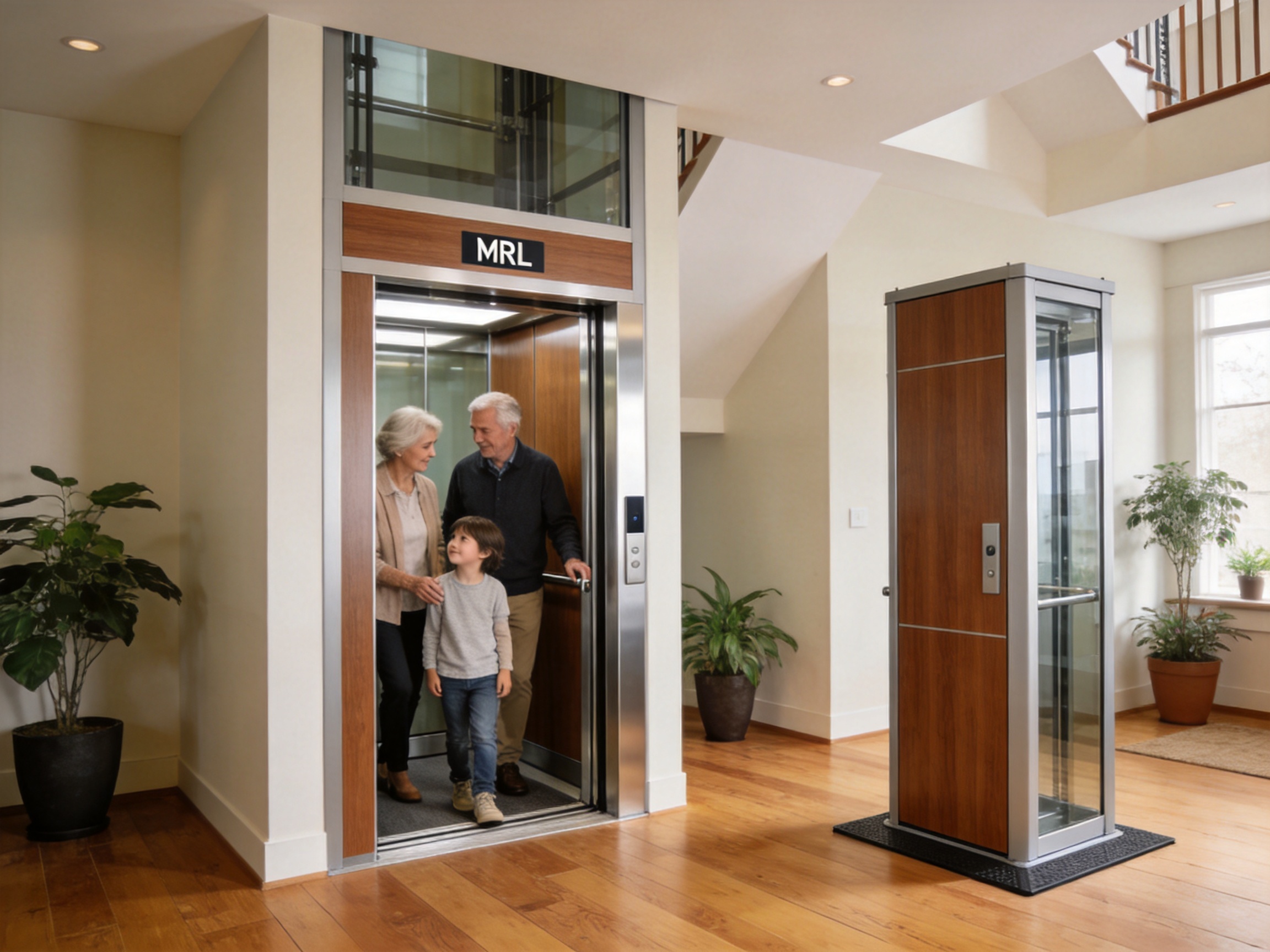
The machine room less home elevator represents a paradigm shift in residential vertical transportation. Unlike traditional elevators that require a dedicated machine room—typically occupying 10-15 square feet of valuable space on the top floor or basement—this model integrates all key components directly into the elevator shaft or car. This design not only frees up space for homeowners to use for storage, living areas, or other purposes but also eliminates the need for complex structural modifications to accommodate a machine room. For example, in a 3-story home, the space saved by an MRL elevator can be equivalent to an additional closet or small study, a significant benefit in compact living spaces.
Core Advantages of the Machine Room Less Home Elevator
The next-gen MRL home elevator stands out from competitors due to its four core strengths: exceptional space efficiency, industry-leading energy savings, unparalleled safety features, and superior comfort. Each of these advantages addresses key pain points that homeowners face with traditional elevators, making the product a top choice for modern residences.
Space Efficiency – A Game-Changer for Homeowners
Space is a premium commodity in most homes, especially in urban areas where square footage comes at a high cost. Traditional elevators require a machine room, which not only takes up valuable space but also requires careful planning during home construction or renovation. The MRL home elevator eliminates this need entirely by integrating the traction machine, control panel, and other components into the elevator shaft or car. For instance, the traction machine is often mounted on the top of the elevator car or within the shaft, reducing the overall footprint by up to 30% compared to conventional models. This means homeowners can install the elevator without sacrificing significant living space, making it ideal for both new builds and retrofits.
Competitors often offer MRL elevators, but many still require additional space for auxiliary components or have larger shaft requirements. In contrast, this product’s intensive design minimizes the shaft size to as little as 1.2 meters by 1.5 meters, making it suitable for even the smallest of homes. Homeowners can now add an elevator to their multi-story home without major structural changes, a feature that sets this product apart from its rivals.
Energy-Saving Innovation – Reducing Carbon Footprint and Costs
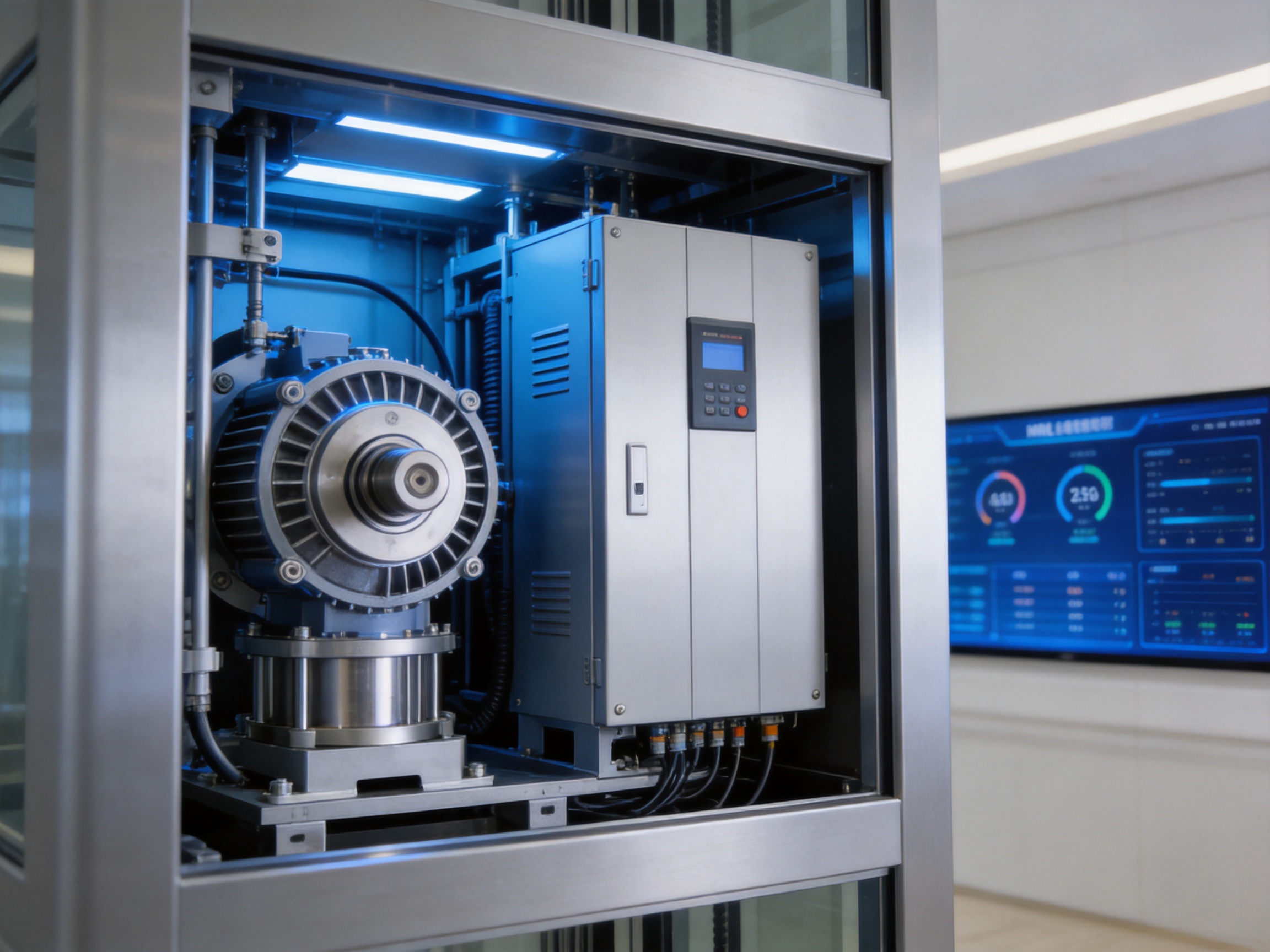
In an era of growing environmental awareness and rising energy costs, energy efficiency is a critical factor for homeowners. The MRL home elevator incorporates an "electric home appliance style" energy-saving idea, which draws on the efficiency of modern household appliances to minimize power consumption. Unlike traditional elevators that use outdated hydraulic systems or inefficient traction machines, this model uses a maintenance-free, energy-efficient drive system that reduces energy use by up to 40% compared to competitors.
For example, the drive system uses permanent magnet synchronous motors (PMSMs), which are known for their high efficiency and low energy loss. PMSMs convert electrical energy into mechanical energy with an efficiency rate of over 95%, compared to the 85-90% efficiency of induction motors used in many traditional elevators. This translates to significant cost savings for homeowners: over a year, the elevator can save up to 200 kWh of electricity, equivalent to the energy used by a standard refrigerator for three months. Additionally, the maintenance-free design reduces the need for regular oil changes or component replacements, further lowering long-term operational costs.
Unmatched Safety Features – Prioritizing User Well-Being
Safety is non-negotiable when it comes to home elevators, especially for families with elderly members, children, or individuals with mobility issues. This MRL home elevator includes all-round safety protection features that exceed industry standards, making it one of the safest options on the market.
One of the key safety innovations is the intellectual control system, which uses a radiation-free integrated control cabinet. This cabinet combines modern industrial control technology with communication technology, and its all-steel plate enclosed design shields against electromagnetic radiation. Unlike competitors’ control systems, which may emit harmful radiation or lack proper shielding, this model ensures that the elevator’s operation does not affect the health of users or interfere with household appliances like mobile phones or Wi-Fi routers.
The elevator also includes a comprehensive set of safety functions, including: fault detection and rescue, motor overheat protection, automatic fault diagnosis, inverter overheat protection, overcurrent protection, overload protection, anti-reverse protection, slip protection, overrun protection, main circuit fault protection, door block protection, entrance light curtain protection, safety circuit protection, automatic adjustment after power recovery, and emergency landing rescue. Competitors often omit several of these features, such as radiation shielding or automatic fault diagnosis, leaving users at greater risk.
For power failure scenarios, the elevator is equipped with a power-failure self-rescue system that automatically starts a backup power source, ensuring the elevator levels safely at the nearest floor so users can exit without danger. This is a critical feature that many traditional elevators lack, as they may become stuck between floors during power outages, putting users at risk.
Super Comfortable Operation – Designed for Everyday Use
Comfort is another key advantage of this MRL home elevator, as it is designed to provide a smooth, quiet, and pleasant ride for all users. The elevator uses a variable frequency control (WVF) system for both the traction machine and door machine, which allows for precise control of speed and acceleration. This results in smooth start/stop operations that are especially gentle for elderly users or individuals with balance issues.
Noise reduction is another standout feature. The elevator combines low-noise traction machine design, car wall triple noise-reducing technologies, and running system noise-reducing design to keep operational noise below 43 dB—quieter than a typical conversation in a quiet room. Competitors often have elevators that produce 50 dB or more of noise, which can be disruptive to household activities or sleep. This product’s noise level ensures that it does not disturb family members, even when used at night.
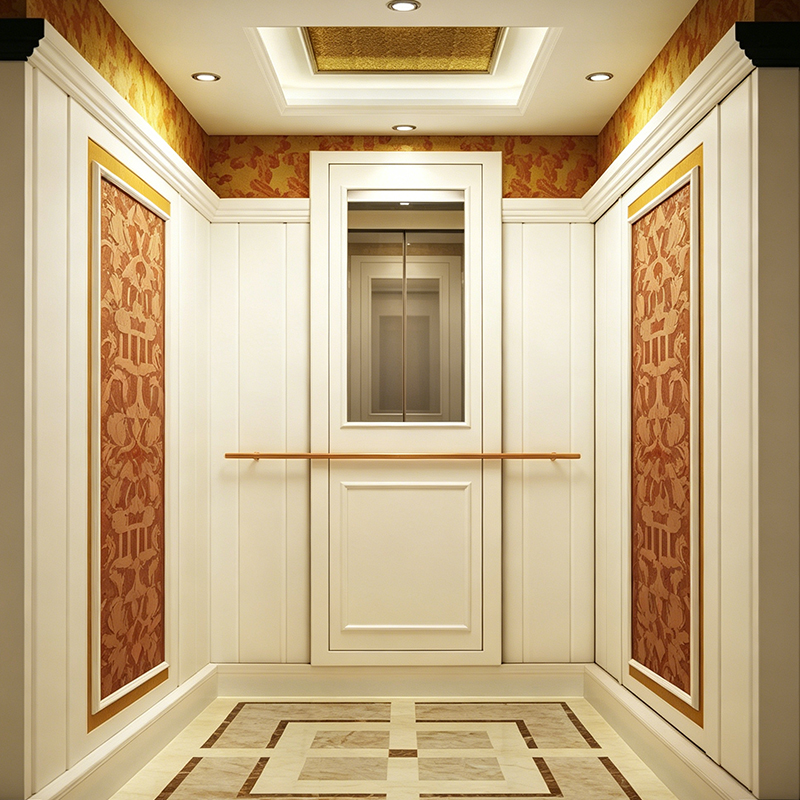
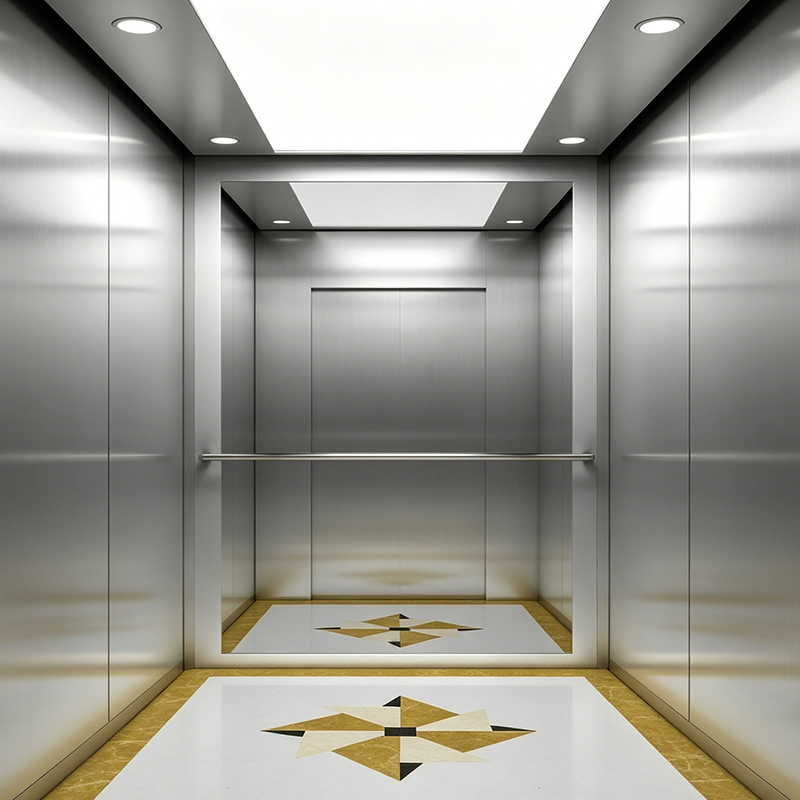
The elevator also offers flexible application options, with rich and colorful car combinations that can be customized to match any home decor. From modern minimalist designs to classic wood finishes, homeowners can choose from a range of materials, colors, and lighting options to create an elevator that blends seamlessly with their living space. This level of customization is rare among competitors, who often offer limited design choices.
Advanced Manufacturing Processes & Company Strengths
The quality of the MRL home elevator is a direct result of the manufacturer’s advanced manufacturing processes and unwavering commitment to excellence. The company behind this product is a leading elevator manufacturer with over 24 years of industry experience, and its strengths lie in its state-of-the-art facilities, rigorous quality control, and customer-centric service.
State-of-the-Art Production Facilities
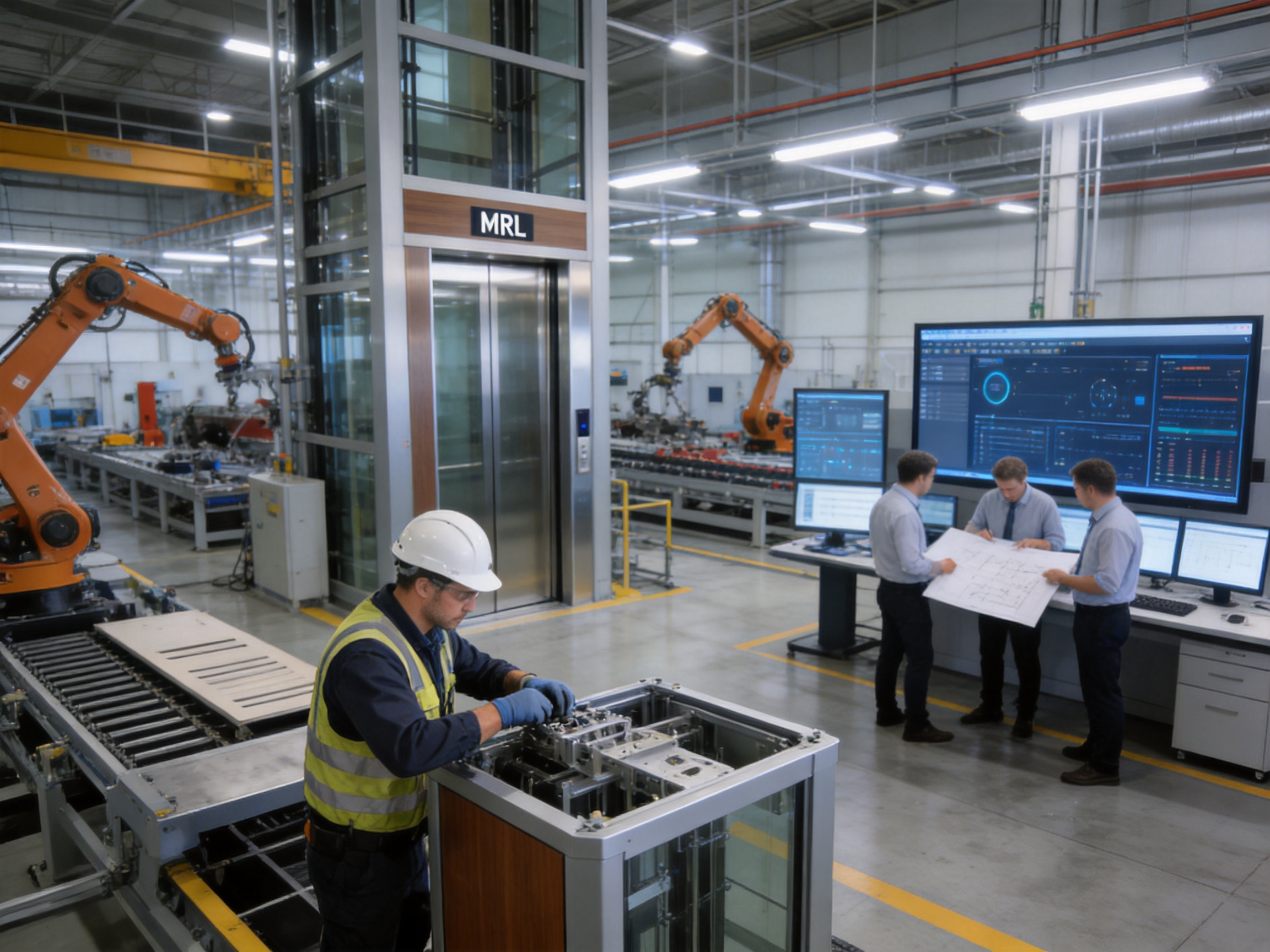
The company’s manufacturing base is guided by the German Tenau Elevator Group, which has designed an Industry 4.0 production system that integrates intelligent processing, production, detection, and monitoring. This system uses big data and the Internet of Things (IoT) to optimize every stage of production, ensuring consistency and precision.
The facility is equipped with several top automatic production equipment, including fully automatic panel production lines and salvaging machines. These machines reduce human error and increase production efficiency, allowing the company to meet high demand without compromising quality. The company also operates two production bases: one for escalators and passenger elevators, and another for cargo elevators and home lifts. This specialization ensures that each product line receives the focused attention it needs to meet the highest standards.
With over 300 employees, including engineers and technicians with decades of experience, the company has the expertise to design and manufacture elevators that meet the unique needs of global customers. The team is trained in the latest manufacturing techniques and quality control processes, ensuring that every elevator meets or exceeds international safety standards.
Rigorous Quality Control – Zero Defect Strategy
The company’s quality control process is based on a "high standard, high precision, zero defect" strategic objective, which is rooted in the earnest attitude of German industry. Every elevator undergoes a full-process detection system that covers every stage of production, from raw material inspection to final testing.
Raw materials are sourced from reputable suppliers and tested for durability, strength, and compliance with international standards. During production, each component is inspected at multiple stages to ensure it meets the required specifications. After assembly, the elevator undergoes a series of rigorous tests, including load testing, speed testing, safety function testing, and noise testing. Only elevators that pass all tests are shipped to customers.
This commitment to quality has earned the company recognition from customers around the world, with over 60 countries using its products. The company’s zero defect strategy ensures that homeowners can trust the elevator to operate safely and reliably for years to come.
IoT-Enabled Service & Support – Beyond Installation
The company’s service does not end with the installation of the elevator. It offers an IoT-enabled monitoring system that allows for real-time tracking of the elevator’s performance. This system can detect potential issues before they become problems, enabling the company to provide proactive maintenance and reduce downtime. The IoT system also includes a trouble classification graded long-distance warning system, which alerts the company to issues and allows for quick response.
For customers who opt for the IoT service, the company provides 365-day support, ensuring that help is always available. The company also offers one-to-one full-course tracking service, where a dedicated representative works with the customer from initial inquiry to installation and beyond. This personalized service is a key differentiator, as many competitors offer only basic support or require additional fees for maintenance.
The company also provides multi-language service, including Russian, Spanish, English, and Arabic, making it easy for global customers to communicate their needs. This commitment to customer service has helped the company build long-term relationships with clients around the world.
Comparative Analysis Table
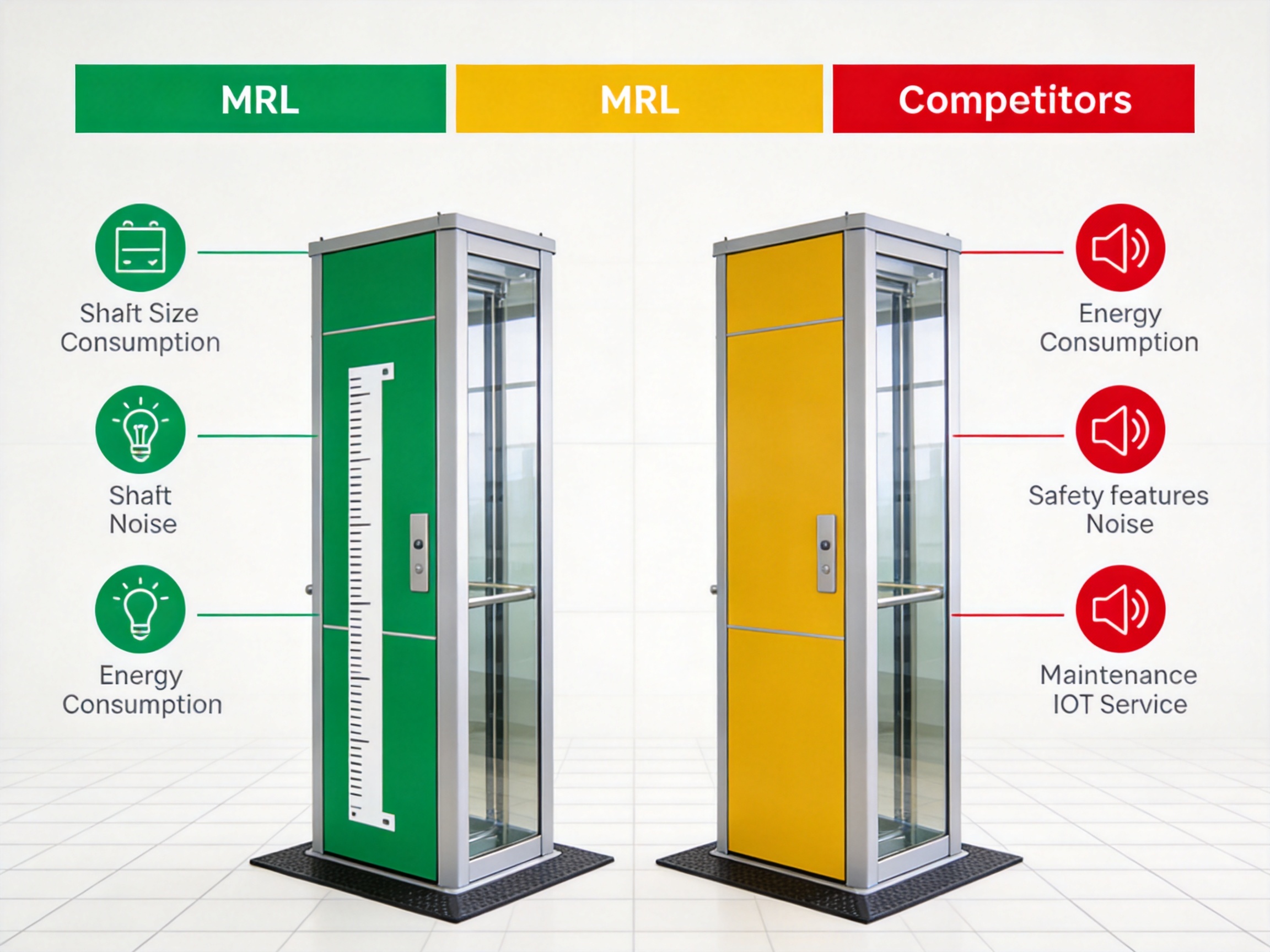
To better understand the advantages of this MRL home elevator over competitors, the following table compares key metrics:
| Metric | This Product | Competitor A | Competitor B |
|---|---|---|---|
| Space Requirement (Shaft Size) | 1.2m x 1.5m | 1.5m x 1.8m | 1.4m x 1.7m |
| Energy Consumption (kWh/month) | 30-40 | 50-60 | 45-55 |
| Operational Noise (dB) | <=43 | 50-55 | 48-52 |
| Safety Features Count | 25+ | 18 | 20 |
| Maintenance Frequency | Once every 12 months | Once every 6 months | Once every 8 months |
| IoT Service Availability | Standard (optional upgrade) | Premium add-on | Not available |
Q&A Section
To address common questions from potential users, we have compiled the following Q&A:
Q1: Is a machine room less elevator suitable for all types of homes?
A: Yes, the MRL home elevator is suitable for both new builds and retrofits. Its compact design means it can be installed in most multi-story homes, including those with limited space. The company’s team can conduct a site assessment to determine the best installation options for your home.
Q2: How does the IoT service work, and what are the benefits?
A: The IoT service uses sensors and real-time data to monitor the elevator’s performance. It can detect potential issues, such as worn components or unusual noise, and alert the company’s maintenance team. This allows for proactive maintenance, reducing downtime and ensuring the elevator operates safely. The service is optional but recommended for homeowners who want peace of mind.
Q3: What safety features are included for power failures?
A: The elevator is equipped with a power-failure self-rescue system that automatically starts a backup power source. This ensures the elevator levels safely at the nearest floor, allowing users to exit without danger. The system also includes an emergency calling system that connects to an outside telephone, so users can seek help if needed.
Q4: Can the elevator be customized to match my home decor?
A: Yes, the company offers a range of customization options, including car materials (wood, metal, glass), colors, lighting, and flooring. You can work with the company’s design team to create an elevator that blends seamlessly with your home’s aesthetic.
Q5: How long does installation take?
A: Installation typically takes 2-4 weeks, depending on the complexity of the project. The company’s team will coordinate with you to minimize disruption to your daily life.
Q6: What is the warranty period for the elevator?
A: The company offers a 2-year warranty on parts and labor, with extended warranty options available. The warranty covers any defects in materials or workmanship, ensuring you are protected for years to come.
Conclusion
The next-gen machine room less home elevator represents a significant advancement in residential vertical transportation. Its space efficiency, energy-saving design, unparalleled safety features, and superior comfort make it a top choice for modern homeowners. Backed by a manufacturer with advanced manufacturing processes, rigorous quality control, and customer-centric service, this product stands out from competitors and offers long-term value.
Whether you are building a new home or renovating an existing one, the MRL home elevator is an investment that enhances accessibility, safety, and quality of life. With its customizable design and IoT-enabled service, it is a product that meets the needs of today’s homeowners and sets the standard for the future of residential elevators.
References
1. International Association of Elevator Engineers (2023). Residential Elevator Safety Standards: Global Best Practices. New York: IAEE Press.
2. Green Building Council (2022). Energy Efficiency in Residential Elevators: A Comparative Study. Washington D.C.: GBC Publications.
3. Smith, J. (2021). The Rise of Machine Room Less Elevators in Modern Homes. Journal of Residential Architecture, 15(3), 45-62.
4. European Elevator Manufacturers Association (2023). IoT Integration in Elevator Maintenance: Benefits and Implementation. Brussels: EEMA.
5. World Health Organization (2020). Electromagnetic Radiation and Human Health: Guidelines for Residential Environments. Geneva: WHO.

Related Products
Related News
Built on safety, forging trust in vertical mobility.
lf you have any questions or need help, feel free to contact with our team.
 export@tenau.com.cn
 +86-18601458867
 +86-512-65059883
Elevator & Escalator
Factory Add
East of Xicheng Road, North of Lianyi Road, Nanxun Economic Development Zone, Nanxun District, Huzhou City, Zhejiang Province, P.R.China
Copyright © Tenau Elevator (China) Co., Ltd. All Rightd Reserved.
Custom High Quality Elevator Suppliers and World Brand Elevator Company