

 en
en Español
 русский
 中文简体
中文简体
White Elevator Hoistway Frame for Clean, Durable, and Precise Lift Openings
Content
- 1 Understanding the Role of an Elevator Hoistway Frame
- 2 Design Value of the White Finish
- 3 Product Advantages Compared with Common Alternatives
- 4 Precision Manufacturing and Process Strength
- 5 Material and Surface Quality Considerations
- 6 Integration with Passenger Elevators
- 7 Application in Panoramic and Observation Elevators
- 8 Application in Hospital Elevators
- 9 Application in Home Villa Elevators
- 10 Application in Cargo and Car Elevators
- 11 Application in High-Speed Elevator Projects
- 12 Installation Benefits and Project Efficiency
- 13 Quality Control from Design to Delivery
- 14 Environmental and Safety Management Strength
- 15 Why Manufacturer Capability Matters
- 16 Aesthetic Coordination with Cabin Interiors and Elevator Parts
- 17 Long-Term Maintenance and User Perception
- 18 Suitability for International Projects
- 19 Recommended Project Scenarios
- 20 Procurement Considerations
- 21 Q&A Section
- 21.1 What is the main purpose of the White Elevator Hoistway Frame?
- 21.2 Why choose a white finish for an elevator hoistway frame?
- 21.3 How does this product differ from basic hoistway frames?
- 21.4 Can the frame be used with different types of elevators?
- 21.5 Why is manufacturing capability important for a hoistway frame?
- 21.6 What strengths does the manufacturer provide?
- 21.7 Is the White Elevator Hoistway Frame suitable for hospitals?
- 21.8 Is it suitable for home villa elevators?
- 21.9 How does the product support project efficiency?
- 21.10 What should buyers confirm before ordering?
- 22 Conclusion
- 23 References
- 24 Product: White
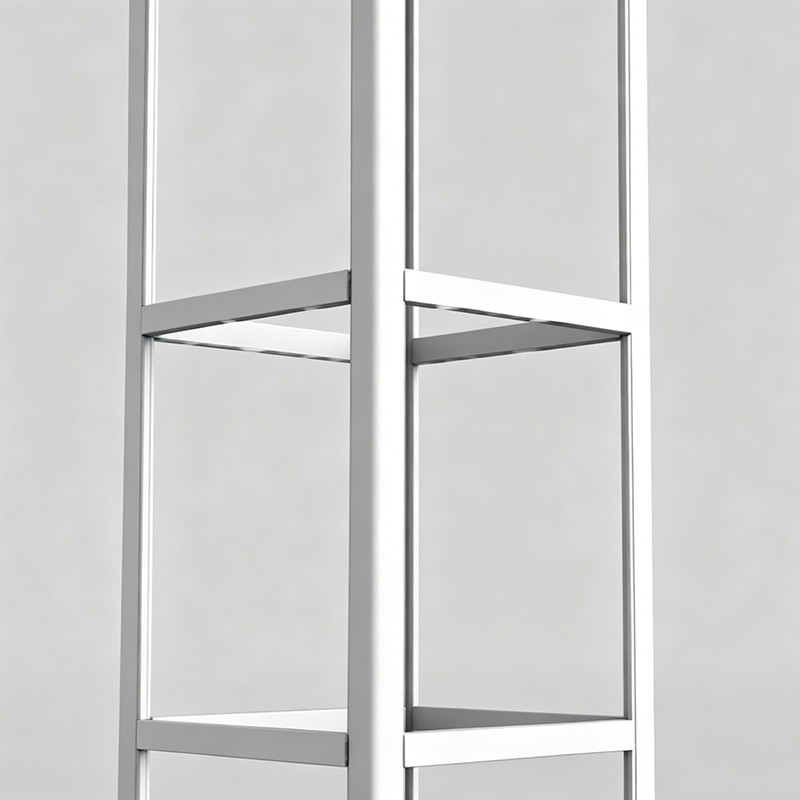
In modern elevator projects, the hoistway frame is often viewed as a supporting component, yet it has a direct influence on appearance, durability, installation accuracy, and long-term user confidence. The White Elevator Hoistway Frame is designed for buildings that require a clean architectural finish, dependable structural coordination, and a professional elevator entrance appearance. As a visible and functional part of the elevator opening, it helps connect the shaft, landing entrance, door system, wall finish, and cabin experience into one coordinated solution.
This product is especially suitable for passenger elevators, panoramic and observation elevators, hospital elevators, home villa elevators, cargo elevators, car elevators, high-speed elevators, and other lift systems where the landing entrance must be neat, durable, and compatible with the wider elevator design. Its white finish supports a bright, hygienic, and modern visual effect, making it appropriate for commercial buildings, residential developments, medical facilities, hotels, shopping centers, public transportation facilities, villas, and mixed-use projects.
The White Elevator Hoistway Frame is not only an aesthetic element. It is also a precision-manufactured interface between the building and the elevator system. A high-quality hoistway frame can reduce installation irregularities, protect the landing opening, improve the perceived value of the elevator, and help maintain a clean, ordered appearance over years of service. Compared with low-grade or poorly finished alternatives, a well-engineered frame offers better dimensional stability, improved coating consistency, stronger edge protection, and more reliable compatibility with elevator entrance assemblies.
Tenau Elevator (China) Co., Ltd. provides this product as part of a comprehensive elevator component and complete elevator solution portfolio. The company integrates design, research and development, manufacturing, marketing, installation support, and after-sales service. With a manufacturing base in Nanxun, Zhejiang Province, within the Shanghai-Nanjing-Suzhou-Hangzhou economic circle, the company is positioned to support domestic and international elevator projects with efficient production, technical coordination, and export experience.
White
Understanding the Role of an Elevator Hoistway Frame
An elevator hoistway frame surrounds and defines the landing opening where passengers or goods enter and exit the elevator. It must align with the elevator door system, accommodate wall finishes, and maintain a consistent appearance across multiple floors. In many projects, especially high-rise buildings or public facilities, dozens or even hundreds of landing entrances may be installed. Any inconsistency in frame dimensions, coating tone, corner finish, or installation tolerance can become visible and costly.
The frame functions as a transition between the civil construction environment and the engineered elevator system. Civil construction often contains unavoidable deviations in wall flatness, opening size, and surface finish. The hoistway frame helps create a controlled, finished perimeter that supports a clean entrance installation. This is why material strength, manufacturing accuracy, and surface finishing quality are important. A weak or poorly formed frame can deform, chip, corrode, or create alignment problems with the elevator doors.
The White Elevator Hoistway Frame is developed to address these practical requirements. It provides a refined visual border, helps protect the landing edge, and supports the overall appearance of the elevator entrance. Its white surface is especially valued in environments where brightness, cleanliness, and visual simplicity are important. Medical buildings, modern apartments, office towers, and villa projects often choose white or light-colored entrance elements because they make interior spaces feel more open and hygienic.
Beyond the visual effect, the product must also perform under daily use. Elevator landings experience frequent passenger movement, cleaning operations, equipment handling, and occasional impacts from luggage, carts, hospital beds, or maintenance tools. A strong hoistway frame with a durable surface finish can better resist normal wear and preserve the professional appearance of the entrance.
Design Value of the White Finish
White is a practical and architectural color choice. It is neutral, adaptable, and compatible with many interior design schemes. In residential buildings, it can blend with painted walls, stone finishes, ceramic tiles, and minimalist corridors. In hospitals, it supports a clean and calm atmosphere. In hotels and office buildings, it can provide a refined background that emphasizes lighting, signage, and elevator door materials.
The white finish also offers a strong advantage when multiple building areas require consistency. A building may include public lobbies, service corridors, residential floors, basement parking levels, and utility zones. The White Elevator Hoistway Frame can be used to maintain a unified elevator entrance appearance, or it can be combined with different door panels and cabin interiors to suit different functional areas.
Compared with darker frames, a white frame can make narrow corridors appear wider and more illuminated. It reflects ambient light and reduces the visual heaviness of the elevator entrance. This is beneficial in residential towers, hospitals, care facilities, and smaller villa elevator halls where the available space may be limited. When paired with stainless steel doors, glass observation elevator systems, or clean cabin interiors, the white hoistway frame creates a balanced and contemporary impression.
In competitive elevator component markets, many frames are judged only by price. However, low-cost products may use inconsistent coatings, rough corners, uneven bending, or weak packaging. These issues can lead to visible defects after installation. A carefully produced white frame must control color uniformity, coating adhesion, surface smoothness, and edge quality. These characteristics are essential because white surfaces reveal imperfections more easily than darker finishes. For this reason, manufacturing discipline is especially important.
Product Advantages Compared with Common Alternatives
The White Elevator Hoistway Frame offers several advantages over generic or low-standard hoistway frame products. These advantages are related to precision, appearance, durability, compatibility, and manufacturing control. In elevator projects, these advantages can reduce site adjustments, lower maintenance concerns, and improve the final acceptance of the entrance system.
First, the product emphasizes dimensional accuracy. Accurate forming and consistent sizing help installers align the frame with elevator doors and landing walls. When a frame is dimensionally unstable, installers may need additional corrections on site, increasing labor time and creating risk of uneven gaps. A precision-made frame contributes to smoother installation and a more professional final result.
Second, the surface finish is designed to be clean and uniform. White finishes demand careful preparation because scratches, stains, coating waves, and dust particles are more visible. By controlling coating quality and surface treatment, the frame can provide a brighter and more reliable appearance. This is particularly important for premium buildings, hospitals, hotels, and villa projects where visual details affect user perception.
Third, the frame supports broad elevator application compatibility. It can be integrated into passenger elevators, home villa elevators, hospital elevators, cargo elevators, car elevators, panoramic elevators, and high-speed elevator entrances, depending on project configuration. This adaptability helps project teams maintain a consistent supplier relationship across different elevator categories.
Fourth, the product benefits from the manufacturing capabilities of a company that produces complete elevator systems, not only isolated parts. A manufacturer with complete elevator knowledge understands the relationship among doors, cabins, guide systems, hoistways, controls, installation conditions, and safety expectations. This system-level understanding improves component design and reduces the risk of mismatch.
Fifth, the product is supported by professional production management and quality control. Tenau Elevator (China) Co., Ltd. applies advanced manufacturing concepts, automated production lines, big data, Internet of Things technology, and closed-loop quality control. These capabilities help ensure consistent production and traceability, which are important for international projects and long-term cooperation.
| Feature | Value for the Project | Advantage Over Basic Alternatives |
|---|---|---|
| White surface finish | Creates a clean, bright, and modern entrance appearance | Better visual adaptability and stronger hygiene impression than many rough or dark finishes |
| Precision forming | Supports accurate installation and consistent landing openings | Reduces adjustment work caused by uneven or distorted frames |
| Durable construction | Helps protect elevator landing edges during daily use | Improves service life compared with weak or easily damaged components |
| System compatibility | Can coordinate with different elevator categories and entrance designs | Offers better integration than parts made without elevator system knowledge |
| Controlled manufacturing | Improves consistency across multiple floors and projects | Reduces color variation, dimensional deviation, and finish defects |
| Professional quality management | Supports reliable delivery, inspection, and project acceptance | Provides stronger assurance than informal or low-traceability production |
Precision Manufacturing and Process Strength
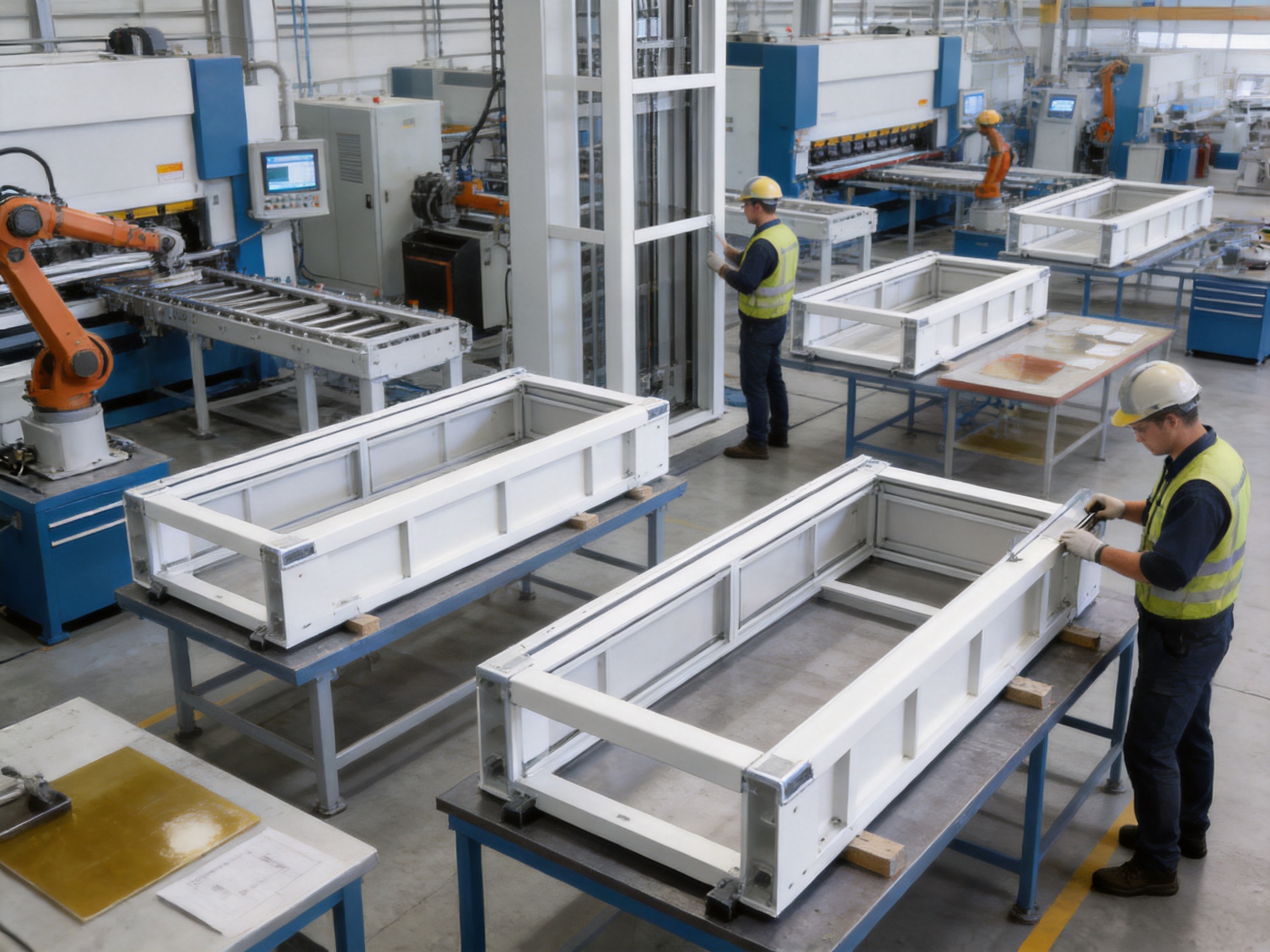
A hoistway frame appears simple, but producing it well requires controlled processes. Cutting, bending, forming, welding or joining, surface preparation, coating, inspection, packaging, and delivery all affect the final result. If any step is poorly controlled, the product may show dimensional deviation, uneven corners, coating flaws, or installation complications.
Tenau Elevator (China) Co., Ltd. originates from Germany and operates as a professional comprehensive elevator manufacturer. The company combines design, research and development, manufacturing, marketing, installation, and after-sales service. This integrated structure allows component products such as the White Elevator Hoistway Frame to benefit from complete elevator engineering experience. Rather than treating the frame as a simple decorative part, the company can consider how it interacts with the elevator entrance, shaft, cabin, and building environment.
The company uses advanced manufacturing systems inspired by German Industry 4.0 concepts. Automated production lines improve repeatability and reduce human error in key manufacturing stages. Big data and Internet of Things technology support production monitoring, process optimization, and quality traceability. Closed-loop quality control helps detect and correct problems before they become repeated defects.
This process strength is especially important when supplying projects with many floors. In a high-rise residential tower, the same frame type may be repeated across numerous landings. In a hospital, frames may be required for passenger elevators, bed elevators, and service elevators. In a commercial complex, different building zones may require different elevator types but consistent finishing standards. Controlled manufacturing helps maintain uniform quality across all units.
Quality systems also matter. The company complies with ISO9001, ISO14001, and OHSMS18001 standards, reflecting attention to quality management, environmental management, and occupational health and safety management. For international clients, these systems provide additional confidence that production is not only capable but also organized, documented, and continuously improved.
Material and Surface Quality Considerations
The performance of a hoistway frame depends heavily on material selection and surface treatment. The material must provide adequate strength and stability while allowing accurate forming. It should resist deformation during transport, installation, and normal operation near the elevator entrance. The surface finish must adhere well, resist ordinary cleaning conditions, and retain a neat appearance over time.
White surfaces require disciplined surface preparation. Before coating, the substrate should be clean and properly treated to support adhesion. Any oil, dust, oxidation, or unevenness can affect the final appearance. After coating, the surface must be checked for uniform color, proper coverage, edge consistency, and visible defects. Packaging must then protect the finish from scratches during handling and shipment.
Compared with basic frames that may be painted with limited preparation, the White Elevator Hoistway Frame is positioned as a more refined entrance solution. The goal is not only to provide a white color but to deliver a consistent, project-ready component that supports the overall elevator installation. This is important because elevator entrances are highly visible. Passengers may not inspect the machinery room or controller cabinet, but they see and touch the landing entrance every day.
In healthcare and public buildings, the surface should also be easy to clean. White frames make dirt or stains visible, which can help facility managers maintain cleanliness. At the same time, the finish should withstand normal cleaning routines without premature deterioration. In residential and villa projects, the surface should preserve its appearance despite daily family use, movement of furniture, cleaning equipment, and occasional contact.
Integration with Passenger Elevators
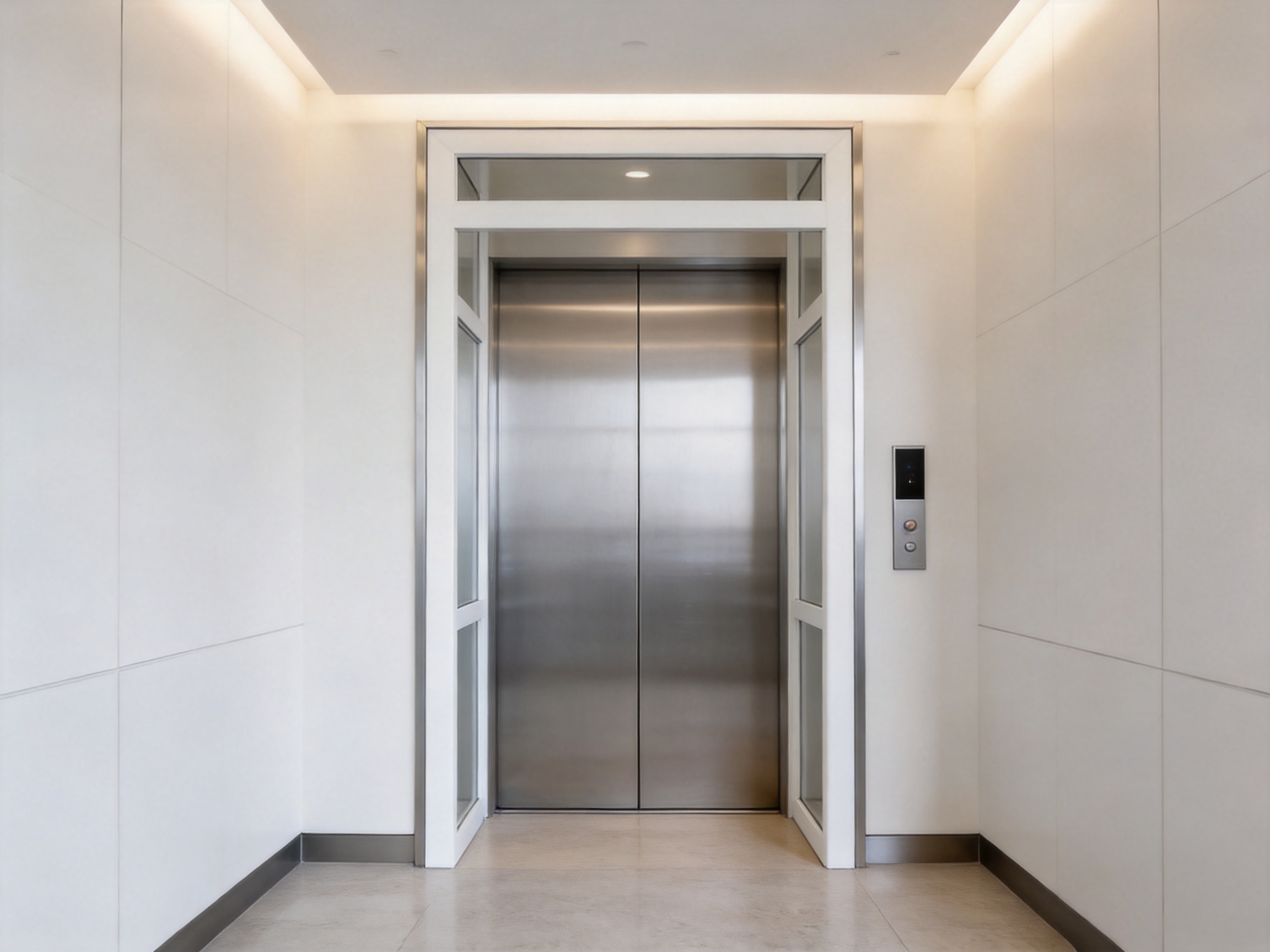
Passenger elevators require reliable and attractive entrance systems because they are used frequently and influence the image of the entire building. The White Elevator Hoistway Frame can enhance passenger elevator entrances by providing a clean border around the landing door. In apartment buildings, office towers, hotels, and shopping centers, this contributes to a refined and welcoming atmosphere.
For passenger elevators, consistency across floors is crucial. If the frame color or alignment changes from floor to floor, users may perceive the building as poorly finished. A precision-manufactured white frame supports a uniform appearance and helps the elevator system feel integrated with the building interior. It can also coordinate with modern cabin interiors, stainless steel door panels, glass elements, and simple corridor designs.
Tenau Elevator (China) Co., Ltd. has experience in passenger elevator solutions, which helps ensure that the frame is considered in relation to the entire entrance assembly. Passenger elevator entrances must balance appearance, safety, durability, and efficient installation. A frame produced by an elevator system manufacturer is more likely to reflect these combined priorities.
Application in Panoramic and Observation Elevators
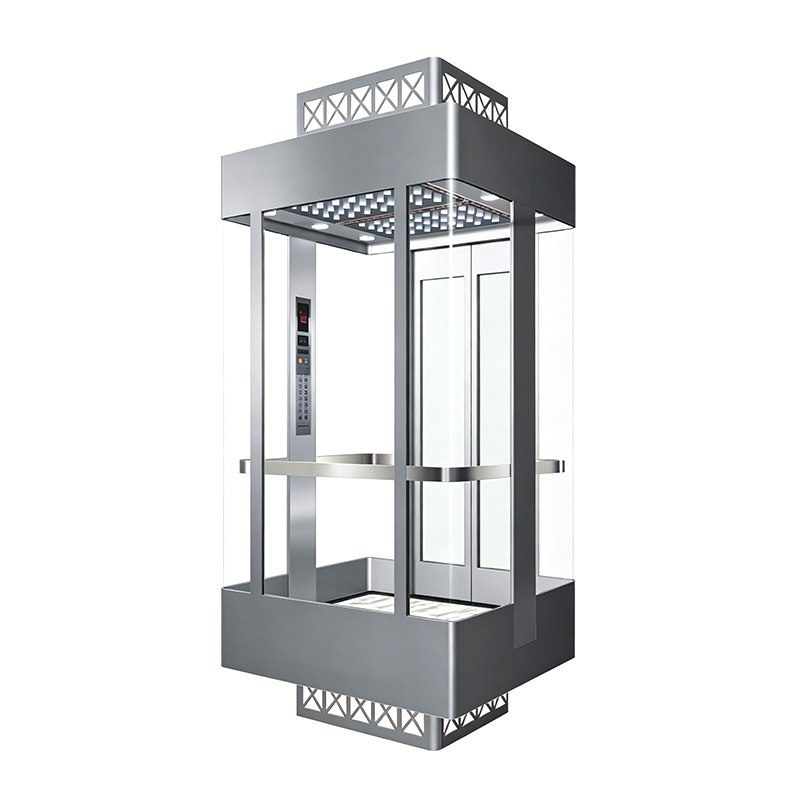
Panoramic and observation elevators often serve buildings where visual experience is a major selling point. These elevators may be installed in hotels, shopping malls, scenic facilities, office atriums, and public buildings. Because observation elevators emphasize transparency and architectural beauty, every visible component must be carefully selected.
The White Elevator Hoistway Frame is suitable for panoramic elevator projects that require a bright and minimal appearance. Its white finish can complement glass hoistways, transparent cabins, metal trims, and illuminated public spaces. Rather than competing with the view or glass structure, the frame can provide a clean visual boundary that supports the overall design.
In observation elevator environments, poor surface quality is especially noticeable because passengers are already paying attention to visual details. A rough or inconsistent frame could reduce the perceived quality of the installation. The White Elevator Hoistway Frame helps avoid this problem by emphasizing a neat finish and controlled manufacturing.
Application in Hospital Elevators
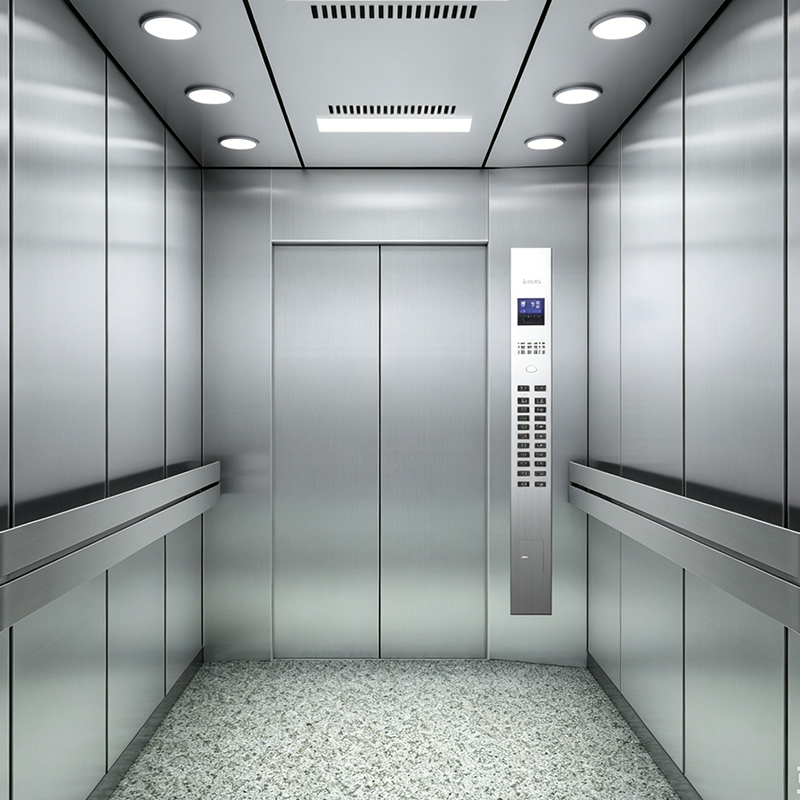
Hospitals require elevator components that support hygiene, reliability, accessibility, and calm design. Elevator entrances must accommodate patients, medical staff, visitors, wheelchairs, stretchers, hospital beds, and service carts. The hoistway frame must therefore combine a clean appearance with practical durability.
The white finish is particularly suitable for healthcare environments because it aligns with common hospital design principles. White and light colors communicate cleanliness, visibility, and order. They also make it easier for cleaning personnel to identify marks or contamination. In hospital corridors, a bright elevator entrance can help create a calmer and more navigable environment for patients and visitors.
Hospital elevators often operate continuously and serve critical traffic flows. While the hoistway frame is not the drive system or control system, it still contributes to entrance durability and user confidence. A damaged or poorly finished frame can create a negative impression and increase maintenance needs. A well-made white frame supports the hospital’s requirement for dependable, easy-to-maintain infrastructure.
Application in Home Villa Elevators
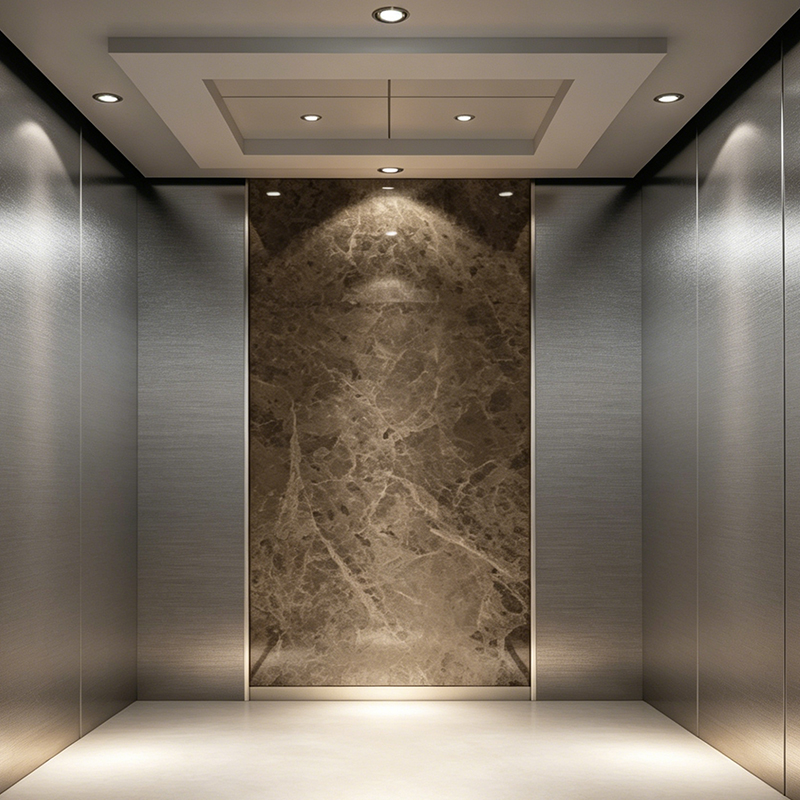
Home villa elevators are increasingly popular in private residences, luxury homes, and small multi-level buildings. In these projects, the elevator is not only a transport device but also part of the interior design. The hoistway frame must match the homeowner’s aesthetic expectations and fit within limited architectural spaces.
The White Elevator Hoistway Frame is well suited to villa elevator applications because it offers a clean and elegant appearance. White can harmonize with modern interiors, natural wood, stone, glass, and soft lighting. It can also make compact elevator halls feel larger and brighter. For homeowners who prefer minimalist design, the white frame provides a subtle, refined finish.
Villa projects often involve customized layouts and closer attention to detail. A frame with accurate dimensions and a smooth finish can reduce installation complications and help achieve a premium result. Because private users interact closely with the elevator every day, small defects are more noticeable. A refined hoistway frame improves satisfaction and supports the overall value of the home elevator system.
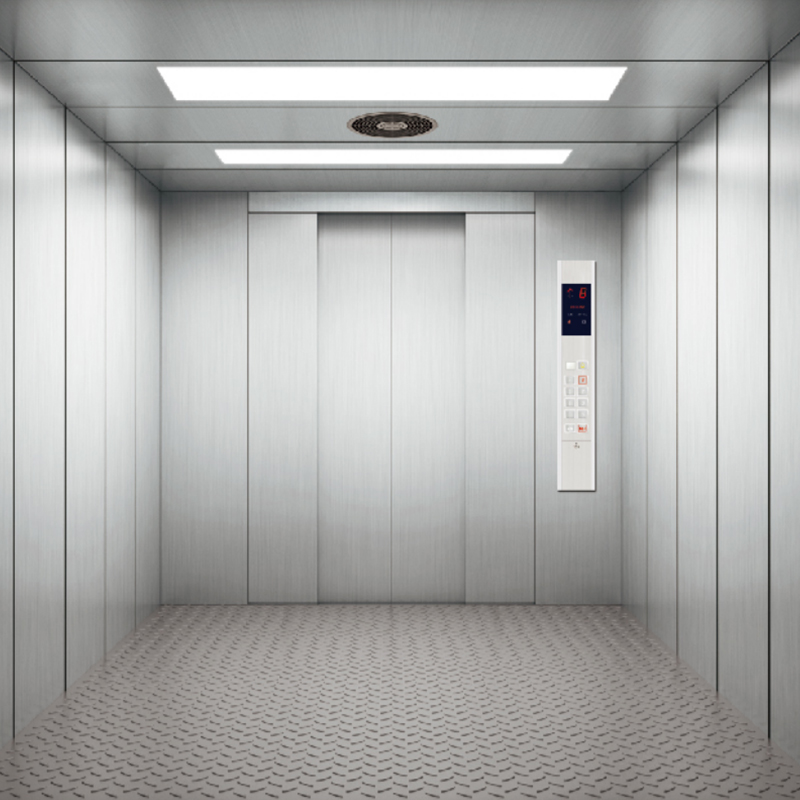
Application in Cargo and Car Elevators
Cargo elevators and car elevators demand robust components because they serve heavier traffic, equipment, goods, vehicles, and industrial or commercial operations. While the visual requirements may differ from those of passenger elevators, entrance protection and durability remain important. A hoistway frame in these environments must help define the opening and withstand more demanding use conditions.
The White Elevator Hoistway Frame can be selected for cargo or car elevator projects where a clean, organized appearance is required in addition to strength. Warehouses, logistics centers, commercial buildings, showrooms, and parking facilities may benefit from entrance frames that are easy to see, easy to clean, and visually consistent. White frames can improve visibility around the entrance, which may support safer movement of goods or vehicles when combined with proper lighting and traffic procedures.
Compared with unfinished or low-grade industrial frames, a well-coated white frame can improve the professional appearance of service areas. This is increasingly important because many modern commercial buildings integrate logistics, parking, retail, and public circulation zones. Back-of-house areas are expected to be efficient but also clean and well managed.
Application in High-Speed Elevator Projects
High-speed elevators are associated with tall buildings, advanced engineering, and premium user expectations. Although the hoistway frame does not determine elevator speed, it forms part of the entrance system that passengers see before entering the cabin. In high-speed elevator projects, all visible components must reflect the quality level of the system.
The White Elevator Hoistway Frame supports high-speed elevator environments by offering a precise and refined entrance finish. High-rise buildings often require repeated installations across many floors, so manufacturing consistency is essential. The frame must align with the door system and corridor finish while maintaining uniform appearance throughout the tower.
Tenau Elevator (China) Co., Ltd. has advanced capabilities in low-speed, medium-speed, high-speed, and ultra-high-speed elevator design, research, and manufacturing. This technical background allows the company to understand the quality expectations of demanding projects. A component supplied by a manufacturer familiar with high-speed elevator requirements can provide better coordination than a generic product supplier with limited system experience.
Installation Benefits and Project Efficiency
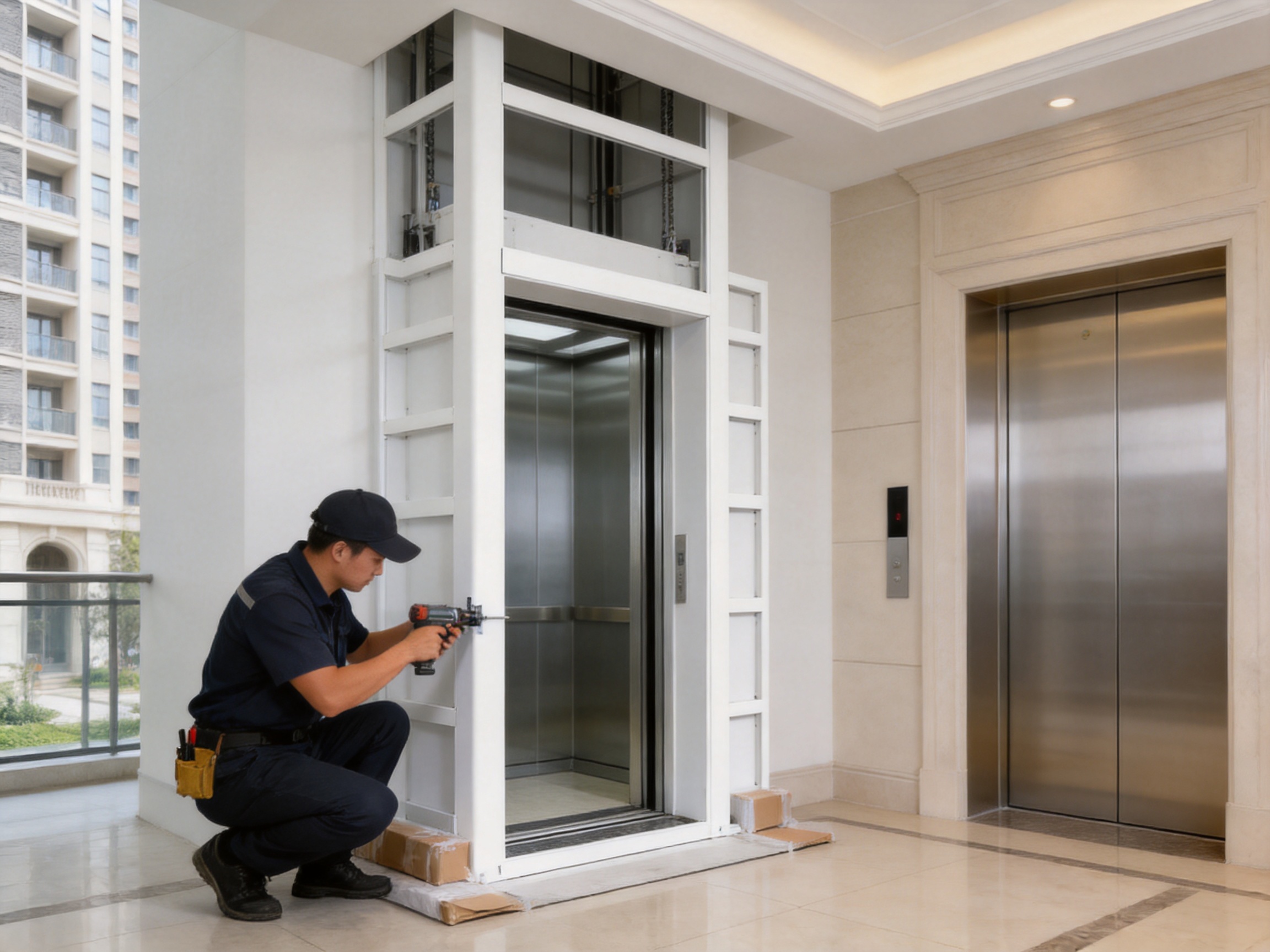
Installation efficiency is a major consideration in elevator projects. Construction schedules are often tight, and elevator installation must coordinate with civil works, electrical systems, decoration teams, safety inspections, and final handover. A hoistway frame that arrives with accurate dimensions and reliable finish quality can help reduce delays.
The White Elevator Hoistway Frame supports installation efficiency by emphasizing consistency. When frames are produced accurately, installers can work more predictably. Consistent components help reduce the need for on-site modification, rework, or special correction. This can be especially valuable in projects with many similar elevator landings.
Packaging and handling also affect installation. A white finish must be protected from scratches, stains, and dents during transport and storage. Professional manufacturing and logistics control help ensure that the frame reaches the project site in good condition. This reduces the risk of replacement requests or cosmetic repair after installation.
For developers and contractors, fewer installation issues mean better cost control. Even small delays can become expensive when they affect multiple floors or project handover dates. Choosing a reliable frame is therefore not only an aesthetic decision but also a project management decision.
Quality Control from Design to Delivery
Quality control begins before production. It starts with design review, material planning, process selection, and compatibility confirmation. For an elevator hoistway frame, the design must account for door system coordination, wall thickness, entrance dimensions, finish requirements, packaging, and installation sequence. Errors in early design can create difficulties later on site.
During production, quality control may include inspection of raw materials, dimensional checks after cutting and forming, surface preparation monitoring, coating inspection, and final appearance review. For white frames, inspectors should pay close attention to color consistency, coating coverage, surface smoothness, and edge condition. Any defect that is minor on a hidden component may become unacceptable on a visible entrance frame.
Tenau Elevator (China) Co., Ltd. emphasizes a full closed-loop quality control system. In such a system, quality data is not merely recorded but used to improve processes. If deviations are detected, production teams can analyze causes and adjust procedures. This approach supports continuous improvement and helps maintain product reliability across batches.
The company’s use of automated production, big data, and IoT technology strengthens this control. Automation improves repeatability, while data systems help identify trends and prevent recurring defects. For international clients, this production discipline is valuable because they need consistent quality even when they cannot supervise every manufacturing stage in person.
Environmental and Safety Management Strength
Modern building projects increasingly require suppliers to demonstrate environmental and safety responsibility. Elevator products and components are not judged only by price and appearance; they are also evaluated in terms of manufacturing responsibility, energy awareness, workplace safety, and long-term sustainability.
Tenau Elevator (China) Co., Ltd. follows ISO14001 environmental management standards and OHSMS18001 occupational health and safety management standards. These systems indicate that the company manages production with attention to environmental protection and worker safety. For customers, this provides additional assurance that products are manufactured under organized and responsible conditions.
The company’s mission includes safety and environmental protection, along with the creation of a more intelligent elevator ecosystem for customers worldwide. This mission is relevant even for components such as hoistway frames. A safe and reliable elevator system depends on many parts working together, and responsible manufacturing supports both product performance and corporate credibility.
Why Manufacturer Capability Matters
When selecting an elevator hoistway frame, buyers may compare several suppliers based on visible appearance and price. However, manufacturer capability can be more important than initial cost. A component that appears inexpensive may become costly if it causes installation delays, fails inspection, shows coating defects, or requires replacement.
A capable manufacturer provides engineering knowledge, production consistency, quality documentation, and export experience. Tenau Elevator (China) Co., Ltd. operates as a comprehensive elevator manufacturer, not only a parts supplier. Its product range includes passenger elevators, freight elevators, escalators, moving walks, and related elevator solutions. This broad experience gives the company a strong understanding of elevator project requirements.
The company has a large-scale manufacturing base, a professional team, numerous intellectual property rights, and exports products to many countries and regions. These strengths support customers who need stable supply, technical communication, and long-term cooperation. For project owners, contractors, distributors, and elevator solution providers, choosing a manufacturer with proven capability reduces procurement risk.
In addition, the company’s location in Nanxun, Zhejiang Province, places it within a major economic and industrial region. This location supports supply chain coordination, logistics access, and manufacturing efficiency. For export customers, professional production and logistics planning are essential to ensure that products arrive on time and meet expected standards.
Aesthetic Coordination with Cabin Interiors and Elevator Parts
The White Elevator Hoistway Frame can be coordinated with elevator parts and cabin interiors to create a unified design language. Elevator design does not stop at the cabin. The landing entrance, door panel, jamb, frame, call button panel, floor indicator, lighting, and corridor finish all contribute to the passenger experience.
When the hoistway frame is white, designers have several options. They can pair it with stainless steel doors for a clean modern contrast, with glass elements for a bright panoramic effect, or with light-colored wall finishes for a seamless minimalist look. In villa elevators, the white frame can coordinate with warm interior materials to create a balanced residential atmosphere. In hospitals, it can match light walls and practical cabin interiors.
Because Tenau Elevator (China) Co., Ltd. also provides elevator parts and cabin interior solutions, customers can seek broader design coordination. This reduces the risk that separately sourced components will clash in color, proportion, or finish quality. A coordinated supply approach is particularly useful for projects that require both technical reliability and strong visual presentation.
Long-Term Maintenance and User Perception
Long-term maintenance is an important factor in elevator component selection. A hoistway frame should remain neat, stable, and serviceable throughout years of operation. While routine cleaning and proper use are always necessary, a better-quality frame can reduce the likelihood of premature cosmetic failure.
White frames require reasonable cleaning practices to maintain their appearance. Facility managers should use suitable cleaning materials and avoid harsh methods that could damage the finish. When properly maintained, a white frame can continue to provide a bright and professional entrance appearance. This is valuable because elevator entrances are among the most frequently seen public elements in a building.
User perception matters. Passengers often judge elevator quality before they enter the cabin. A clean, straight, and well-finished entrance suggests that the elevator system is reliable and well maintained. A scratched, misaligned, or stained frame can create doubt, even if the elevator machinery is functioning correctly. The White Elevator Hoistway Frame therefore contributes to trust and comfort.
In competitive real estate, hospitality, healthcare, and commercial environments, details influence reputation. A refined elevator entrance can support building value, tenant satisfaction, and visitor confidence. This makes the hoistway frame a small but meaningful investment in the overall user experience.
Suitability for International Projects
International elevator projects require products that can meet varied design preferences, building standards, installation practices, and logistics requirements. The White Elevator Hoistway Frame is suitable for global markets because white is a widely accepted architectural color and because the product can support different elevator categories.
Tenau Elevator (China) Co., Ltd. exports products to many countries and regions worldwide. Export experience is important because international customers need clear communication, consistent documentation, protective packaging, and reliable delivery planning. The company’s professional team and manufacturing systems help support these requirements.
For overseas distributors and project partners, a reliable hoistway frame can be part of a larger elevator solution. It can be supplied with passenger elevators, cargo elevators, escalators, moving walks, or elevator parts depending on customer needs. This integrated supply capability helps simplify procurement and improve coordination.
Recommended Project Scenarios
The White Elevator Hoistway Frame is recommended for projects where the elevator entrance must look clean, bright, and professionally finished. It is especially valuable in buildings where visual consistency is important across many floors. These include apartment towers, office buildings, hospitals, hotels, shopping centers, villas, schools, public buildings, parking facilities, and mixed-use developments.
It is also appropriate for renovation projects. Older elevator entrances can make a building look outdated even if the elevator system has been modernized. A clean white frame can refresh the landing appearance and support a brighter corridor environment. In modernization projects, component accuracy and finish quality are important because existing building conditions may be less predictable than new construction.
For premium projects, the frame can be integrated into a broader interior design plan. For practical buildings, it can provide a durable and easy-to-recognize entrance border. For healthcare and public service environments, it can support hygiene-oriented design. For residential projects, it can provide a calm and modern look. This versatility is one of the product’s strongest advantages.
Procurement Considerations
When procuring a White Elevator Hoistway Frame, buyers should evaluate more than color and price. Important considerations include frame dimensions, compatibility with the elevator entrance system, surface finish standard, packaging method, production capacity, quality control process, and supplier experience. Buyers should also consider whether the supplier understands complete elevator systems or only manufactures simple metal components.
It is advisable to confirm project requirements early. These may include elevator type, landing opening size, wall finish, door panel material, architectural color scheme, environmental conditions, and installation sequence. Early coordination helps prevent conflicts between civil construction and elevator installation.
Customers should also consider long-term support. A professional manufacturer can provide technical communication and after-sales service, helping customers resolve questions before and after delivery. Tenau Elevator (China) Co., Ltd. integrates manufacturing and service capabilities, which supports more reliable cooperation for both domestic and international clients.
Q&A Section
What is the main purpose of the White Elevator Hoistway Frame?
The main purpose is to provide a clean, precise, and durable frame around the elevator landing opening. It improves the appearance of the entrance, supports alignment with the elevator door system, and helps protect the surrounding hoistway opening.
Why choose a white finish for an elevator hoistway frame?
A white finish creates a bright, modern, and hygienic appearance. It works well in residential buildings, hospitals, hotels, offices, villas, and public facilities. It can also make corridors and elevator halls appear more spacious and better illuminated.
How does this product differ from basic hoistway frames?
The product emphasizes dimensional accuracy, consistent surface quality, durable construction, and system compatibility. It benefits from professional elevator manufacturing knowledge and controlled production processes, reducing the risks of poor fit, uneven finish, or installation rework.
Can the frame be used with different types of elevators?
Yes. It can be applied to passenger elevators, panoramic and observation elevators, hospital elevators, home villa elevators, cargo elevators, car elevators, and high-speed elevator projects, depending on the design and installation requirements.
Why is manufacturing capability important for a hoistway frame?
Manufacturing capability affects dimensional consistency, coating quality, durability, packaging, and delivery reliability. A frame may seem simple, but poor production can create visible defects and installation problems. Advanced manufacturing helps ensure stable quality.
What strengths does the manufacturer provide?
Tenau Elevator (China) Co., Ltd. provides integrated design, research and development, manufacturing, marketing, installation support, and after-sales service. The company uses advanced production systems, automated lines, big data, IoT technology, and closed-loop quality control. It also complies with ISO9001, ISO14001, and OHSMS18001 standards.
Is the White Elevator Hoistway Frame suitable for hospitals?
Yes. Its white finish supports a clean and calm healthcare environment. It is suitable for areas used by patients, staff, visitors, wheelchairs, beds, and service carts, provided that the final project configuration meets the required hospital elevator specifications.
Is it suitable for home villa elevators?
Yes. The frame is well suited to villa elevators because it offers a refined, minimalist appearance and can coordinate with modern residential interiors. It helps compact elevator areas look brighter and more elegant.
How does the product support project efficiency?
Accurate manufacturing and consistent dimensions can reduce installation adjustment and rework. Reliable surface finishing and protective packaging can also reduce damage-related delays during project delivery and installation.
What should buyers confirm before ordering?
Buyers should confirm elevator type, landing opening size, door system compatibility, wall finish, project design requirements, quantity, packaging needs, and delivery schedule. Early technical coordination helps ensure a smooth installation process.
Conclusion
The White Elevator Hoistway Frame is a practical and visually refined solution for modern elevator entrances. It combines clean aesthetics, functional protection, installation support, and broad application compatibility. Its white finish makes it suitable for projects that value brightness, hygiene, simplicity, and architectural coordination.
Compared with basic alternatives, the product offers stronger value through precision manufacturing, better surface consistency, system-level elevator knowledge, and professional quality management. It is suitable for passenger elevators, panoramic elevators, hospital elevators, home villa elevators, cargo elevators, car elevators, and high-speed elevator applications. Whether used in new construction or modernization, it can improve the appearance and reliability of the elevator landing entrance.
The product is supported by the manufacturing strength of Tenau Elevator (China) Co., Ltd., a comprehensive elevator manufacturer with advanced design, research, production, and service capabilities. The company’s use of German Industry 4.0 intelligent manufacturing concepts, automated production lines, big data, IoT technology, and closed-loop quality control supports reliable product quality. Its compliance with ISO9001, ISO14001, and OHSMS18001 further demonstrates organized management and responsible production.
For building owners, developers, contractors, distributors, and elevator solution providers, selecting a high-quality hoistway frame is a smart investment in both appearance and project performance. The White Elevator Hoistway Frame delivers a clean visual identity, dependable manufacturing quality, and adaptable use across many elevator environments, helping create elevator entrances that remain professional, bright, and trustworthy over time.
References
International Organization for Standardization. ISO9001 Quality Management Systems: Requirements.
International Organization for Standardization. ISO14001 Environmental Management Systems: Requirements with Guidance for Use.
Occupational Health and Safety Management Systems. OHSMS18001 Standard Guidance and Implementation Principles.
Elevator World. Technical Articles on Elevator Entrance Systems, Installation Quality, and Component Durability.
CIBSE Guide D. Transportation Systems in Buildings.
Strakosch, George R., and Robert S. Caporale. The Vertical Transportation Handbook.
Product: White

Related Products
Related News
Built on safety, forging trust in vertical mobility.
lf you have any questions or need help, feel free to contact with our team.
 export@tenau.com.cn
 +86-18601458867
 +86-512-65059883
Elevator & Escalator
Factory Add
East of Xicheng Road, North of Lianyi Road, Nanxun Economic Development Zone, Nanxun District, Huzhou City, Zhejiang Province, P.R.China
Copyright © Tenau Elevator (China) Co., Ltd. All Rightd Reserved.
Custom High Quality Elevator Suppliers and World Brand Elevator Company