


 en
en Español
 русский
 中文简体
中文简体



What Is a Conventional Freight Elevator and How Does It Work?
As material handling requirements continue to increase across warehouses, factories, shopping centers, logistics facilities, and commercial buildings, selecting the right vertical transportation equipment has become increasingly important. Among the various lifting solutions available, the conventional freight elevator remains one of the most widely used systems because of its reliability, durability, and ability to transport heavy cargo safely between floors.
Compared with specialized lifting platforms or customized cargo systems, a conventional freight elevator offers a balanced combination of load capacity, operational stability, and long service life. It is suitable for facilities that require frequent transportation of goods while maintaining consistent performance and safety standards.
What Is a Conventional Freight Elevator?
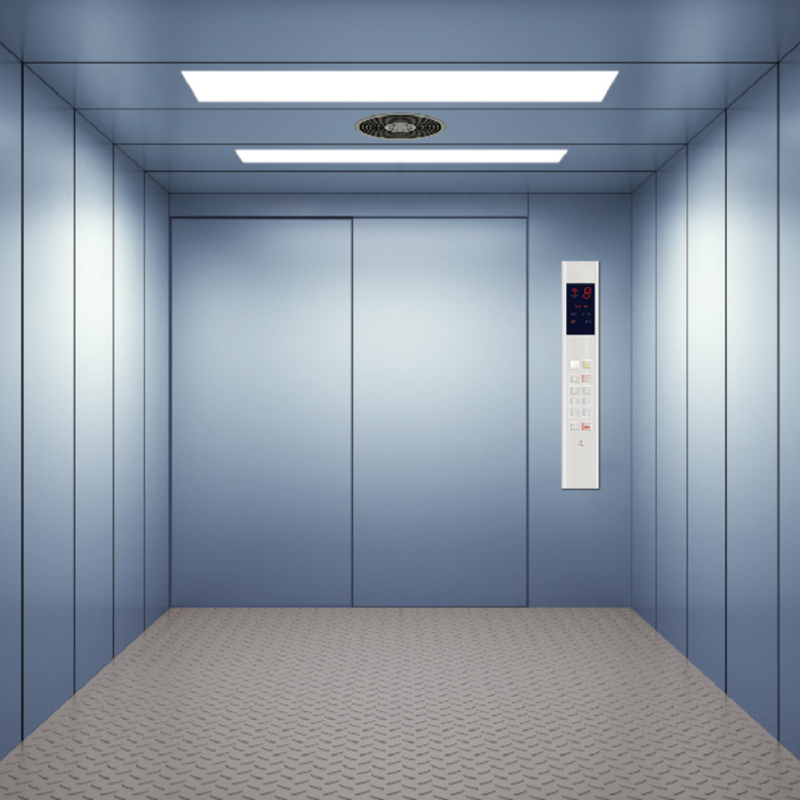
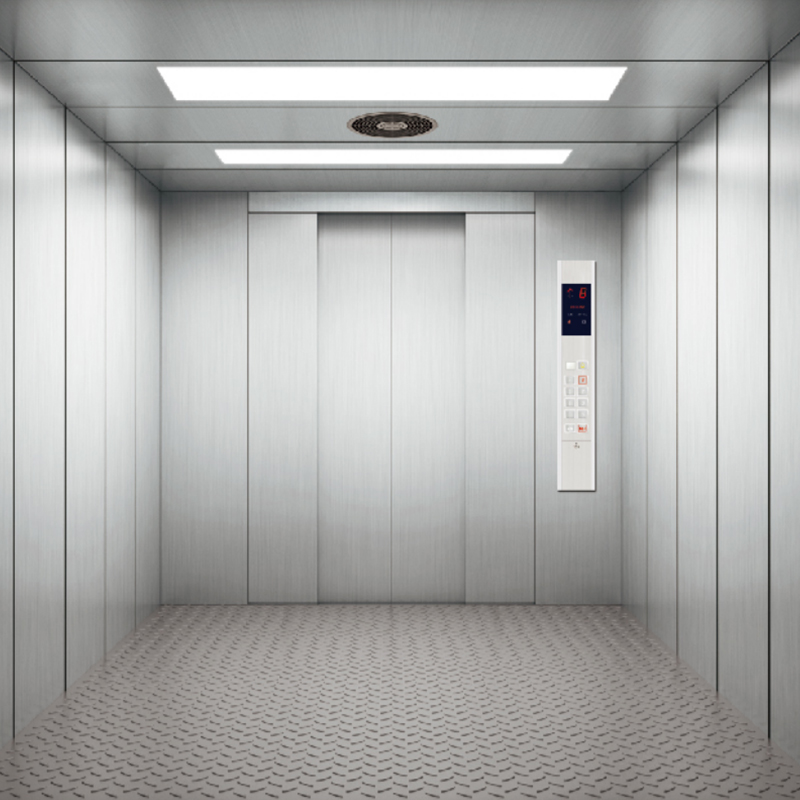
A conventional freight elevator is a heavy-duty vertical transportation system specifically designed for moving goods, equipment, pallets, and industrial materials between different floors. Unlike passenger elevators, freight elevators prioritize structural strength, loading capacity, and resistance to continuous operation.
These elevators are commonly installed in:
- Manufacturing plants
- Distribution centers
- Warehouses
- Shopping malls
- Hotels
- Hospitals
- Commercial buildings
- Industrial facilities
The cabin structure is reinforced to withstand repeated heavy loading, while the doors and floor are engineered to resist impact from forklifts, carts, and pallet trucks.
In many industrial environments, a traditional goods lift continues to be the preferred solution because of its dependable performance and relatively straightforward maintenance.
How Does a Conventional Freight Elevator Work?
The operating principle of a conventional freight elevator is based on a coordinated mechanical and electrical control system.
The process generally includes the following stages:
- The operator selects the destination floor.
- The control system verifies that all safety conditions are satisfied.
- The drive system powers the traction machine or hydraulic system.
- Steel ropes or hydraulic cylinders move the elevator car vertically.
- Guide rails maintain smooth and stable movement.
- The elevator accurately levels with the destination floor.
- The door system opens only after complete stopping.
Throughout operation, multiple safety devices continuously monitor speed, door status, overload conditions, and braking performance to ensure safe transportation of goods.
Main Components of a Conventional Freight Elevator
Each component contributes to the elevator’s operational reliability and service life.
| Component | Primary Function |
|---|---|
| Elevator Car | Carries cargo safely between floors |
| Traction Machine | Generates lifting power |
| Counterweight | Balances the load and improves energy efficiency |
| Guide Rails | Maintain vertical stability |
| Control Cabinet | Coordinates all operating functions |
| Door System | Provides secure loading and unloading |
| Safety Brake | Stops the elevator during abnormal conditions |
| Limit Switches | Prevent excessive travel |
| Buffer Devices | Absorb impact at terminal positions |
The integration of these components enables consistent performance under demanding operating conditions.
What Makes a Conventional Freight Elevator Reliable?
Several engineering characteristics contribute to its widespread adoption.
Heavy-Duty Structural Design
The elevator cabin is manufactured using reinforced steel structures capable of handling frequent heavy loading while maintaining dimensional stability.
Stable Transportation
Guide rails, traction systems, and precision control equipment work together to minimize vibration and maintain smooth vertical movement.
High Operational Efficiency
Optimized control logic allows the elevator to respond quickly to transportation requests, helping improve workflow efficiency in busy facilities.
Long Service Life
Industrial-grade materials and durable mechanical components are designed for continuous daily operation with routine maintenance.
Flexible Configuration
A conventional freight elevator can be customized with different cabin sizes, door configurations, loading capacities, and finishes to match various building layouts.
Conventional Freight Elevator vs. MR Freight Elevator
Modern freight transportation systems include several installation configurations. One common option is the MR freight elevator, which incorporates a dedicated machine room to house the traction machine, controller, and related equipment.
| Feature | Conventional Freight Elevator | MR Freight Elevator |
|---|---|---|
| Machine Room | May include traditional configuration | Dedicated machine room |
| Maintenance Access | Good | Convenient and centralized |
| Equipment Layout | Flexible | Organized installation |
| Service Efficiency | Stable | Simplified maintenance |
| Suitable Buildings | Industrial and commercial facilities | Buildings with sufficient machine room space |
An MR cargo lift is often selected for projects where equipment accessibility and long-term maintenance convenience are priorities.
Conventional Freight Elevator vs. Traditional Goods Lift
Although the two terms are sometimes used interchangeably, slight differences may exist depending on regional standards and project specifications.
| Item | Conventional Freight Elevator | Traditional Goods Lift |
|---|---|---|
| Transportation Method | Elevator system | Goods lifting equipment |
| Control System | Advanced automatic control | Varies by application |
| Ride Stability | High | Moderate to high |
| Building Integration | Excellent | Depends on installation |
| Typical Applications | Commercial and industrial buildings | Warehouses and factories |
In practical engineering projects, both solutions provide efficient cargo transportation when properly matched to operational requirements.
Common Applications
The versatility of a conventional freight elevator allows it to support numerous industries.
Manufacturing Facilities
Production materials, finished products, molds, and equipment can be transported safely between production levels.
Warehouses
Efficient vertical movement improves storage utilization while reducing manual handling.
Shopping Centers
Retail goods, inventory replenishment, and logistics operations benefit from reliable freight transportation.
Hotels
Housekeeping equipment, food supplies, and service carts can be transported without interfering with passenger traffic.
Hospitals
Medical equipment, laundry, pharmaceuticals, and supplies require dependable and stable transportation systems.
Material Selection for Long-Term Durability
Different materials influence durability, appearance, and maintenance requirements.
| Material | Characteristics | Typical Application |
|---|---|---|
| Stainless Steel | Corrosion-resistant, easy to clean | Food, medical, commercial buildings |
| Painted Steel | Cost-effective and durable | General industrial use |
| Checkered Steel Plate | Slip-resistant and impact-resistant | Heavy cargo loading floors |
| Reinforced Structural Steel | High strength | Elevator frame and cabin structure |
Selecting appropriate materials helps maximize equipment lifespan while reducing maintenance costs.
Safety Features of a Conventional Freight Elevator
Safety remains the most critical aspect of freight elevator design.
Typical protection systems include:
- Overload protection
- Emergency braking system
- Door interlock protection
- Speed governor
- Buffer devices
- Limit switches
- Emergency communication system
- Automatic fault diagnosis
- Power failure emergency operation
Together, these systems reduce operational risks while maintaining reliable performance during continuous use.
Choosing the Right Freight Elevator Solution
When selecting a freight elevator, several technical factors should be evaluated:
- Required load capacity
- Number of service floors
- Building shaft dimensions
- Frequency of operation
- Door opening requirements
- Available installation space
- Maintenance accessibility
- Future expansion needs
For projects requiring a dedicated machine room, an MR freight elevator or MR cargo lift may provide additional maintenance convenience. For general industrial applications, a conventional freight elevator or traditional goods lift often delivers an excellent balance of durability, efficiency, and operating cost.
Professional Manufacturing Capabilities
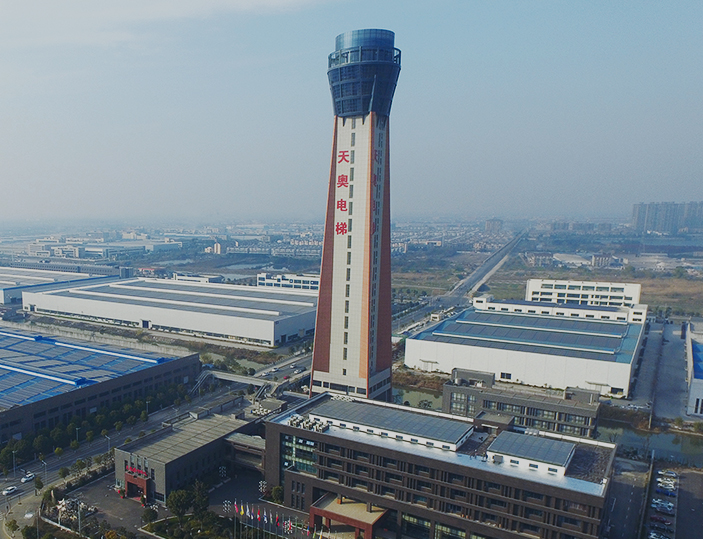
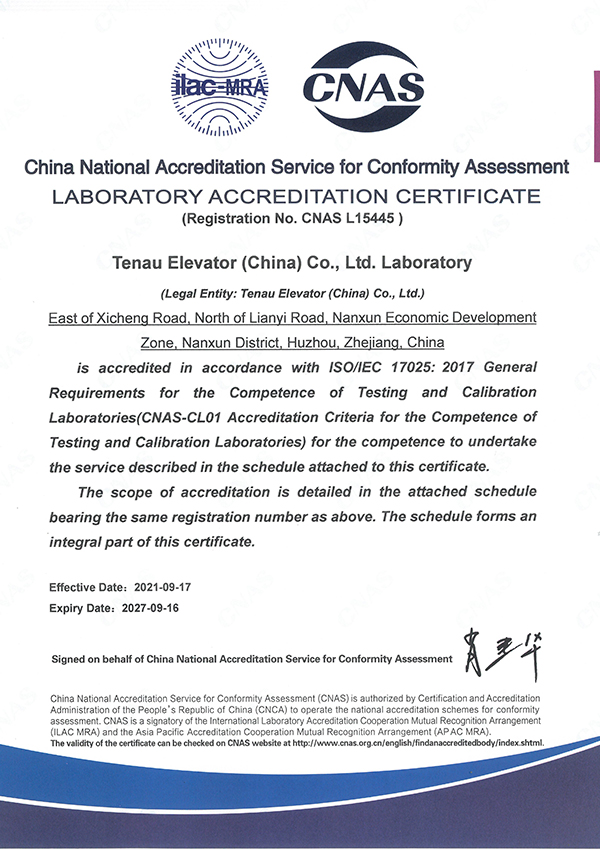
Tenau Elevator (China) Co., Ltd. is a professional comprehensive elevator manufacturer integrating design, research and development, manufacturing, marketing, installation, and after-sales service. With safety and environmental protection as its core mission, the company is committed to building a more intelligent elevator ecosystem for customers worldwide.
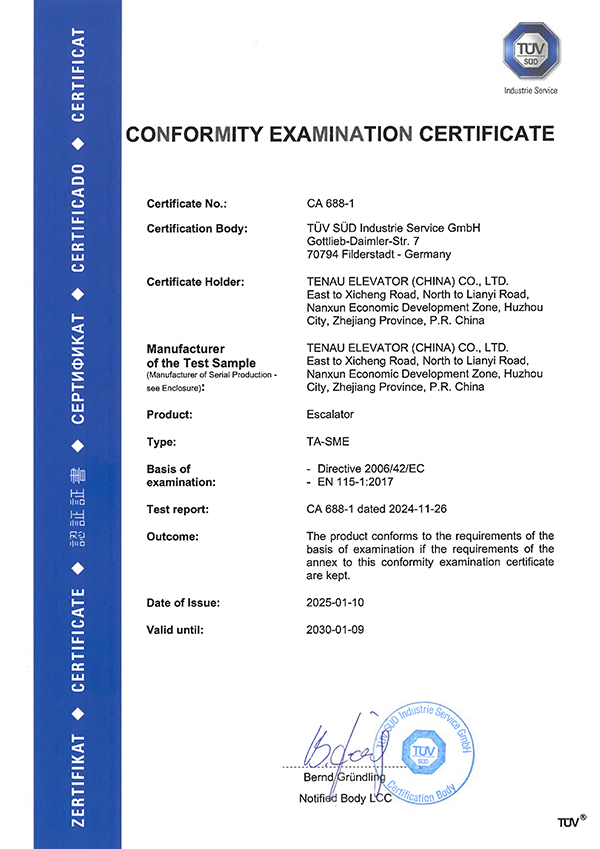
Tenau offers three major product series covering passenger elevators, freight elevators, escalators, and moving walks, with diversified solutions ranging from low-speed to ultra-high-speed elevators. Its design, R&D, and manufacturing capabilities support a wide range of project requirements across commercial and industrial sectors.
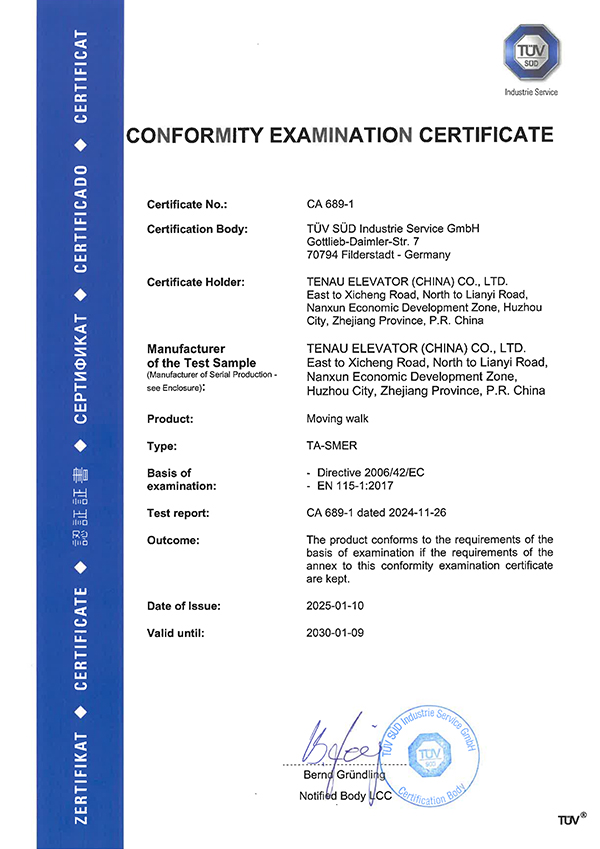
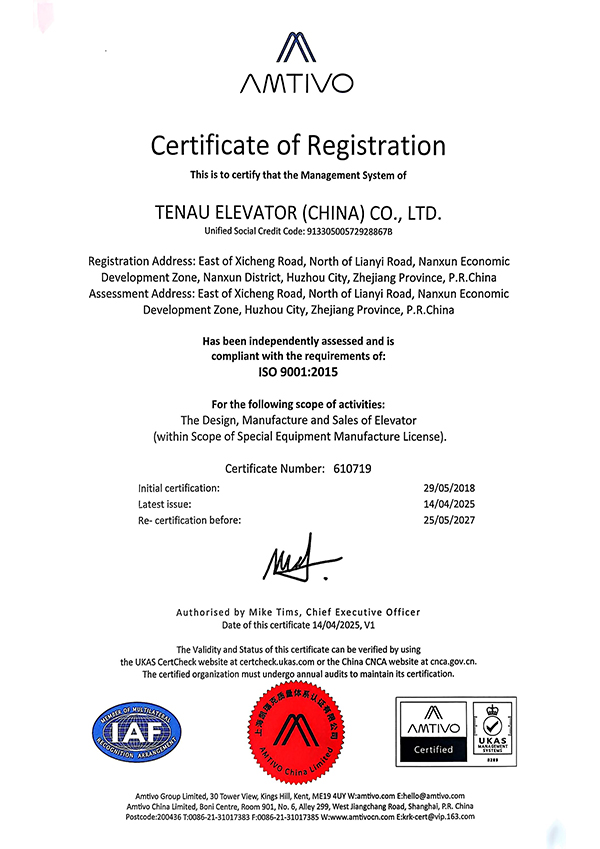
To ensure consistent product quality, Tenau strictly complies with the ISO9001 Quality Management System, ISO14001 Environmental Management System, and OHSMS18001 Occupational Health and Safety Management System while incorporating internationally advanced technologies and rigorous management practices throughout the manufacturing process.
Conclusion
A conventional freight elevator remains one of the most dependable vertical transportation solutions for industrial and commercial applications. Its robust construction, reliable operating principle, comprehensive safety systems, and flexible configuration make it suitable for handling a wide variety of cargo transportation tasks. Whether comparing it with an MR freight elevator, MR cargo lift, or traditional goods lift, understanding each system’s characteristics helps building owners and project planners select the most appropriate solution for long-term operational efficiency and safety.
FAQ
1. What is a conventional freight elevator used for?
A conventional freight elevator is primarily used to transport heavy goods, equipment, pallets, and industrial materials safely between different floors in commercial and industrial buildings.
2. What is the difference between a conventional freight elevator and an MR freight elevator?
The main difference is that an MR freight elevator uses a dedicated machine room for housing key drive and control equipment, making maintenance more convenient, while both systems provide reliable freight transportation.
3. Is a traditional goods lift suitable for warehouses?
Yes. A traditional goods lift is commonly installed in warehouses, factories, and logistics centers where durable and efficient cargo transportation is required.
4. What materials are commonly used in freight elevator cabins?
Freight elevator cabins are typically manufactured from stainless steel, painted steel, checkered steel plates, and reinforced structural steel to provide durability, impact resistance, and long service life.
5. How can I choose the right freight elevator for my project?
Consider factors such as load capacity, travel height, building dimensions, operating frequency, door configuration, installation space, maintenance requirements, and future operational needs before selecting the most suitable freight elevator solution.
 export@tenau.com.cn
 +86-18601458867
 +86-512-65059883