

 en
en Español
 русский
 中文简体
中文简体
Revolutionizing Urban Mobility: The Evolution and Advantages of Modern Moving Walk Systems
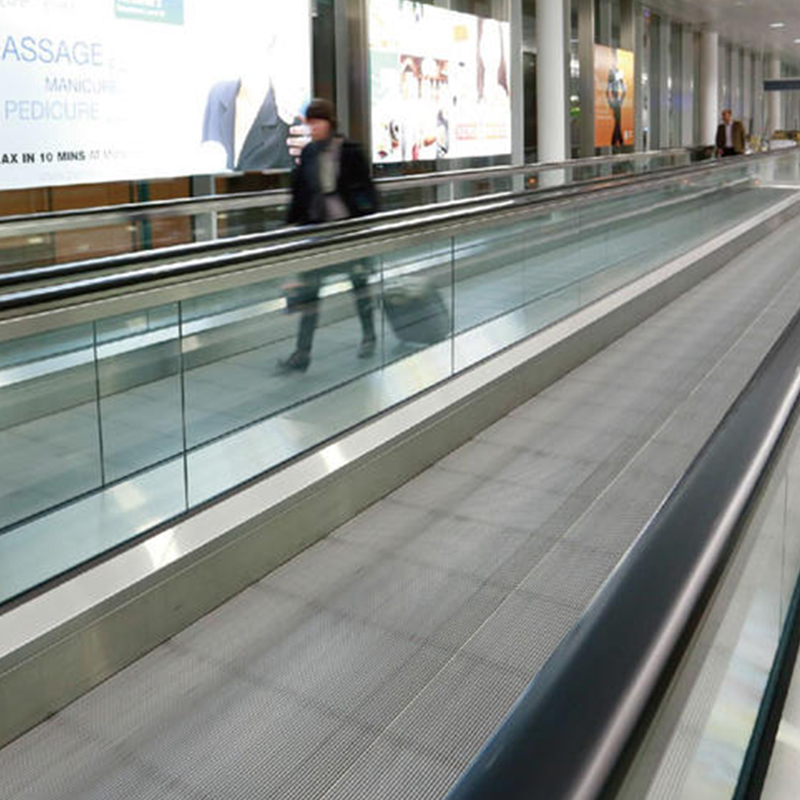
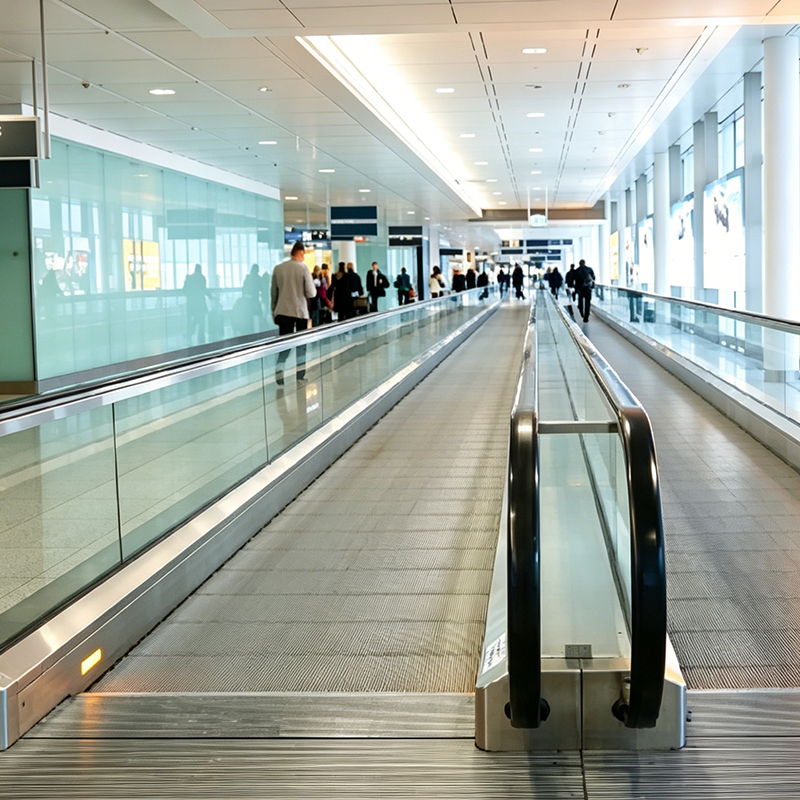
Moving walk systems have become an indispensable part of modern urban infrastructure, transforming how people navigate large spaces—from bustling airports and sprawling shopping malls to busy transit hubs and convention centers. These continuous, flat or slightly inclined conveyances offer a seamless alternative to walking long distances, combining convenience, safety, and sustainability in one package. As cities grow and passenger flows increase, the demand for efficient, reliable moving walks has never been higher. This article explores the core advantages of modern moving walk systems, delves into the advanced manufacturing processes that set top-tier products apart, and highlights how these solutions outperform traditional alternatives in today’s competitive market.
Core Advantages of Modern Moving Walk Systems
Modern moving walks are designed to address the evolving needs of urban spaces, with key advantages that make them a preferred choice for both facility managers and users:
Unmatched Passenger Convenience & Accessibility
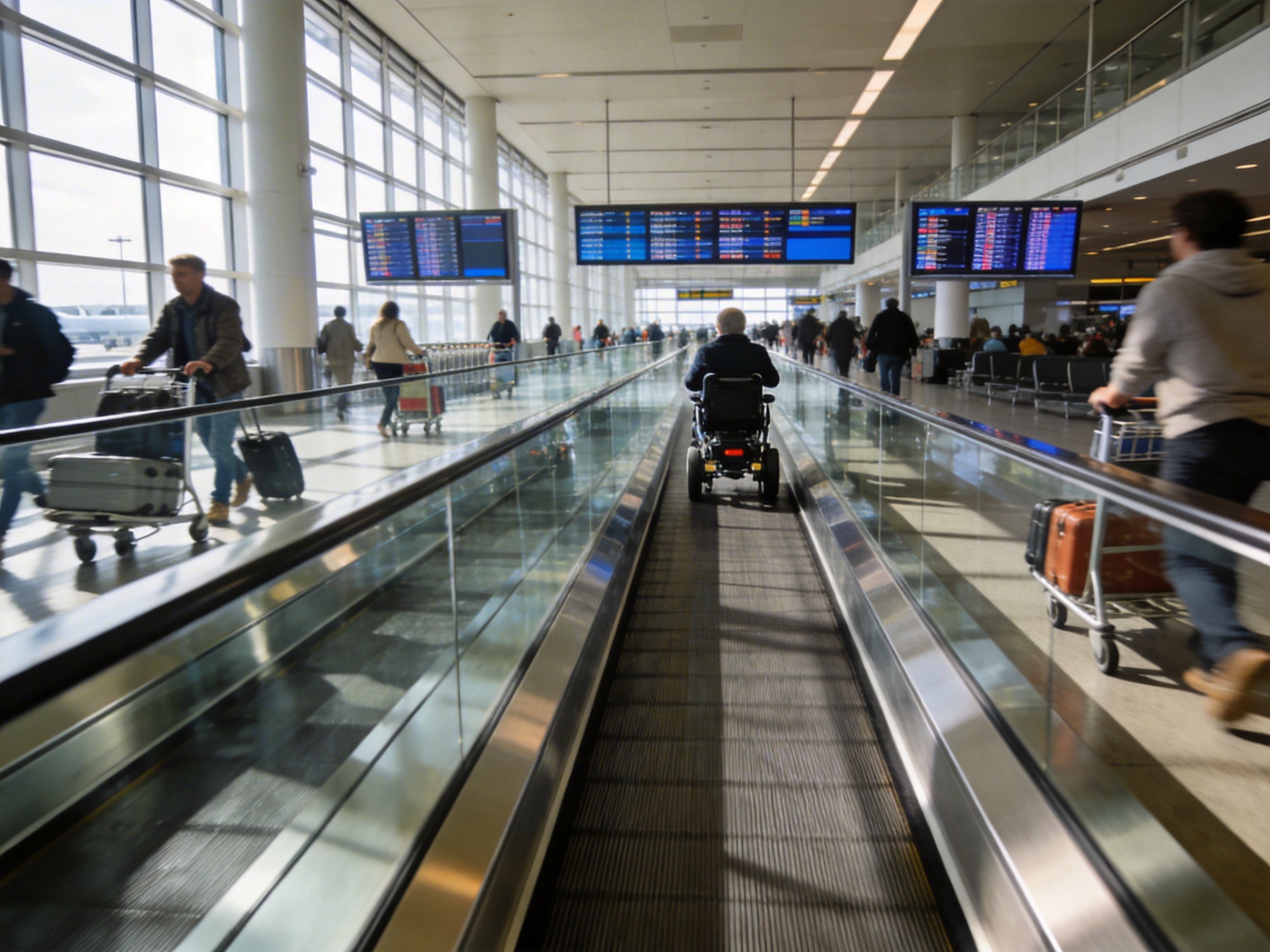
One of the most significant benefits of moving walks is their ability to handle diverse passenger needs. Unlike escalators, which are limited to vertical or steeply inclined travel, moving walks (both flat and inclined) accommodate long-distance travel, making them ideal for connecting distant terminals in airports or linking multiple floors in large shopping complexes. They also support a wide range of users, including those with luggage carts, baby strollers, and mobility aids for people with disabilities—features that are often lacking in traditional escalator systems. This inclusivity ensures that moving walks serve as a universal solution for all types of travelers, regardless of their physical abilities or the items they carry.
For example, in busy airports, moving walks reduce the time passengers spend walking between gates, minimizing the risk of missing flights and improving overall travel satisfaction. In shopping malls, they enhance the shopping experience by allowing customers to move effortlessly between different sections, increasing foot traffic and sales for retailers.
Energy Efficiency: A Sustainable Choice for Urban Infrastructure
Sustainability is a top priority for modern infrastructure projects, and moving walks lead the way in energy-efficient transit solutions. Advanced variable frequency drive (VF or VVVF) systems are a game-changer here, as they adjust the speed of the walk based on passenger load. When there are no passengers, the system operates at a lower speed, reducing energy consumption by up to 40% compared to traditional fixed-speed systems. This not only lowers operational costs for facility managers but also reduces the carbon footprint of the infrastructure, aligning with global efforts to combat climate change.
Additionally, many modern moving walks use high-efficiency motors and regenerative braking systems, which capture and reuse energy generated during deceleration. These features make moving walks far more eco-friendly than escalators, which typically consume more energy and have less flexible speed control options.
Advanced Safety Features: Redefining User Security
Safety is non-negotiable in public transit systems, and modern moving walks incorporate a range of advanced safety features that exceed international standards. For instance, built-in trouble indicators accurately display the location of any issues, allowing maintenance teams to resolve problems quickly and minimize downtime. Step illumination systems provide clear visibility of the walking surface, reminding passengers to be cautious at entry and exit points. Multiple safety protection functions, such as warning lines and emergency brake devices, further enhance user security.
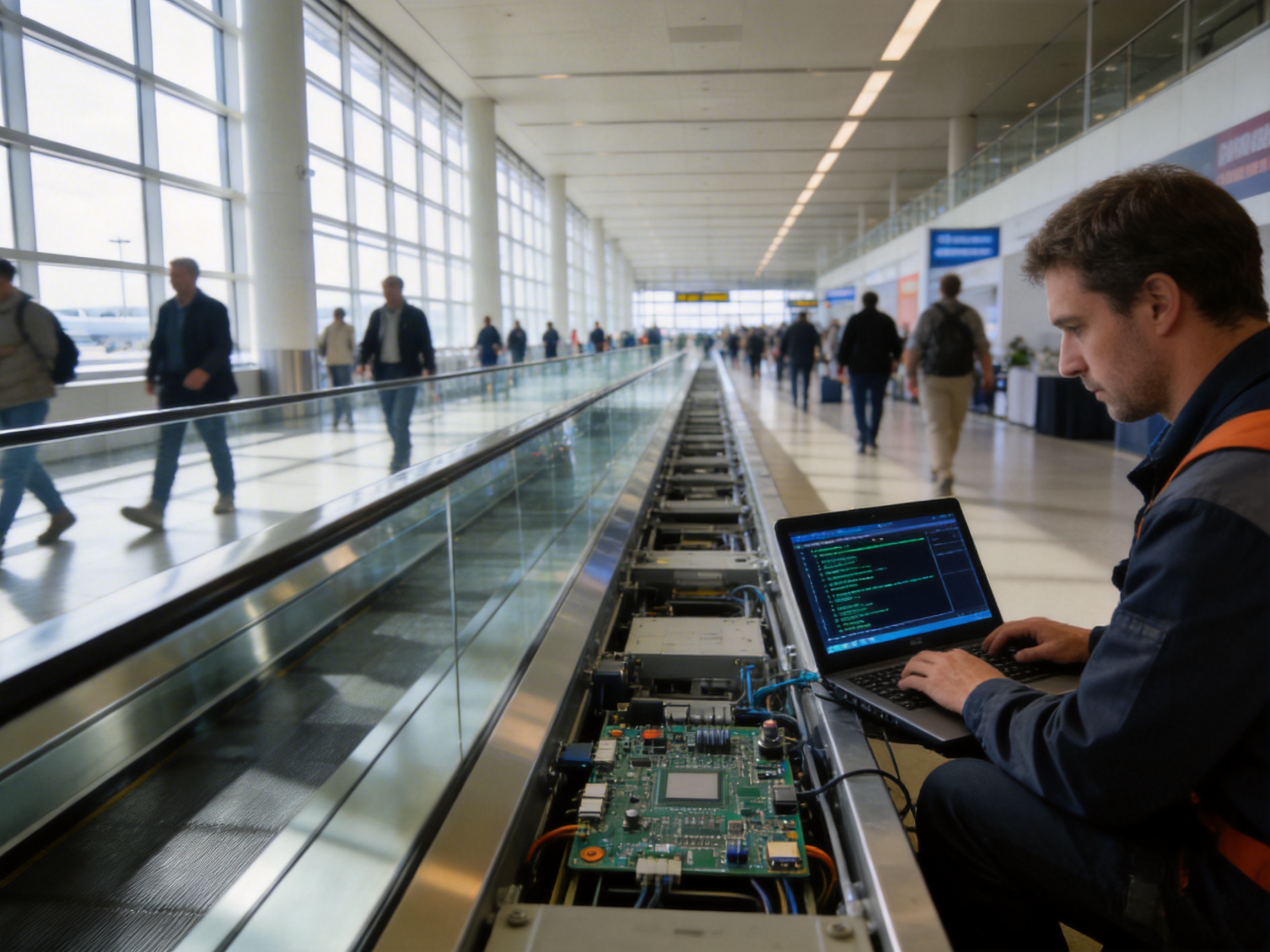
Another key safety feature is the super CPU main board, which monitors the system’s operation in real time. If any abnormal situation occurs—such as a sudden stop or a mechanical fault—the system automatically brakes and records the malfunction code, ensuring that maintenance teams can diagnose and fix the issue promptly. This level of real-time monitoring is a significant improvement over older systems, which often lack comprehensive diagnostic capabilities.
Aesthetic Flexibility: Blending with Modern Architectural Designs
Today’s moving walks are not just functional—they are also designed to complement modern architectural aesthetics. With diverse handrail belts and fencing boards available, facility managers can customize the look of the moving walk to match the style of their building. For example, in high-end shopping malls, sleek stainless steel handrails and glass fencing can enhance the luxurious feel of the space, while in airports, more utilitarian designs prioritize durability and ease of cleaning. This aesthetic flexibility makes moving walks a versatile choice for a wide range of settings, from contemporary office buildings to historic transit hubs.
Manufacturing Excellence: Behind the Scenes of Leading Moving Walk Production
Leading manufacturers like Tenau Elevator invest in advanced technology, precision engineering, and rigorous quality control to ensure their products meet the highest standards of reliability and durability.
Precision Engineering & Material Innovation
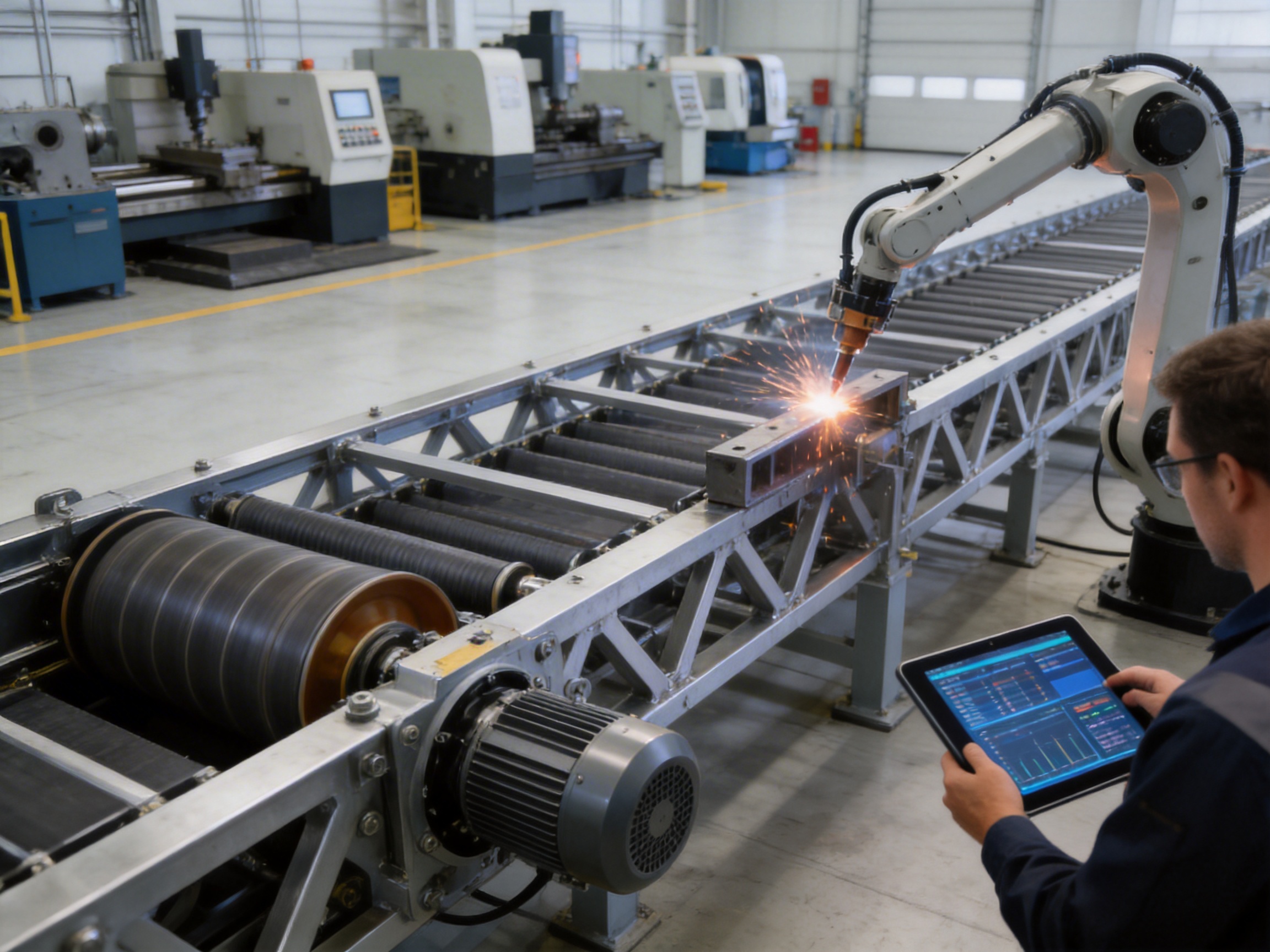
Precision engineering is at the heart of modern moving walk production. Tenau Elevator uses high-quality steel trusses for its moving walk systems, which provide exceptional strength and corrosion resistance. Large-diameter step rollers minimize noise and prolong the life of the system, while inbuilt step chain rollers reduce friction and ensure smooth operation. These components are manufactured using advanced machining techniques, such as CNC (Computer Numerical Control) cutting and laser welding, to ensure accuracy and consistency.
Material innovation also plays a key role. Modern moving walks use novel materials, such as high-performance plastics for handrails and durable alloys for mechanical components, which are designed to withstand heavy use and harsh environmental conditions. For example, Tenau’s handrails are made from wear-resistant materials that resist fading and cracking, even after years of continuous use.
Smart Manufacturing: Industry 4.0 Integration
Tenau Elevator has implemented an Industry 4.0 production system guided by German engineering principles. This system includes automated assembly lines, robotic welding, and real-time monitoring systems that track every stage of production. Smart sensors embedded in production equipment detect defects in components before they are assembled, reducing the risk of faulty products reaching the market. Big data analytics are also used to analyze production data, identify bottlenecks, and improve efficiency over time.
Another key aspect of Industry 4.0 integration is remote monitoring. Tenau’s moving walks are equipped with IoT (Internet of Things) sensors that allow the company to monitor the system’s performance in real time, even after installation. This enables proactive maintenance, as issues can be detected and resolved before they cause downtime. For example, if a sensor detects excessive wear on a step roller, Tenau can dispatch a maintenance team to replace it before it fails.
Rigorous Quality Control: Zero Defect Standards
Tenau Elevator adheres to strict zero-defect quality control standards, conducting comprehensive testing at every stage of production. Each step is tested for load capacity, durability, and smoothness of operation, while the entire system is tested for safety features such as emergency braking and fault detection. Quality control does not end with production—Tenau also provides ongoing training for maintenance teams and offers regular inspections to ensure that the system continues to operate safely and efficiently throughout its lifespan.
Customization Capabilities: Tailored Solutions for Diverse Needs
Every facility has unique requirements, and Tenau Elevator offers extensive customization options to meet these needs. This includes adjusting the length, width, and speed of the moving walk, as well as choosing from a range of optional features such as heating devices, electric automatic lubrication, and variable frequency drives. For example, a facility in a cold climate may opt for heating devices to prevent ice formation on the steps, while a busy airport may choose VVVF systems to maximize energy savings.
Customization also extends to the arrangement of the moving walk system. Tenau can design systems in a variety of configurations, including single units, continuous one-way arrangements, interrupted one-way arrangements, parallel interrupted two-way arrangements, and crisscross continuous two-way arrangements. This flexibility allows facility managers to choose the configuration that best suits their space and passenger flow needs.
How Modern Moving Walks Outperform Competitors
Modern moving walks offer several key advantages over traditional alternatives such as escalators and stairs, as well as over older moving walk systems. These advantages set them apart in the competitive market:
Noise Reduction: A Quieter Travel Experience
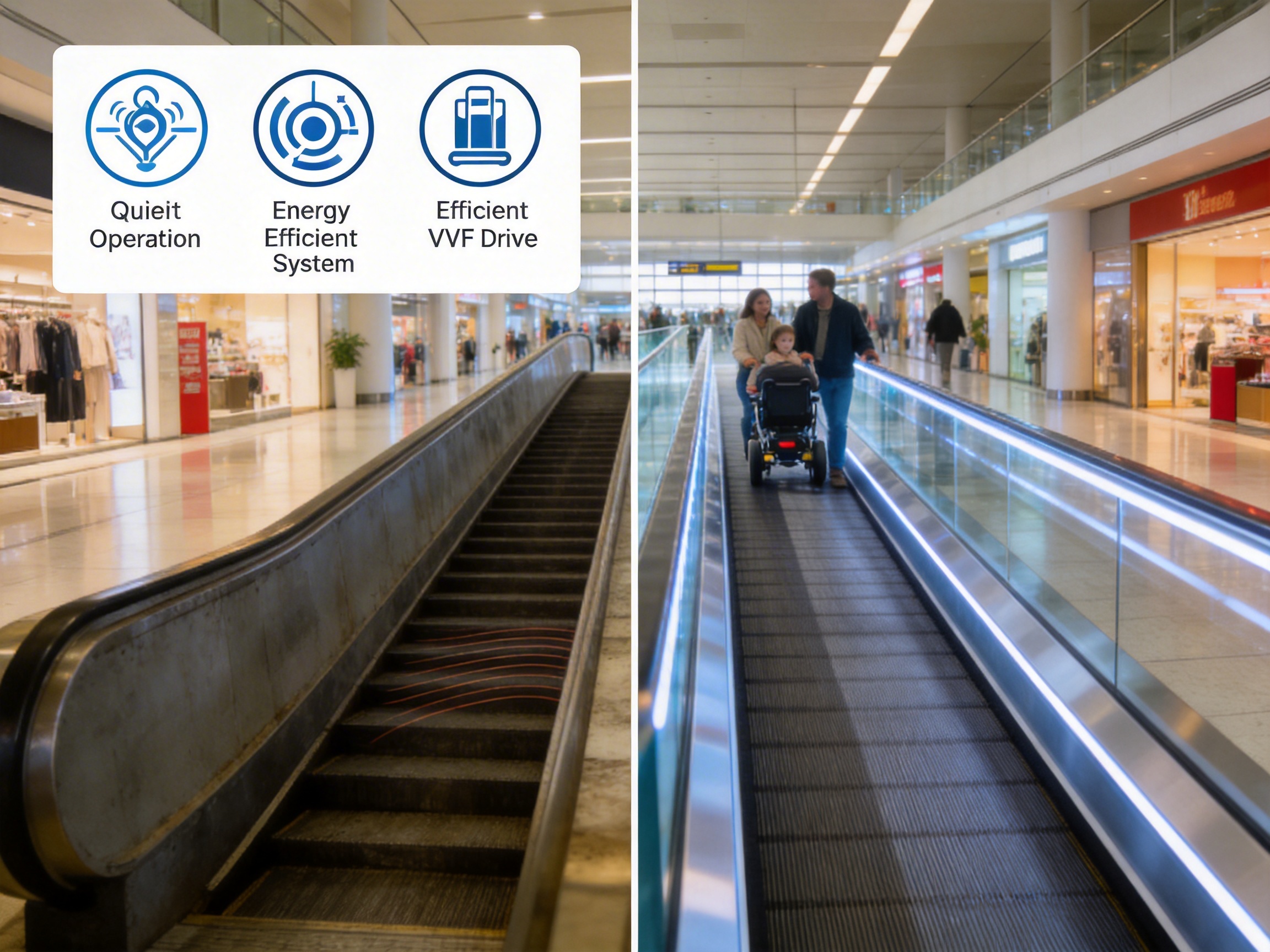
Older moving walk systems and escalators are often noisy, which can be disruptive in quiet environments such as libraries or office buildings. Modern moving walks, however, use advanced noise-reduction technologies such as inbuilt step chain rollers and large-diameter step rollers, which minimize friction and vibration. This results in a much quieter operation, making moving walks a more pleasant choice for users and reducing noise pollution in public spaces.
Longevity & Low Maintenance Costs
Modern moving walks are designed to last longer and require less maintenance than older systems. PLC-controlled fully automatic lubrication systems reduce wear on mechanical components, while high-quality materials resist corrosion and wear. For example, Tenau’s automatic lubrication systems eliminate the need for manual lubrication, which is time-consuming and prone to human error. This not only extends the lifespan of the system but also reduces maintenance costs over time.
Intelligent Control Systems: Adaptive Performance
Intelligent control systems are a major advantage of modern moving walks. Unlike older systems that operate at a fixed speed, modern systems use VVVF drives to adjust speed based on passenger load. This adaptive performance not only saves energy but also improves the user experience by ensuring that the system operates at an optimal speed for the current number of passengers. Additionally, real-time monitoring systems allow for proactive maintenance, reducing downtime and improving reliability.
Comprehensive After-Sales Support: A Key Differentiator
Tenau Elevator offers comprehensive after-sales support, which is a critical factor for facility managers. This includes 24-hour customer service, global maintenance networks, and exclusive service plans tailored to each customer’s needs. The company provides one-to-one client data files and formulates exclusive maintenance plans, ensuring that the system is maintained properly throughout its lifespan. This level of support is often lacking in smaller manufacturers, making modern moving walks from top brands like Tenau a more reliable choice.
Standard vs Optional Features of Modern Moving Walk Systems
| Feature Category | Standard Features | Optional Features |
|---|---|---|
| Mechanical Components | Step chain-roller inbuilt; Vertical traction machine | Emergency brake device; Heating device (3 locations) |
| Safety & Monitoring | Moving directions/failure display; Passenger illumination; Super CPU real-time monitoring | Skirt board illumination; Running direction indication |
| Energy Efficiency | VF control & automatic start/brake | VVVF variable frequency drive; Electric automatic lubrication |
| Aesthetics & Design | Handrail inlet (trendy design); Diverse handrail/fencing options | Custom color schemes; Etched stainless steel panels |
This table summarizes the key features of modern moving walk systems, highlighting the standard inclusions and optional upgrades available to facility managers. The combination of standard and optional features allows for a tailored solution that meets the specific needs of each facility.
Q&A Section: Addressing Common Queries About Moving Walk Systems
To help readers better understand moving walk systems, we’ve compiled answers to some of the most common questions:
Q1: What are the main applications of moving walk systems?
A: Moving walk systems are used in a wide range of settings, including airports, shopping malls, transit hubs (subways, train stations), convention centers, and large office buildings. They are ideal for connecting distant areas, handling large passenger flows, and providing accessible travel for people with mobility aids.
Q2: How do moving walks differ from escalators?
A: While both are used for vertical or inclined travel, moving walks are typically flat or slightly inclined, making them suitable for long-distance travel. Escalators are steeper and designed for shorter vertical travel. Moving walks also accommodate luggage carts and mobility aids, which are not always possible on escalators.
Q3: Are moving walk systems energy-efficient?
A: Yes, modern moving walks are highly energy-efficient. They use variable frequency drives (VVVF) to adjust speed based on passenger load, reducing energy consumption by up to 40% compared to fixed-speed systems. Regenerative braking systems also capture and reuse energy generated during deceleration.
Q4: What safety features are included in modern moving walks?
A: Modern moving walks include a range of safety features, such as trouble indicators (to locate faults quickly), step illumination (to improve visibility), emergency brake devices, warning lines, and real-time monitoring systems (to detect and resolve issues proactively). These features exceed international safety standards.
Q5: Can moving walk systems be customized?
A: Yes, leading manufacturers like Tenau Elevator offer extensive customization options, including adjusting the length, width, and speed of the system, choosing from a range of optional features, and designing the system in various configurations. This allows for a tailored solution that meets the specific needs of each facility.
References
1. International Association of Elevator Engineers (IAEE). (2023). "Guidelines for the Design and Installation of Moving Walk Systems."
2. Urban Transit Association (UTA). (2022). "Sustainable Transit Solutions for Modern Cities: A Report on Moving Walk Systems."
3. Smith, J. (2021). "The Evolution of Moving Walk Technology: From Early Designs to Smart Systems." Journal of Urban Engineering, 15(3), 45-62.
4. European Elevator Safety Council (EESC). (2023). "Safety Standards for Moving Walk and Escalator Systems."
5. Chen, L. (2022). "Industry 4.0 Integration in Elevator Manufacturing: A Case Study of Leading Manufacturers." International Journal of Smart Manufacturing, 8(2), 112-125.

Related Products
Related News
Built on safety, forging trust in vertical mobility.
lf you have any questions or need help, feel free to contact with our team.
 export@tenau.com.cn
 +86-18601458867
 +86-512-65059883
Elevator & Escalator
Factory Add
East of Xicheng Road, North of Lianyi Road, Nanxun Economic Development Zone, Nanxun District, Huzhou City, Zhejiang Province, P.R.China
Copyright © Tenau Elevator (China) Co., Ltd. All Rightd Reserved.
Custom High Quality Elevator Suppliers and World Brand Elevator Company