

 en
en Español
 русский
 中文简体
中文简体
TO-F001 Elevator Handrail for Safer, Smarter, and More Refined Cabin Interiors
Content
- 1 Product Overview
- 2 Why the Elevator Handrail Matters
- 3 Core Advantages of TO-F001
- 4 Comparison with Common Competitor Handrails
- 5 Manufacturing Strength Behind the Product
- 6 Material and Finish Considerations
- 7 Ergonomics and Passenger Comfort
- 8 Applications Across Elevator Categories
- 9 Design Integration with Cabin Interiors
- 10 Installation Practicality
- 11 Durability and Long-Term Value
- 12 Safety Culture and Environmental Responsibility
- 13 Global Market Suitability
- 14 How TO-F001 Supports Brand Image for Buildings
- 15 Role in Elevator Modernization Strategy
- 16 Procurement Considerations for Buyers
- 17 Quality Assurance from Design to Delivery
- 18 After-Sales and Project Support
- 19 Maintenance Recommendations
- 20 Why TO-F001 Is a Strong Choice
- 21 Frequently Asked Questions
- 21.1 Q1: What is the TO-F001 product?
- 21.2 Q2: Which elevator types can use TO-F001?
- 21.3 Q3: Why is a handrail important in an elevator cabin?
- 21.4 Q4: How does TO-F001 compare with common low-cost competitor handrails?
- 21.5 Q5: Is TO-F001 suitable for hospital elevators?
- 21.6 Q6: Can TO-F001 be used in elevator modernization?
- 21.7 Q7: What manufacturing strengths support this product?
- 21.8 Q8: Does the handrail contribute to building image?
- 21.9 Q9: What should buyers consider when selecting an elevator handrail?
- 21.10 Q10: How should the handrail be maintained?
- 22 Conclusion
- 23 References
- 24 Product: TO-F001
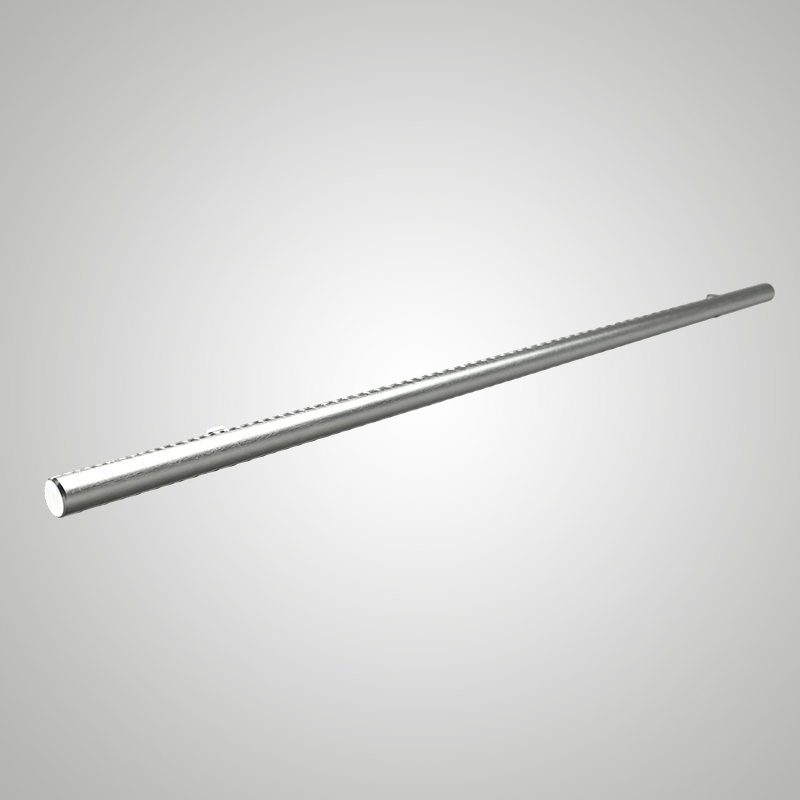
In modern elevator design, the handrail is far more than a simple accessory. It is a safety feature, a comfort element, a visual detail, and a sign of manufacturing quality. The TO-F001 elevator handrail is designed for elevator cabins that require a refined interior finish, dependable daily performance, and a user-friendly passenger experience. As part of the elevator parts and cabin interiors category, this product supports a wide range of elevator applications, including passenger elevators, panoramic and observation elevators, hospital elevators, home villa elevators, cargo elevators, car elevators, and high-speed elevator systems.
The TO-F001 handrail is developed for projects where details matter. In office towers, hotels, residential complexes, hospitals, shopping centers, public buildings, and private villas, passengers interact directly with the elevator cabin. They see the walls, feel the lighting, stand on the floor, and often touch the handrail for balance and reassurance. A well-designed handrail helps users feel safer, especially elderly passengers, children, patients, and people carrying luggage or goods. At the same time, it contributes to the overall impression of the elevator’s quality.
Tenau Elevator (China) Co., Ltd. manufactures elevator solutions with a comprehensive industrial capability covering design, research and development, manufacturing, marketing, installation support, and after-sales service. The company originates from Germany and applies a strong focus on safety, environmental responsibility, intelligent manufacturing, and global elevator solutions. The TO-F001 handrail reflects this philosophy by combining practical cabin safety with careful material selection, consistent production control, and design compatibility for different elevator interiors.
Product Overview
The TO-F001 is an elevator handrail intended for cabin interior installation. It is categorized under elevator handrails and is suitable for new elevator projects, modernization projects, and cabin interior upgrades. The product is designed to provide passengers with a stable gripping point while improving the cabin’s visual structure and sense of completeness.
Although many passengers may not consciously analyze an elevator handrail, they notice its presence when they need support. A cabin without a proper handrail may feel incomplete, especially in public or medical environments. A handrail that is poorly finished, loosely installed, uncomfortable to grip, or visually inconsistent with the cabin can reduce passenger confidence. The TO-F001 is created to address these concerns by offering a balanced combination of ergonomics, durability, appearance, and installation practicality.
The product can be integrated into different elevator cabin styles. It may be used in simple commercial cabins, premium passenger cabins, observation elevator interiors, hospital elevator cabins that require frequent use, or villa elevators where the visual design must match private architectural taste. This flexibility makes the handrail suitable for contractors, elevator distributors, project developers, and building owners seeking a reliable cabin interior component from a professional elevator manufacturer.
Why the Elevator Handrail Matters
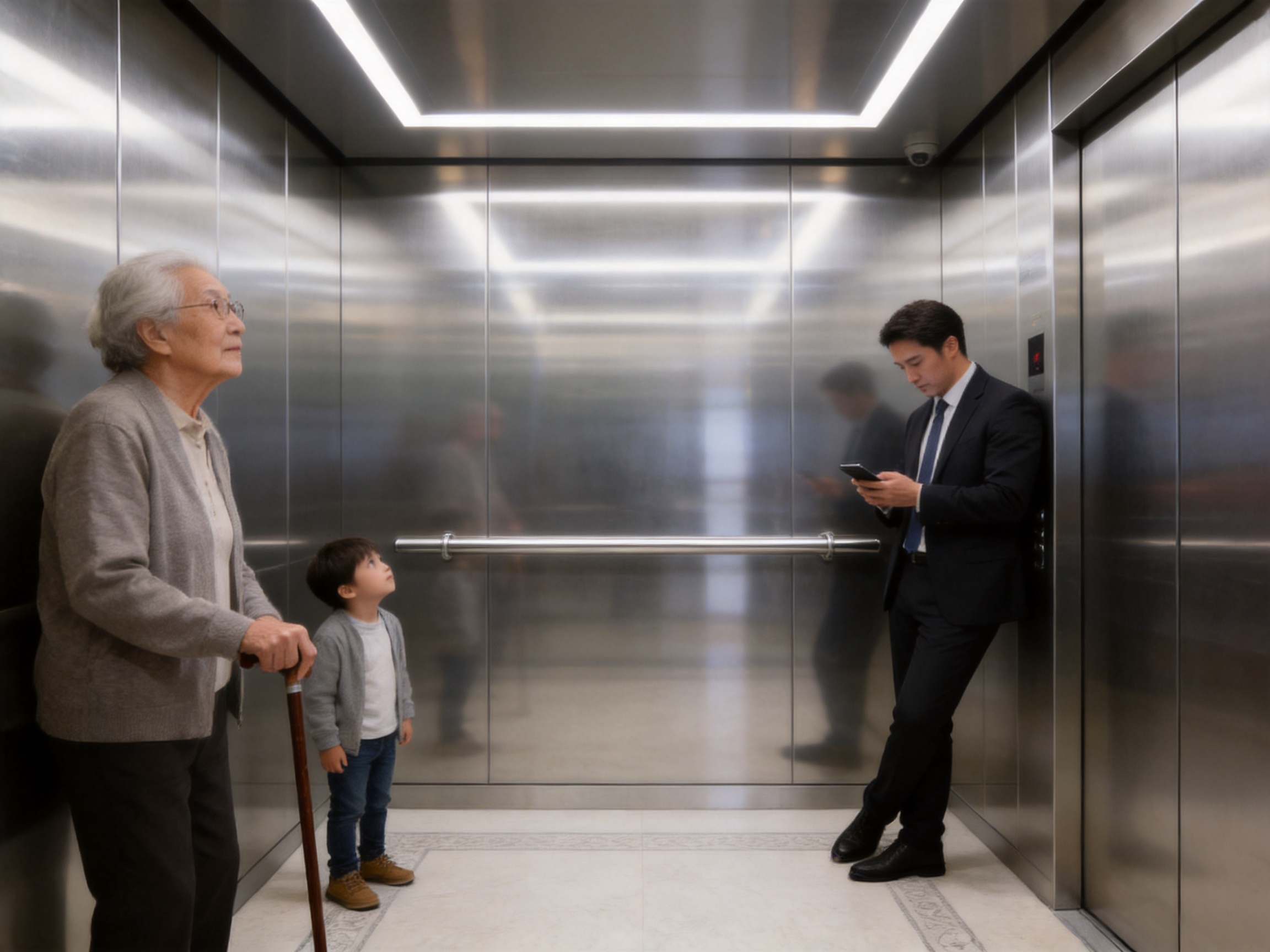
Elevator passengers often spend only a short time inside the cabin, but the quality of that experience depends on many small details. The handrail serves several important functions. First, it provides physical support. During acceleration, deceleration, door movement, or minor vibration, passengers may instinctively hold the handrail to maintain balance. Second, it improves accessibility. In hospitals, senior living facilities, apartments, and public transportation buildings, a handrail can make elevator use more comfortable for people with limited mobility.
Third, it protects the cabin wall. In many elevator environments, passengers carry bags, carts, boxes, luggage, or medical equipment. A properly placed handrail can help reduce accidental contact with wall panels. Fourth, it improves the visual proportion of the cabin. A handrail creates a horizontal line that can make the interior look more structured and finished. In premium projects, the handrail may also serve as a design accent that coordinates with stainless steel, glass, mirror panels, decorative laminates, stone-like finishes, or custom wall materials.
Competitor products in the market often focus only on basic function. Some handrails are made with inconsistent finishing, limited style options, weak mounting accessories, or insufficient quality control. These problems may not be obvious at the beginning, but after long-term use they can lead to loosening, surface scratches, deformation, corrosion, installation inconvenience, or visual mismatch. The TO-F001 is positioned as a handrail solution that benefits from the manufacturing discipline of a full elevator company rather than a simple component supplier.
Core Advantages of TO-F001
1. Designed for Practical Passenger Safety
The main purpose of an elevator handrail is to help passengers feel secure. The TO-F001 is designed to provide a stable contact point inside the cabin. A reliable handrail is especially important in high-traffic buildings, hospitals, senior communities, family residences, and commercial spaces where elevator users may vary widely in age, physical condition, and travel purpose.
Compared with low-grade competitor handrails that may be designed mainly for appearance, the TO-F001 emphasizes usability. The handrail should feel natural to hold, allow a comfortable grip, and support passengers during ordinary elevator movement. A passenger should not feel sharp edges, unstable brackets, or uncomfortable contact surfaces. A refined handrail design reduces these risks and enhances the overall safety perception of the elevator.
2. Strong Compatibility with Multiple Elevator Types
The TO-F001 can be considered for many types of elevator projects. Passenger elevators use handrails to support everyday traffic in residential and commercial buildings. Panoramic and observation elevators require cabin accessories that do not distract from the transparent or decorative interior. Hospital elevators need robust components suitable for frequent use by patients, caregivers, and medical staff. Home villa elevators require a handrail that looks elegant while still providing support for family members and guests.
Cargo elevators and car elevators may also benefit from durable interior handrails depending on project requirements, especially when the cabin is used by operators, attendants, or maintenance personnel. In high-speed elevators, the interior design must inspire confidence because passengers are more sensitive to motion. A stable and carefully finished handrail contributes to that confidence.
3. Refined Cabin Interior Appearance
Visual quality is one of the key differences between ordinary elevator components and superior cabin interior products. The TO-F001 is designed to support a clean and polished cabin appearance. In elevator interiors, the handrail is often placed at eye-catching height and extends across a visible wall surface. Any defect in surface finish, alignment, or installation will be easy to notice.
A well-made handrail helps elevate the appearance of the entire cabin. It can complement stainless steel walls, decorative cabin panels, glass features, mirrors, and lighting systems. For premium buildings, the handrail can become part of the architectural identity. For practical buildings, it provides a sense of order and care. Compared with generic handrails, TO-F001 benefits from professional elevator design knowledge and a stronger understanding of how cabin components interact with the complete elevator environment.
4. Reliable Manufacturing Backed by Full Elevator Expertise
A key advantage of TO-F001 is that it comes from a manufacturer with comprehensive elevator expertise. Tenau Elevator (China) Co., Ltd. is not limited to isolated cabin parts. The company designs and manufactures complete elevator systems, including passenger elevators, freight elevators, escalators, moving walks, and related elevator solutions. This full-system background helps the company understand how each component affects safety, comfort, installation, and long-term operation.
Many competitors in the cabin accessory market only produce decorative parts. Their knowledge may be limited to appearance and basic fabrication. In contrast, a comprehensive elevator manufacturer considers factors such as user behavior, cabin structure, installation standards, maintenance requirements, quality traceability, and long-term reliability. This broader capability gives TO-F001 an advantage in projects where handrails must align with professional elevator engineering expectations.
5. Support for Modernization and New Installation Projects
Elevator modernization is a growing market. Many buildings have elevators that still operate, but their interiors look outdated, worn, or inconsistent with current building standards. Replacing or upgrading handrails can be an efficient way to improve safety and appearance without a complete elevator replacement. The TO-F001 can be used as part of a cabin modernization package, helping transform old cabins into cleaner, safer, and more attractive spaces.
For new installations, the handrail can be selected early in the design process to match the cabin’s style. This provides better coordination between wall panels, lighting, flooring, mirrors, ceiling design, and accessories. When a handrail is planned properly, the final cabin looks intentional rather than assembled from unrelated parts.
Comparison with Common Competitor Handrails
Elevator handrails may appear similar at first glance, but performance differences emerge during installation and long-term use. Low-cost products may reduce material quality, simplify surface finishing, use weak brackets, or lack consistent inspection. These shortcuts can create hidden risks for building owners and elevator contractors. The TO-F001 is positioned as a more dependable choice for projects that value quality, safety, and professional appearance.
| Evaluation Area | TO-F001 Elevator Handrail | Typical Low-Cost Competitor Handrail |
|---|---|---|
| Design Purpose | Balances safety support, cabin aesthetics, and long-term usability. | Often focused mainly on basic decoration or minimum function. |
| Manufacturing Background | Produced by a comprehensive elevator manufacturer with full-system elevator knowledge. | May be produced by general metal or accessory suppliers with limited elevator expertise. |
| Installation Consideration | Designed with practical cabin installation and compatibility in mind. | May require additional adjustment during installation due to inconsistent fit. |
| Quality Control | Supported by structured manufacturing systems and closed-loop quality management. | Quality may vary between batches or suppliers. |
| Appearance | Intended to create a refined, coordinated cabin interior. | Surface finish and visual consistency may be uneven. |
| Application Range | Suitable for passenger, hospital, villa, observation, cargo, car, and high-speed elevator projects. | Often limited to standard or low-demand installations. |
| Long-Term Value | Emphasizes reliability, passenger confidence, and reduced replacement concerns. | Lower initial cost may lead to higher maintenance or replacement needs. |
Manufacturing Strength Behind the Product
German-Origin Industrial Philosophy
Tenau Elevator (China) Co., Ltd. originates from Germany and applies a professional manufacturing philosophy to elevator products and components. German industrial influence is often associated with precision, process discipline, safety awareness, and engineering consistency. For an elevator handrail, this philosophy is important because the component must combine appearance with structural reliability.
The TO-F001 benefits from a mindset that regards cabin accessories as functional safety-related products, not merely decorative additions. In elevator manufacturing, every component that passengers touch must be produced with care. A handrail is repeatedly contacted, cleaned, leaned on, and visually inspected by users. Therefore, production consistency and finishing quality are essential.
Intelligent Manufacturing and Industry 4.0 Concepts
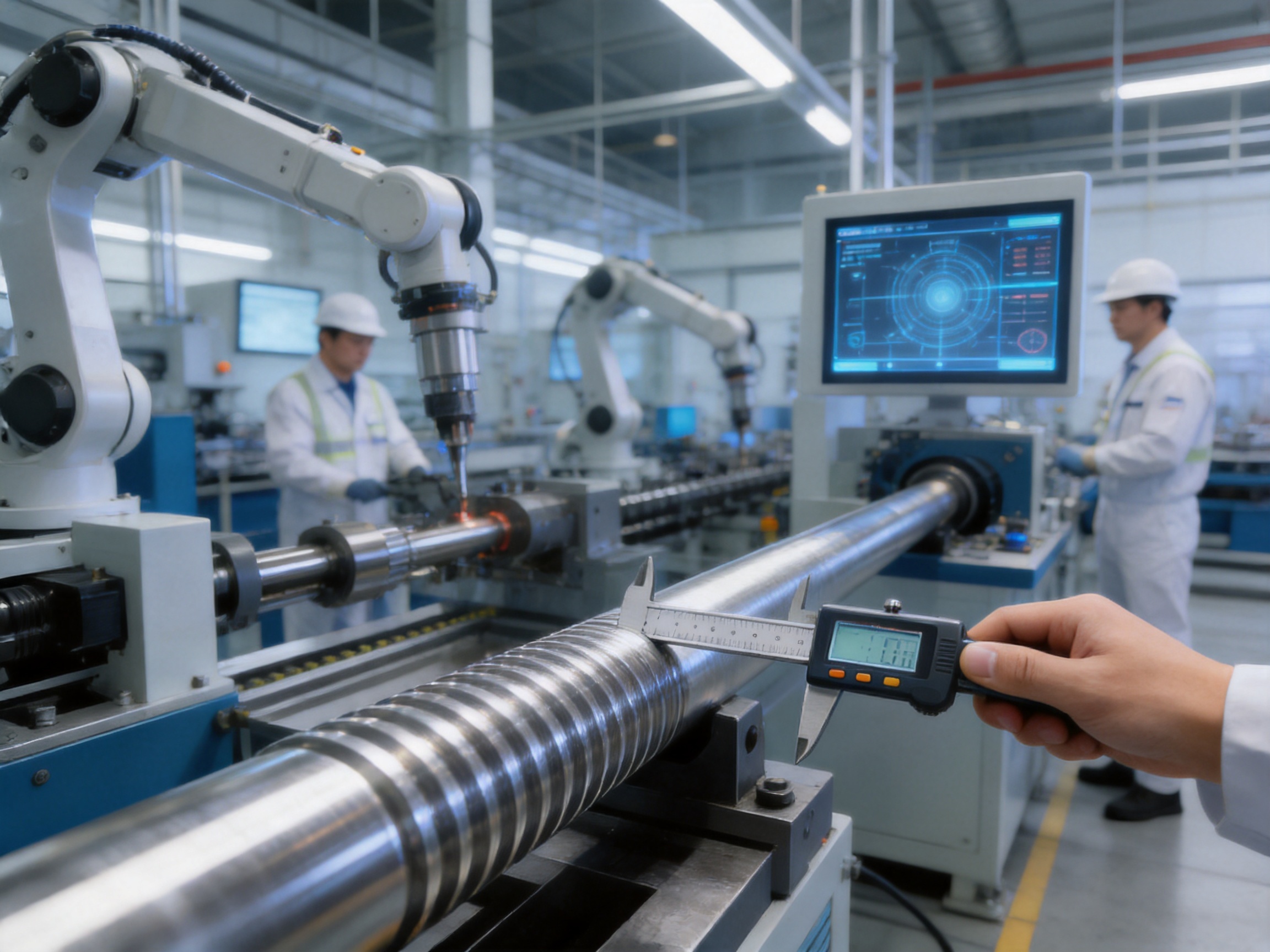
The company applies German Industry 4.0 intelligent manufacturing concepts, automated production lines, big data, Internet of Things technology, and full closed-loop quality control systems. These capabilities help strengthen product reliability and production efficiency. For elevator handrails and cabin interior parts, intelligent manufacturing can support more accurate fabrication, better batch consistency, improved traceability, and faster response to project requirements.
In traditional manual-heavy production, quality depends heavily on individual worker experience and may vary between batches. In an intelligent manufacturing environment, data-driven processes help reduce variation. Automated equipment can improve cutting, forming, surface treatment preparation, and assembly consistency. Digital systems can track production status, inspection results, and quality feedback. These advantages are especially valuable for international projects, where customers expect stable quality and reliable delivery.
Closed-Loop Quality Control
Closed-loop quality control means that quality is not inspected only at the end. Instead, each stage of production can generate feedback that helps prevent defects from continuing to the next step. For a handrail, this may include checks related to material preparation, dimensional accuracy, surface finish, bracket compatibility, packaging condition, and final inspection.
This approach gives TO-F001 a competitive advantage over products made in less controlled environments. When manufacturers rely only on final inspection, defects may be discovered too late, leading to rework, delays, or inconsistent shipment quality. Closed-loop quality management reduces these problems by connecting design, production, inspection, and improvement into one continuous system.
International Management Standards
The company complies with ISO9001, ISO14001, and OHSMS18001 standards. ISO9001 supports quality management and process consistency. ISO14001 reflects environmental management awareness. OHSMS18001 is related to occupational health and safety management. These standards are important because elevator products are used in buildings where safety, reliability, and responsible production are expected.
For customers selecting a cabin handrail, these standards indicate that the product is supported by a structured manufacturing organization. Buyers are not only purchasing a physical part; they are also relying on the manufacturer’s quality culture, documentation, process control, and commitment to continuous improvement.
Material and Finish Considerations
An elevator handrail must withstand frequent contact, cleaning, and environmental changes inside the cabin. While the exact configuration may vary by project, the design principle of TO-F001 emphasizes durability and visual stability. Material selection should support strength, comfortable touch, and resistance to typical cabin wear. Surface quality is also critical because fingerprints, scratches, cleaning marks, and reflections can affect passenger perception.
In competitive products, surface finish is one of the most common weak points. A low-quality handrail may show uneven polishing, inconsistent color, rough edges, or visible fabrication marks. These issues reduce the perceived value of the elevator. The TO-F001 is developed for a cleaner cabin impression, supporting both everyday applications and higher-end interior designs.
Another important consideration is cleaning. Elevators are public or shared spaces, so interior accessories must tolerate regular cleaning. A handrail with a suitable surface finish is easier to maintain and helps the cabin remain presentable over time. This is especially important in hospitals, hotels, shopping malls, office buildings, and residential properties with heavy traffic.
Ergonomics and Passenger Comfort
Good ergonomics means that the product feels natural and comfortable during use. In an elevator cabin, passengers may hold the handrail for only a few seconds, but that brief contact can influence their sense of safety. The TO-F001 is designed as a practical passenger support feature that can be comfortably gripped and visually recognized.
Ergonomic value is particularly important in hospital elevators. Patients may be weak, elderly passengers may require support, and medical staff may accompany wheelchairs, stretchers, or equipment. In such environments, a handrail is not optional decoration; it is part of a safer passenger experience. Villa elevators also benefit from ergonomic handrails because family members of different ages may use the elevator daily. In public buildings, a comfortable handrail supports accessibility and inclusive design.
Compared with products that are too thin, too angular, or poorly positioned, a well-designed handrail helps passengers use the cabin with less hesitation. It gives people a clear place to steady themselves. This psychological comfort is valuable because elevator travel can cause anxiety for some passengers, especially in tall buildings or high-speed systems.
Applications Across Elevator Categories
Passenger Elevators
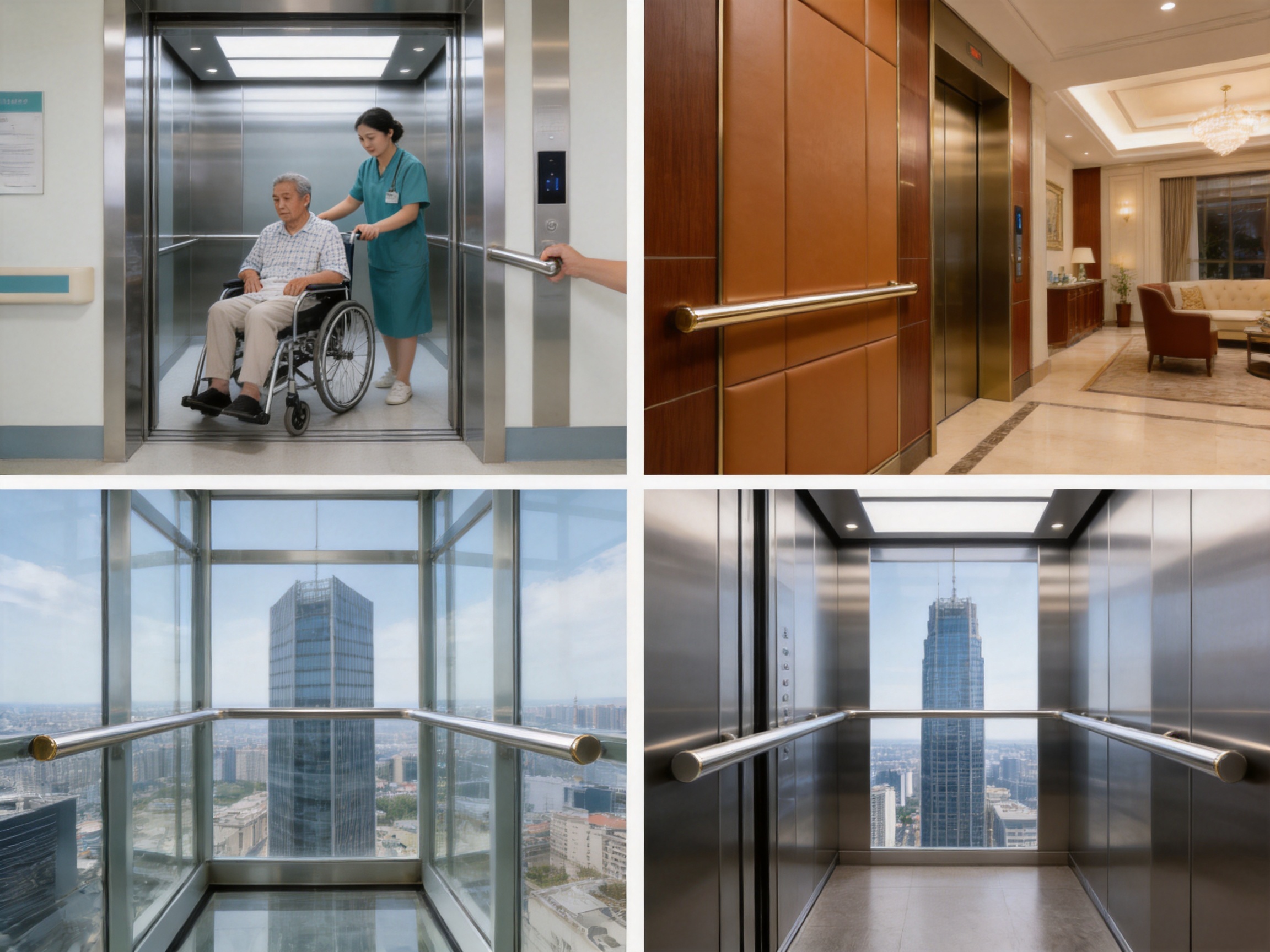
Passenger elevators are the most common application for the TO-F001. In residential apartments, office towers, hotels, schools, and commercial buildings, passenger elevators carry diverse users every day. The handrail adds support, improves cabin completeness, and contributes to a professional interior finish. For property developers, selecting a reliable handrail helps improve the perceived value of the building.
Panoramic and Observation Elevators
Panoramic elevators often use glass and open visual design. Their interiors must look clean, light, and modern. A bulky or poorly finished handrail can disrupt the transparent aesthetic. The TO-F001 can be integrated into observation elevator cabins where the accessory must support safety without overwhelming the design. Its role is to provide confidence while maintaining visual harmony.
Hospital Elevators
Hospital elevators have demanding usage conditions. They may transport patients, doctors, nurses, visitors, wheelchairs, medical carts, and emergency equipment. A handrail in this environment should be strong, practical, and easy to maintain. The TO-F001 supports hospital elevator cabins by giving passengers and caregivers a dependable support point. It also helps create a more orderly and reassuring cabin environment.
Home Villa Elevators
Home villa elevators require a different balance of qualities. They are used in private residences, where comfort, elegance, and personalization matter. A handrail must blend with interior decoration and suit the lifestyle of the homeowner. The TO-F001 can serve as a refined cabin accessory that supports both safety and residential beauty. It is especially useful for families with elderly members, children, or guests who appreciate extra stability.
Cargo Elevators
Cargo elevators are primarily designed for goods, but operators and workers may also ride in them depending on building usage and applicable rules. A durable handrail can provide useful support in cabins where loads, carts, and movement are frequent. The TO-F001 can be considered for cargo elevator interiors when a project requires improved usability and a more complete cabin structure.
Car Elevators
Car elevators are used in parking systems, automobile showrooms, residential garages, and commercial facilities. Their cabin interiors must accommodate vehicles and operators. A handrail can assist personnel entering or exiting the cabin area and contribute to a more controlled environment. For projects where visual quality is important, such as luxury residential buildings or automotive display spaces, a refined handrail can enhance the overall impression.
High-Speed Elevators
High-speed elevators require passengers to feel comfortable during rapid vertical transportation. Although the handrail does not control elevator motion, it can influence passenger confidence. A stable, well-positioned handrail helps users feel prepared during acceleration and deceleration. In premium high-rise buildings, handrail appearance must also match the quality expectations of the overall elevator system.
Design Integration with Cabin Interiors
The TO-F001 is part of the broader cabin interior environment. A good cabin design considers wall panels, floor materials, ceiling design, lighting, mirrors, control panels, ventilation, door finishes, and handrails as one coordinated system. If the handrail is selected without regard to these elements, the cabin may look unbalanced. If it is selected carefully, it can complete the interior composition.
For example, a modern office building may prefer a clean metallic interior with simple lines. A luxury hotel may prefer warm tones, mirror effects, and refined detailing. A hospital may prioritize brightness, cleanliness, and practicality. A home villa may require a more personalized style. The TO-F001 can be used in different design contexts because its purpose is both functional and aesthetic.
When compared with generic competitor products, a handrail supported by an elevator manufacturer offers better design awareness. Elevator cabins are compact spaces. Every accessory affects user movement and visual perception. Tenau’s experience in complete elevator solutions helps ensure that handrail selection is considered within the larger cabin environment rather than as an isolated product.
Installation Practicality
Installation quality directly affects handrail performance. Even a well-made handrail can fail to deliver its full value if installation is difficult, inconsistent, or poorly coordinated with cabin wall panels. The TO-F001 is designed with practical elevator installation in mind. For contractors and installation teams, this can help reduce unnecessary adjustment and improve project efficiency.
In competitive low-cost products, inconsistent dimensions or weak mounting components may create problems on site. Installers may need to modify brackets, correct alignment, or compensate for poor fabrication. These delays increase labor cost and may affect project schedules. A handrail from a professional elevator manufacturer is more likely to support smoother installation because the manufacturer understands elevator cabin construction and site requirements.
Installation practicality also matters for modernization projects. Existing cabins may have space restrictions, old wall panels, or unique layouts. A product that can be integrated efficiently is valuable for building owners who want to reduce downtime. Elevator modernization often must be completed quickly to minimize disruption for residents, tenants, patients, or customers. A dependable handrail component supports that goal.
Durability and Long-Term Value
Elevator handrails are touched thousands of times over their service life. They may be exposed to rings, watches, bags, cleaning tools, carts, and accidental impacts. Durability is therefore an essential value. A handrail that looks good only at the time of installation but quickly becomes scratched, loose, or discolored will reduce the cabin’s quality impression and may require replacement.
The TO-F001 is positioned for long-term value. Its advantage is not only initial appearance but also the manufacturing discipline behind it. When a product is made with consistent quality control, suitable materials, and professional process management, it is more likely to maintain performance under normal use. This reduces maintenance concerns and helps protect the investment of building owners and elevator operators.
Long-term value should be measured by total ownership cost, not only purchase price. A cheaper handrail may appear attractive during procurement, but if it requires more repairs, replacement, or installation corrections, the final cost may be higher. The TO-F001 offers a stronger value proposition by combining quality, usability, and manufacturer reliability.
Safety Culture and Environmental Responsibility
Tenau Elevator (China) Co., Ltd. identifies safety and environmental protection as part of its mission. This is important because elevator manufacturing is connected to public safety and sustainable building operation. A handrail may be a smaller component compared with the elevator drive system or control system, but it still participates in the safety experience of passengers.
Environmental responsibility is also relevant to component manufacturing. ISO14001 environmental management reflects a commitment to controlling environmental impact through structured processes. In modern construction and infrastructure projects, developers increasingly consider supplier responsibility, not only product price. A handrail manufactured within a company that values environmental management can support broader project sustainability goals.
Safety culture is reflected in details. Smooth edges, stable installation, reliable materials, consistent finishing, and proper inspection all contribute to a safer cabin. When a manufacturer applies safety thinking across the whole elevator ecosystem, even cabin accessories receive the attention they deserve.
Global Market Suitability
The company exports products to many countries and regions worldwide. This global experience helps support product development for different market expectations, building types, and project standards. Elevator handrails used in international projects must satisfy diverse preferences related to appearance, durability, installation habits, maintenance practices, and user expectations.
For overseas buyers, supplier reliability is often as important as product design. International procurement requires communication, documentation, packaging care, delivery coordination, and after-sales support. A manufacturer with export experience can better understand these requirements. TO-F001 is therefore suitable not only for domestic projects but also for international distributors, contractors, and developers seeking cabin interior parts from a professional elevator company.
The company’s location in Nanxun, Zhejiang Province, within the core of the Shanghai-Nanjing-Suzhou-Hangzhou economic circle, also supports manufacturing and logistics advantages. This region is known for industrial development, transportation convenience, and access to supply chain resources. Such advantages help strengthen production organization and delivery capability.
How TO-F001 Supports Brand Image for Buildings
Every building communicates a message through its public spaces. The lobby, corridors, lighting, signage, and elevators all influence how visitors judge the property. The elevator cabin is especially important because passengers are enclosed inside it and naturally observe its details. A scratched wall, unstable handrail, or poorly finished accessory can create a negative impression. A clean, stable, and elegant handrail supports a sense of care and professionalism.
For hotels, the elevator interior affects guest experience. For office towers, it reflects management quality. For hospitals, it contributes to patient confidence. For residential buildings, it influences owner satisfaction and property value. For villas, it becomes part of the home’s interior identity. The TO-F001 helps these environments present a more refined and dependable image.
Compared with competitor handrails that may be selected only to meet a minimum requirement, TO-F001 can be used as a design-conscious and quality-conscious choice. It supports both function and image, making it valuable for projects where the elevator cabin must align with the building’s overall standard.
Role in Elevator Modernization Strategy
Many older elevators remain mechanically serviceable but look outdated inside. Cabin modernization can improve user satisfaction quickly. A modernization package may include new wall panels, ceiling design, LED lighting, flooring, control panel upgrades, mirrors, and handrails. The TO-F001 can play an important role in this process by providing an updated safety and design feature.
Handrail replacement is especially effective because passengers directly notice and touch it. A new handrail can make the cabin feel cleaner, safer, and more modern. If the previous handrail was loose, worn, or visually outdated, the improvement can be immediate. For property managers, this is a practical way to enhance elevator experience without extensive structural change.
Modernization also supports accessibility. Buildings that serve elderly residents, patients, or public users may need to improve cabin usability. Adding or upgrading handrails can help meet these expectations. The TO-F001 gives modernization teams a professional option backed by an experienced elevator manufacturer.
Procurement Considerations for Buyers
When selecting an elevator handrail, buyers should consider more than price. Important factors include manufacturer background, product compatibility, surface quality, installation support, quality control, packaging, delivery reliability, and after-sales responsiveness. The TO-F001 is advantageous because it is supported by a company with complete elevator manufacturing capability and international market experience.
Buyers should also consider the building type. A hospital project may prioritize durability, cleanability, and passenger support. A hotel may prioritize appearance and finish consistency. A residential project may seek a balance between cost, safety, and style. A villa project may focus on customization and decorative harmony. A cargo or car elevator project may require robustness. The TO-F001 can be evaluated across these varied needs.
Another procurement factor is supplier stability. Elevator projects often require coordination over months or years. A supplier that can provide consistent quality and reliable communication reduces project risk. Tenau’s comprehensive business scope and manufacturing base provide confidence for long-term cooperation.
Quality Assurance from Design to Delivery
Quality begins before production. In the design stage, the manufacturer considers how the handrail will be used, how it will be installed, and how it will appear in the cabin. During production, process control helps ensure that components meet expected standards. During inspection, defects can be identified and corrected. During packaging, the surface must be protected to prevent damage during transportation. During delivery, documentation and communication help the customer receive the correct product for the project.
The TO-F001 benefits from this complete view of quality. A handrail is a visible product, so even small defects can matter. Scratches, stains, uneven surfaces, poor alignment, or bracket issues can create complaints. By applying systematic quality management, the manufacturer helps reduce these risks.
Closed-loop quality control also supports continuous improvement. If a problem is discovered, feedback can be used to improve the process. This is an important difference between professional manufacturers and simple trading suppliers. A trading supplier may replace a defective product, but a manufacturer with process control can identify and correct the root cause.
After-Sales and Project Support
Elevator products require responsible after-sales support. Although handrails are not as complex as drive systems or controllers, customers may still need support related to selection, installation, maintenance, or replacement. A company that integrates manufacturing, marketing, installation, and after-sales service is better prepared to support customers throughout the project lifecycle.
For international customers, after-sales support is especially important. Time zones, shipping distance, project documentation, and installation schedules can create challenges. Working with a professional manufacturer helps improve communication and reduce uncertainty. TO-F001 is therefore not only a product but also part of a broader service framework.
Maintenance Recommendations
Proper maintenance helps preserve the appearance and service life of the TO-F001 handrail. Building maintenance teams should clean the handrail regularly using appropriate non-abrasive cleaning methods suitable for the selected surface. Harsh tools or aggressive chemicals should be avoided unless approved for the material and finish. Regular inspection should confirm that the handrail remains securely installed and free from visible damage.
In high-traffic buildings, cleaning frequency should be increased. Hospitals, commercial centers, and public buildings may require daily cleaning because many passengers touch the handrail. Residential buildings may follow a routine maintenance schedule. Villa elevators may require less frequent cleaning but should still be inspected periodically.
If the handrail is damaged by impact or improper use, it should be assessed promptly. A loose or damaged handrail can reduce passenger confidence and may create safety concerns. Timely maintenance helps ensure the cabin remains safe, attractive, and comfortable.
Why TO-F001 Is a Strong Choice
The TO-F001 elevator handrail stands out because it is designed with a clear understanding of elevator cabin use. It supports passenger safety, improves cabin appearance, and benefits from the manufacturing strength of a comprehensive elevator company. Compared with ordinary competitor products, it offers stronger value through professional design awareness, manufacturing discipline, quality control, application versatility, and long-term reliability.
Its suitability for multiple elevator categories makes it practical for many project types. Whether installed in a passenger elevator, observation elevator, hospital elevator, home villa elevator, cargo elevator, car elevator, or high-speed elevator, the handrail contributes to a better passenger and operator experience. It is also suitable for modernization projects where cabin appearance and usability need improvement.
The product’s value is further strengthened by the company’s advanced manufacturing base, intelligent production concepts, automated lines, big data use, Internet of Things technology, and closed-loop quality control. Compliance with ISO9001, ISO14001, and OHSMS18001 standards reinforces the company’s commitment to quality, environmental management, and occupational safety.
Frequently Asked Questions
Q1: What is the TO-F001 product?
TO-F001 is an elevator handrail designed for elevator cabin interiors. It provides passengers with a stable support point and helps improve the appearance and usability of the cabin.
Q2: Which elevator types can use TO-F001?
The handrail can be considered for passenger elevators, panoramic and observation elevators, hospital elevators, home villa elevators, cargo elevators, car elevators, and high-speed elevators, depending on the project design and installation requirements.
Q3: Why is a handrail important in an elevator cabin?
A handrail supports passenger balance, improves accessibility, protects the cabin interior, and contributes to a more complete and professional cabin appearance.
Q4: How does TO-F001 compare with common low-cost competitor handrails?
TO-F001 is supported by comprehensive elevator manufacturing expertise, structured quality control, design integration knowledge, and advanced production processes. Many low-cost competitors focus only on basic appearance or minimum function, which may lead to inconsistent quality or installation issues.
Q5: Is TO-F001 suitable for hospital elevators?
Yes. Hospital elevators often require practical support features for patients, elderly users, caregivers, and medical staff. A dependable handrail improves passenger confidence and cabin usability.
Q6: Can TO-F001 be used in elevator modernization?
Yes. Replacing or adding a quality handrail can be an effective part of cabin modernization. It can improve safety perception, comfort, and visual quality without requiring a complete elevator replacement.
Q7: What manufacturing strengths support this product?
The product is supported by intelligent manufacturing, automated production lines, big data, Internet of Things technology, closed-loop quality control, and management systems aligned with ISO9001, ISO14001, and OHSMS18001 standards.
Q8: Does the handrail contribute to building image?
Yes. Elevator cabins are highly visible interior spaces. A refined and stable handrail helps buildings present a cleaner, safer, and more professional image to residents, visitors, patients, guests, and tenants.
Q9: What should buyers consider when selecting an elevator handrail?
Buyers should consider safety, appearance, manufacturer reliability, installation practicality, finish quality, long-term durability, maintenance needs, and compatibility with the overall cabin design.
Q10: How should the handrail be maintained?
It should be cleaned regularly with suitable non-abrasive methods and inspected periodically for secure installation and visible damage. Maintenance frequency should match the building’s traffic level and hygiene requirements.
Conclusion
The TO-F001 elevator handrail is a practical and refined cabin interior component that supports safety, comfort, and design quality. In an elevator, passengers interact with the handrail directly, making its quality highly visible and meaningful. A good handrail helps users feel secure, improves accessibility, protects the cabin, and completes the interior design.
What makes TO-F001 especially competitive is the manufacturing strength behind it. Tenau Elevator (China) Co., Ltd. combines German-origin industrial philosophy, advanced manufacturing systems, automated production capability, digital quality management, and international standards compliance. This gives the product an advantage over many ordinary handrails that may lack professional elevator engineering support.
For new elevator projects, TO-F001 can be integrated into a coordinated cabin design. For modernization projects, it can refresh the cabin and improve passenger confidence. For hospitals, villas, commercial buildings, observation elevators, cargo elevators, car elevators, and high-speed systems, it provides a reliable balance of function and aesthetics. As building owners and project teams increasingly value safety, appearance, and long-term reliability, the TO-F001 elevator handrail represents a strong and professional choice.
References
International Organization for Standardization. ISO9001 Quality Management Systems: Principles and Applications.
International Organization for Standardization. ISO14001 Environmental Management Systems: Requirements and Guidance.
Occupational Health and Safety Management Systems. OHSMS18001 Framework and Implementation Guidance.
Elevator World. Modern Elevator Cabin Design and Passenger Experience Studies.
Building Transportation Standards Review. Accessibility and Safety Considerations for Vertical Transportation Systems.
Industrial Manufacturing Journal. Industry 4.0, Automation, and Closed-Loop Quality Control in Equipment Manufacturing.
Product: TO-F001

Related Products
Related News
Built on safety, forging trust in vertical mobility.
lf you have any questions or need help, feel free to contact with our team.
 export@tenau.com.cn
 +86-18601458867
 +86-512-65059883
Elevator & Escalator
Factory Add
East of Xicheng Road, North of Lianyi Road, Nanxun Economic Development Zone, Nanxun District, Huzhou City, Zhejiang Province, P.R.China
Copyright © Tenau Elevator (China) Co., Ltd. All Rightd Reserved.
Custom High Quality Elevator Suppliers and World Brand Elevator Company