

 en
 Español
 русский
 中文简体

Industry News
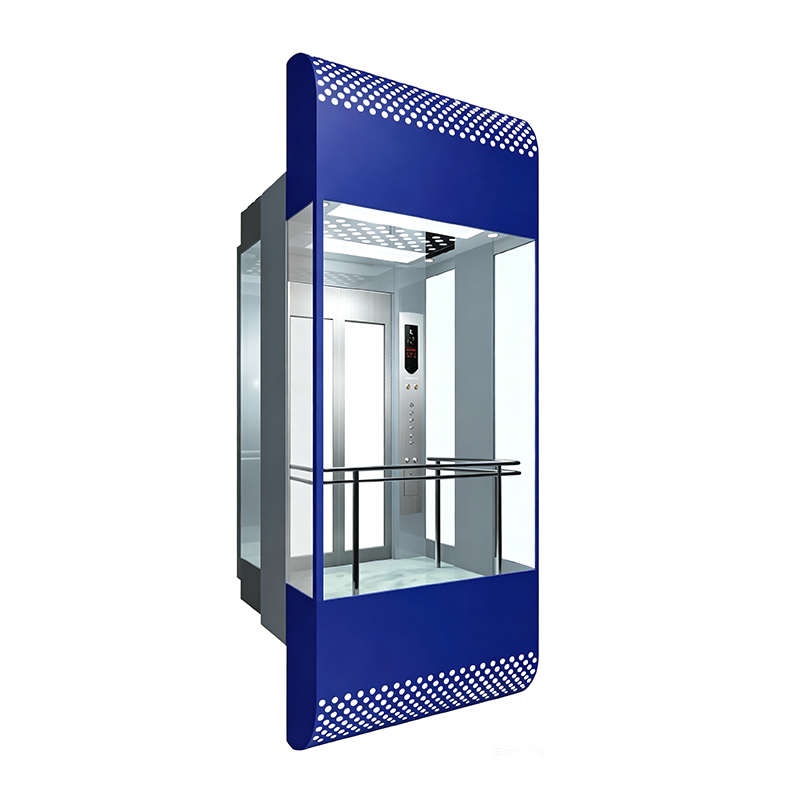 270-Degree Three-Sided Sightseeing Elevator with Baked Enamel Car CoverA compact observation elevator with a baked enamel exterior, suitable for facades with limited space. It provides architectural appeal and includes advanced safety features like infrared light curtains and UCMP.View Product →
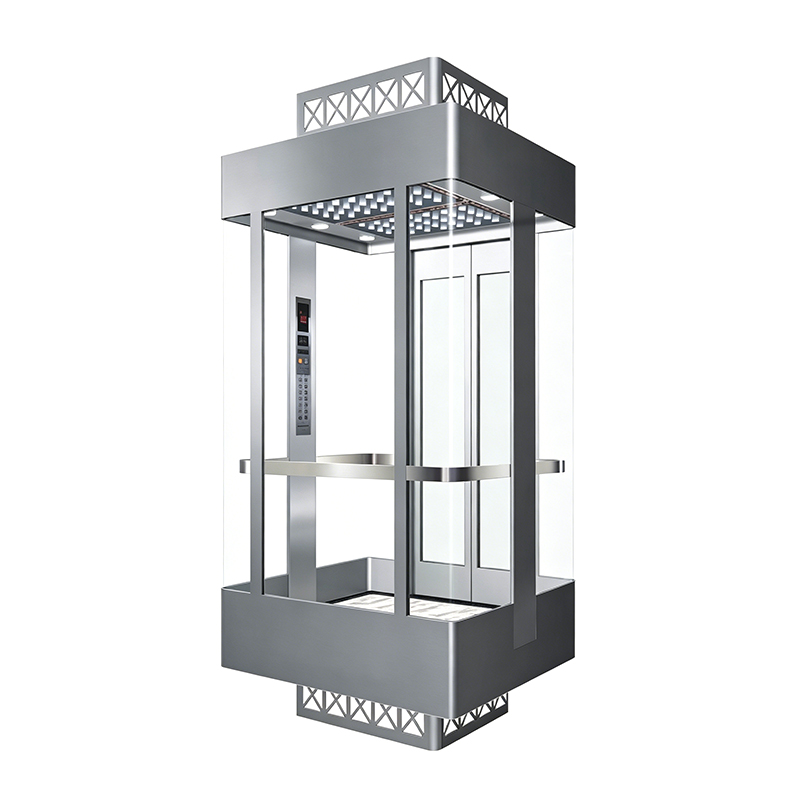 360-Degree Full-View Glass Observation Elevator for Commercial BuildingsThis elevator offers a continuous panoramic view, ideal for external shafts in malls and hotels. It combines laminated safety glass and steel frames, with smart management and safety systems to meet high-traffic demands.View Product →
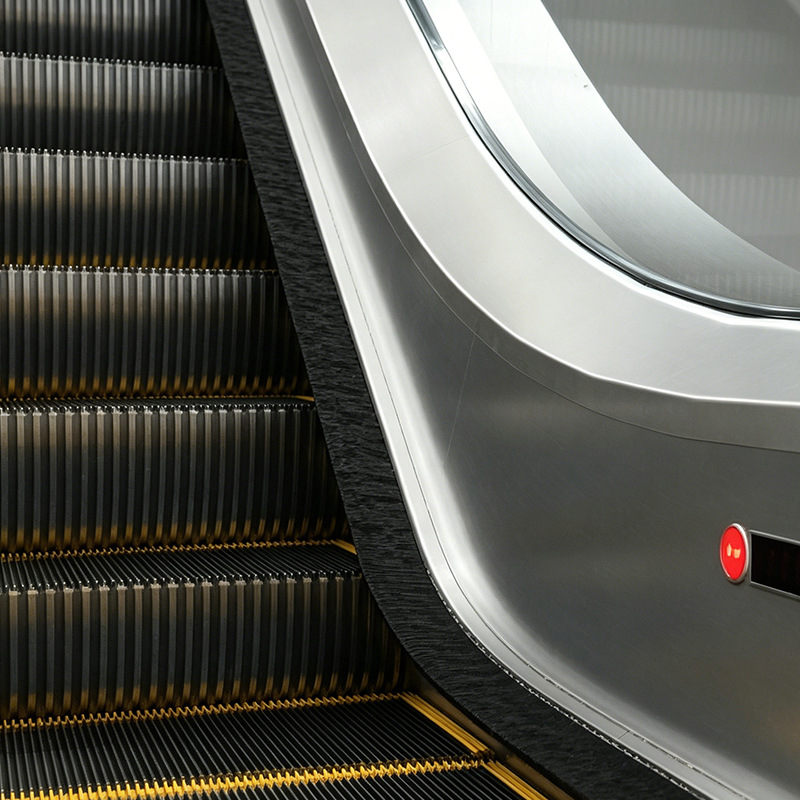 Heavy-Duty Public Traffic Escalator for Subway and Airport UseBuilt to public transport standards, this escalator withstands heavy footfall and outdoor exposure. Its 35° incline saves space while ensuring smooth operation, with comprehensive safety and energy-efficient features.View Product →
Commercial Outdoor Elevators: A Practical Buyer's Guide for Building Owners
Content
- 1 Why commercial outdoor elevators are a growing choice
- 2 Types and configurations that work in exposed environments
- 3 What to verify before you specify a commercial outdoor lift
- 4 Installation, maintenance, and total lifecycle cost
- 5 FAQ
- 5.0.1 Q1: Can a commercial outdoor elevator be fully weatherproof?
- 5.0.2 Q2: How long does an outdoor elevator last?
- 5.0.3 Q3: Does an outdoor elevator need special permits or structural work?
- 5.0.4 Q4: Can a glass observation lift be installed on an existing building?
- 5.0.5 Q5: What is the difference between commercial outdoor lifts and standard indoor models?
At a mixed-use building near the lake in Nanxun, the owner wanted to connect the ground-floor retail area with a rooftop restaurant and an outdoor terrace. Interior floor plates were already occupied by tenants, so the only practical route was an external lift on the façade. This is the reality for many commercial projects where accessibility, circulation and architectural appeal have to be solved without sacrificing rentable space. A commercial outdoor elevator is more than a vertical transport device. It is a structural element exposed to rain, ultraviolet radiation, wind loads and daily passenger traffic, all of which change the specification logic. This article explains what makes a commercial outdoor lift different and how to choose one that lasts.
Why commercial outdoor elevators are a growing choice
Commercial property owners choose outdoor lifts when interior space is limited or when adding an external shaft is cheaper than demolishing internal shafts. An exterior passenger lift can connect different building levels, serve as an entrance feature and reduce queuing at peak times. For buildings with a prominent façade, a glass-clad outer lift becomes part of the brand image rather than a utility installation.
The most common drivers are accessibility upgrades to older buildings, mixed-use developments with multiple level changes, and transport nodes where outdoor escalators move large passenger volumes. In each case, the machine must continue working reliably in rain, snow, dust and direct sunlight.
Shopping mallsHotelsOfficesTransit hubs
Types and configurations that work in exposed environments
Architectural glass observation lifts
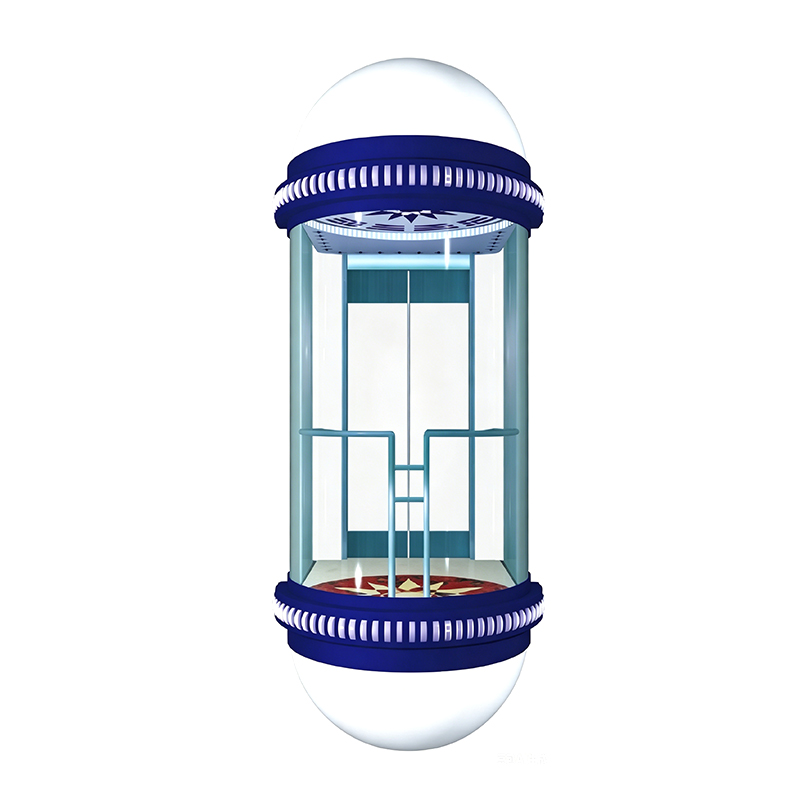
Glass observation lifts are a strong fit when the outdoor installation is expected to enhance the exterior. They use laminated safety glass, steel frames and decorative cabins, and they are often specified for shopping malls, hotels and landmark offices. A 360-degree fullview glass observation elevator provides a continuous view and is a common choice for external shafts. For façades with less space, a 270-degree three-sided observation elevator with baking enamel car cover offers a similar architectural effect with a compact footprint.
270-Degree Three-Sided Sightseeing Elevator with Baked Enamel Car CoverA compact observation elevator with a baked enamel exterior, suitable for facades with limited space. It provides architectural appeal and includes advanced safety features like infrared light curtains and UCMP.View Product →360-Degree Full-View Glass Observation Elevator for Commercial BuildingsThis elevator offers a continuous panoramic view, ideal for external shafts in malls and hotels. It combines laminated safety glass and steel frames, with smart management and safety systems to meet high-traffic demands.View Product →
Weather-protected passenger lifts
When visual openness is not the priority, a fully enclosed passenger lift with a weatherproof shaft is the more practical route. The cabin still allows complete customization of wall finishes, ceilings and floors, but the priority shifts to sealing, drainage and thermal insulation.
Outdoor escalators and moving walks
For high-volume outdoor circulation between levels, escalators are a proven solution. Heavy-duty models built to public transport standards withstand frequent starts, rain and heavy footfall. In a station or retail edge zone, a heavy-duty public traffic escalator designed to subway and airport standards can operate reliably in an unprotected environment.
Heavy-Duty Public Traffic Escalator for Subway and Airport UseBuilt to public transport standards, this escalator withstands heavy footfall and outdoor exposure. Its 35° incline saves space while ensuring smooth operation, with comprehensive safety and energy-efficient features.View Product →What to verify before you specify a commercial outdoor lift
Material and corrosion resistance
Stainless steel grades matter. Grade 304 is typical for indoor applications, but outdoor environments exposed to coastal air or road salt call for 316 or painted steel with a durable topcoat. Glass should be laminated safety glass with protective interlayers, and all joints require weather seals. A well-designed external lift must also include drainage to prevent water pooling around the doors and guide rails.
Load, speed and accessibility
Commercial outdoor models usually carry heavier loads than small residential lifts. Typical commercial lifts are available in capacities from 800 kg to 1600 kg, with door widths that accommodate wheelchairs, trolleys or stretchers. The speed should be matched to the building height and expected traffic; shorter travel distances do not need high-speed machines.
Environmental specifications
Ask for the IP rating of the control system and lights, normally IP54 or higher for exposed locations. The traction machine, door operator and limit switches should be rated for the temperature range of the project site. If the lift is located on an open façade, wind load on the glass and shaft structure must be checked with a structural engineer.
Outdoor specification checklist
- 316 stainless steel in coastal or high-humidity areas
- Laminated and tempered glass assemblies
- IP54 or higher electrical protection
- Drainage and condensation control in the shaft
- Lightning protection and earthing
- Door sill heating for freezing climates
Compliance and codes
Local building codes and elevator standards govern safety, footprint and electrical work. Commercial elevator installation standards play a direct role in door protection, emergency communication and evacuation procedures. An experienced manufacturer should provide drawings, wiring diagrams and acceptance documents for the local authority.
Supplier capability
Because outdoor projects combine manufacturing, sitework and after-sales support, choose a supplier with full elevator design, manufacturing, installation and after-sales service. Check whether the factory can customise cabin finishes, shaft structure and control systems. The value is not only in the machine but in the ability to coordinate delivery, civil work and commissioning.
Installation, maintenance, and total lifecycle cost
An outdoor lift installation involves more than dropping the machine into a shaft. The site needs structural steel or concrete work, waterproofing, electrical supply and a safe access route for equipment. Lead time is usually longer than an indoor installation because the shaft casing and weatherproofing are additional works.
| Configuration | Typical applications | Weather protection | Capacity | Maintenance priority |
|---|---|---|---|---|
| Glass observation lift | Shopping malls, hotels | High | 1000-1600 kg | Glass seals, glazing, décor |
| Protected passenger lift | Offices, multi-storey projects | Very high | 800-1350 kg | Door systems, rails, sealing |
| Heavy-duty outdoor escalator | Transit, retail | Medium-high | Standard | Steps, chains, handrails |
Routine maintenance is non-negotiable. Outdoor machines are exposed to moisture, temperature swings and UV, so seals and protective coatings wear faster. A maintenance programme should include monthly door and sensor checks, quarterly rail lubrication, annual safety device testing and regular inspection of cabling and drainage systems.
Both first cost and ongoing maintenance must be part of the budget. A cheaper outdoor lift may save money upfront but generate higher repair costs and shorter service intervals. A well-engineered external solution with quality materials usually delivers a lower total cost of ownership over 15 to 20 years.
FAQ
Q1: Can a commercial outdoor elevator be fully weatherproof?
No lift is completely weatherproof, but a correctly specified outdoor model includes sealed doors, drainage, moisture-resistant electrical components and corrosion-resistant surfaces. The level of protection depends on the site exposure and the enclosure design.
Q2: How long does an outdoor elevator last?
With proper maintenance, a commercial outdoor elevator can last 15 to 20 years or more. The service life is strongly influenced by material quality, installation workmanship and the maintenance regime.
Q3: Does an outdoor elevator need special permits or structural work?
Almost always yes. Any external lift needs structural supports, electrical supply and compliance with local building and elevator codes. A structural engineer should review wind loads, foundation and weatherproofing before installation.
Q4: Can a glass observation lift be installed on an existing building?
Yes. This is a common upgrade for hotels and mixed-use buildings. The main challenge is anchoring the shaft to the existing structure without disturbing the occupied interior. Survey and steel fabrication are usually the longest lead items.
Q5: What is the difference between commercial outdoor lifts and standard indoor models?
Outdoor models are designed for direct climate exposure, with higher-grade stainless steel, UV-stable coatings, sealed components and more careful drainage. They also need stronger structural protection against wind and rain, while indoor models do not face these loads.
Related Products
Related News
Built on safety, forging trust in vertical mobility.
lf you have any questions or need help, feel free to contact with our team.
 export@tenau.com.cn
 +86-18601458867
 +86-512-65059883
Elevator & Escalator
Factory Add
East of Xicheng Road, North of Lianyi Road, Nanxun Economic Development Zone, Nanxun District, Huzhou City, Zhejiang Province, P.R.China
Copyright © Tenau Elevator (China) Co., Ltd. All Rightd Reserved.
Custom High Quality Elevator Suppliers and World Brand Elevator Company