

 en
 Español
 русский
 中文简体

Industry News
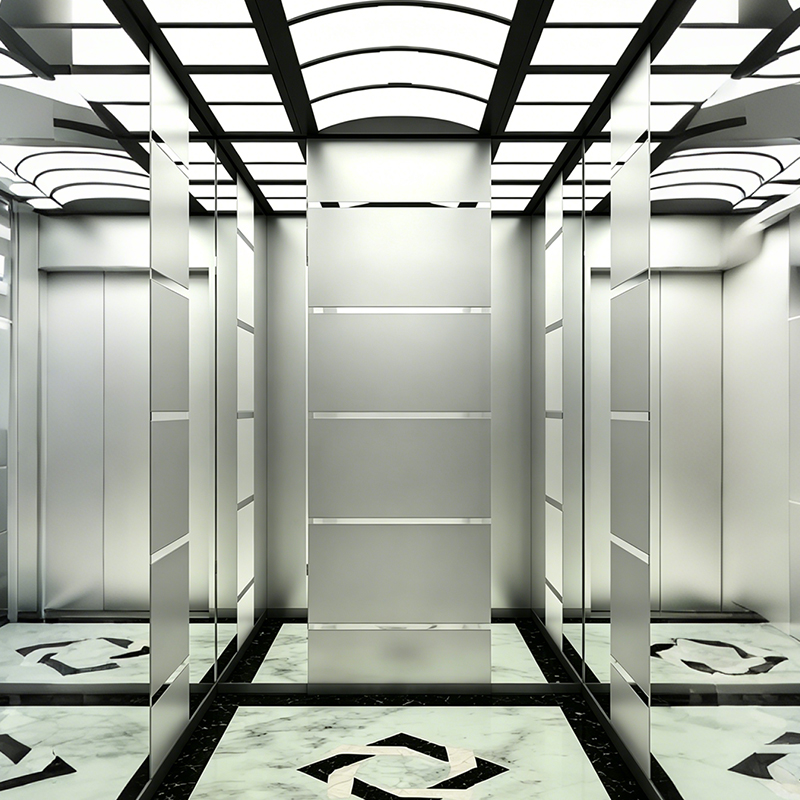 Mirror Finished Stainless Steel Passenger Lift with PVC FloorThis lift combines mirror-finished stainless steel walls with a PVC floor, offering a bright, fingerprint-prone surface that suits shopping malls while maintaining a professional, corrosion-resistant cabin.View Product →
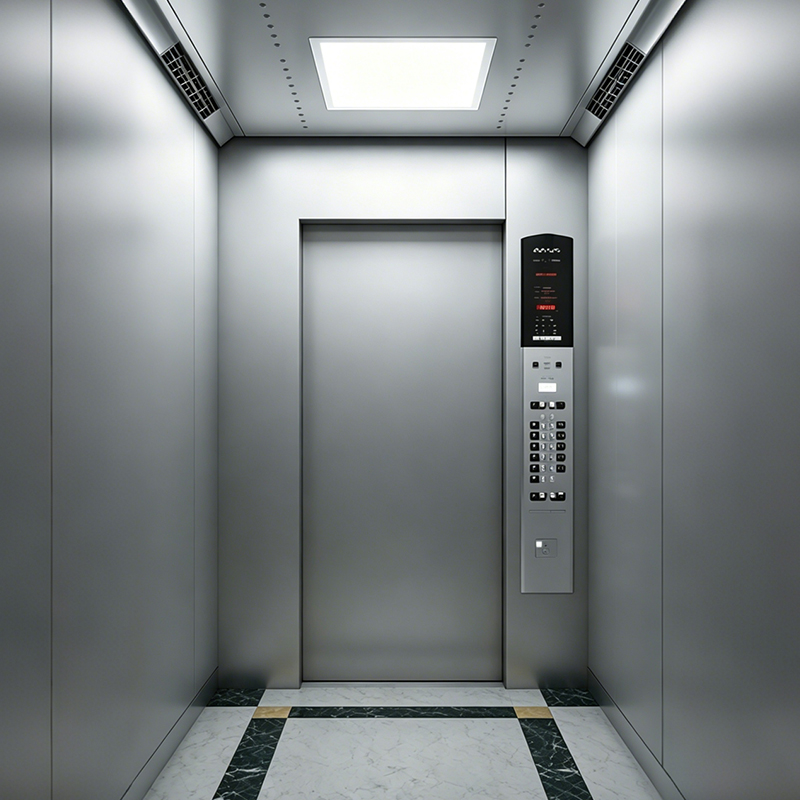 Modern Painted Steel Passenger Lift for Office BuildingsA cost-effective painted steel cabin with baked-enamel finish, available in many colors. Its heavy-duty construction suits office traffic, though impact may chip the coating—consider reinforced areas.View Product →
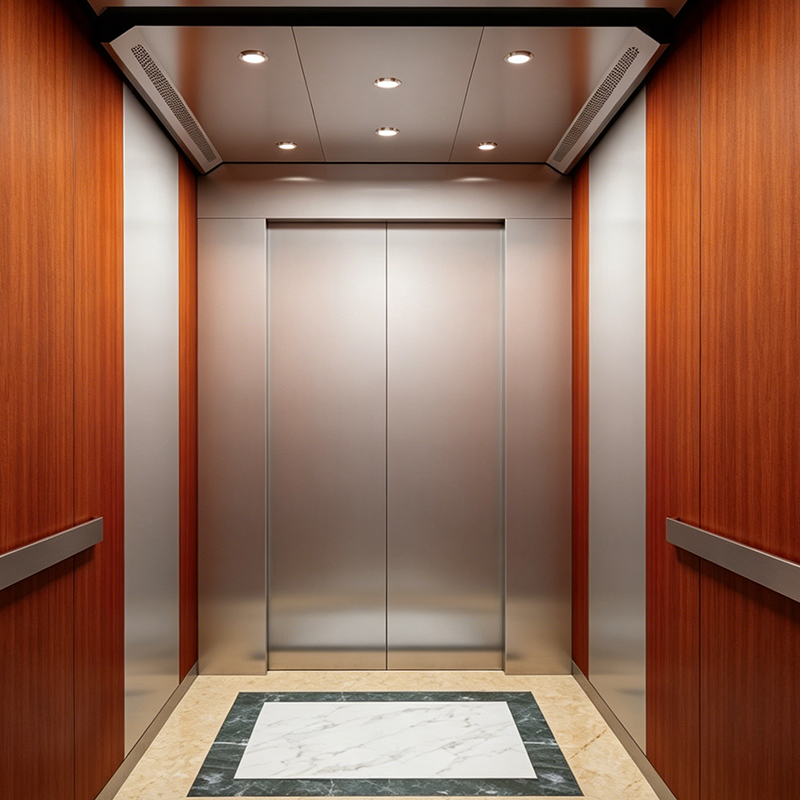
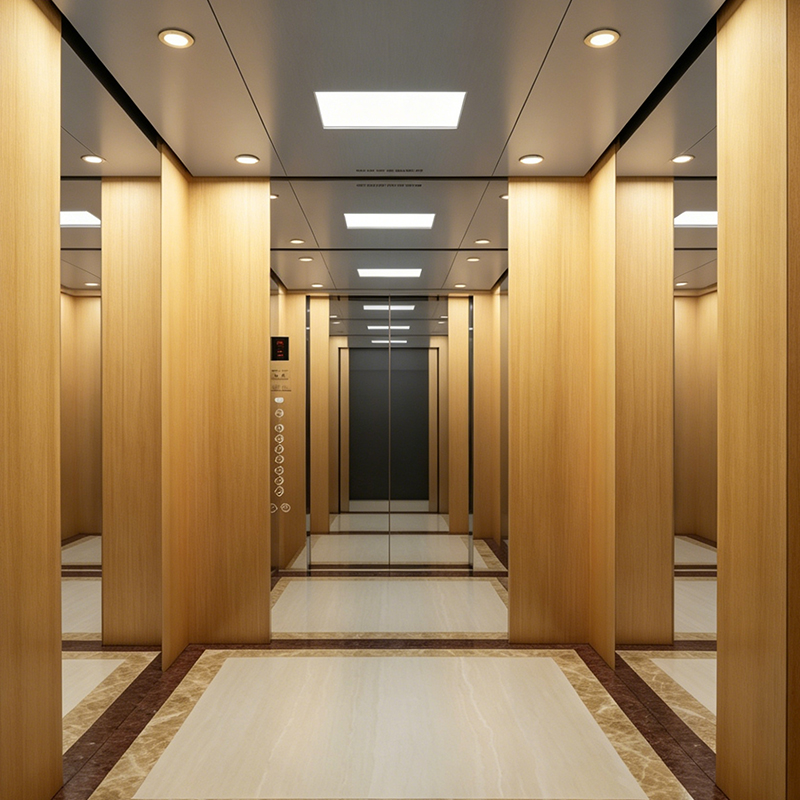 Commercial Passenger Lift with Wood Veneer FinishingThis lift features wood veneer bonded to metal substrate for a calm, upscale atmosphere ideal for hotels and business centers. Fire-retardant and humidity considerations apply for maintenance.View Product →
Elevator Cabin Materials Comparison: Stainless Steel, Wood, and Painted Steel
Content
- 1 Why Cabin Material Selection Is a Performance Decision
- 2 Main Cabin Material Categories Compared
- 3 Cabin Material Comparison at a Glance
- 4 Flooring, Ceilings, and Handrails Complete the Cabin
- 5 Matching Cabin Materials to Building Type
- 6 Procurement Checklist Before You Specify Cabin Finishes
- 7 Frequently Asked Questions About Elevator Cabin Materials
Two elevator cabins can share the same traction machine, door system, and controller, yet feel completely different inside. Change only the cabin materials, and one car will look dated within five years while the other still presents as new. That is why an elevator cabin materials comparison belongs in the early specification stage, not at the end. Material choice affects purchase price, daily cleaning, fire compliance, and the impression every passenger takes away.
Why Cabin Material Selection Is a Performance Decision
A shopping mall elevator can be cycled tens of thousands of times per year. Trolley impacts, wet umbrellas, disinfectant sprays, and graffiti test every finish. Materials that look elegant in a showroom behave very differently under that workload.
The real price of a cabin finish is not the cost per square meter. It is the cleaning hours, the replacement interval, and the passenger experience over 15 to 20 years of service.
Lifetime Cost
A maintenance-friendly finish reduces cleaning labor and spare part changes, often more than the initial material price difference.
Fire Compliance
Cabin panels must meet flame-spread and smoke-density limits. Verify the whole assembly, not just the visible layer.
Load Impact
Stone floors and glass walls add dead load that can change the counterweight calculation.
Passenger Perception
Surface quality is read as building quality. The cabin is the most inspected room in the building.
Three consequences appear when material selection is left too late. Flooring and wall weight affects the car balance. Decorative panels must be fire-rated as an assembly. And the building cleaning team, not the design team, will live with the result every night.
Main Cabin Material Categories Compared
Most cabins are specified with four material families: stainless steel, painted steel, wood veneer or wood-look panels, and glass or art panels. Each family has sub-variants that change how the finished cabin behaves.
Stainless Steel: The Default Choice for Durability
Stainless steel dominates commercial cabins because it resists corrosion, survives cleaning chemicals, and keeps a professional look. Grade 304 is preferred over grade 201 in humid or coastal areas. Wall panels are typically 1.2 mm thick, while doors and returns use 1.0 mm. Mirror stainless reflects light and makes a compact car feel wider, but it records fingerprints quickly. Hairline stainless hides smudges and light scratches far better, which is why hospitals, offices, and public buildings rely on it. Etched and titanium-plated stainless add color and pattern with the same cleaning behavior, and an anti-fingerprint coating will reduce daily wiping in busy cabins.
Mirror Finished Stainless Steel Passenger Lift with PVC FloorThis lift combines mirror-finished stainless steel walls with a PVC floor, offering a bright, fingerprint-prone surface that suits shopping malls while maintaining a professional, corrosion-resistant cabin.View Product →
Painted Steel: The Cost-Effective Color Solution
Painted steel panels use galvanized steel sheet with a baked-enamel or powder-coated finish. They cost less than stainless, allow almost any color, and appear in offices, apartment buildings, and freight elevators. The trade-off is impact resistance: when a trolley strikes the panel, the coating can chip and expose the substrate. Heavy-duty painted steel with reinforced framing is a standard freight cabin solution, while hybrid passenger cabins combine painted walls with stainless kick zones and push areas.
Modern Painted Steel Passenger Lift for Office BuildingsA cost-effective painted steel cabin with baked-enamel finish, available in many colors. Its heavy-duty construction suits office traffic, though impact may chip the coating—consider reinforced areas.View Product →
Wood Veneer and Wood-Look Finishes: Warmth With Extra Care
Wood veneer cabins bring a calm atmosphere to hotels, business centers, and villas. The veneer is bonded to an aluminum honeycomb or metal substrate so the panel stays flat. Fire-retardant treatments let the face panel meet the flame-spread limits applied to elevator cars, provided the full assembly is certified. Humidity remains the main risk: strong cleaners and moisture can damage the visible layer. Wood-grain printed steel or wood-effect laminates offer a similar look with less demanding maintenance.
Commercial Passenger Lift with Wood Veneer FinishingThis lift features wood veneer bonded to metal substrate for a calm, upscale atmosphere ideal for hotels and business centers. Fire-retardant and humidity considerations apply for maintenance.View Product →
Glass and Art Panels: The Showcase Option
Art glass and decorative mirror panels are used in luxury hotels and flagship retail lobbies. They create a memorable first impression, can be backlit, and make a small cabin feel open. The practical side is less forgiving: glass adds weight, records fingerprints, and costs more to replace if damaged. Laminated or toughened constructions reduce injury risk, and the extra weight must be checked against the rated load and counterweight.
Cabin Material Comparison at a Glance
The table below summarizes typical performance of the most common cabin materials on the criteria that matter during procurement and operation.
| Material | Durability | Daily Maintenance | Fire Behavior | Relative Cost | Common Use Cases |
|---|---|---|---|---|---|
| 304 Hairline Stainless Steel | High | Low | Non-combustible | Medium-high | Hospitals, offices, public buildings |
| Mirror Stainless Steel | High | Medium (smudges) | Non-combustible | Medium | Shopping malls, hotel lobbies |
| Titanium or Etched Stainless | High | Low | Non-combustible | High | Luxury commercial cabins |
| Painted Steel | Medium | Low | Coating dependent | Low | Offices, apartments, freight cabins |
| Wood Veneer | Medium | High | Needs treatment | High | Hotels, villas, business centers |
| Decorative Art Glass | Medium-high | High | Assembly dependent | Very high | Premium lobbies, showrooms |
These are typical behaviors rather than absolute ratings. Panel backing, coatings, and installation quality change how a specific product performs.
Flooring, Ceilings, and Handrails Complete the Cabin
Stone floors create a premium appearance but add roughly 60 to 100 kg per square meter. An average passenger cabin can carry an extra 150 to 250 kg, which must be reviewed with the manufacturer because it affects car balance and counterweight. PVC flooring is lightweight, waterproof, and easy to clean; it is the standard choice for most passenger elevators, with anti-slip textures available. Wood flooring suits villas but needs moisture protection, and steel riffled plates are specified for cargo and car elevators where heavy loads and wet wheels are common.
Ceilings have moved beyond simple lighting. Integrated LED ceilings with diffuser panels are the normal choice; mirror ceilings visually lift a small car, and painted steel ceilings control cost. Brushed stainless handrails are hygienic and easy to wipe, while wood handrails add warmth but need more care. When walls, floor, ceiling, and handrails are selected separately, the final result depends on how well the components match. Our guide to selecting the right elevator parts, cabin interiors, and passenger elevator system explains how to coordinate these choices through a single supplier.
Matching Cabin Materials to Building Type
A material that suits a boutique hotel may fail in a hospital corridor. Here are common building contexts and the material choices that work well in each.
Shopping Malls and Retail Stores
High traffic Cart impacts and daily disinfection demand resilient surfaces. Mirror stainless panels with a marble or PVC floor and an integrated LED ceiling deliver a bright, retail-ready look, and anti-fingerprint coating is strongly recommended.
Hotels, Offices, and Business Centers
Wood veneer creates the premium atmosphere hotels need. Offices usually prefer painted steel for budget control or hairline stainless for a corporate look. Hybrid designs, painted walls with stainless lower zones, are a practical compromise.
Hospitals and Medical Facilities
Hygiene first Healthcare cabins put hygiene first. Hairline stainless panels with minimal joints, PVC floors with welded seams, and round handrails without gaps are easier to disinfect and withstand constant bed and wheelchair movement.
Villas and Private Residences
Lower cycles Residential cabins allow bolder choices: rose-gold titanium, wood veneer, and decorative ceiling lighting. Because these cabins run fewer cycles, materials with higher maintenance needs become acceptable.
Factories, Warehouses, and Car Elevators
Impact resistant Freight and car cabins prioritize impact resistance and slip control. Heavy-duty painted steel walls, reinforced panels, and riffled steel floors handle pallet trucks, forklifts, and wet vehicles.
Procurement Checklist Before You Specify Cabin Finishes
Keep these points in the technical specification when you compare cabin materials from different suppliers.
- Confirm the fire rating of the finished panel assembly. Wall and ceiling surfaces should satisfy the flame-spread and smoke-density limits in the applicable standard, such as EN 81-20 or GB 7588.
- Define the cleaning protocol before choosing the finish. Harsh disinfectants shorten the life of wood veneer far faster than stainless.
- Request anti-fingerprint coating on visible stainless surfaces in public buildings.
- Protect impact zones with stainless steel around the car operating panel and the lower 300 mm of walls.
- Verify added weight; stone floors, glass walls, and heavy ceilings change the car dead load and may require counterweight adjustment.
- Ask for factory sample panels of at least 300 mm by 300 mm, reviewed under lobby-like lighting.
- Clarify spare part availability. Stone and patterned finishes are difficult to match years later.
- Prefer a manufacturer that controls ceilings, floors, and panels in-house, which shortens lead times and reduces color-matching risk.
Frequently Asked Questions About Elevator Cabin Materials
Q1: Which elevator cabin material is the most durable?
For wall and ceiling panels, 304 stainless steel with a hairline finish offers the best combination of corrosion resistance, scratch tolerance, and compatibility with aggressive cleaners. For the floor, PVC with anti-slip texture combines durability with low weight. The most durable choice for a specific project also depends on usage intensity and the maintenance routine the building can sustain.
Q2: Can wood veneer cabin panels meet fire safety requirements?
Yes, if the veneer is bonded to a non-combustible substrate, such as aluminum honeycomb or steel, and treated with fire-retardant coatings. The full panel assembly should be tested for flame spread and smoke density, because the adhesive and the coating affect fire behavior as much as the visible wood layer.
Q3: What is the difference between mirror and hairline stainless steel cabin panels?
Mirror stainless is highly reflective and visually enlarges the cabin, but it shows fingerprints and dust easily. Hairline stainless has a smooth satin texture that hides smudges and light scratches, which is why it is specified in most high-traffic public buildings.
Q4: How much extra weight does a stone cabin floor add?
A marble or granite floor typically adds 60 to 100 kg per square meter depending on thickness. An average 1.6-meter-deep passenger cabin can therefore carry an additional 150 to 250 kg, which must be verified against the rated load and counterweight before installation.
No single cabin material wins in every building. The right choice balances traffic intensity, cleaning capacity, fire compliance, and the design language of the project. Start with functional requirements, involve the elevator manufacturer during specification, and review real samples before ordering. A cabin selected that way will look good and perform well for decades.
Related Products
Related News
Built on safety, forging trust in vertical mobility.
lf you have any questions or need help, feel free to contact with our team.
 export@tenau.com.cn
 +86-18601458867
 +86-512-65059883
Elevator & Escalator
Factory Add
East of Xicheng Road, North of Lianyi Road, Nanxun Economic Development Zone, Nanxun District, Huzhou City, Zhejiang Province, P.R.China
Copyright © Tenau Elevator (China) Co., Ltd. All Rightd Reserved.
Custom High Quality Elevator Suppliers and World Brand Elevator Company