

 en
en Español
 русский
 中文简体
中文简体
Industry News
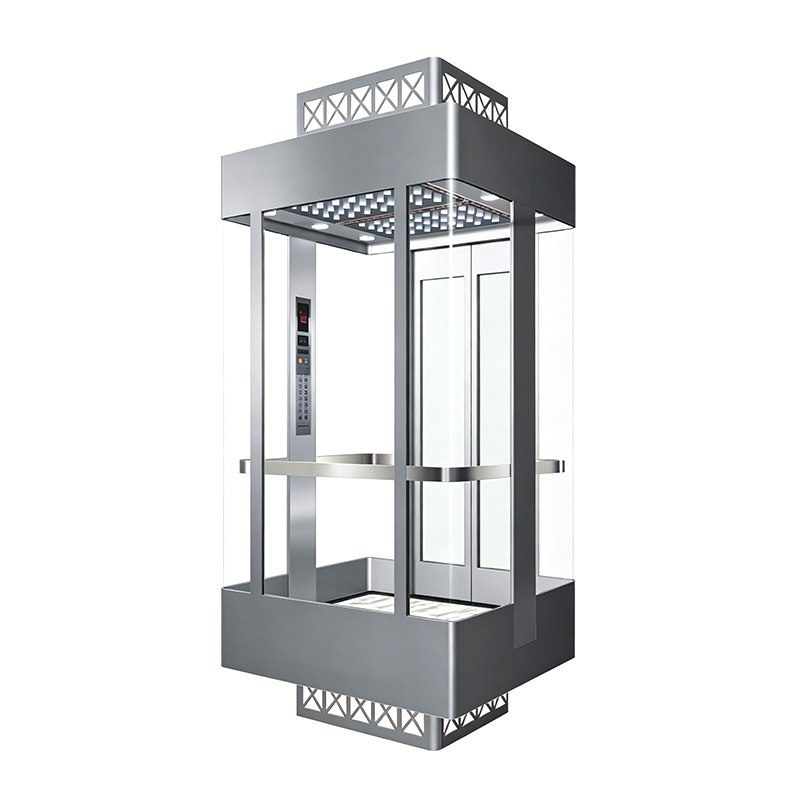 360-Degree Glass Observation Elevator for Commercial and Residential UseThis glass-enclosed elevator offers a panoramic view, making it ideal for hotels, malls, and upscale homes. It includes German-engineered safety systems such as UCMP and infrared curtains for reliable operation.View Product →
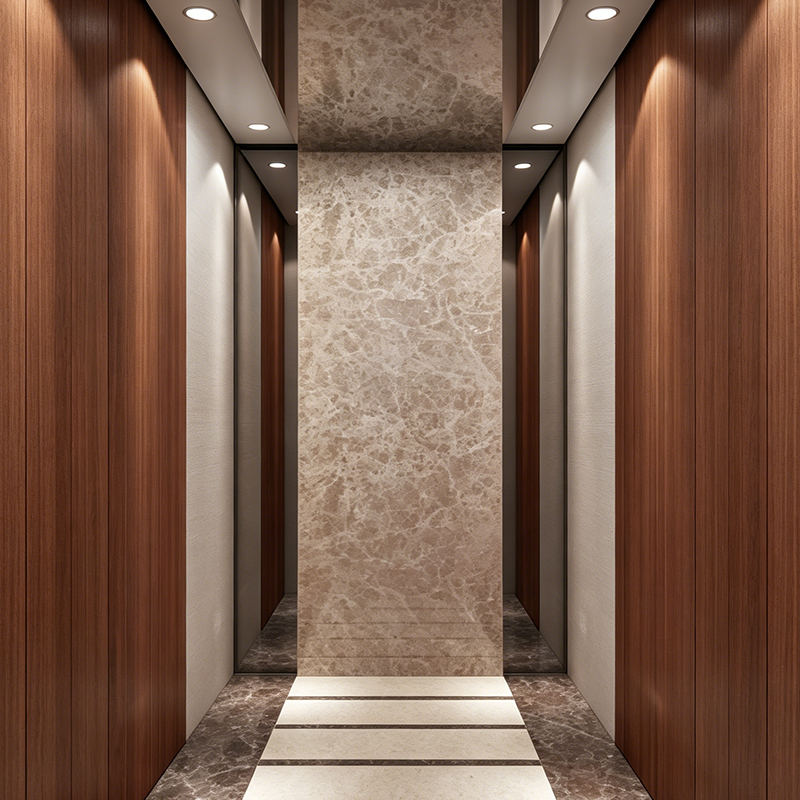 Compact Metal Stoving Varnish Home Elevator for Small SpacesDesigned for tight floor areas, this machine-roomless elevator features a stylish metal stoving varnish finish and quiet operation. It integrates intelligent controls and safety protections, suitable for small villa installations.View Product →
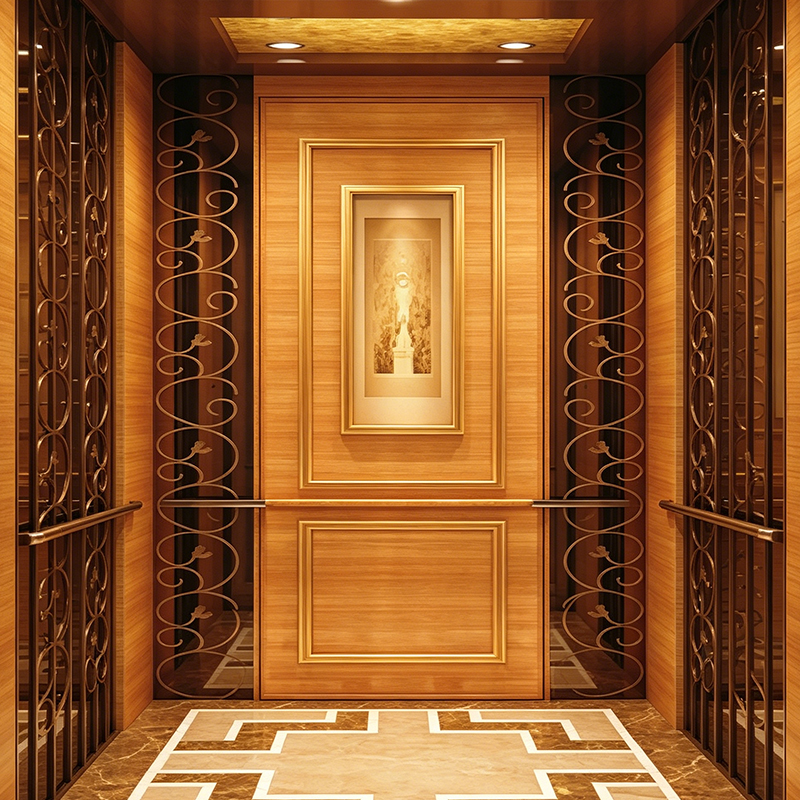 Rose Gold Mirror Stainless Steel Residential Elevator for VillasWith a rose gold mirror finish, this lift adds a decorative touch to private homes. It operates below 43dB and includes an intelligent control system, emergency self-rescue, and full safety features for comfortable use.View Product →
Outside Elevator for Home Buying Guide: Costs, Types, Safety & Installation
Content
- 1 What Is an Outside Elevator for Home?
- 2 Key Benefits and Use Cases
- 3 Types of Outdoor Home Elevators
- 4 Cost Factors for Outdoor Home Elevators
- 5 Installation Requirements and Building Considerations
- 6 Safety Features You Should Not Compromise
- 7 Maintenance and Long-Term Ownership
- 8 Frequently Asked Questions
Adding an outside elevator for home use is a practical decision that many property owners consider when they want to improve accessibility without giving up interior living space. An exterior lift affects more than daily convenience; it changes structural design, building approvals, weather protection, and long-term maintenance. The short version is that an outdoor home elevator is a workable investment if you plan the site, floor count, enclosure, and safety systems carefully before construction starts.
What Is an Outside Elevator for Home?
An outside elevator for home is a vertical passenger lift installed outside the building envelope and connected to one or more floors. It is usually placed inside a dedicated enclosure made from steel, aluminum, painted steel, or glass, and it serves two or three levels in a private residence.
This configuration is common when the interior floor plan is already occupied, when a sloped or waterfront site makes a ground-level entrance difficult, or when the owner wants the lift shaft to become a visible architectural element rather than a hidden system.
Key Benefits and Use Cases
An outdoor lift is not just an accessibility tool. It can also be a statement about the way you use your home. Here are the most common reasons homeowners choose this route:
- Preserves indoor floor space, which is valuable in compact lots.
- Works well on sloped or waterfront sites where a connecting bridge or staircase is costly.
- Allows aging residents to stay in a multi-level home with minimal interior renovation.
- Provides a clean, visible lift without cutting through the main staircase or bedrooms.
- Creates an exterior focal point that can be finished to match your home's facade.
When the enclosure uses glass, the lift also becomes a viewing space. A glass observation elevator gives you a continuous view of the garden or landscape while you move between floors. For a home with a strong outdoor setting, this adds value beyond simple transportation.
If you want to see how a glass enclosure looks in practice, consider the 360 degree fullview glass observation elevator, which is designed for exactly this kind of visual experience in residential and light commercial settings.
360-Degree Glass Observation Elevator for Commercial and Residential UseThis glass-enclosed elevator offers a panoramic view, making it ideal for hotels, malls, and upscale homes. It includes German-engineered safety systems such as UCMP and infrared curtains for reliable operation.View Product →Types of Outdoor Home Elevators
The right drive system depends on your travel height, cabin load, and the amount of interior space you are willing to give to the machine.
Traction-Driven Lifts
These use a counterweight and steel ropes or belts. They are often energy-efficient and smooth, which makes them suitable for taller runs where ride comfort matters.
Hydraulic Drive Systems
Hydraulic lifts are reliable in low-rise residential settings, especially when the load is heavier or when the installation site has an existing machine-room pocket. They tend to require a dedicated oil tank and power unit, so outdoor weather protection must be carefully designed.
Screw-Driven Lifts
Screw drives use a threaded shaft and a nut to move the car. They are compact and often chosen for small footprints, but the user may perceive slower travel and a slightly different ride feel.
Machine-Roomless Configuration
A machine-roomless design puts the drive unit inside the hoistway, which saves space and reduces visual clutter. This matters especially outdoors, where a separate machine room would add cost and complicate weatherproofing.
When floor area is tight, an elegant metal stoving varnish home villa lift for small spaces offers a compact footprint without sacrificing a finished look.
Compact Metal Stoving Varnish Home Elevator for Small SpacesDesigned for tight floor areas, this machine-roomless elevator features a stylish metal stoving varnish finish and quiet operation. It integrates intelligent controls and safety protections, suitable for small villa installations.View Product →
Enclosure Materials You Should Evaluate
- Glass or laminated safety glass with tinting for visible shafts.
- Powder-coated steel for low maintenance and strong weather resistance.
- Aluminum columns or anodized sections for lightweight structural framing.
- Stainless steel panels for a polished exterior look near the entrance doors.
Cost Factors for Outdoor Home Elevators
In the domestic market, an outdoor elevator for home use typically falls in a range of about $25,000 to $80,000 or more, depending on the specification. A top-end installation with a large glass shaft, decorative finishes, and a custom machine-roomless drive can exceed that range. The following variables have the biggest impact on your final quotation:
- Number of stops and the floor-to-floor distance.
- Enclosure type and dimensions: glass, steel, or a combination.
- Drive system choice: hydraulic, traction, or screw drive.
- Site preparation: foundation, drainage, power routing, and scaffolding.
- Custom extras: cab materials, lighting, doors, and operator controls.
- Shipping distance and installation complexity in your area.
Key takeaway: Compare the total installed cost, not the unit price. Some suppliers include the shaft, while others expect you to budget the enclosure separately.
Material finishes are a major price driver. If the shaft is visible from the driveway or garden, most homeowners want it to match the existing façade. A rose gold mirror stainless steel residential lift can give the exterior a clean, decorative tone while keeping the maintenance schedule similar to other metal-clad systems.
Rose Gold Mirror Stainless Steel Residential Elevator for VillasWith a rose gold mirror finish, this lift adds a decorative touch to private homes. It operates below 43dB and includes an intelligent control system, emergency self-rescue, and full safety features for comfortable use.View Product →Installation Requirements and Building Considerations
An outdoor lift is not a plug-and-play appliance. It requires careful planning before the first hole is cut.
Structural Load and Foundation
The shaft needs a stable foundation and the ability to transfer weight to the ground or to an approved structural support. A structural engineer should verify the location and the load path. If the home sits on a slope, the foundation design must also account for drainage and soil stability.
Weather Protection and Drainage
Since the lift is outside, water, wind, and temperature swings are permanent design constraints. The enclosure should include a roof or canopy, weather-sealed doors, adequate drainage at the base, and protection for electrical boxes. The drive unit should be located or housed to avoid freezing, especially in colder regions.
Building Permits and Local Codes
Most municipalities require an elevator permit and a final inspection. You may also need zoning approval if the shaft alters the building's footprint. It is a good idea to read more about specific building requirements for home elevator installation before you commit to a layout.
Power and Emergency Backup
A reliable power supply and a backup system are essential. Many residential outdoor lift installations include a battery-powered lower or auto-recall function for power outages, which is particularly important when the lift is the only accessible route to the main entrance.
Safety Features You Should Not Compromise
A home elevator is safety-critical equipment, even at low speed. The following features form a practical minimum for any outdoor residential lift:
- Mechanical safety gear and overspeed governor.
- Door interlocks that stop the car from moving when a door is open.
- Emergency stop button and a two-way communication system.
- Battery backup or manual lowering capability during a power outage.
- Anti-creep and anti-stalling devices for hydraulic and screw systems.
- Weather-resistant electrical components with sealed enclosures.
Ask the manufacturer to state the safety standards their product follows. Also, confirm that the local inspector accepts the product for residential use. If you install the lift for a family member with reduced mobility, verify that the car width, door width, and interior grab rails are suitable for the individual's needs.
Maintenance and Long-Term Ownership
Outdoor equipment works harder than indoor equipment. Rain, dust, and freezing temperatures accelerate corrosion and wear. Plan for an annual maintenance contract with a trained technician who knows how to inspect:
- Door seals and interlocks for weather wear.
- Guide shoes or rollers on the rails.
- Hydraulic fluid levels and oil leaks, if applicable.
- Brake assemblies, safety gear, and governor.
- Electrical panel condition, especially after wet seasons.
A strong after-sales and spare parts network matters more for a homeowner than for a commercial building. When you compare suppliers, replace a vague promise with a written response about service response time, parts availability, and warranty terms.
Tenau Elevator's manufacturing and after-sales capabilities show what an integrated provider can offer when it controls both the product and the support channel.
Frequently Asked Questions
Q1: How much does an outside elevator for home cost?
Expect to pay roughly $25,000 to $80,000 for a complete outdoor home elevator, with custom glass shafts and decorative finishes pushing the total higher. Always get a written quote that includes the enclosure, installation, and site preparation.
Q2: Can I add an outdoor elevator to an existing house?
Yes. A well-designed exterior lift can be added to almost any residential structure, provided that the foundation and wall supporting structure are capable of carrying the shaft and machine loads. An engineer's assessment is typically required.
Q3: Is an outside home elevator safe?
Yes, when it is installed and maintained according to recognized safety standards. The key is to insist on the safety features listed earlier and to keep the unit serviced by a qualified technician.
Q4: How much space do I need?
Space requirements depend on the drive system and car size. Screw-driven and some machine-roomless lifts can fit into a footprint of roughly 50 to 80 centimeters by 80 centimeters, while a large glass panoramic shaft will need substantially more room for the enclosure and moving machinery.
Q5: Does an external home elevator add property value?
It can. A cleanly designed unit that improves accessibility and looks like part of the home is likely to help if the property is sold. The best value usually comes from a well-planned install that minimizes false starts and rebuild work.
Choosing the right outside elevator for home use starts with answering a few practical questions: how many floors you need to serve, how much room the shaft can consume, what the site weather will do to the materials, and which safety features the local authority expects. Once those answers are set, compare offers from suppliers who can provide a genuine site survey and a written scope of work. That habit will save you from the two most common mistakes in this project: underestimating the civil work and overlooking the maintenance burden.
Related Products

Related News
Built on safety, forging trust in vertical mobility.
lf you have any questions or need help, feel free to contact with our team.
 export@tenau.com.cn
 +86-18601458867
 +86-512-65059883
Elevator & Escalator
Factory Add
East of Xicheng Road, North of Lianyi Road, Nanxun Economic Development Zone, Nanxun District, Huzhou City, Zhejiang Province, P.R.China
Copyright © Tenau Elevator (China) Co., Ltd. All Rightd Reserved.
Custom High Quality Elevator Suppliers and World Brand Elevator Company