


 en
en Español
 русский
 中文简体
中文简体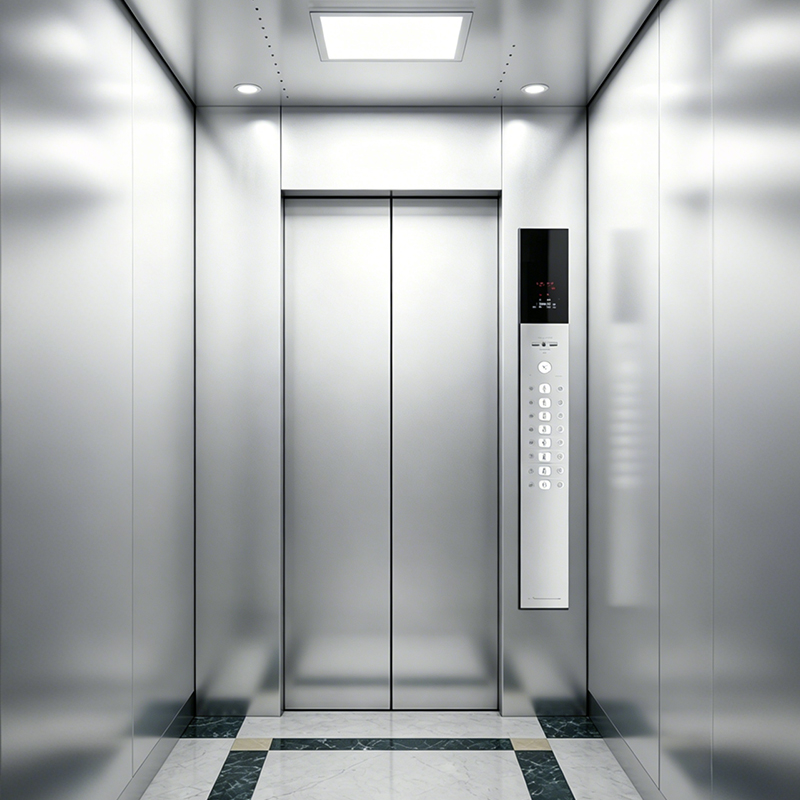





What Role Do Elevator Landing Doors Play in an Elevator System?
In modern architecture, elevators are no longer merely vertical transport tools connecting different floors; they are vital facilities that integrate safety, intelligence, aesthetics, and a comfortable user experience. As one of the first points of contact for passengers before entering the elevator car, landing doors not only serve the crucial function of isolating the hoistway and ensuring operational safety but also directly influence the elevator system's overall performance and the visual quality of the architectural space.
While many people focus on speed, load capacity, and control systems, the vital role of landing doors is often overlooked. In reality, landing doors act as a critical protective barrier within the elevator safety system; their structural design, manufacturing quality, and operational stability are closely linked to passenger safety, equipment longevity, and the daily user experience.
What Function Do Landing Doors Serve?
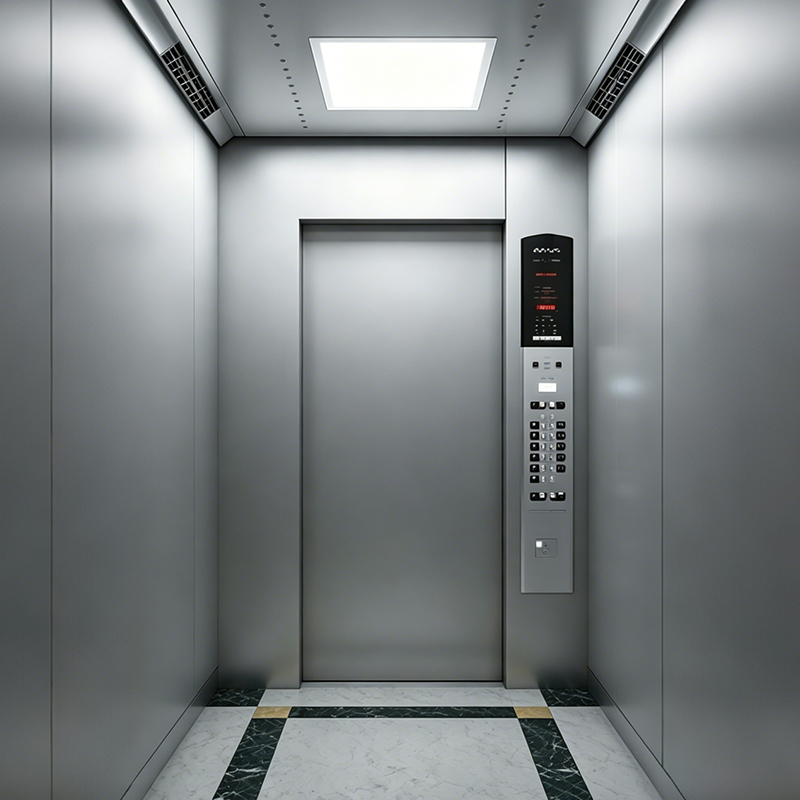
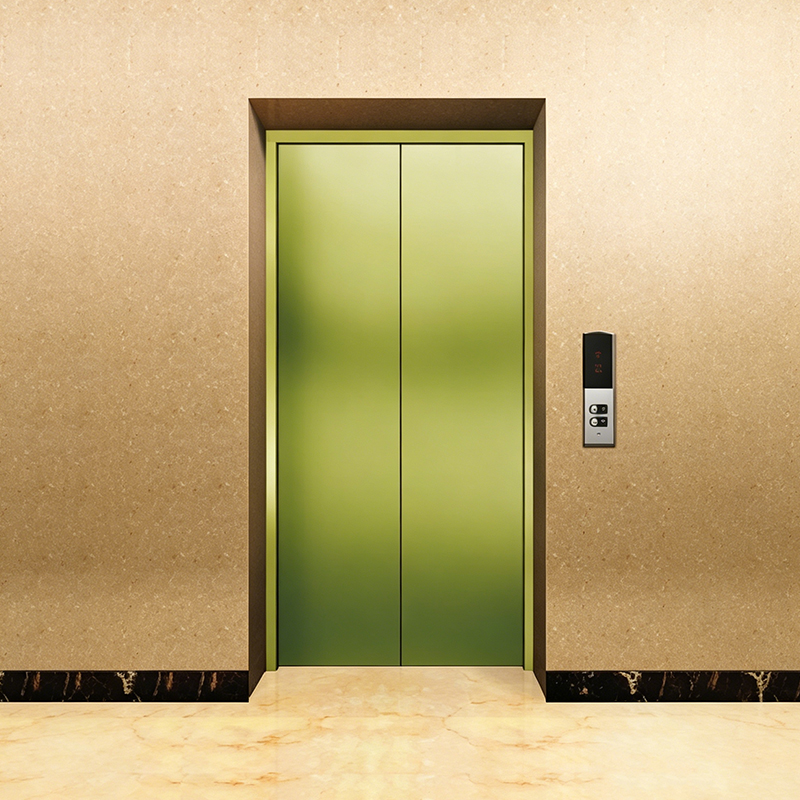
Landing doors are installed at the elevator entrance on each floor and, together with the car doors, form the elevator's door system. When the elevator stops at a designated floor, the landing doors and car doors open synchronously, allowing passengers to safely enter or exit the car. During operation, the landing doors remain closed, effectively isolating the hoistway from the building's public areas.
Their most important function is safety protection. Given the significant vertical drop associated with elevator hoistways, any issues with landing door design or operation could pose serious safety risks. Therefore, high-quality landing doors must feature reliable locking mechanisms, precise opening and closing controls, and stable mechanical structures to ensure they open only when the elevator car has stopped accurately and all safety conditions are met.
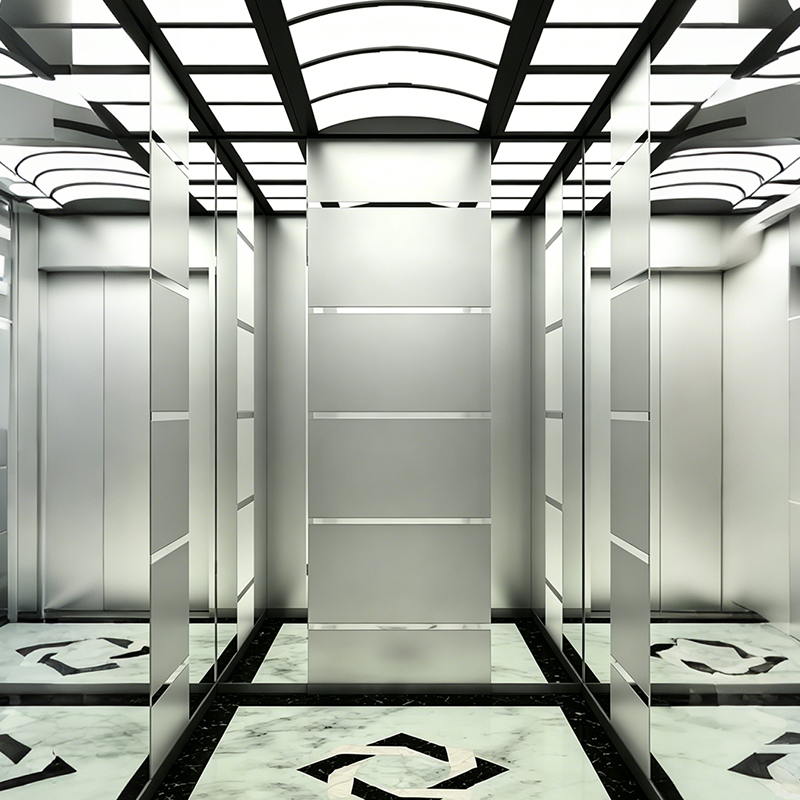
Landing doors also contribute to user comfort. A superior door system ensures smooth opening and closing, minimizes operational noise, and reduces passenger discomfort while waiting. Furthermore, the aesthetic design of the landing doors is an integral part of the elevator lobby environment; the choice of materials, colors, and styling can enhance the overall visual appeal of the space.
What Core Performance Characteristics Must High-Quality Landing Doors Possess?
As architectural requirements evolve, modern landing doors have advanced from simple mechanical structures into sophisticated components that integrate safety technology, precision manufacturing, and intelligent control systems.
Safety and Reliability
Safety and reliability are the most fundamental and critical requirements for elevator landing doors. Landing doors must withstand the stress of frequent opening and closing; consequently, the strength of the door panels, the stability of the door operating system, and the reliability of the safety locking mechanism directly impact elevator operational safety.
This is particularly critical in high-traffic environments—such as commercial centers, hospitals, and airports—where landing doors may undergo hundreds or even thousands of operating cycles daily, necessitating exceptional durability.
Smooth and Quiet Operation
Operational smoothness is another key benchmark for landing door quality. Advanced landing door systems utilize precise control to ensure quiet, low-vibration operation, allowing the door panels to move fluidly while preventing issues such as stuttering, impact, or incomplete closure.
This not only enhances passenger comfort but also reduces long-term maintenance costs.
Aesthetic Design and Architectural Integration
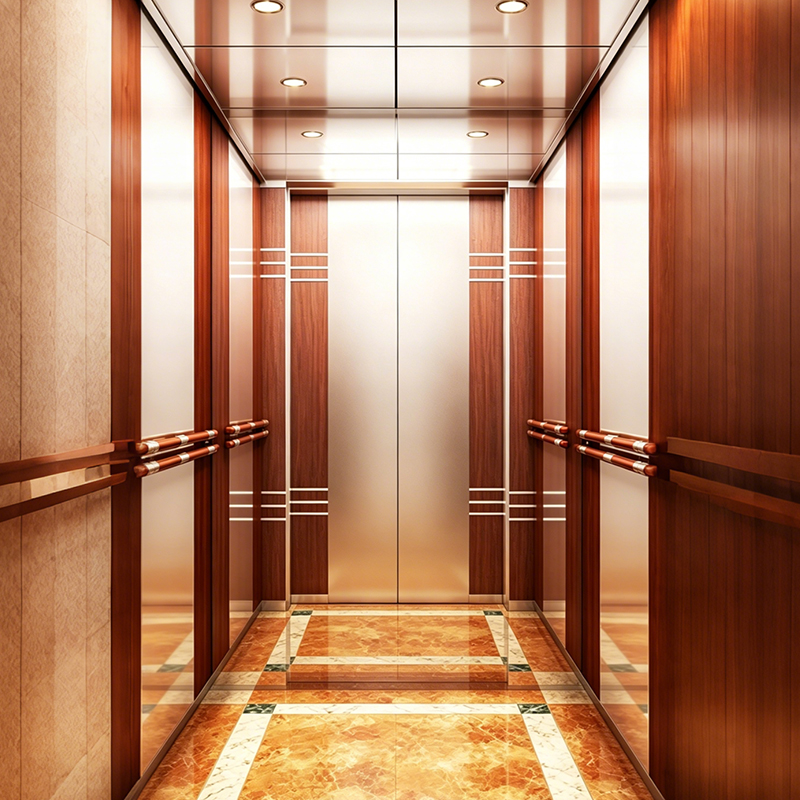
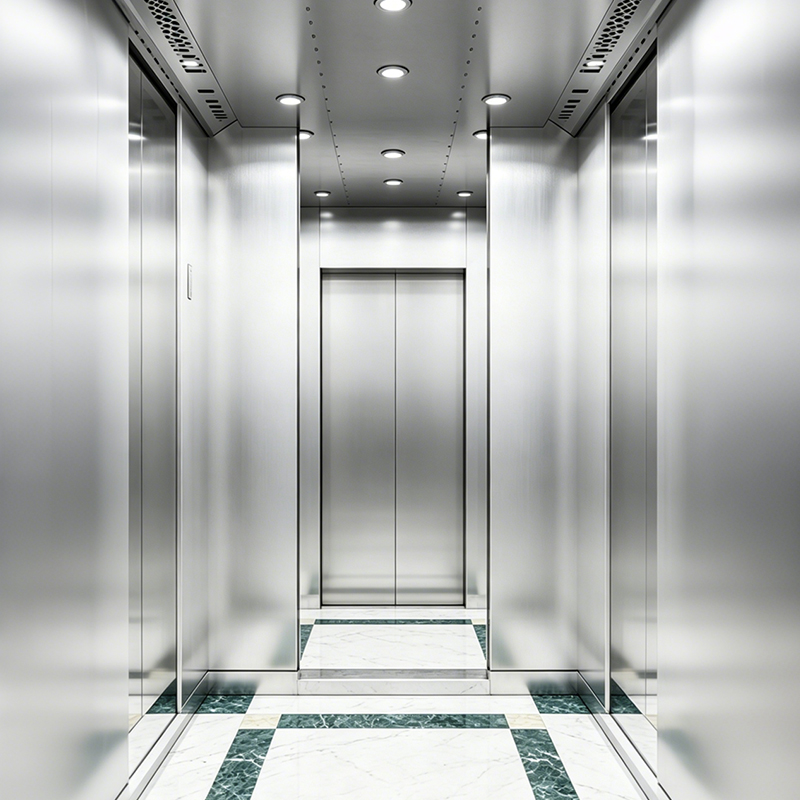
Furthermore, as modern architecture places increasing emphasis on aesthetics, elevator landing doors have become vital elements in reflecting a building's quality. Projects can select from various materials—such as stainless steel, decorative panels, or glass—and combine them with specific textures, colors, and surface finishes to create a visually harmonious elevator lobby.
Why Do the Design and Manufacturing of Elevator Landing Doors Require Professional Technical Expertise?
Although elevator landing doors may appear structurally simple, their development involves multiple disciplines, including mechanical design, materials science, precision engineering, and safety standards. A robust landing door system requires a careful balance between structural strength, spatial compatibility, operational efficiency, and safety compliance.
Customized Design for Different Application Scenarios
During the design phase, manufacturers must tailor their development to specific building types, elevator specifications, and operating environments. For instance, residential elevators prioritize quiet operation and long-term stability; commercial elevators emphasize wear resistance and aesthetic quality for high-frequency use; and hospital elevators must account for wider openings, enhanced reliability, and specialized operational requirements.
Precision Manufacturing and Quality Control
High-precision manufacturing equipment and rigorous quality management are equally essential during production. The precision of the fit between door components dictates the system's overall performance; even minor deviations can lead to increased noise, unstable operation, or a shortened service life.
Therefore, professional elevator manufacturers must implement comprehensive quality control systems covering everything from raw material selection and processing to final product inspection.
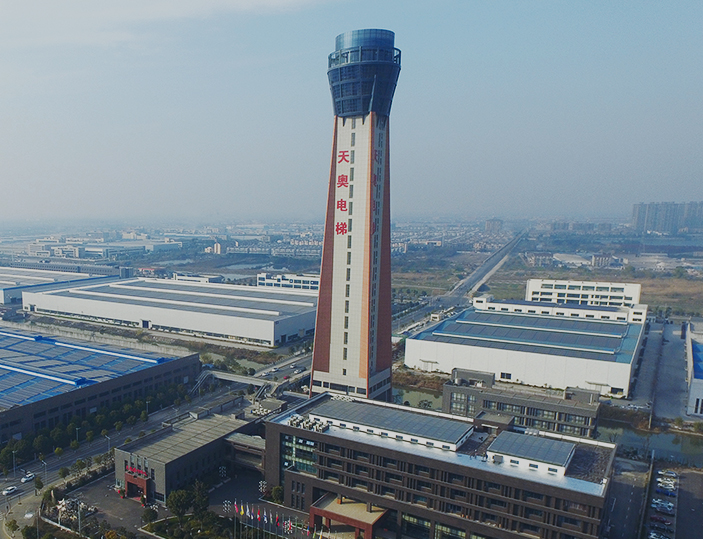
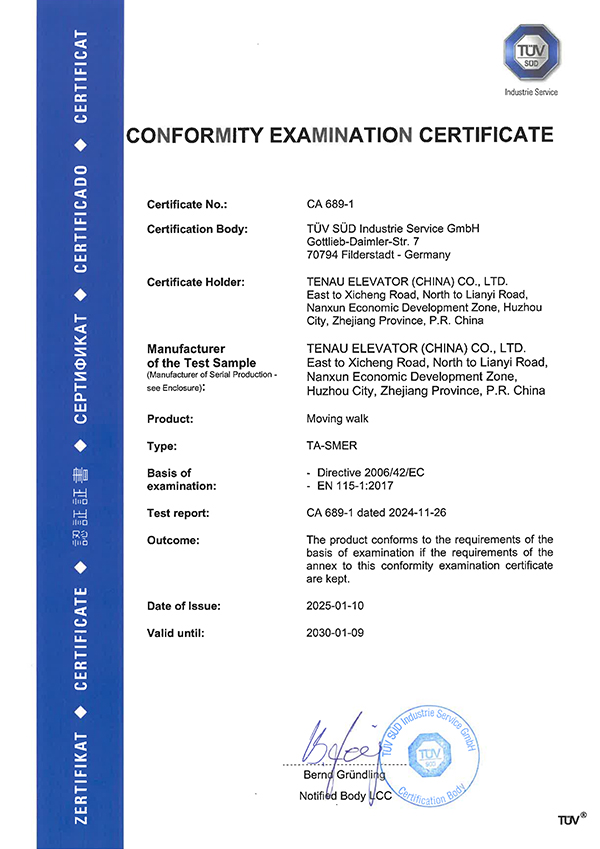
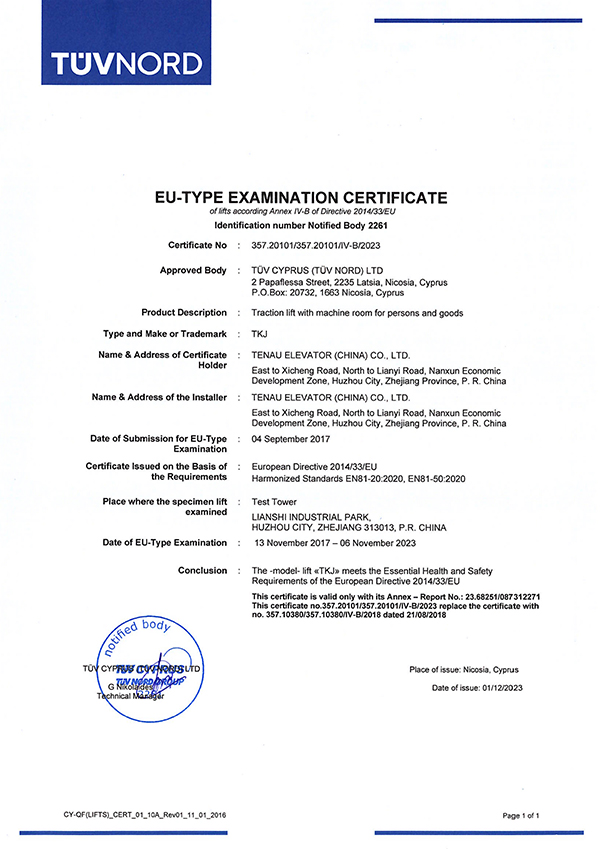
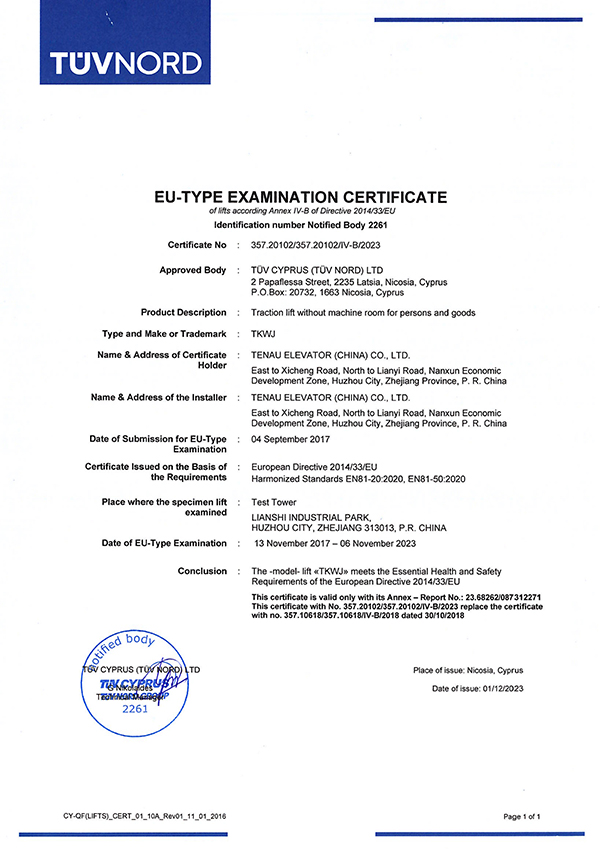
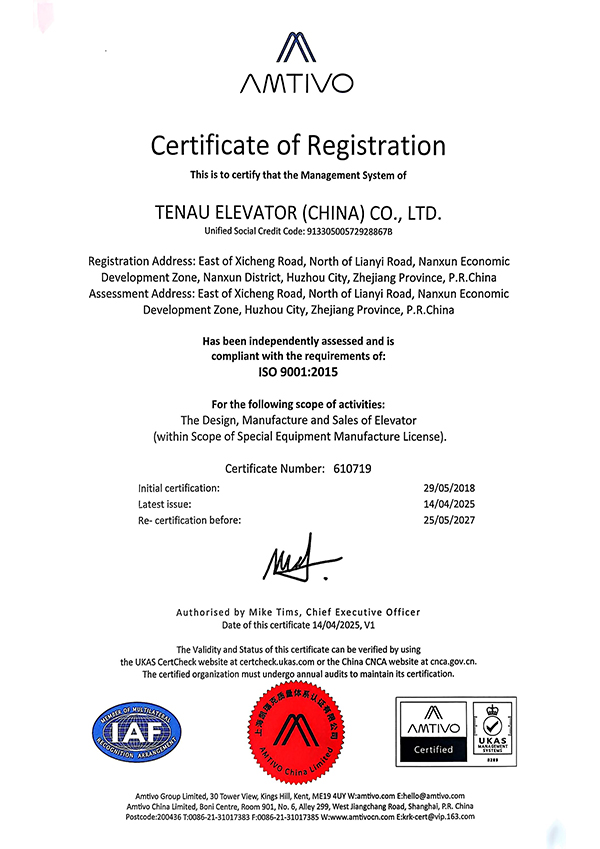
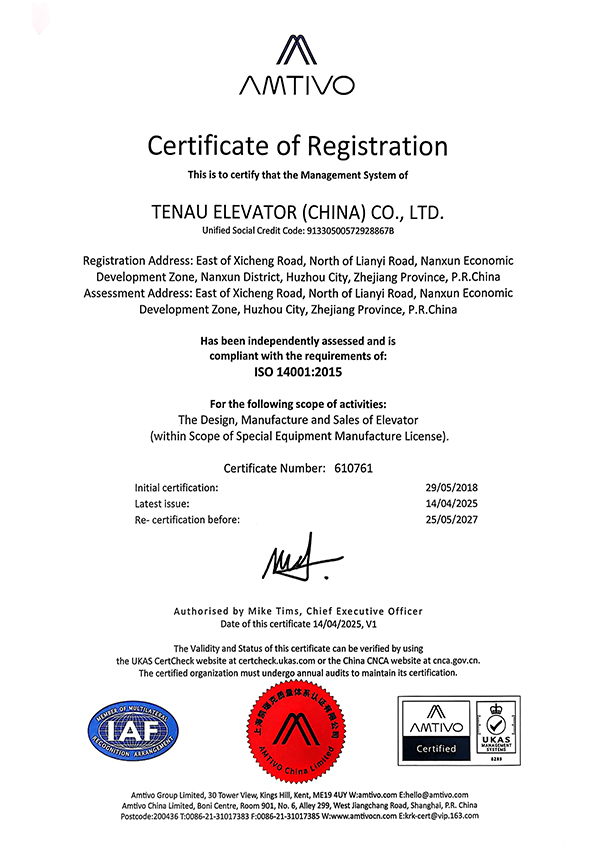
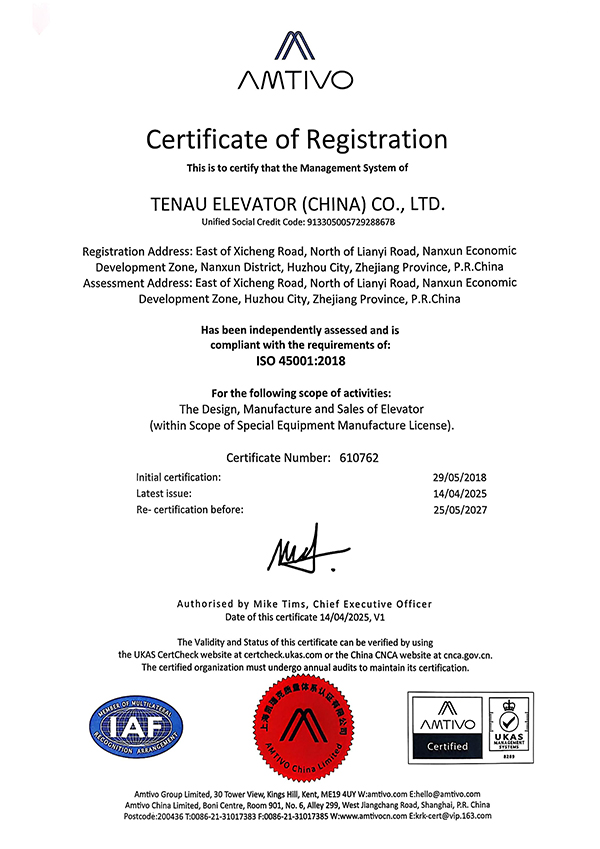
As a professional, integrated elevator manufacturer with German roots, Tenau Elevator (China) Co., Ltd. possesses extensive experience in the research, development, and manufacturing of elevator products. The company integrates design, R&D, manufacturing, marketing, installation, and after-sales service.
Adhering to safety and environmental protection as core principles, Tenau Elevator (China) Co., Ltd. provides intelligent elevator ecosystem solutions to global customers.
Why Is Choosing a Reliable Elevator Manufacturer Crucial?
Elevators are building systems designed for long-term operation. As a core component subject to high-frequency daily use, the quality of elevator landing doors directly impacts the stability of the entire elevator system.
Therefore, when selecting elevator landing doors, one should not focus solely on initial procurement costs but must also comprehensively consider product quality, technical capabilities, and long-term service support.
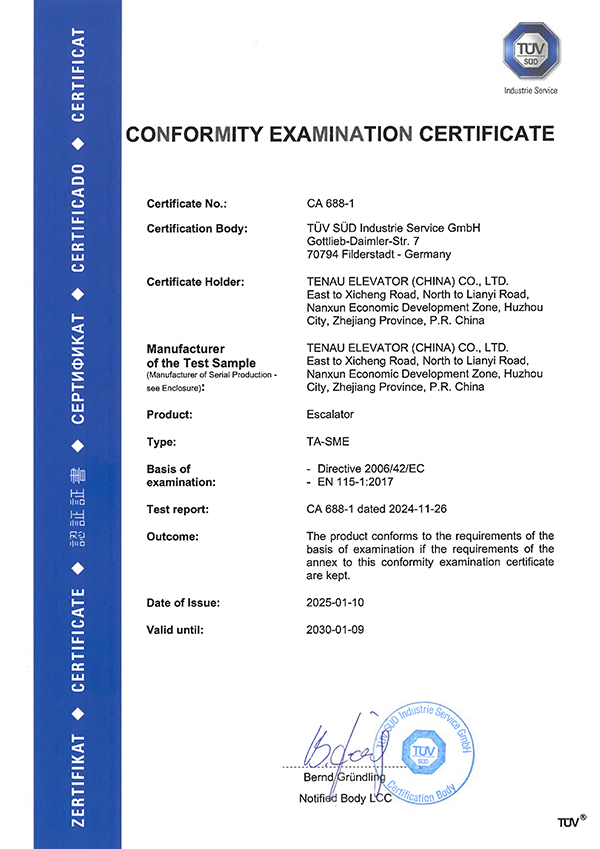
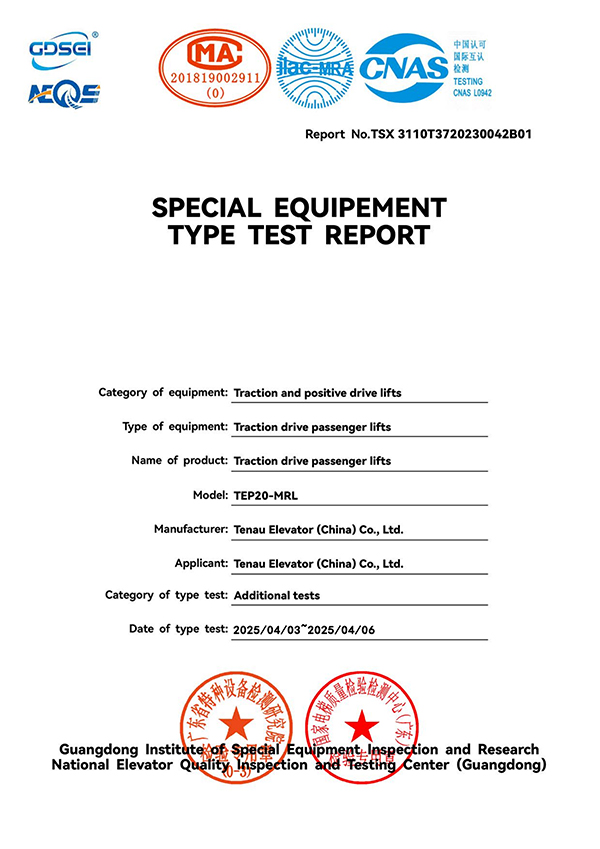
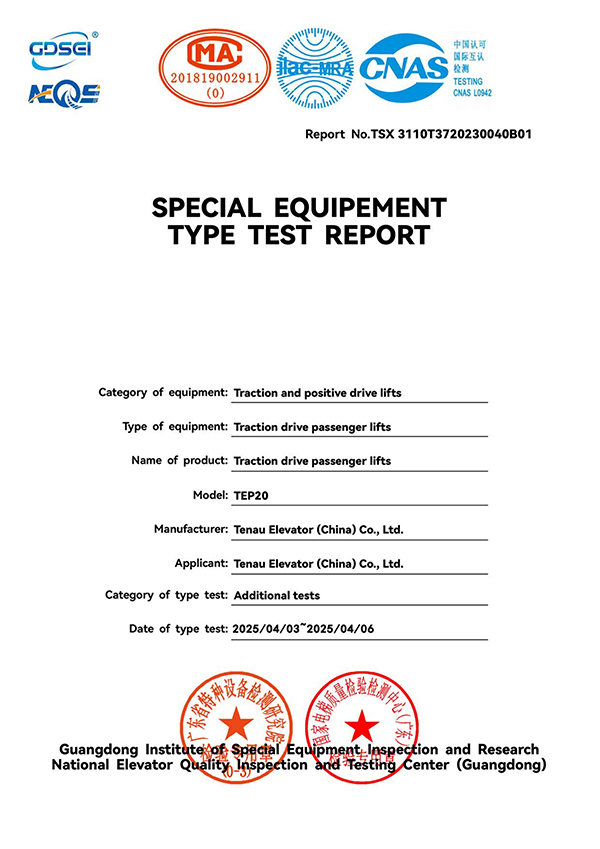
Reliable elevator manufacturers typically possess robust R&D capabilities, enabling them to provide customized solutions tailored to specific project requirements. Furthermore, they employ mature production systems and rigorous testing procedures to ensure products meet relevant safety standards and adapt to diverse architectural environments.
Tenau Elevator (China) Co., Ltd. is located in Nanxun—a historic and culturally significant town within the economic hub of Shanghai, Nanjing, Suzhou, and Hangzhou. Leveraging an advanced manufacturing environment and a comprehensive industrial ecosystem, the company has developed a product portfolio that includes passenger elevators, freight elevators, escalators, and moving walks.
The company possesses diverse design, R&D, and manufacturing capabilities for low-, medium-, high-, and ultra-high-speed elevators, meeting the varied needs of residential, commercial, public facility, and industrial sectors.
Regarding critical components such as landing doors, Tenau prioritizes safety, operational stability, and design harmony. Through continuous technological innovation, the company delivers reliable and efficient elevator solutions to its customers.
FAQ: Common Questions About Elevator Landing Doors
Q1: What Is the Difference Between Elevator Landing Doors and Car Doors?
Elevator landing doors are installed at the entrance of each floor, serving primarily to isolate the hoistway and ensure passenger safety. Car doors are mounted on the elevator car itself and open or close to allow passengers to enter and exit. The two systems work in tandem to form a complete elevator door assembly.
Q2: How Often Do Elevator Landing Doors Require Maintenance?
Maintenance intervals depend on usage frequency, the operating environment, and the manufacturer's specifications. In high-traffic locations such as commercial buildings and hospitals, the door operator system, locking mechanisms, and operational status require more frequent inspections.
Q3: Can Elevator Landing Doors Be Customized to Match the Architectural Design?
Yes, they can. Modern elevator landing doors support a variety of materials, colors, surface finishes, and structural designs, allowing for customization based on architectural style and project requirements.
 export@tenau.com.cn
 +86-18601458867
 +86-512-65059883